
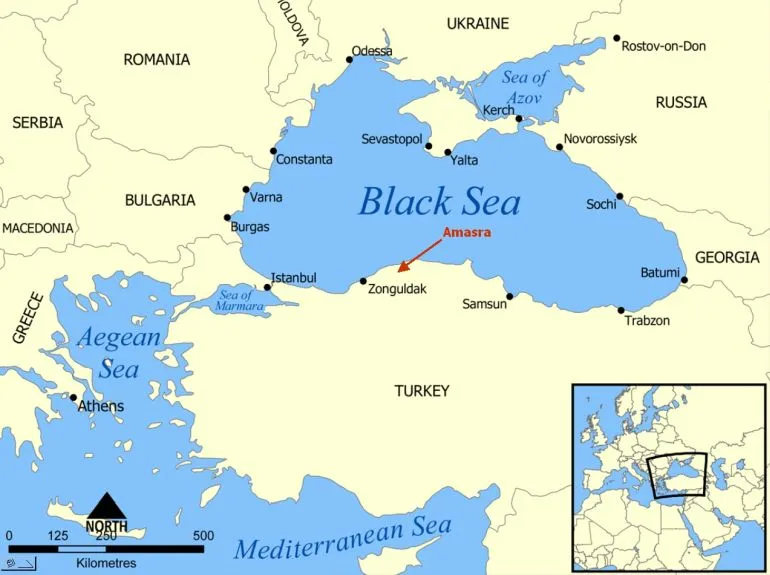
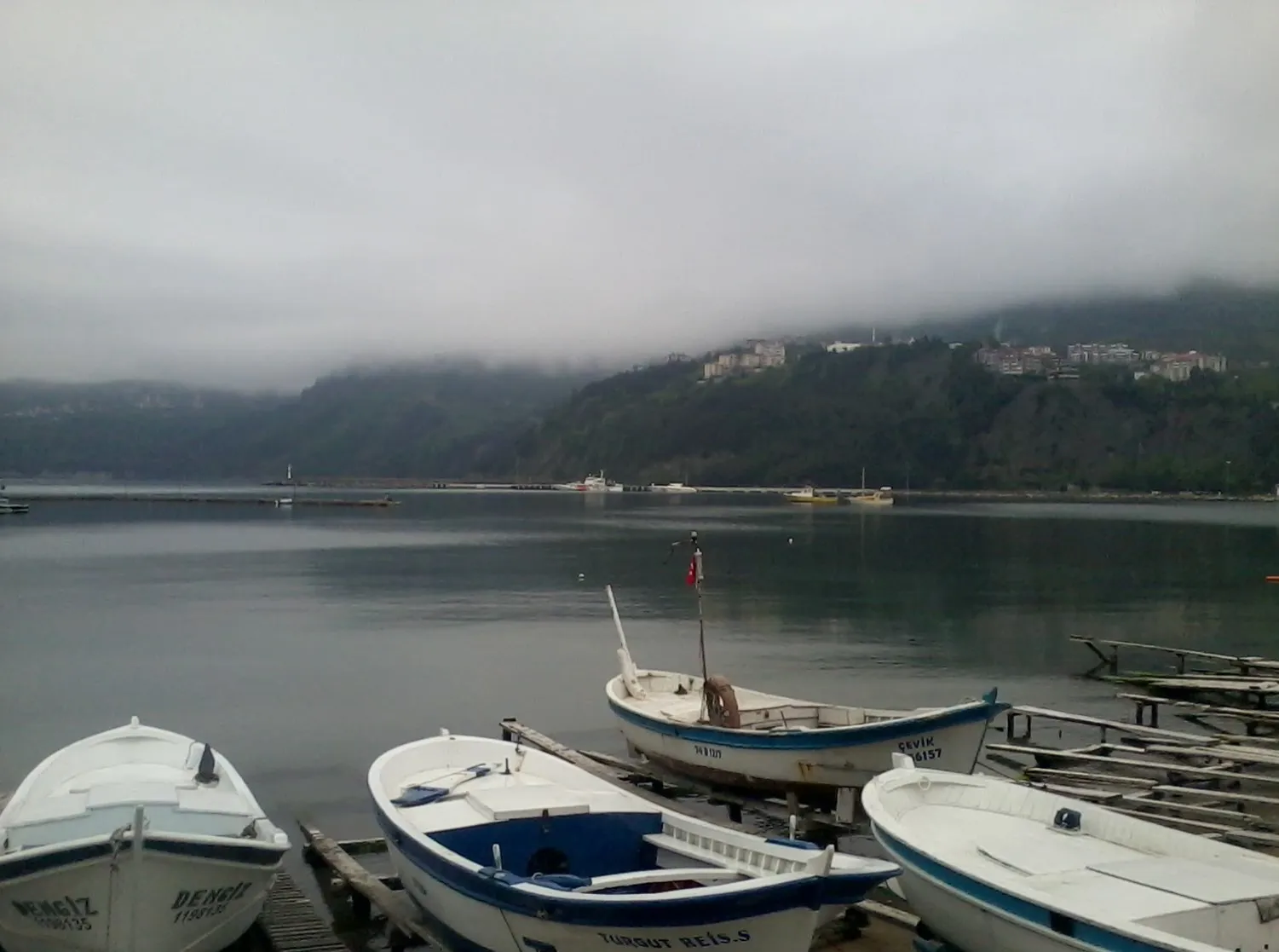
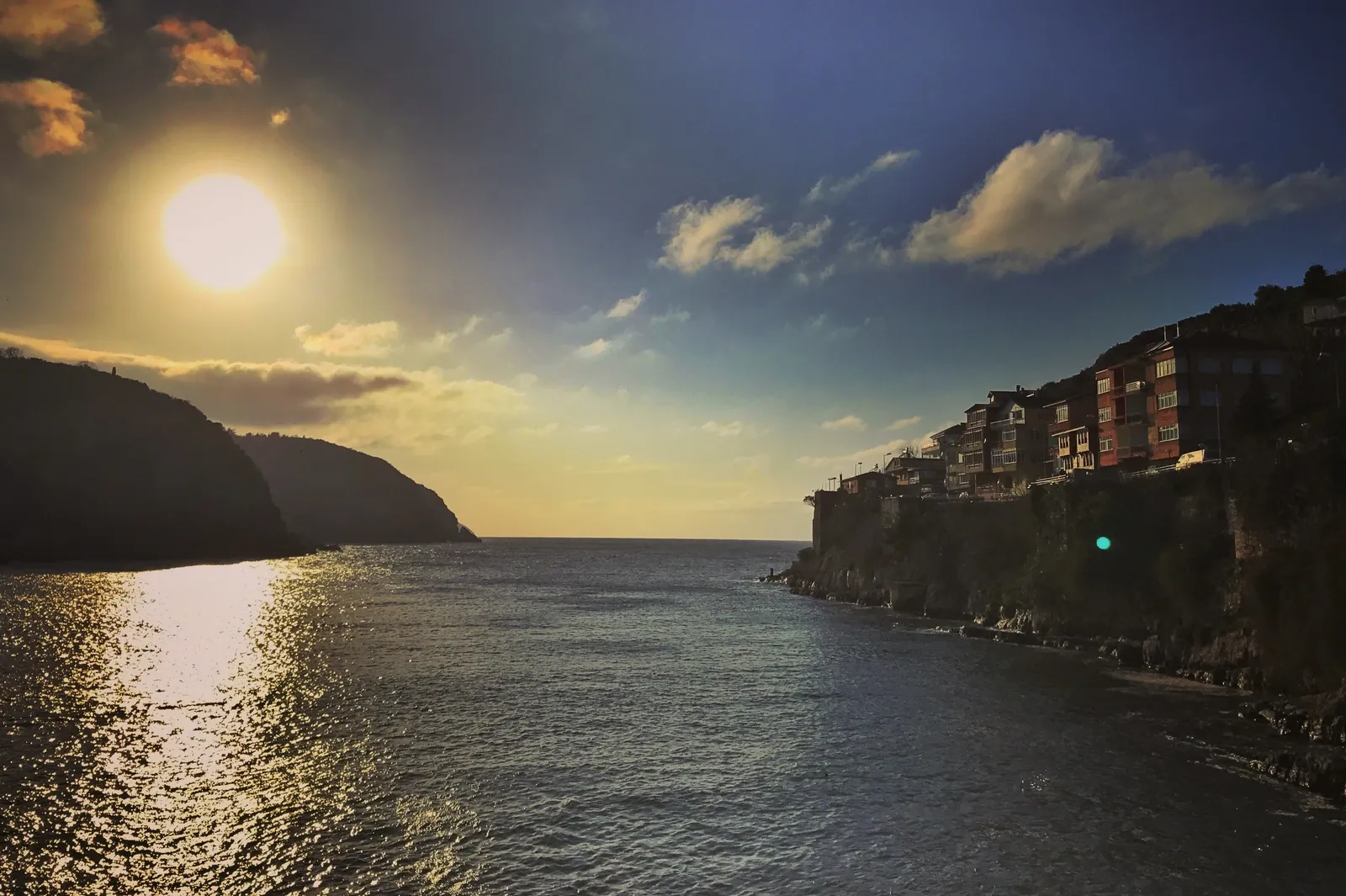
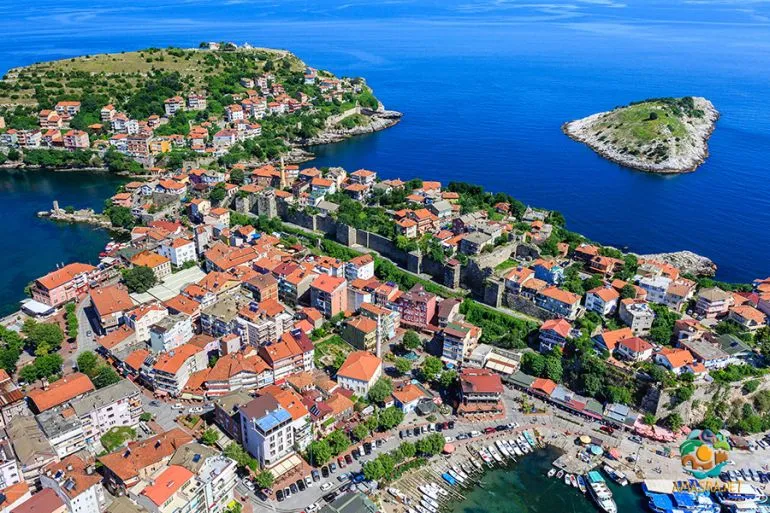
Amasra is famous for a conqueror’s remark upon seeing it. He called it the pupil of the world’s eye. A town surrounded by olive trees, overlooking a fog covered cove. For many generations forestry, agriculture, fisheries and tourism constituted the main source of income for the people of Amasra. Since 2005, they have another job, one that requires resources and threatens their livelihoods – resisting Hattat Holding’s plans for building a coal fired power plant — on Gömü and Tarlaağzı villages’ land, a few hundred meters from the olive trees, overlooking the inversion fog covered sea, (which would mean the pollution from the plant descending right down on the town) and butchering the forests for its electricity grid. Local communities have been fighting back in court, mobilizing villagers and organizing a resistance that put the company in a deadlock.
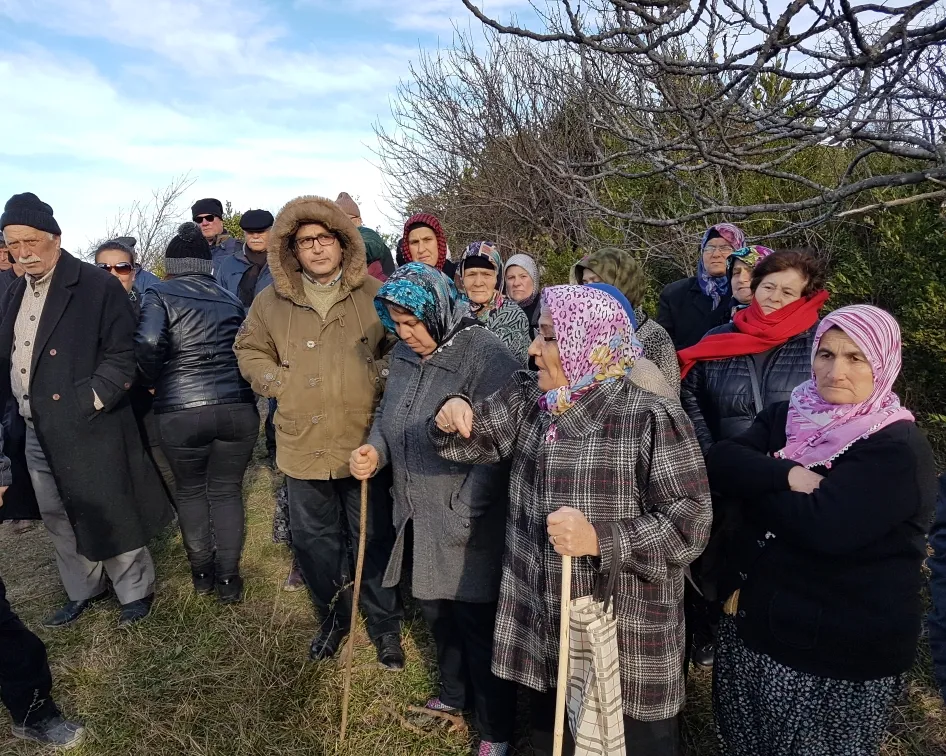
This week, the villagers of Amasra lived through another clash between their spectacular town and the company that plans to destroy it with a coal plant: last Monday, they woke up to the sound of chainsaws cutting down the olive trees. When they tried to stop them, they were told by workers that the company had obtained the land that the trees long stood on, and they were going to “transfer” the trees.
The reason for targeting the olive groves was clear: according to law, no energy infrastructure can be built near a 3 km radius of olive groves traditionally used by local populations. Thus, the people of Bartın would be safe from coal pollution and destruction, if their trees were legally recorded as “olive grove”.
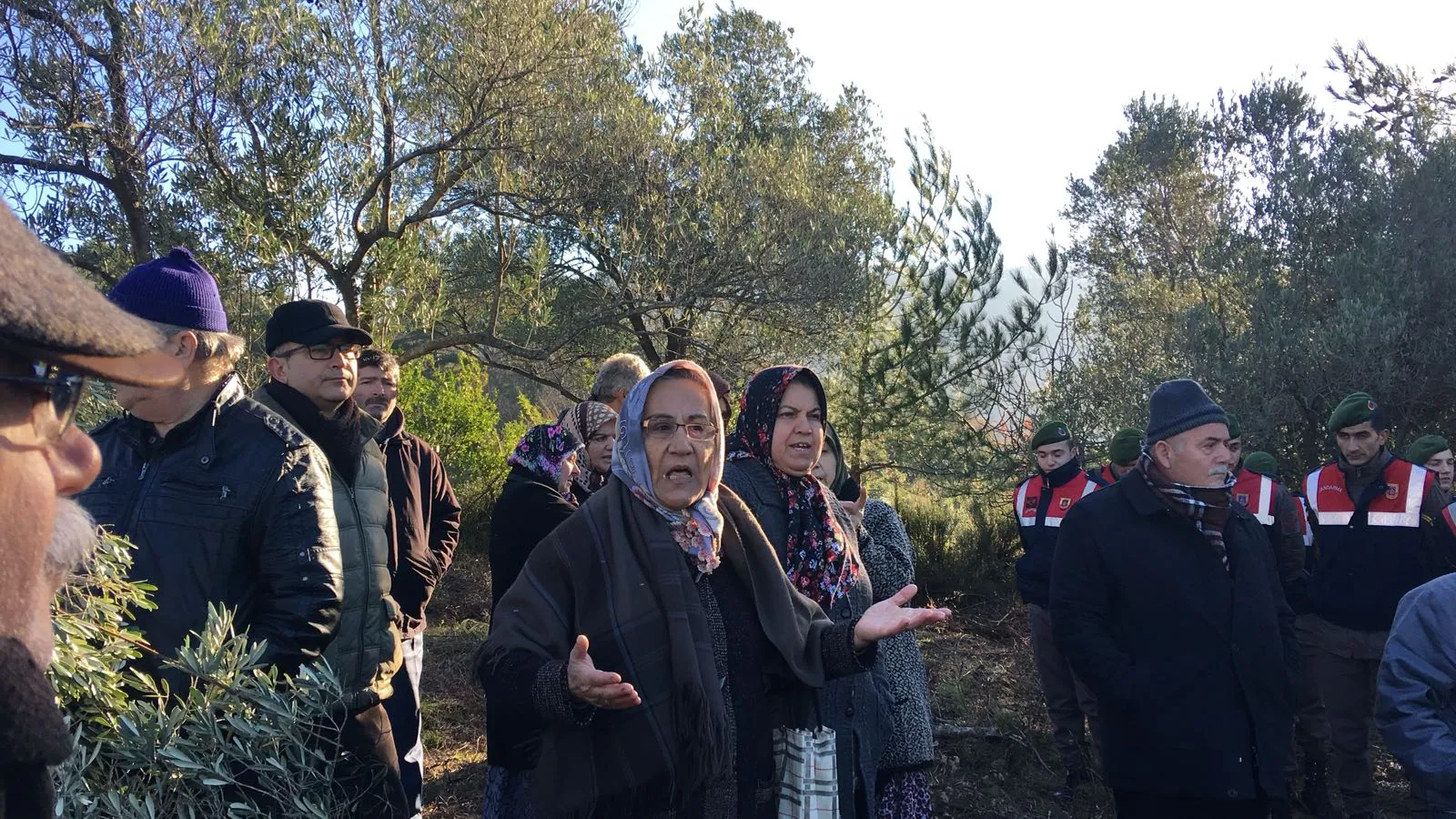
The company’s response was as cynical as it gets: “If there can’t be coal power plants near olive trees… let’s remove the olive trees!” And without any public announcement or consultation, that’s what they did. In the middle of this process, the villagers of Amasra and Bartın Platform confronted the workers — only to hear that the company acquired the land and they had a permit to “remove” the trees.
Here’s the moment when villagers confronted the workers (in Turkish):
Bartın Platform and villagers of Amasra went to the Agriculture Directorate of the city, they wrote petitions to stop the tree massacre before it happened, on that day. No one came to their help. Armed forces told them to vacate the “property”. The trees were cut and removed. The next day, though, Directorate of Agriculture officials were in that same field to take record of the cut trees, and told the Head of the Village (Muhtar) that they would fine the company, as cutting down trees without obtaining permits is unlawful. Polluter Pays at it best. 180 trees are gone from that field anyway. No amount of money can make up for their existence, as no amount of money will be enough to relieve the destruction that will rain down on this beautiful town if the plant gets built.
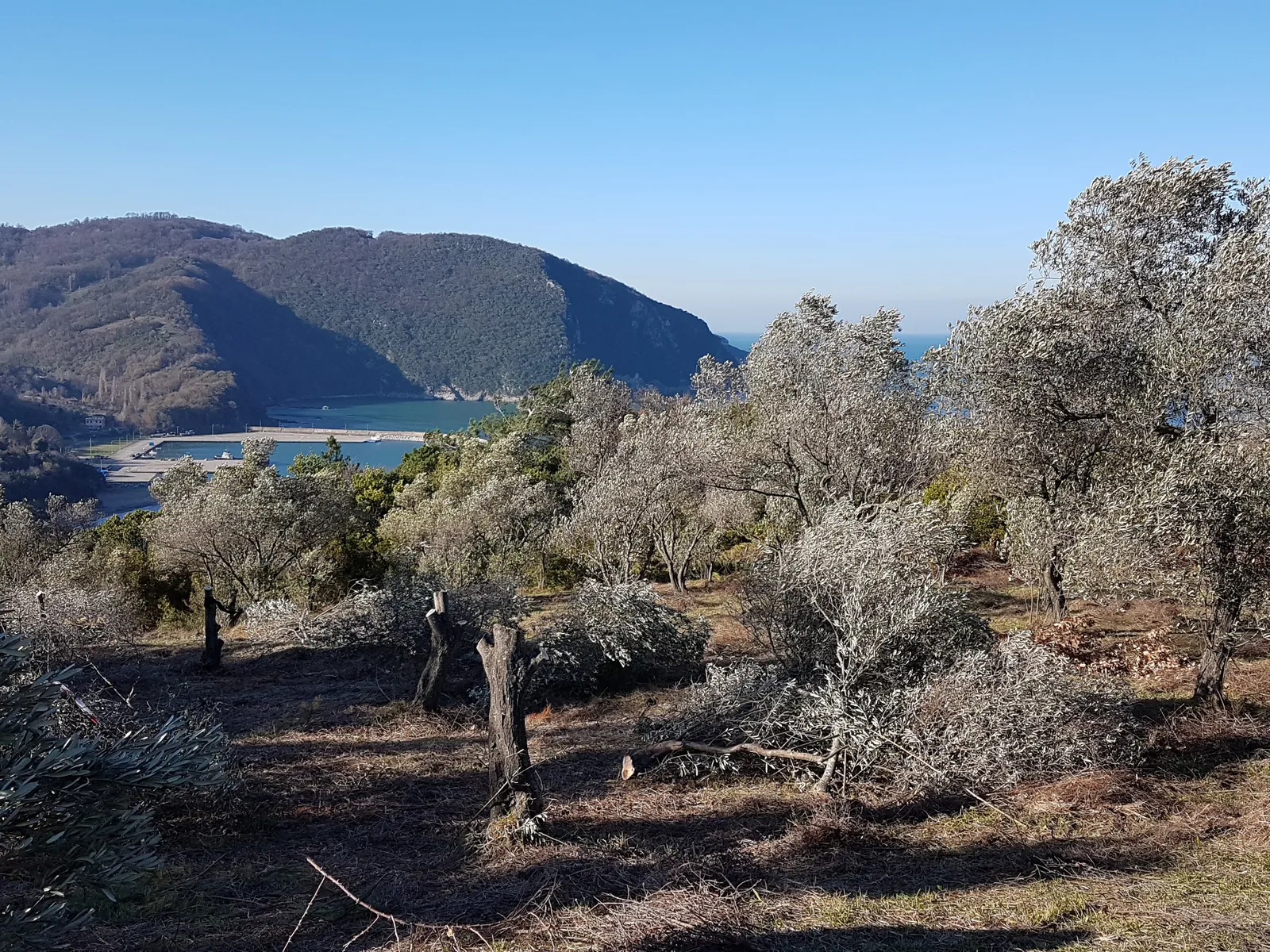
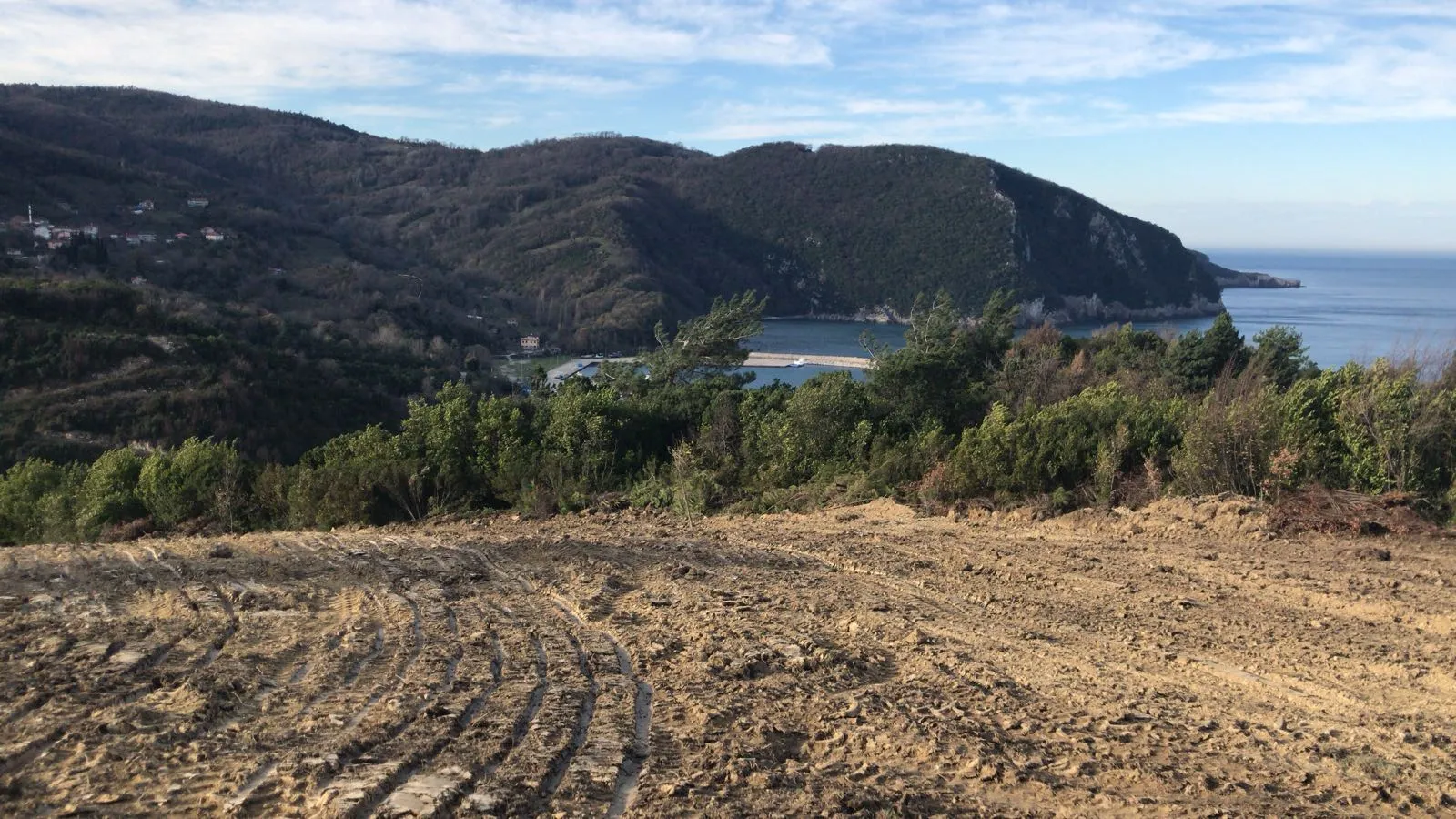
The olive grove had 180 olive trees. Above, the area before and after the clear cut.
Only the rigorous efforts of the Bartın Platform stands between that certain destruction and this panoramic town. The Platform went to court with numerous cases against the coal plant project’s license, environmental regulation report, environmental impact assessment report.
That coal plant is not being built. It’s been 12 years. We will plant 180 and another 100 olive trees in the villages around the coal plant project area. Say the villagers. Hattat’s dream and Amasra’s nightmare may not be shelved yet, but the Bartın Platform is standing stalwart.
We stand with people of Amasra, Bartın and Turkey as they fight for a fossil free world.
Related blogs
News, stories, and insights from the global climate movement.
African Symposium on Climate Reparations
Explore the upcoming gas auction in Brazil and its implications for Indigenous lands and the environment in Maranhão.
The Cerrado Is Not for Sale
Explore the upcoming gas auction in Brazil and its implications for Indigenous lands and the environment in Maranhão.
Keeping Safe from Fires and Liars
Explore the connection between climate crises and disinformation as experts discuss current challenges and their impacts.
