
This post first appeared on 350Pacific.org.
When Fijians received news of increased fuel prices due to the war in West Asia, scores of everyday people lined up to secure fuel supplies for transport, outdoor cooking stoves, and diesel generators. Families began budgeting for the sharp increase in groceries and public transportation, tour operators planned for a rise in operating cost, sugarcane farmers projected heavier workloads, and communities in remote island areas began to suffer higher boat fares.
The impact of volatile fossil fuel markets has cascaded down onto everyday people who are already living on the frontlines of intensifying climate impacts. One of the most recent impacts seen in Fiji is the announcement of possible “power rationing” by Energy Fiji Limited, due to escalating global fuel prices, increased dependence on thermal generation and worsening dry season conditions.
Access to reliable and safe electricity is essential to community development. It allows students to study when required, fisherfolk to keep their catch fresher for longer, rural homes to access drinking water through water pumps, and communications channels to stay open during emergencies. Renewable energy, particularly rooftop solar, has the potential to address the chasms that fossil-fuel reliance has pushed our people into.
This year, Fiji is one of the Pacific nations chasing an ambitious renewable energy target, despite the Pacific contributing only 0.03% of global emissions. This is aligned with the COP28 pledge to triple renewable energy globally, as well as the recently adopted UN resolution on states legal obligations to climate action.
The just energy transition has never been more timely, not only for climate action but for the growing affordability and energy crises that plague our islands. What many don’t see when reading these headlines are the individuals on the ground, doing their part to ensure these targets are met. Those outside the boardrooms and international negotiations, working both to combat the cost of living crisis and the energy crisis. One such person is Fijian solar energy provider, Pita Tamani.
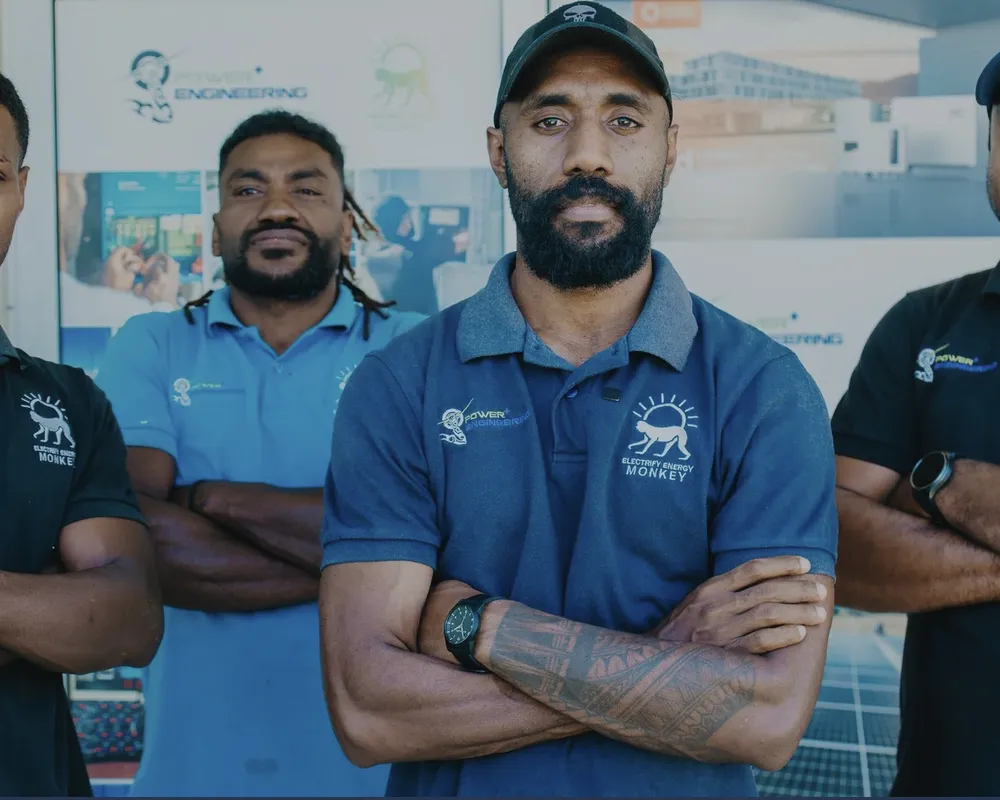
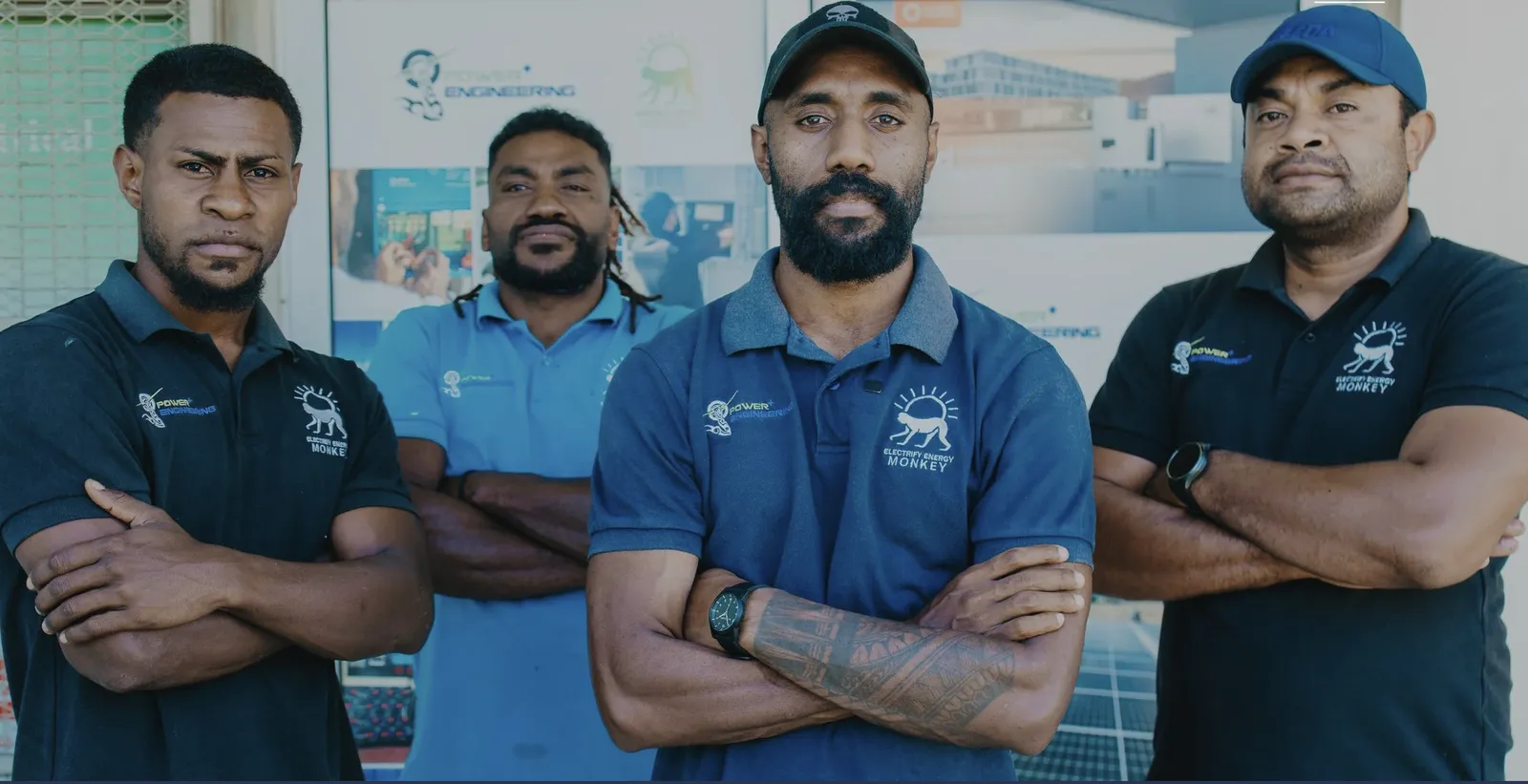
Pita started as a regular electrician and is now the Founder and Managing Director of Electrify Energy Monkey, a company he started after learning the benefits of solar power as both a source of energy and income for young Fijians.
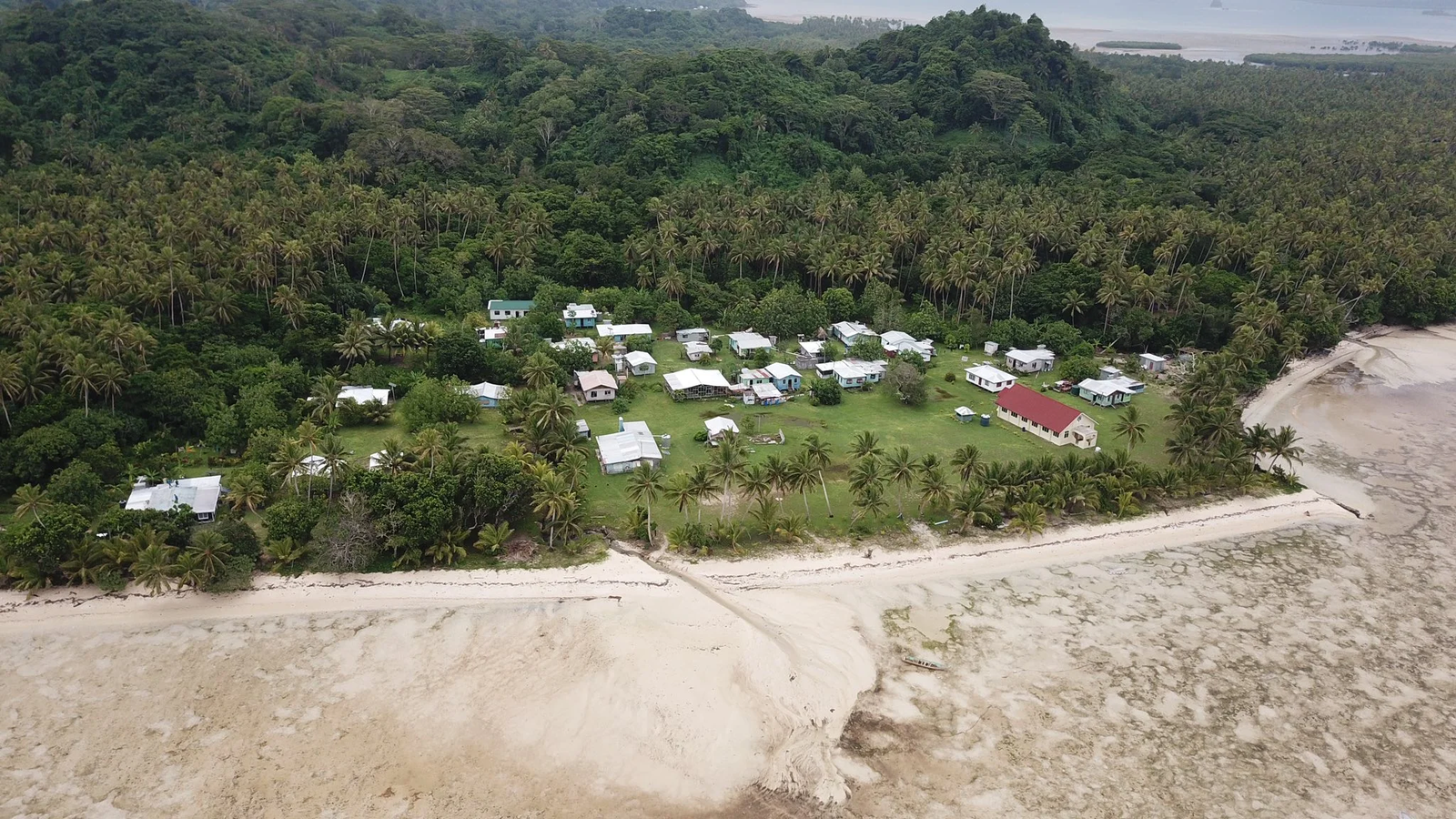
Pita initially completed his training and worked as an electrician in Nausori for two years, before returning to his village, where he first encountered the ripple effects of renewable energy access.
“I met two men that came to my village to do an inspection for solar energy. They came to inspect a well, where they would eventually design a solar system to run a pump, extract water from the well to a holding tank, and supply several houses close to that well with water,” recalled Pita.
Through the roll-out of renewable energy, communities can go on to power water access, refrigeration, co-op stores and a multitude of other facilities. However, as a practitioner in renewable energy, Pita saw the potential for personal growth as well as community development.
“One of the men that came to install solar in my village told me a story that he had traveled overseas and to a lot of places because of his trade, and he was also an electrician. I asked him if there were any vacancies, and that’s when I first engaged in renewables and solar. I worked for them for three years. Then I got an opportunity to go to Australia. There, I learnt the massive potential for solar energy and all of the things I needed to know as an electrician, and as a solar technician.”
The step from electrician to entrepreneur was driven by Pita’s lived experience as a young Fijian boy watching his mother work to provide better opportunities for him.
“I was raised by a single parent, so I saw the challenges she went through to bring me up, pay my school fees and such. What I saw motivated me to build something of my own and help people from it,” says Pita.
As Fijians feel the pinch of rising costs of living, a future powered by renewable energy has the potential to alleviate much of the strain caused by cost of living crises like the one the Pacific is currently facing.
“I think that sort of financial independence is really important. What we’re doing is giving people energy independence with distributed renewable energy, even if they don’t have access to the grid, “ says Pita.
The benefits of solar energy are not limited to energy access in rural or remote areas disconnected from the national grid. Recent threats to electricity access, caused by global fuel instability, have driven many urban-dwellers to consider the benefits of generating and storing their own renewable energy.
“People are not really aware of the benefits of engaging a solar system nowadays. Not only solar, but any type of renewable energy. Even in urban areas, it’s going to offset their bill. It’s a healthy long-term investment for people living in urban areas because you can get your returns if you sell back to the grid,” said Pita.
When asked if Fiji’s target of 100% renewable energy was achievable, Pita agreed our islands are more than able to move beyond fossil fuels, given that our people are equipped with the expertise and skills to drive the energy transition.
“We can source good materials in the country, but the end result of renewable energy, such as solar, depends on installation. If we don’t have the expertise in this space, then it’s going to take us a long time trying to engage the skill set required to get us to 100% renewable energy. We are headed towards a renewable-driven future but if our technicians are not ready, this future will be delayed. If we are ready for on-the-ground implementation, then we can achieve a Pacific powered by renewables, ” Pita said.
Despite the potential economic, environmental and social benefits of renewable energy, Pita believes that Fiji and the Pacific require an increase in the technical expertise of renewable energy, and trainings to ensure our people are able to build and manage our own renewable energy infrastructure.
One such effort to equip Pacific communities with the skills needed to generate their own electricity is the Solar Scholars training, scheduled to take place from May 26 – May 29 in Nadi, Fiji.
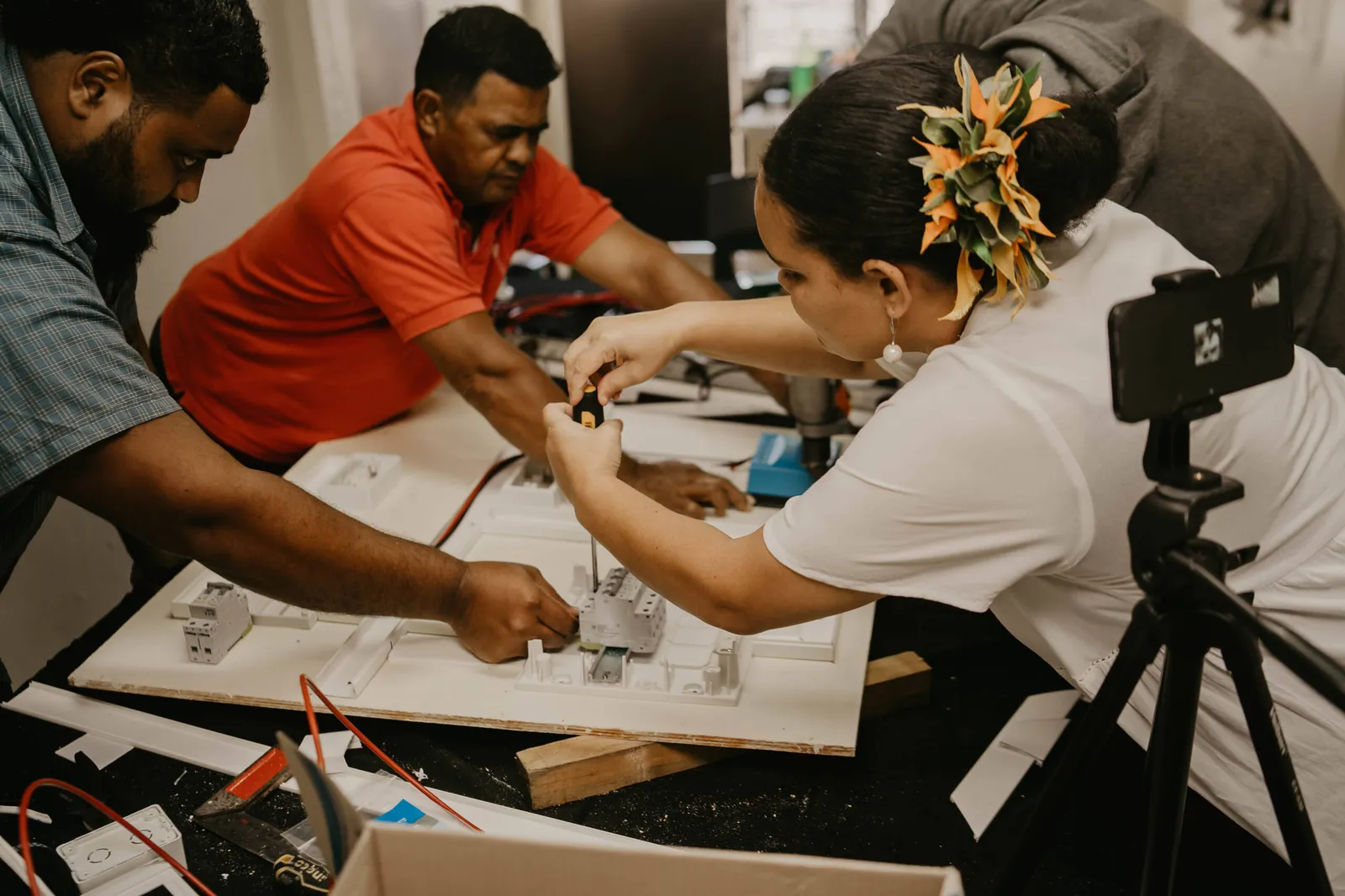
Fifteen community leaders from around the Pacific will learn to assemble solar PV systems that will be used to power basic services, reducing the strain of rising fuel costs and providing emergency energy during power outages. In a training organised by 350.org Pacific and the Institute of Climate and Sustainable Cities (ICSC), participants from Fiji, Tuvalu and Vanuatu will join the Solar Scholars program, and assist with two community solar installations in Yavulo Village and Lautoka City.
350.org Pacific and Caribbean Program Lead, Fenton Lutunatabua, stressed the importance of energy democracy and community-centered solutions in a time where fossil fuel companies continue to profit from war-driven price hikes.
“Everyone deserves access to energy to light their homes, to contact their loved ones, to store their food, and to maintain a life of dignity. Just as everyone also deserves a safe and livable future, beyond the devastation of compounding climate disasters,” said Fenton.
“When renewable energy is prioritised and distributed, we move one step closer to a Pacific beyond fossil fuels, a Pacific that stands a better chance of surviving this affordability crisis. When young people are given the skills to better their communities, we make leaps towards a thriving generation of leaders for our region.”
The training will be conducted by the RE-Charge Pilipinas Team of ICSC, who launched the Solar Scholars initiative in 2015 after Super Typhoon Haiyan struck the Eastern Visayas in the Philippines. This pioneered the creation of the Solar TekPak and community solar photovoltaic (PV) system that could be used to power emergency services in cyclone-prone island communities.
You can follow the journey of the Pacific’s newest Solar Scholars here.
Related blogs
News, stories, and insights from the global climate movement.
Indonesia’s wildfire crisis cannot be business as usual
Every wildfire season, I watch the smoke arrive. This year, the fires have gotten worse.

African Symposium on Climate Reparations
Africa is on the frontlines of a climate crisis it did not create. True climate action requires more than promises - it demands accountability, equity, and repair.
The Cerrado Is Not for Sale
Explore the upcoming gas auction in Brazil and its implications for Indigenous lands and the environment in Maranhão.
