Editor's note: On the eve of COP31 in Antalya, Türkiye, Savio (Managing Director of Campaigns and Networks at 350.org) explains what really happens at the climate summit, and shares his reflections on a heavy year and on what justice should mean for energy and climate finance.
"Hey wait…you going for another climate conference?"
That is the question one of my trusted buddies asked me a few days ago, as I was planning my trip to Antalya, Turkiye for the annual meeting that focuses on climate and everything related to it. When asked what really happens in such a meeting of over 60,000 people, I struggled a bit and then tried to make sense to someone who is not steeped in climate policy or politics.
Now that is where the challenge started. My friend is far from jargon like ‘overshoot’, ‘adaptation’, ‘financing’ - let alone Global Stocktake (GST1). Electrification made some sense but left her quietly amused. “So electrification is the solution now?” she quipped.
This year’s climate meeting is once again termed as an ‘implementation’ summit, which in layperson's language means ‘don’t expect miracles’. Even though such meetings may look like a climate vanity fair, it's the only space where all countries (called state parties) and non-stake actors like civil society, private sector, faith leaders, scientists, academicians, technical experts and many others meet, discuss, negotiate, quarrel and often agree or send signals on the direction of travel. Past meetings have had major breakthroughs and also many failures and disappointments.
As this meeting happens towards the end of the year, it's also a good time to reflect on the year gone by. 2026 was a heavy year with geo-political wars, unaffordable costs of living, warnings that our global temperatures will rise above the level that was assumed as ‘safe’, the disaster in Nepal and multiple crises that show that we are far away from being a peaceful and harmonious civilization.
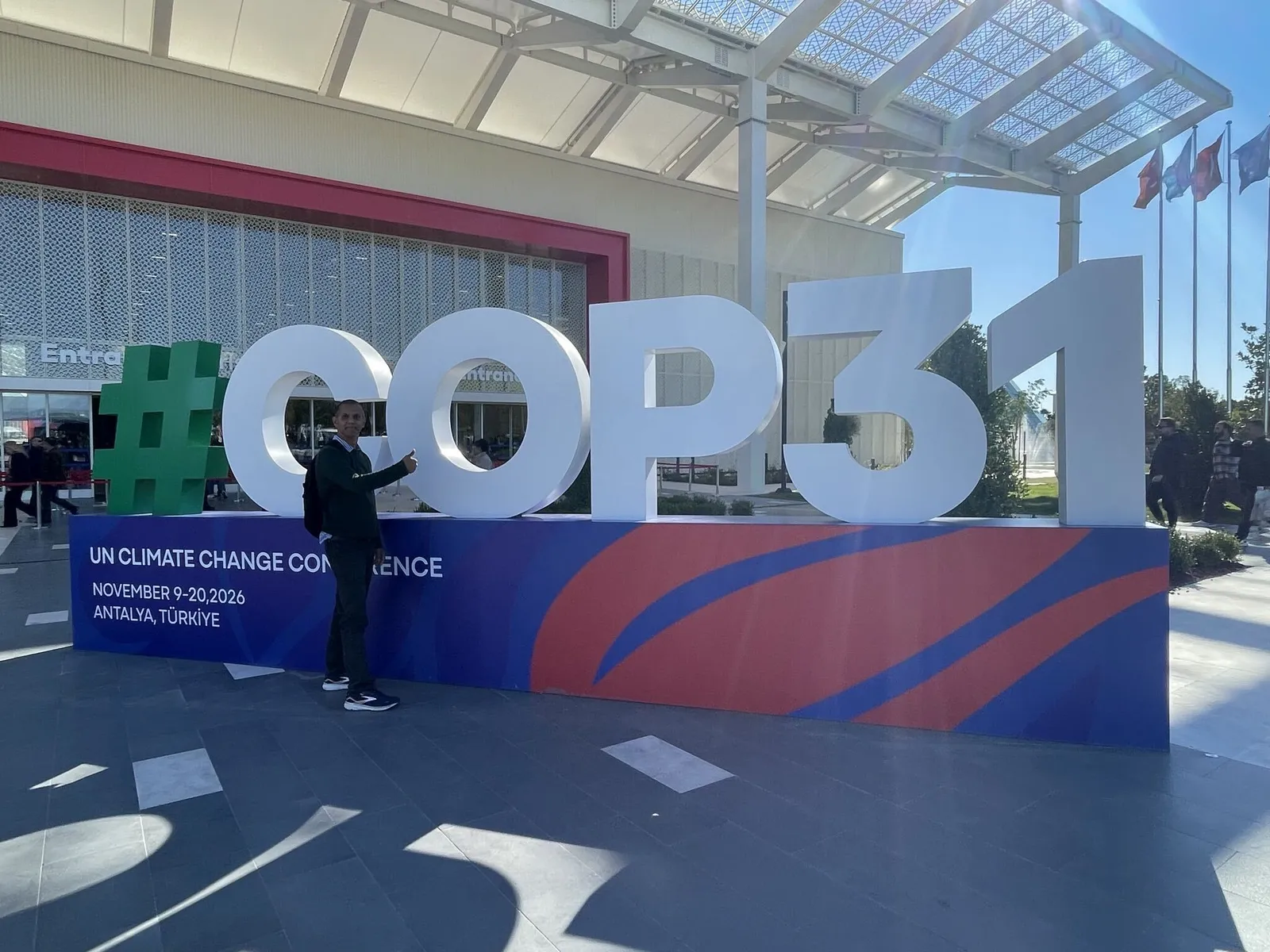
At this year's meeting, I am focusing my energy on the ‘cost-of-living crisis’ and the need for us to transition away from our greed and seductive dependency on fossil fuels. This transition will have to be just, equitable and orderly with some countries having to shift their entire economies, retrain their workforce, and redeploy investments and capabilities. We need to urgently shift towards more renewable energy sources like solar and wind.
Another area of interest and concern for me is ‘electrification’ - this has become a buzz word and will be a hot topic at this climate meeting. There is a proposed target of at least 35% electrification by 2035. This goal is reachable and will make a difference only if (and its a big IF),
1. The electricity generated is from renewable sources,
2. Those who benefit from this are communities living in energy poverty and it meets their needs for domestic use and livelihoods.
3. Rich nations back this goal with financial and technical support from rich countries.
Having a goal without an enabling environment is empty words. Linked to this is the hard truth - high consuming societies will have to scale back on their electricity appetite and let those who have been denied these benefits play catch-up. You can’t keep sprinting when others are learning to walk.
It is a profound shame that rich countries have not yet delivered on their promises to provide financial support to those nations, peoples and communities that did not contribute to this problem and are impacted the most. Rich countries have no moral standing without keeping their promises. I will use the platforms and speaking slots I have to keep these unfulfilled promises on the table.
Ultimately, the climate meeting is a time for civil society, social justice movements and grassroot groups to show their collective strength, ask the right questions, demand accountability, mobilize and have their own safe spaces. You will also find me in these spaces.
Related blogs
News, stories, and insights from the global climate movement.
A new website for 350.org
Find out why we rebuilt our site, what's new, and how you can keep up with the stories and actions that matter - from COP31 and beyond.
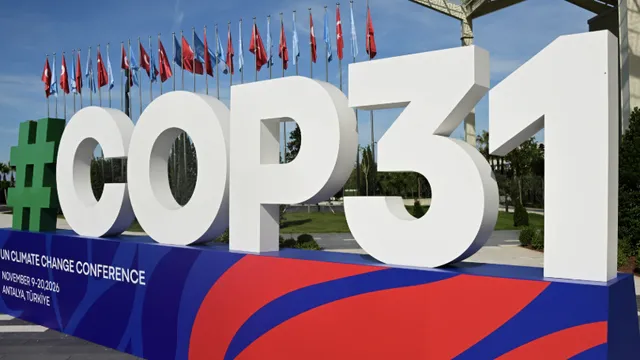
COP31 starts in Türkiye: Why we can't afford any more climate delay
COP31 kicks off in Antalya, Türkiye, on 9 November. Here’s what’s at stake, what’s on the table, and what world leaders must deliver at the UN climate summit.