
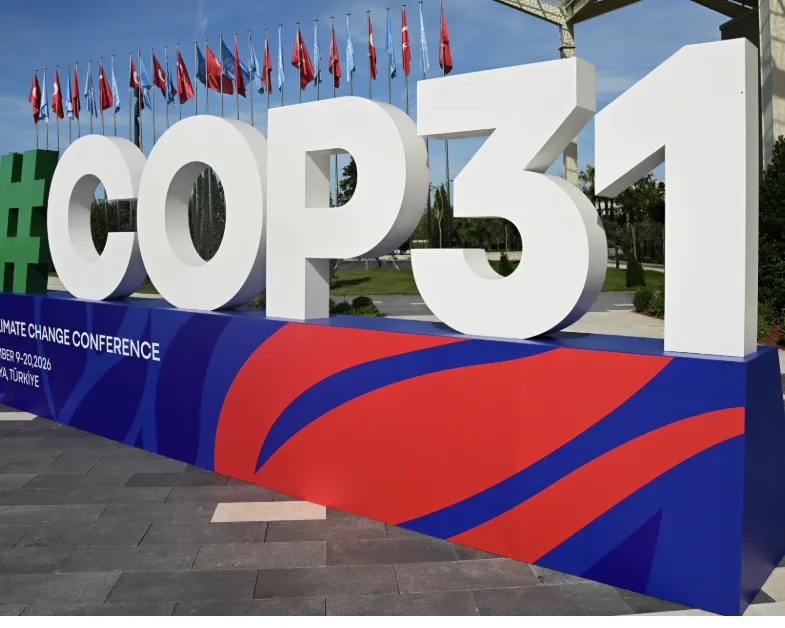
COP31 kicks off next week in Antalya, Türkiye, running from 9 to 20 November 2026. With energy bills soaring and climate disasters hitting harder, the stakes have never been higher. Here’s what you need to know about this year’s UN climate summit, and what we’ll be pushing for.
What is COP?
"Conference of the Parties" or COP is the yearly UN meeting where countries agree how to tackle the climate crisis together. It is where the 2015 Paris Agreement was born to limit global heating to 1.5°C. Confused by all the COP jargon? Here is a quick guide.
World leaders, negotiators, scientists, activists, Indigenous Peoples and frontline communities all come to COP. But so do fossil fuel lobbyists: at last year’s COP30 in Brazil, they outnumbered every national delegation except the host’s. This year, Türkiye and Australia are co-hosting, steering negotiations that will shape climate action for the coming future.
Why this year matters
Every COP is a chance to move the world closer to a safe and liveable future. But COP31 lands at a critical time, for five reasons.
- We’re all paying for the biggest energy crisis in history. The US-Israel war in Iran and Southwest Asia has set off the seventh oil price shock in 50 years. In Sri Lanka, fuel prices have jumped by about a third; in South Sudan, neighbourhoods go dark every evening. Almost everywhere, transport, food and electricity cost more. And that’s only the bill we can see: fossil fuels also cost us USD$12 trillion a year in hidden costs, roughly USD$1,400 for every person on Earth.
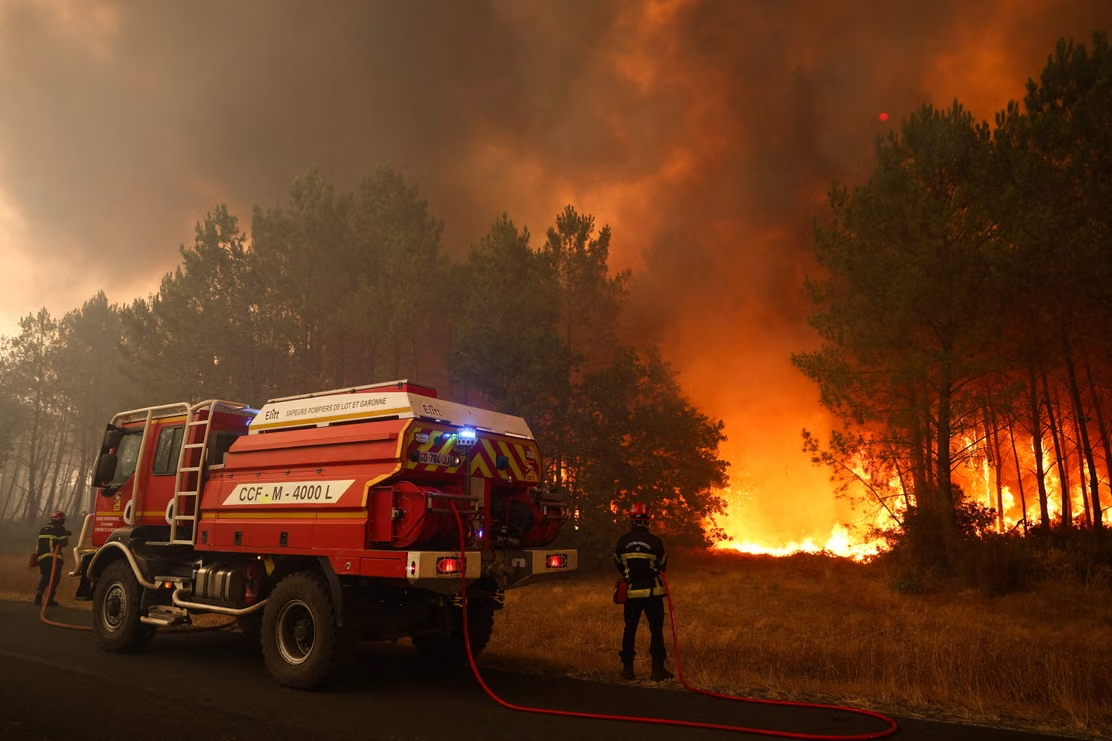
- The climate crisis is already at our doorsteps: This year alone, devastating floods hit Africa and Asia, while record heatwaves and wildfires swept Europe, North Africa, Canada and Indoneisa. This is the result of a fossil-fuelled, heating planet and a powerful El Niño is expected to intensify climate impacts further. UN’s Emissions Gap Report confirms we’re heading for around 2.6°C of heating, even if countries keep their promises.
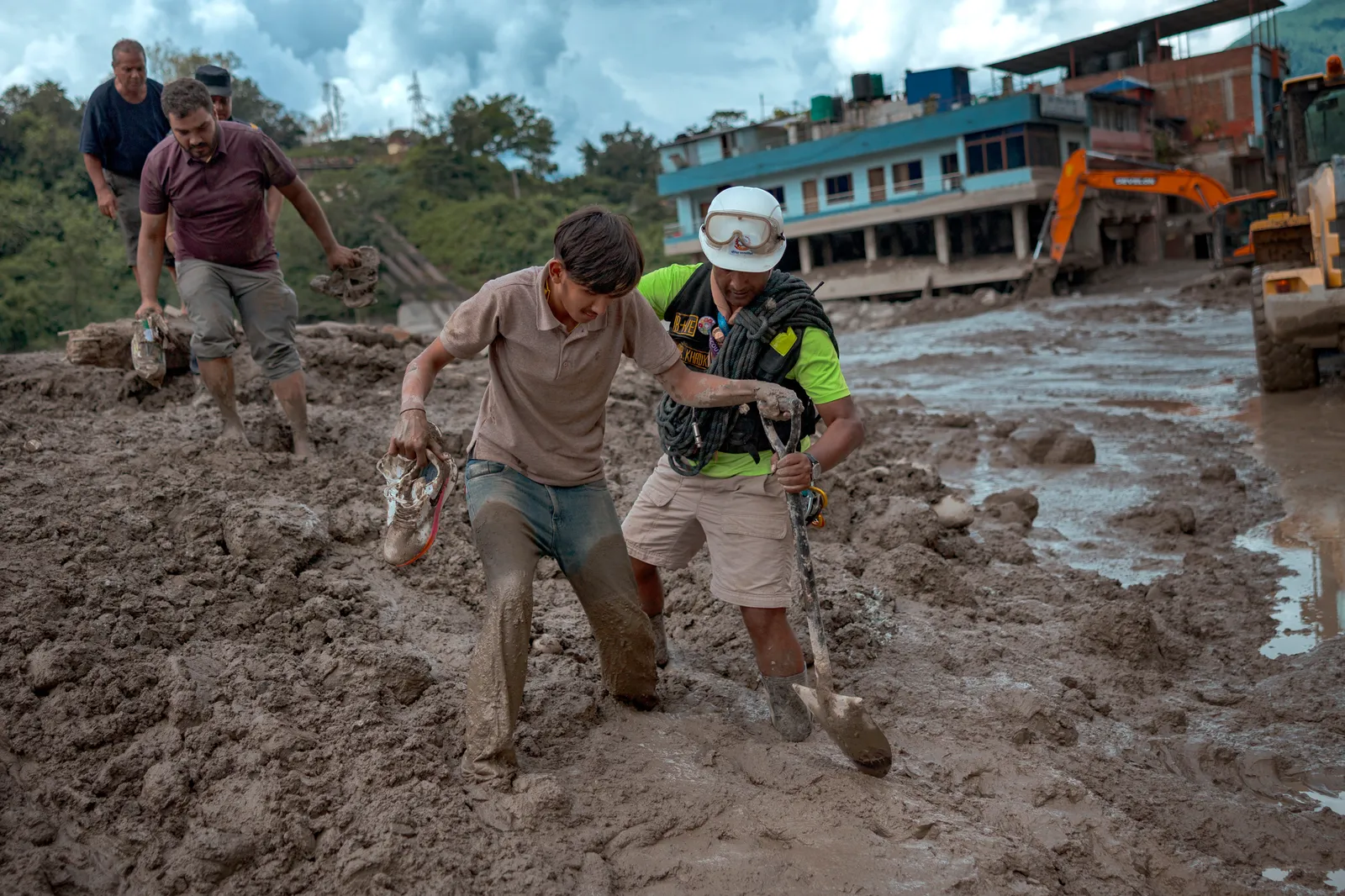
- Those least to blame are hit hardest. In August, a glacier collapse in Nepal killed more than 1,400 people and left a recovery bill of over USD$4.8 billion. Across the Global Majority, people are losing homes, harvests and livelihoods to a crisis they did little to cause.
- Polluters profit while people pay. Between July and September alone, BP, Chevron, ExxonMobil, Shell and TotalEnergies made USD$56.3 billion in profit, more than double last year. Governments are spending taxpayers’ money to soften soaring fuel bills, while the same companies send lobbyists to the climate talks to protect their windfall.
- The world is turning to cleaner renewables: Here’s the good news: since the Paris Agreement, solar and wind have been built three times faster than expected, and in 2025 clean energy met all of the world’s new electricity demand. You can see it from rooftop solar boom in Pakistan to electric motorbikes in Kenya and solar microgrids in the Amazon.
It's clear that staying hooked on fossil fuels is costing us lives, homes and money, and the way out is already in our hands.
The road to Antalya
So how far have governments actually got? At COP30 in Belém, Brazil, many important agreements were delivered: countries agreed to triple the money for adapting to climate impacts by 2035 and set up a just transition mechanism to support workers and communities through the energy shift.
But on the biggest issue, it fell short. More than 80 countries also called for a plan to move away from coal, oil and gas, but final deal failed mention fossil fuels. So 57 countries met in April this year in Santa Marta Colombia, at the First International Conference on Ending Fossil Fuels.
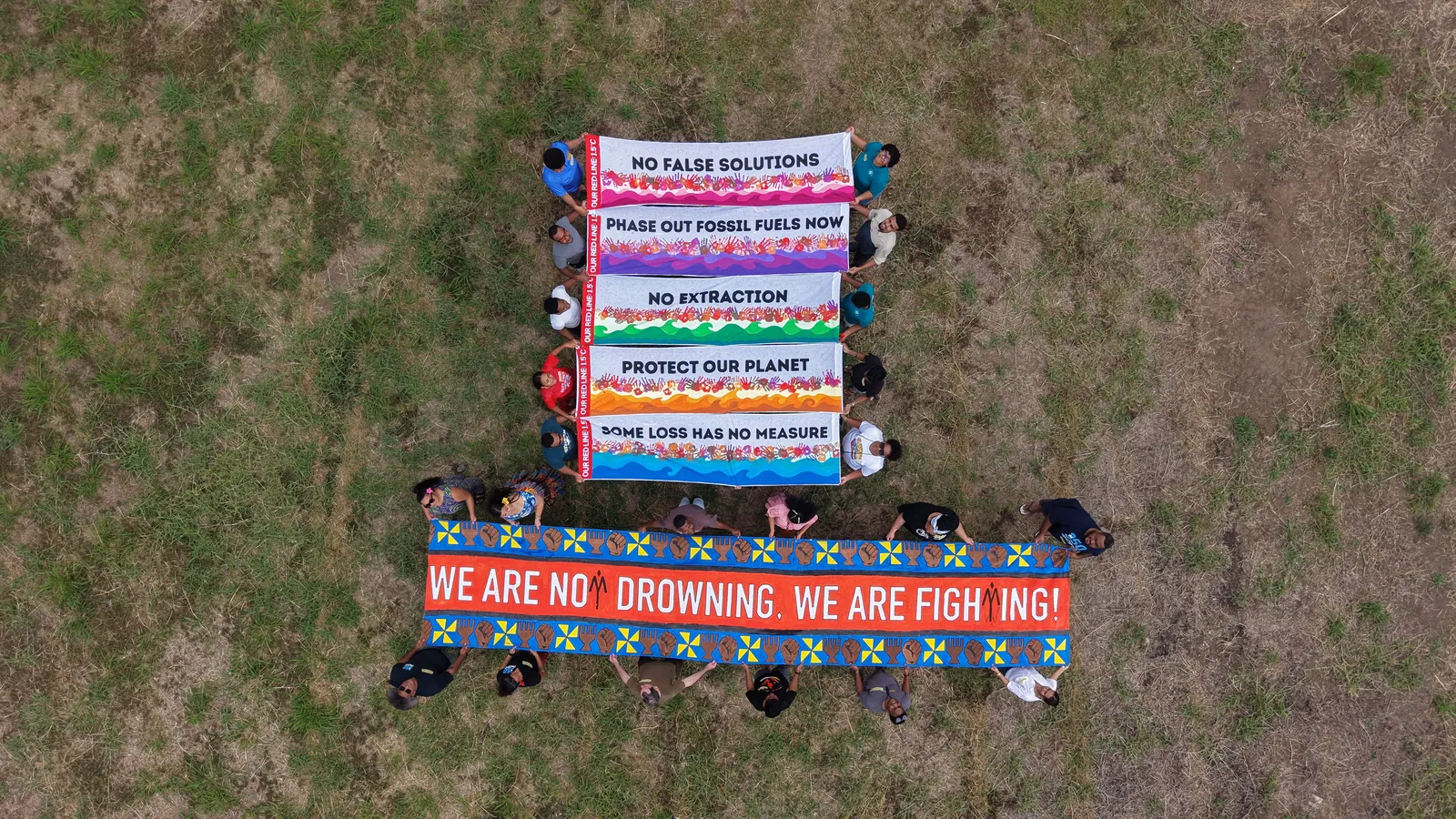
Then in October, at the pre-COP in Fiji, leaders saw first-hand what the climate crisis is already doing to Pacific communities. Pacific advocates sent them off with a clear message: 1.5°C is not up for negotiation, and what they witnessed must translate into a clear path away from fossil fuels and towards renewables at COP31.
What's on the table at COP31
COP31 has been billed as the “implementation COP”. In other words, less about new promises and more about keeping the ones already made, as UN climate chief Simon Stiell puts it. The hosts’ headline priorities are electrification, more energy-efficient cities and putting young people’s voices at the centre.
All worthwhile, but they skip the hardest questions. There are the three issues we think should be central to the COP31 agenda:
1. A permanent end to burning coal, oil and gas
Coal, oil and gas cause around three-quarters of the emissions heating our planet, so without a plan to end them, every other climate pledge falls short. Governments agreed at COP28 in Dubai three years ago to move away from fossil fuels, but never worked out how. A “just, orderly and equitable” transition away from fossil fuels (JOETAFF) is the answer, meaning a fair, well-planned exit, with the richest and most polluting countries going first.
There are encouraging signs. On 3 November, Brazil published the first global roadmap for this transition, concluding that every country can start now, whatever its starting point. A handful of European countries (France, the Netherlands, and Germany) have put forward national plans, though none yet match their historical responsibility, and Pacific leaders are working towards a regional roadmap. The countries that met in Santa Marta are drafting plans of their own. COP31’s job is to turn all this paperwork into action, with real deadlines, money and accountability.
2. How are we electrifying, and who will benefit
Electrification is the COP31 Presidency's flagship goal: it wants electricity to supply 35% of the world's energy by 2035, up from 23% today. Plenty of everyday things, from cars to boilers to factories, still burn oil and gas directly. Electrification switches them to electricity, and done right, it cuts bills and cleans the air.
However, electrification only helps if it replaces fossil fuels rather than adding to them. That means powering electricity with renewables, not new coal and gas plants or false solutions like nuclear and biofuels, and delivering on the COP28 promise to triple renewable energy by 2030. It also means reaching the 660 million people still living without power, and putting clinics, schools and homes ahead of data centres.
3. Who pays for it all
None of this happens without money, and finance is where COP31 really needs to move the needle. In Belém, governments promised to triple funding to help communities adapt to the climate crisis, but set no starting point and gave themselves until 2035. Rich countries are obliged to fund poorer countries’ climate action, yet keep steering talks towards private investment and loans.
Then there’s the Loss and Damage Fund, set up at COP27 in 2022 to help countries recover from climate disasters, and and pay for irrreversible damage caused by climate impacts. It holds under $1 billion in pledges against needs that could reach $400 billion a year. After Nepal’s floods, it set aside just $21.6 million (less than 10% of what was actually needed) and the Fund could run dry by 2027. Climate finance isn’t charity; it’s a responsibility, and wealthy countries and major polluters need to pay their fair share.
What must COP31 deliver?
The two countries running COP31 are meant to lead the world away from fossil fuels, yet neither has a date to stop burning coal. In fact, they’re growing their coal trade with each other and expanding trade in gas. Türkiye knows the cost of climate breakdown first-hand. This year, wildfires burned 8,000 hectares in Antalya alone, some just a few kilometres from where COP31 will take place. So real leadership has to start at home.
We’re calling on Türkiye and Australia to lead by example: announce national plans for a just, orderly and equitable transition away from fossil fuels, with a firm date to end coal. And they should listen to the Pacific, whose message at the pre-COP in Fiji was clear: keep 1.5°C within reach, make sure the electrification goal runs on renewables, and deliver real support for communities facing loss and damage.
Beyond the hosts, we’re asking every government at COP31 for four things:
- Clear plans to end fossil fuels: Building on Belém and Santa Marta, every country should set out a roadmap for a fair exit from coal, oil and gas, with dates the public can hold them to.
- Affordable, secure energy for everyone: Keep existing promises, like tripling renewables by 2030, and put low-income households and workers first. No one should be priced out of the transition.
- Systems built for 100% renewables, fast: More energy efficiency, more power lines and batteries, and electrification that runs on renewables and works for people.
- Finance at the center: Rich, high-polluting countries must provide grants, not loans, so the countries least responsible for the crisis can build clean energy, adapt and recover from loss and damage. Taxing fossil fuel companies’ huge profits can help pay for it.
The time for delay is over
Behind every number here is a person: a family whose home was swept away by floodwater, a farmer watching their crops wither, a parent choosing between food and the energy bill. We cannot afford another year of delay.
The world's eyes will be on Antalya. Raise your voice with us so leaders there cannot look away: end fossil fuels, fund a just energy transition to renewables, and put people and the planet first. Now.
Related blogs
News, stories, and insights from the global climate movement.
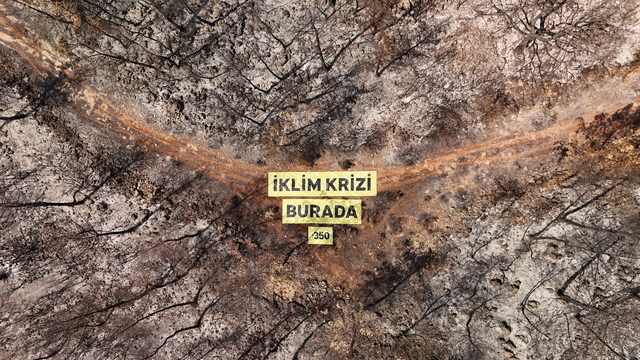
The Climate Crisis Is Here: From Wildfires and Sinkholes to the Seafloor and COP31
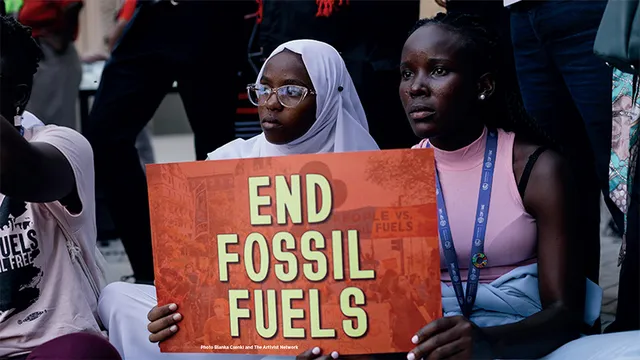
A COP Glossary: What does it all mean? (COP31 Edition)
Join us as we unravel the acronyms and key terms of COP31, the UN's important climate summit in Antalya, Türkiye.
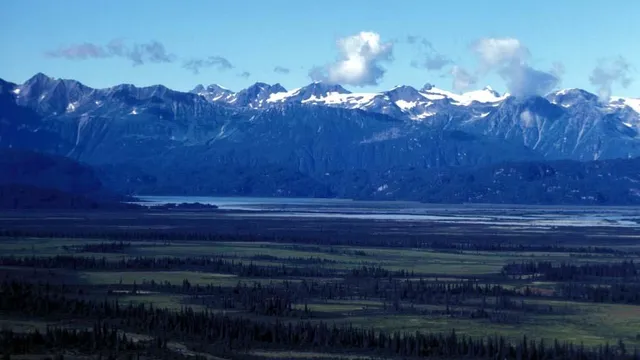
No Baked Alaska for Me, Please
An Indigenous Alaskan’s question for the future of our homeland.
