
Fossil fuel profits are breaking records while families everywhere are opening energy bills they can’t pay. This is the result of political choices that put profit ahead of people. And it doesn’t have to be this way.
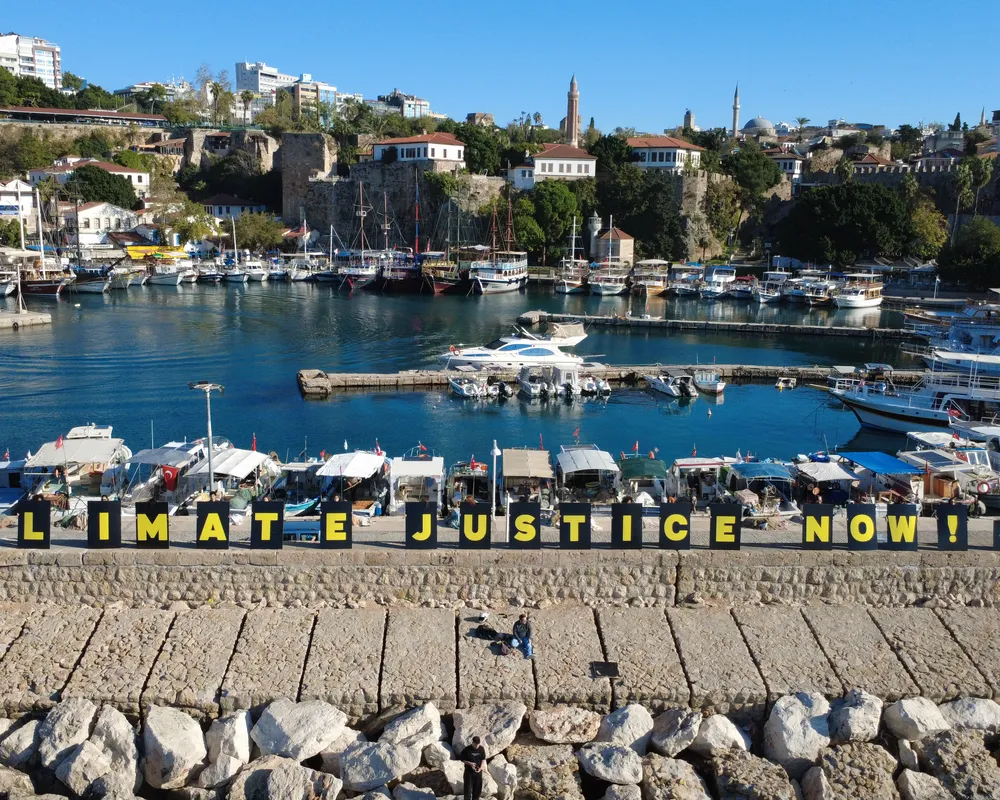
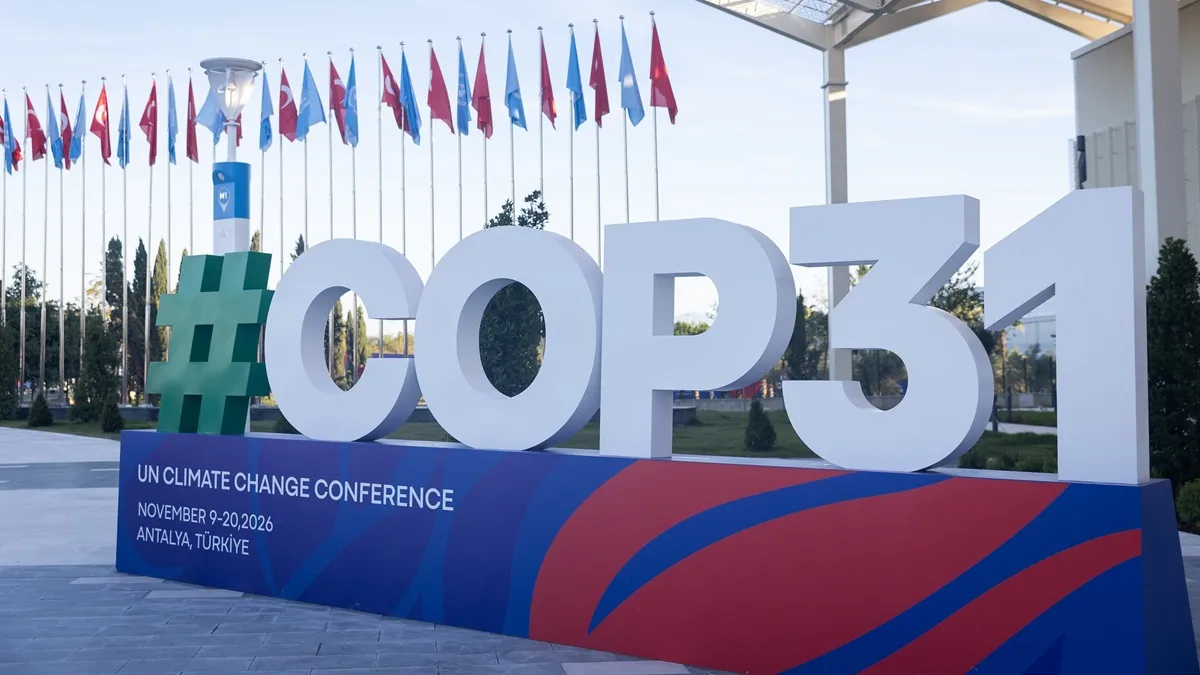
Today, the UN Climate Talks (COP31) officially start, co-hosted by Türkiye and Australia. Both countries remain deeply tied to coal, yet they’re expected to lead the world away from the fuels driving both the cost-of-living crisis and the climate crisis. New to COP, or want the full picture of what’s at stake? Read our COP31 explainer.
The question hanging over this year’s COP is simple. Will the urgent need to phase out fossil fuels be quietly swept under the rug, or will the promises already made finally be put into practice? For years, climate talks have been dominated by commitments. This year, the focus shifts to delivery. It’s messier and more confrontational, but it’s where change either happens or doesn’t.
Roadmaps instead of waiting
Waiting for every fossil fuel-dependent country to agree to phase out fossil fuels could mean waiting forever. So the strategy is to build a coalition of countries willing to move now. The Santa Marta Coalition on the Transition Away from Fossil Fuels was formed after the last COP and now has 57 members. We’re hoping it will pass 70 before the end of the year, with every member committing to develop a roadmap to phase fossil fuels out of their energy systems.
These roadmaps create real leverage. Once a government minister publicly commits to one, we can go back later and ask: “You said you would do this. Where is it?” That turns a diplomatic debate into a political fight at home, and that’s where governments can actually be held to account.
But it can’t be just any transition. Along with the wider climate movement, we’re calling for one that is just, orderly and equitable, backed by sufficient climate finance to support Global Majority countries. Wealthy countries can’t pull up the ladder after they’ve already developed.
Why the word “renewable” matters
We’re joining with partners to push for electrification, while demanding that renewable energy powers it, replaces fossil fuels and brings energy to the people who need it most. We’re deliberately not calling for “clean energy”. It sounds similar, but it’s a dangerous loophole that can include gas, nuclear power, and fossil fuels paired with carbon capture. What we really need is 100% renewable energy.
Electrification also needs a functioning grid. In Türkiye and elsewhere, renewable projects are being held up by outdated infrastructure. We can’t add more wind farms if the power lines can’t carry the electricity they generate. That’s why we’re also calling for better grids and energy storage, backed by the finance needed to build them.
Putting power back in people’s hands
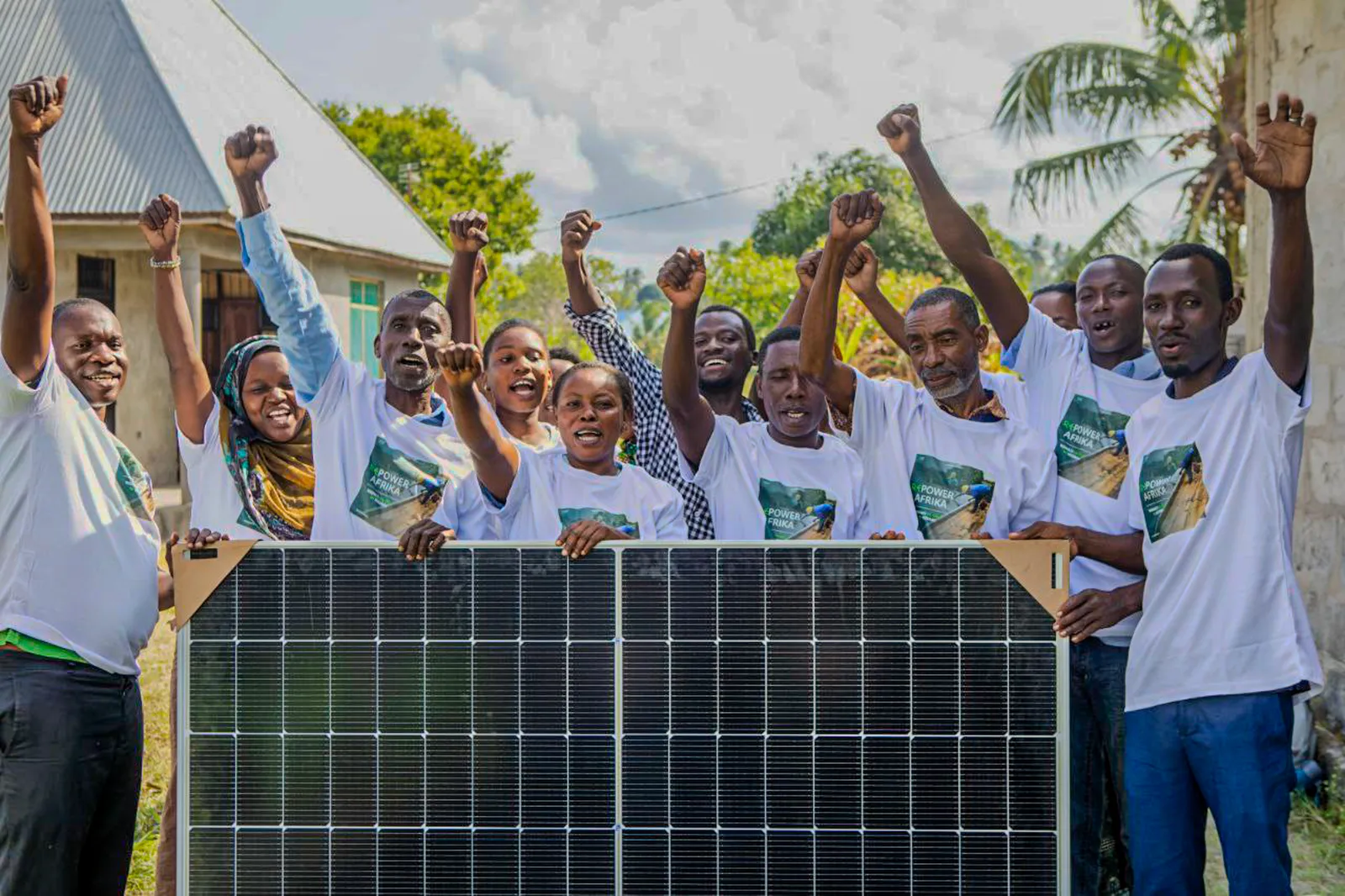
When oil prices spike because of a conflict on the other side of the world, communities in Brazil and families in South Africa shouldn’t be the ones paying the price. Community-owned solar is one answer to reduce that vulnerability to global price shocks, because it literally puts power back into people’s hands. That’s the heart of our Great Power Shift campaign: people having the power, and polluters paying for the damage they’ve caused and ensuring they fund a fair transition.
Inside the negotiations, we’re pushing for adaptation finance to triple to US$120 billion a year, delivered as grants rather than more debt. Countries in the Global South shouldn’t have to borrow money to pay for disasters they didn’t cause. One source of that funding should be permanent taxes on the enormous profits of fossil fuel companies like Chevron and Shell. And it’s not only about raising money. It’s also about making fossil fuel expansion so unprofitable that investment moves to renewables instead.
Speaking up where it’s hardest
Civic space is under threat in Türkiye and around the world, and the most powerful way to reclaim it is by standing together. That’s why we’re working with grassroots groups to strengthen the democratic movement for a livable and fair future.
On 14 November, at the People’s Climate March in Antalya will bring the local and global climate movement together to deliver a clear message to COP31: “We are watching you.” The 350 Türkiye team will help make sure all our collective voices are heard.
The People’s Climate Summit will run alongside the negotiations in Antalya from 14 to 18 November, providing a grassroots space for people to come together. 350 will be there, supporting story circles and film screenings that centre frontline voices, connecting struggles across the world into a united front against the fossil fuel industry.
Follow us on WhatsApp to get updates directly from our campaigners at COP31, and ways to take urgent action.
Why this fight matters
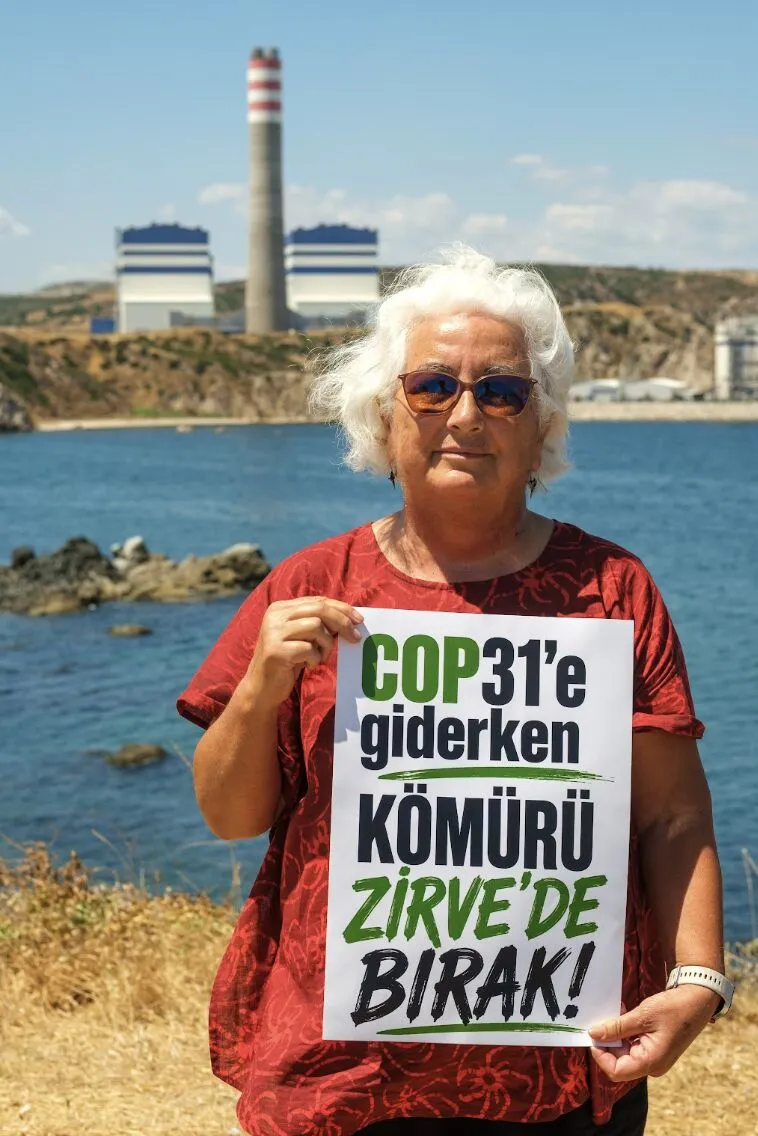
Coal projects in Türkiye are cutting into olive-growing areas that communities have depended on for generations. It’s a powerful illustration of what’s at stake. The fossil fuel system is damaging the roots of our communities to protect an economic model that is already becoming obsolete. We are not only fighting for a lower number on a thermometer. We’re fighting for a future where those roots can survive, and we won’t settle for less.
What happens in Antalya won’t stay in Antalya. Next year’s COP32 in Ethiopia is set to be a big moment for delivering on climate commitments.But if finance and adaptation commitments aren’t met this year, those negotiations will be starting on shaky ground too. We can’t afford to lose any more time.
What you can do
Join the growing pressure on the two COP31 presidents. Sign the petition and demand that Australia and Türkiye lead by example in delivering a fair transition away from fossil fuels.
Related blogs
News, stories, and insights from the global climate movement.
Hey wait…you going for another climate conference?
350.org Managing Director Savio shares insights from COP31 in Antalya, Türkiye, explaining what happens at UN climate summits and why rich nations must deliver on climate finance promises.
A new website for 350.org
Find out why we rebuilt our site, what's new, and how you can keep up with the stories and actions that matter - from COP31 and beyond.
COP31 starts in Türkiye: Why we can't afford any more climate delay
COP31 kicks off in Antalya, Türkiye, on 9 November. Here’s what’s at stake, what’s on the table, and what world leaders must deliver at the UN climate summit.
