
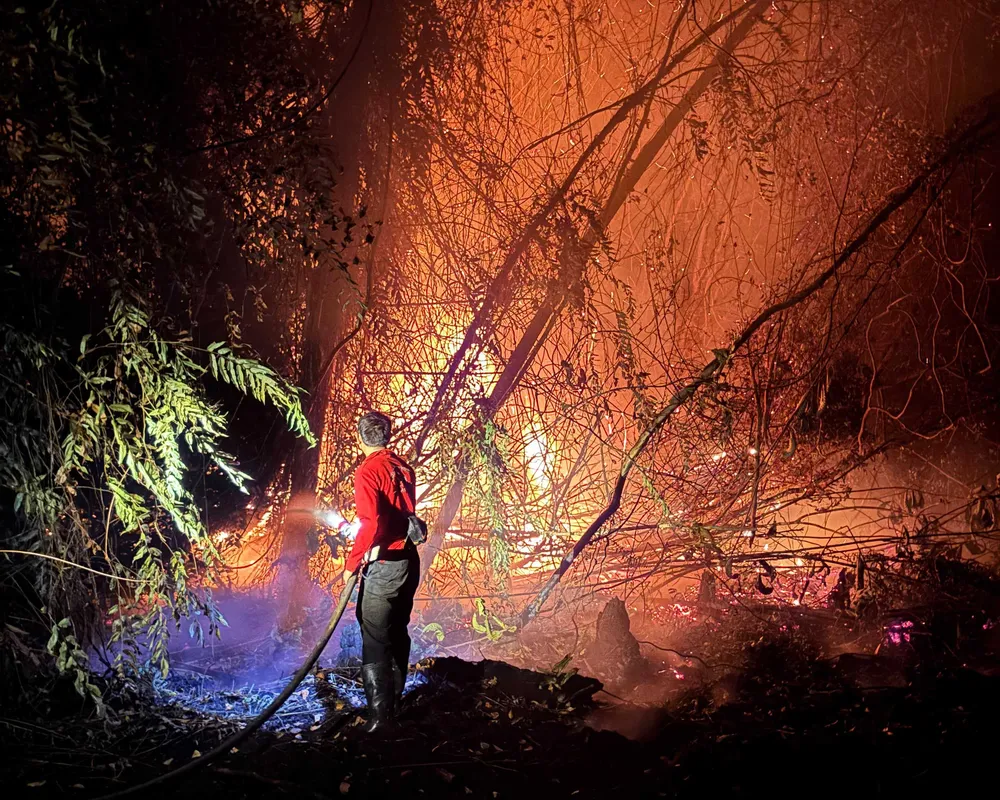
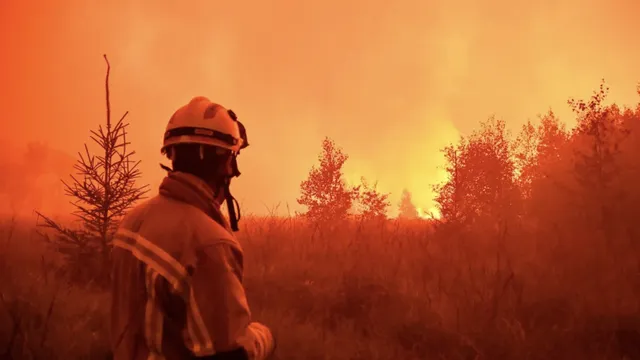
Every wildfire season, I watch the smoke arrive. This year, the fires have gotten worse.
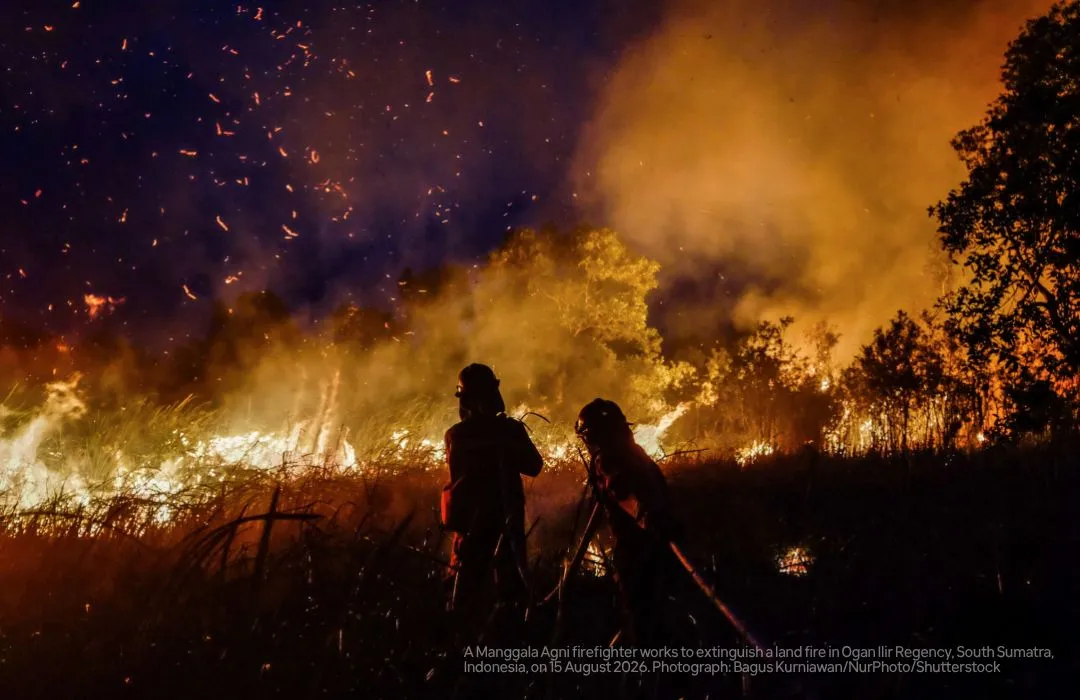
More than 12.5 million people across seven Indonesian provinces have been affected by the fires. The haze has also reached Malaysia, Singapore, Brunei and the Philippines. Schools have closed or moved online, while communities face dangerous air pollution and rising respiratory illness.
The fires are also destroying critical habitat for Bornean orangutans. Fires are burning in rainforests containing 13 of the 20 largest remaining orangutan populations, and conservation experts warn that thousands more could be killed, injured or displaced without urgent action.
These fires don’t stop at national borders. Neither should our solidarity.
This crisis is not inevitable
These fires are not simply natural disasters. Land clearing and drained peatlands make them more likely and harder to stop, while extreme heat and El Niño can worsen conditions.
Indonesia and neighbouring countries have lived with this crisis for decades. Communities face recurring haze, dangerous air pollution and the loss of forests and wildlife. Governments cannot keep treating every fire season as business as usual.
That frustration is now spilling into the streets. On October 20, students and demonstrators protested in several Indonesian cities, demanding stronger government action over the fires and toxic haze.
“I have the right to breathe. Extinguish the fires immediately,” read one protester’s message.
Their anger reflects what communities have endured for weeks: polluted air, illness and disrupted livelihoods. The Indonesian government must listen and act.
We need stronger forest and peatland protection, investment in fire prevention, and support for communities facing the impacts. Governments must also address the wider climate crisis that intensifies extreme heat and drought.
COP31 must turn promises into action
This November, Türkiye will host COP31 in Antalya, with Australia leading the negotiations. Both countries know the devastating costs of wildfires. Australia experienced the Black Summer fires of 2019-20, while Türkiye’s Mediterranean coast was hit by severe fires in 2021.
As COP31 Presidencies, they have an opportunity to push governments to turn climate commitments into action. The Indonesian government also has a direct responsibility to protect forests and peatlands, prevent fires and hold those responsible for forest destruction accountable.
We’re calling on the Indonesian government, Australia and Türkiye, and all governments attending COP31 to:
- Protect people from climate impacts now. The Indonesian government must strengthen forest and peatland protection and fire prevention. COP31 governments must support restoration and regional cooperation to tackle fires and toxic haze.
- Make polluters pay. Wealthy, high-emitting countries must deliver adequate climate finance for adaptation and loss and damage, including support for communities on the frontlines. Tax fossil fuel corporations’ excess profits to fund climate action.
- Turn climate promises into action. COP31 must secure sustained funding for forest protection, so communities aren’t left facing the consequences of inaction year after year.
When Indonesia’s forests burn, the impacts reach far beyond its borders. Communities across Southeast Asia deserve clean air, protected forests and governments that act before another fire season brings another crisis.
We need everyone to help us demand urgent action from the Indonesian government, and world leaders to protect communities, forests, and wildlife.
Related blogs
News, stories, and insights from the global climate movement.
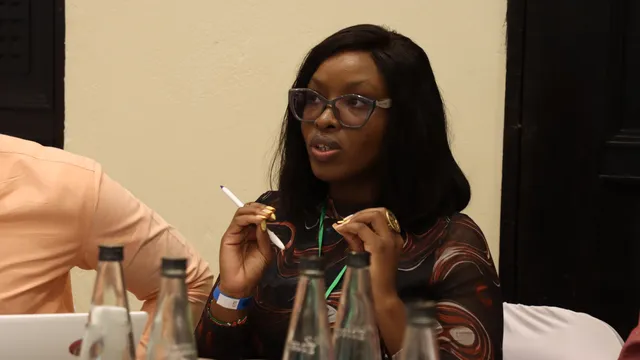
African Symposium on Climate Reparations
Africa is on the frontlines of a climate crisis it did not create. True climate action requires more than promises - it demands accountability, equity, and repair.
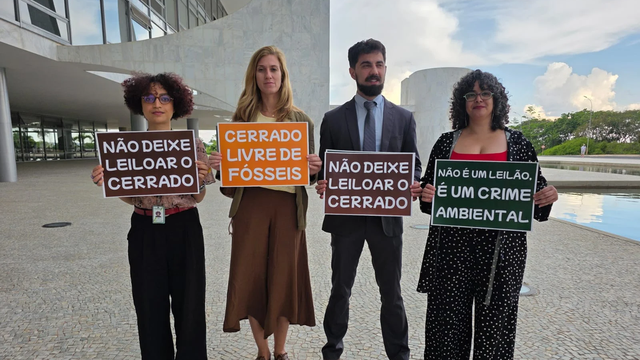
The Cerrado Is Not for Sale
Explore the upcoming gas auction in Brazil and its implications for Indigenous lands and the environment in Maranhão.
Keeping Safe from Fires and Liars
Explore the connection between climate crises and disinformation as experts discuss current challenges and their impacts.
