
Wildfires, drying water sources, collapsing ground, shrinking lakes, warming seas…
We don't have to wait for the future to see the impacts of the climate crisis. Across Türkiye, the changes unfolding in different regions reveal how the crisis is already transforming our lives and ecosystems.
As 350 Türkiye, through our The Real Cause: Fossil Fuels campaign, we are taking the same message to different corners of the country: The Climate Crisis Is Here.
From the forests devastated by wildfires in Antalya to the sinkholes forming across the Konya Plain, from the receding shores of Lake İznik to the changing marine life in the Gulf of Saros, these seemingly different landscapes tell the story of a shared crisis.
As long as our energy system remains dependent on coal, oil and gas, the planet will continue to warm, and these impacts will only become more severe.
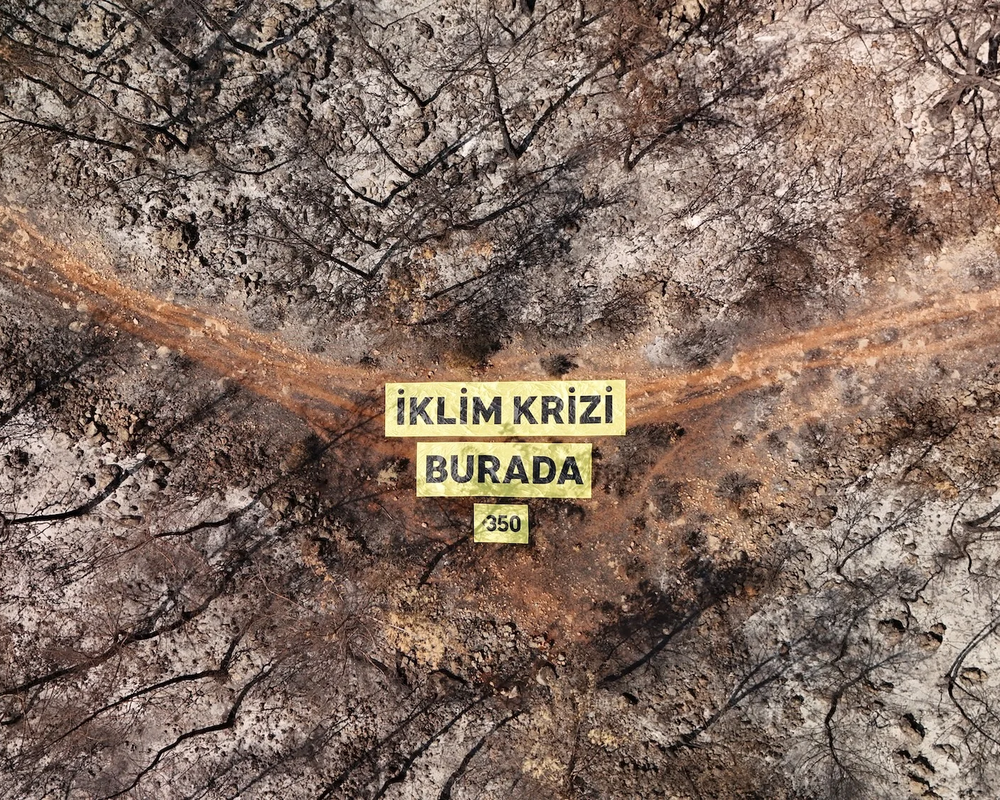
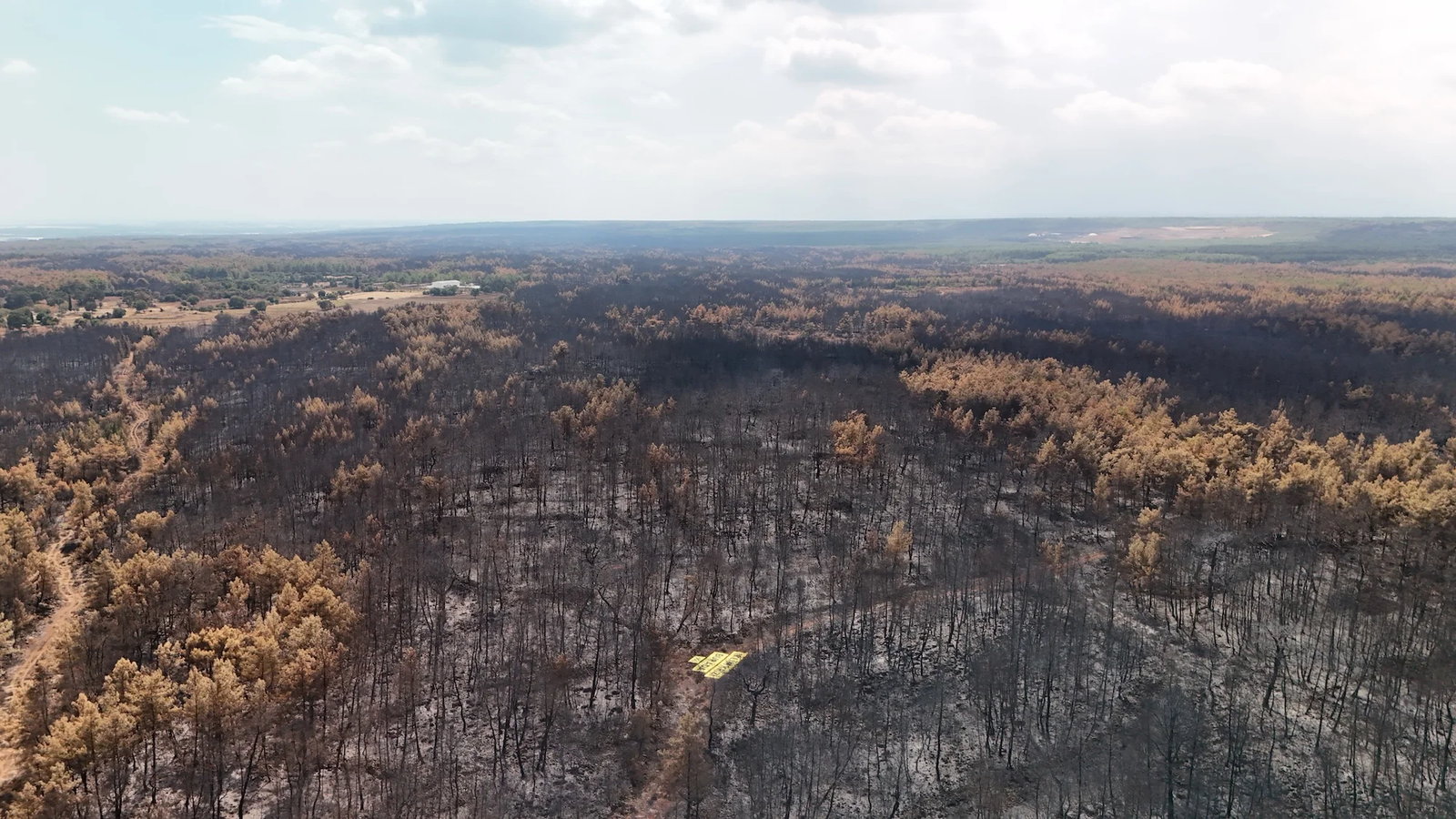
Antalya: The Climate Crisis Is Burning Our Home
On 7 September, a wildfire broke out in the Aksu district of Antalya. It took 67.5 hours to bring the fire under control. In its aftermath, we visited the burned area and unfurled our banner: “The Climate Crisis Is Here.”
Rising temperatures, longer heatwaves and drought are creating increasingly favourable conditions for wildfires to ignite and spread rapidly.
Mustafa Necati Baş, Head of the Western Mediterranean Branch of the Foresters' Association of Türkiye, points out that 8,000 hectares of land in Antalya have been affected by wildfires this year. According to Baş, tackling wildfires can no longer be seen solely as a matter of forestry policy. It must also be addressed through energy, agriculture, urban planning and tourism policies.
What we witnessed in the aftermath of the fire brought home a stark reality: The climate crisis is burning our home.
And these devastated areas lie just a few kilometres from where COP31, the UN Climate Change Conference presided over by Türkiye, will take place.
When world leaders gather in Antalya this November to discuss the climate crisis, the destruction just beyond the summit venue will serve as a powerful reminder that promises must now translate into concrete action.
Konya: The Water Crisis Is Visible on the Surface
Our journey to document the impacts of the climate crisis also took us to the Konya Plain.
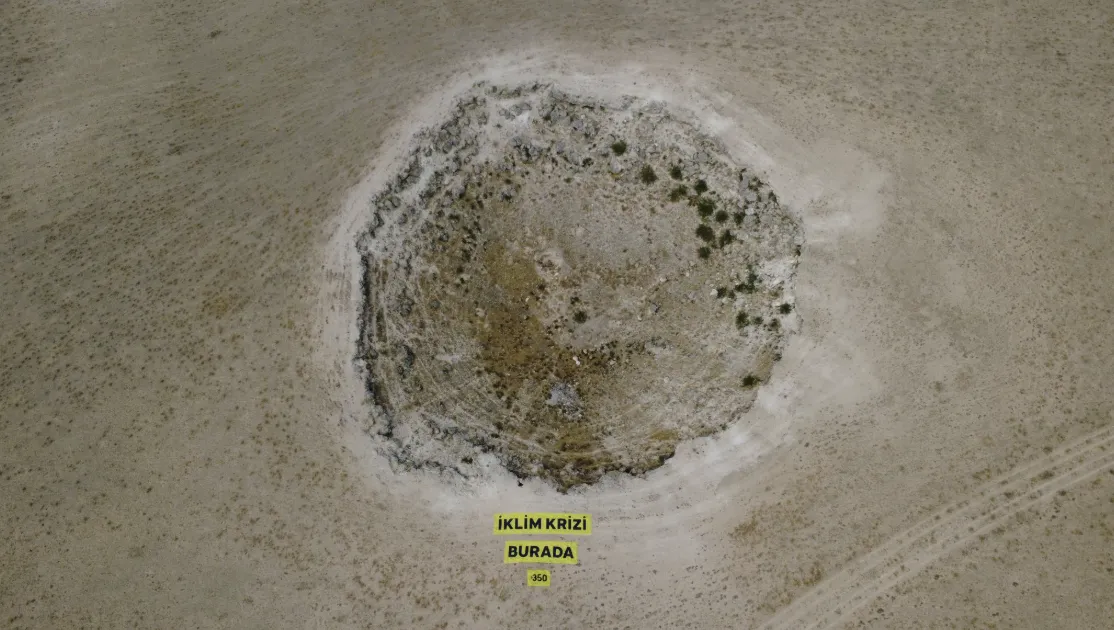
In the Konya Closed Basin, the water crisis is no longer visible only in falling groundwater levels. It is now appearing on the surface, in the form of sinkholes.
According to Türkiye's Disaster and Emergency Management Authority (AFAD), the number of recorded sinkholes in the basin has reached 741.
Declining rainfall and rising temperatures are putting increasing pressure on water resources, while excessive groundwater extraction for agricultural irrigation is making the problem worse.
Dr. İrem Daloğlu Çetinkaya of Boğaziçi University describes this as a “two-sided water crisis”: on one side, declining rainfall driven by climate change; on the other, growing water consumption.
The Konya Plain makes one thing clear: the climate crisis is not a scenario for the distant future. Drought and mounting pressure on water resources are already directly affecting people's livelihoods and agricultural production.
Lake İznik: A Living Ecosystem Shrinking Before Our Eyes
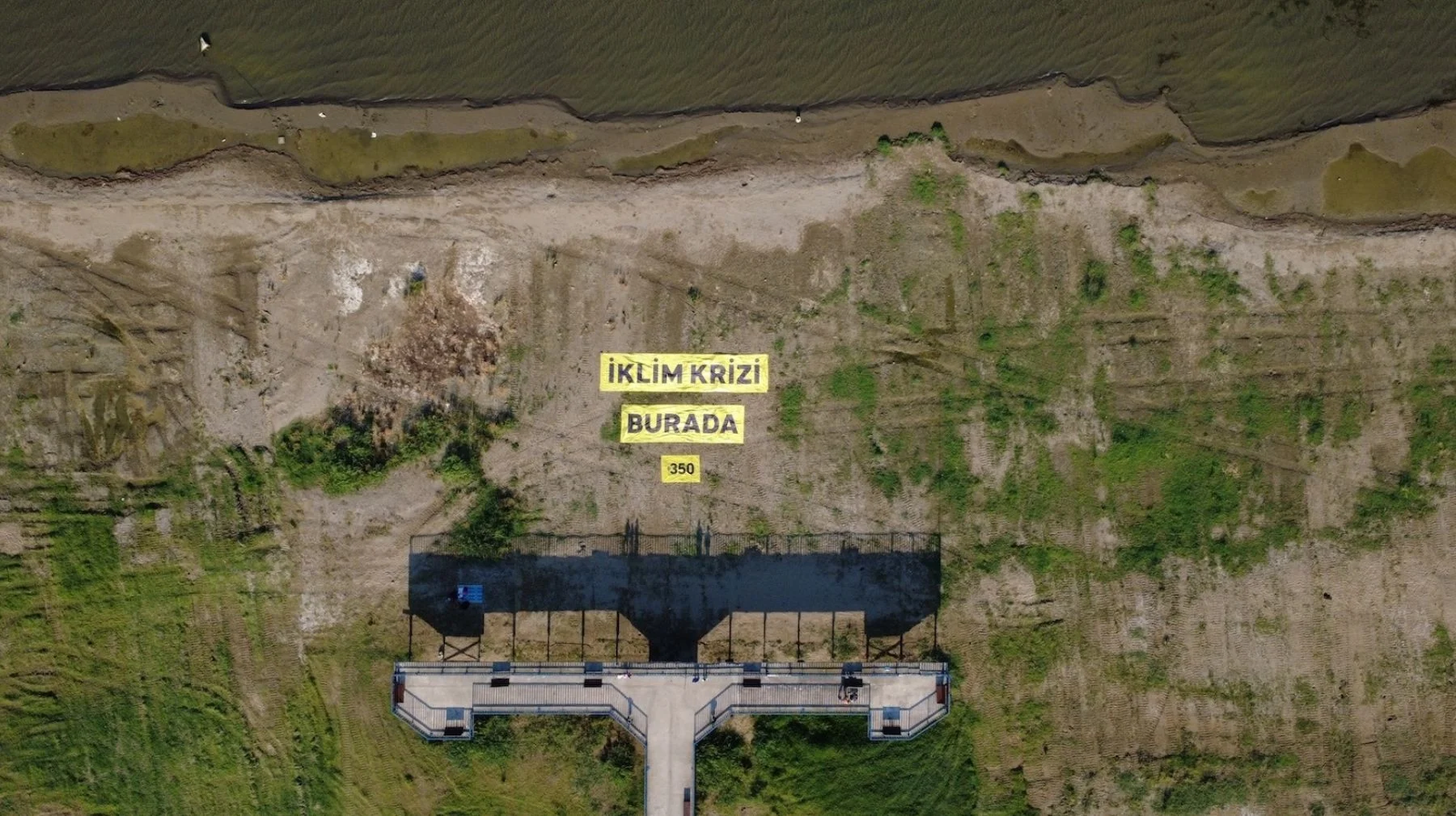
Lake İznik is shrinking before our eyes.
As the water recedes, it is not just the lake itself that is disappearing. The wildlife it supports and the communities that depend on it are also suffering. Where water once covered the landscape, dry shorelines now stretch across the land.
Rising temperatures, changing rainfall patterns and drought are placing growing pressure on the water sources that feed the lake. As water levels fall, the lake's ecosystem and the life it sustains are increasingly at risk.
We often talk about the climate crisis as though it were a problem we will face sometime in the future. But its impacts are already here: in Lake İznik, in our forests, across our agricultural lands and in our everyday lives.
Turan Yılmaz, who was born and raised in İznik, describes how the climate crisis is affecting his home:
"Global warming is happening around the world. Glaciers are melting, and temperatures have risen by one or two degrees. As a result, evaporation from Lake İznik has increased significantly. In the past, our fathers, grandfathers and ancestors could grow vegetables on the hillsides without any irrigation, relying solely on rainfall. Now that rain is gone. Everyone is constantly checking their phones, waiting to see whether it will rain today."
From the shores of Lake İznik, we are repeating our message once again:
The Climate Crisis Is Here. The Real Cause: Fossil Fuels.
Saros: The Climate Crisis Beneath the Waves
The impacts of the climate crisis are not confined to land.
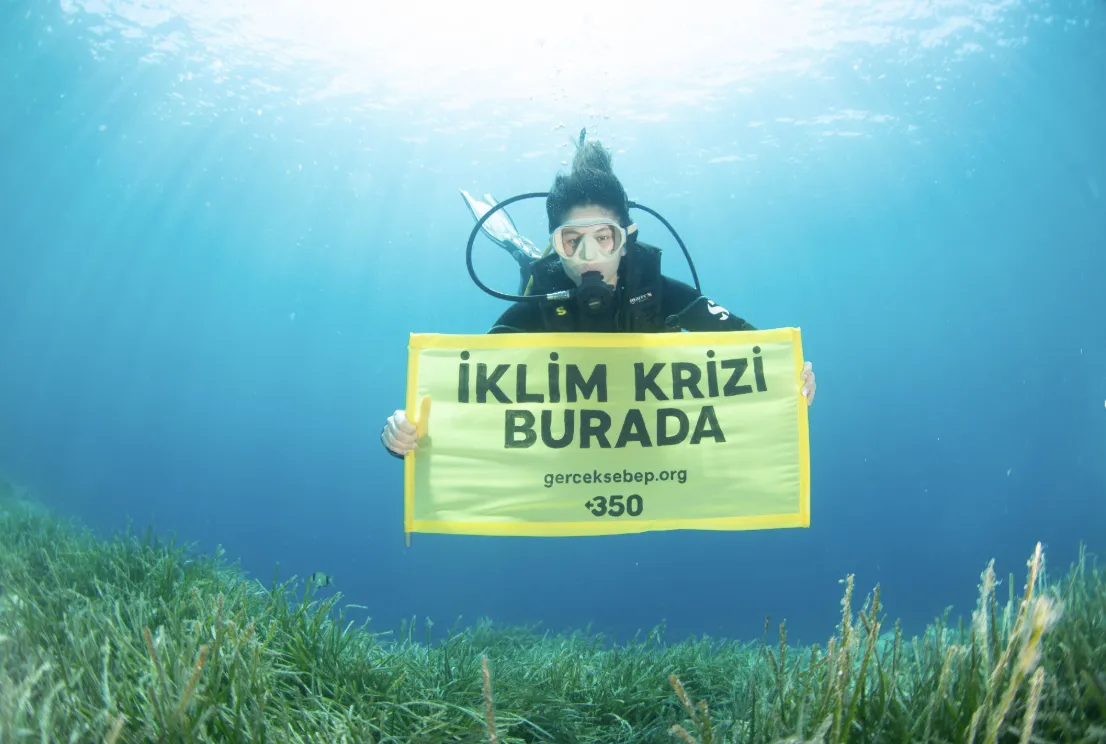
Ezgi Adanç, who has been diving in the Gulf of Saros for years, has witnessed rising sea temperatures, coral bleaching, fish deaths and the growing presence of invasive species.
The Mediterranean is one of the marine regions experiencing the most rapid impacts of climate change. Warming seas are disrupting the balance of marine ecosystems and making the habitats of many species increasingly vulnerable.
This time, we delivered our message from beneath the waves:
The Climate Crisis Is Here. The Real Cause: Fossil Fuels.
The droughts and wildfires we experience on land are not disconnected from the changes taking place beneath the sea. They are different manifestations of the same crisis.
Different Places, One Shared Crisis
The forests burning in Antalya, the ground collapsing in Konya, the receding waters of Lake İznik and the changing marine life in Saros all tell us the same thing:
The climate crisis is not a distant threat. It is happening now.
And at the root of this crisis is an energy system built on fossil fuels.
As long as we continue burning coal, oil and gas, temperatures will keep rising, intensifying droughts and wildfires and accelerating the loss of ecosystems.
COP31: Turning Promises into Action
This November, Türkiye will host COP31 in Antalya, while Australia will preside over the negotiations.
For COP31 to become a genuine turning point, the transition away from fossil fuels must be at the heart of the summit's agenda.
At 350 Türkiye, our demands are clear:
We need a concrete deadline for phasing out coal, a comprehensive roadmap for transitioning away from all fossil fuels, and an accelerated, just transition to renewable energy.
The impacts of the climate crisis are already visible across Türkiye.
The climate crisis is here.
The real cause is fossil fuels.
Join us in demanding a rapid, just and planned transition away from fossil fuels.
Related blogs
News, stories, and insights from the global climate movement.
A COP Glossary: What does it all mean? (COP31 Edition)
Join us as we unravel the acronyms and key terms of COP31, the UN's important climate summit in Antalya, Türkiye.
No Baked Alaska for Me, Please
An Indigenous Alaskan’s question for the future of our homeland.
Grassroots Comics for Climate Justice
Written by Tanzanian cartoonist Nathan Mpangala, the blog details a two-day Grassroots Comics on Climate Action workshop held on October in Dar es Salaam. The initiative was part of the REPower Tanzania campaign, supported by 350 East Africa.
