
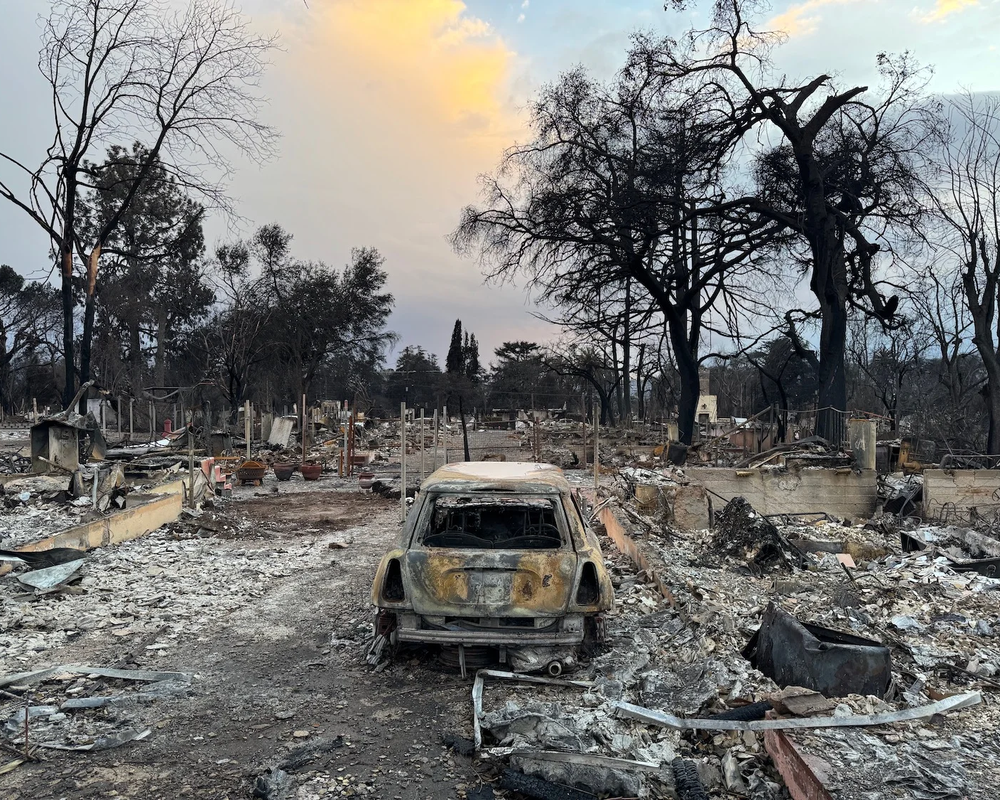
Anthony Mitchell Sr. was a resident of the Altadena neighborhood of Los Angeles. He was a 67-year old dedicated father of two sons, a salesman and known master of the grill. Anthony Sr. was also an amputee who relied on his wheelchair along with one of his sons, Justin, who had cerebral palsy.
On January 7th 2025, as the Eaton fire reached the backyard of his home and with no emergency services able to reach them, Anthony and Justin had mere minutes to make a decision. Anthony Sr. had more mobility with his wheelchair but would not in any circumstances leave without his son who needed assistance to evacuate. Although Anthony Sr.’s decision showed the ultimate devotion to his son, it also proved deadly as both Anthony and Justin perished in the blaze, unable to get any other timely assistance.
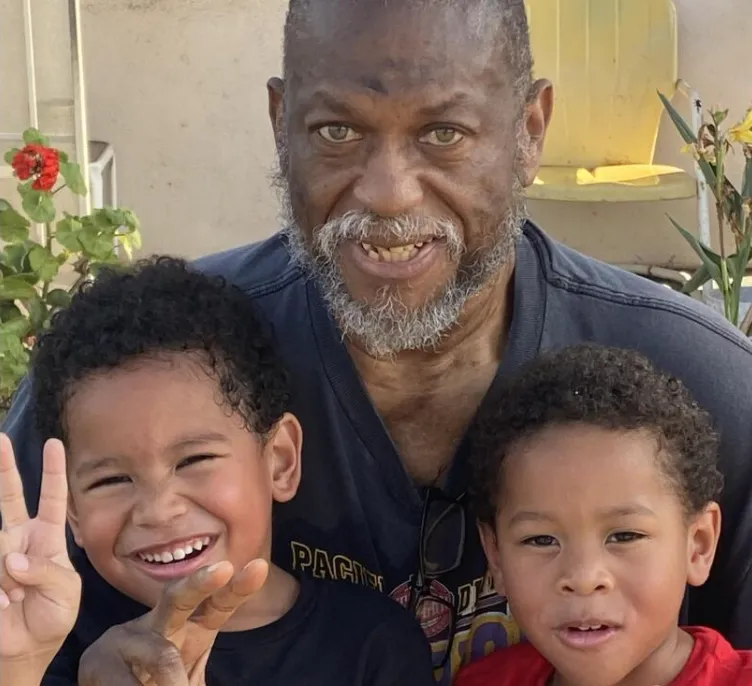
This story has haunted me since I first heard it along with similar tragic events during the LA Fires with a majority of the victims being vulnerable due to circumstances related to age, disability or houselessness. In total, 29 people were killed in the Eaton and Palisades fires according to the medical examiner.
In addition to the death toll, the severity of the impact of the Eaton and Palisades fires is still difficult to grasp. Over 100,000 LA residents were displaced and 155 square kilometers burned. An estimated 10,000 homes were destroyed including some entire neighborhoods. Anthony’s neighborhood of Altadena was amongst one of the hardest hit neighborhoods where the Eaton fire destroyed more than 6,000 homes, causing 40 billion dollars in damage.
Broken systems worsen the crisis
As extreme weather events continue to accelerate both in voracity and scope in the US, some of our already faulty institutions that we once considered safety nets and resources are barely applicable. FEMA recently denied requests to match 100% of North Carolina state funding to support recovery efforts from Hurricane Helene and were criticized for delays in giving critical resources in the aftermath of the flood in Central Texas that claimed more than 120 lives. The EPA has eroded its foundational principles with the repeal of the landmark endangerment finding. And in what is most alarming, we are bearing witness to a militarized global pursuit of oil led by the US government as the planet continues to burn.
Extreme weather has also brought on an unprecedented housing insurance crisis with exorbitant rate hikes with impacts in places like New Orleans where 25,000 residents have left their homes due to abusive rates that are often double or triple the cost of their mortgage. At least 36 insurers in seven states have announced they will either pause writing new policy or completely exiting the state markets.
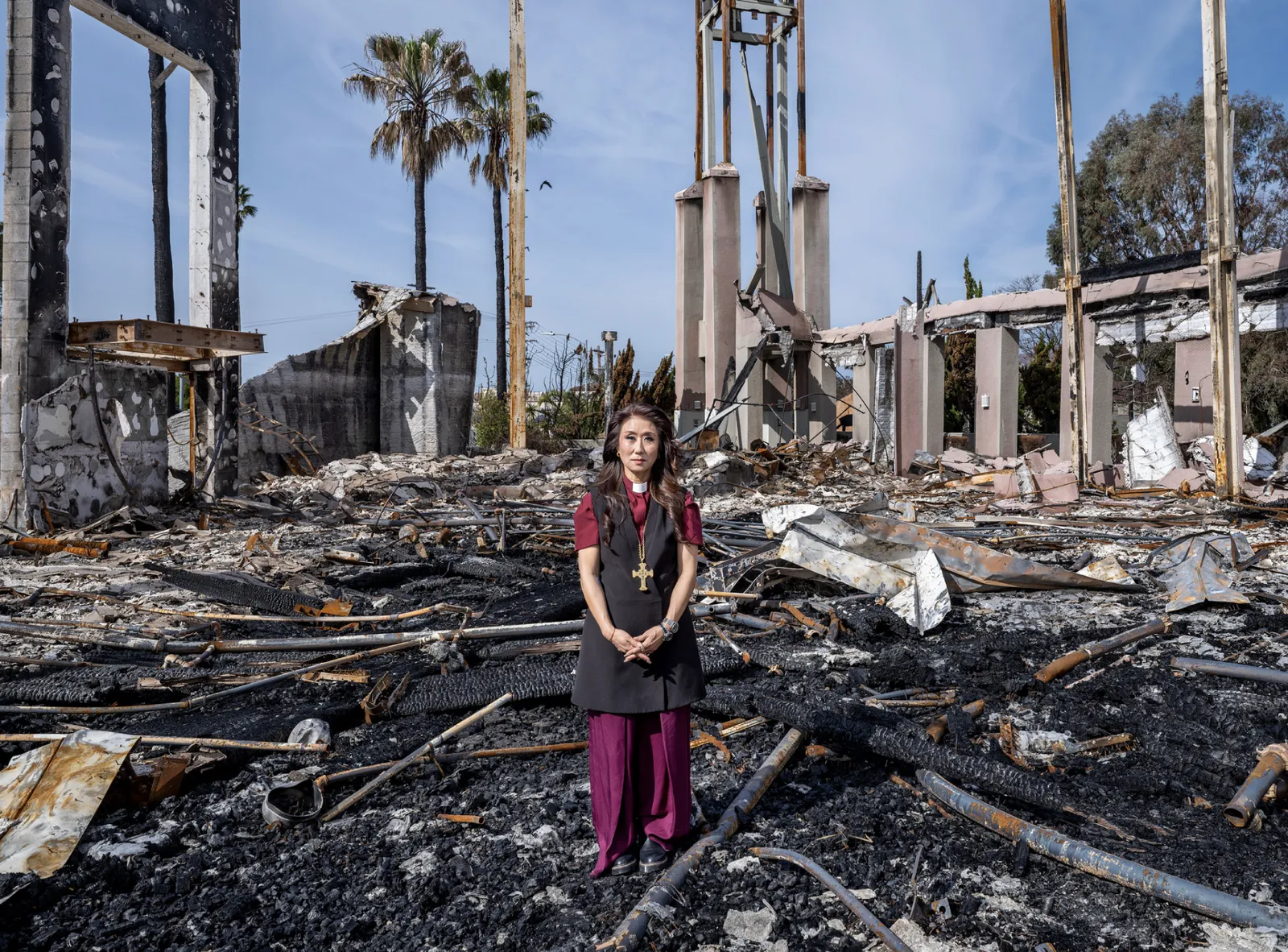
Strong communities save lives
In these uncertain times, it is paramount that we work on resourcing and fortification in our own communities. Mutual aid frameworks have long stood as testaments of methods to not only sustain communities but fortify them in movements throughout history from the Civil Right Movement and the height of the AIDS crisis in the 80’s and 90’s. What does it look like to know our neighbors a bit better and have an understanding of who is most vulnerable? What does it look like to train citizens on disaster relief protocols so they are better prepared? What does it look like to share survival skills with each other?
We have seen examples throughout the U.S. of everyday citizens stepping up to support each other during and after extreme weather events. We have the ability and learned history to create the frameworks that work for us and can sustain and in some cases, save lives. Existing mutual aid groups like BeLoved Asheville in Asheville, NC readily answered the call providing supplies, food and temporary shelter to those displaced by Hurricane Helene. During the Texas floods at Camp Mystic, Coast Guard rescue swimmer Scott Ruskan utilized his training to pull 165 people from floodwaters that went up to 23ft. College senior Emma Folz ensured 14 campers reached safety ahead of the flood surge at Camp Mystic.
Eaton fire survivor Felicia Ford, a mother of 5 who lost her home in the blaze said it best and succinctly to Prism Reports:
“Community is the best infrastructure we could have. Without community, we have nothing.”
Related blogs
News, stories, and insights from the global climate movement.
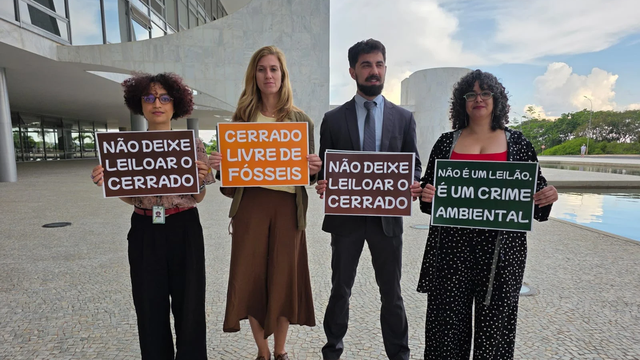
The Cerrado Is Not for Sale
Explore the upcoming gas auction in Brazil and its implications for Indigenous lands and the environment in Maranhão.
Keeping Safe from Fires and Liars
Explore the connection between climate crises and disinformation as experts discuss current challenges and their impacts.
UNGA: A week that laid bare the world’s fault lines, climate crisis all over it
From war to the accelerating climate crisis, this year’s UN General Assembly felt less like a tour through the fault lines shaping the world.
