
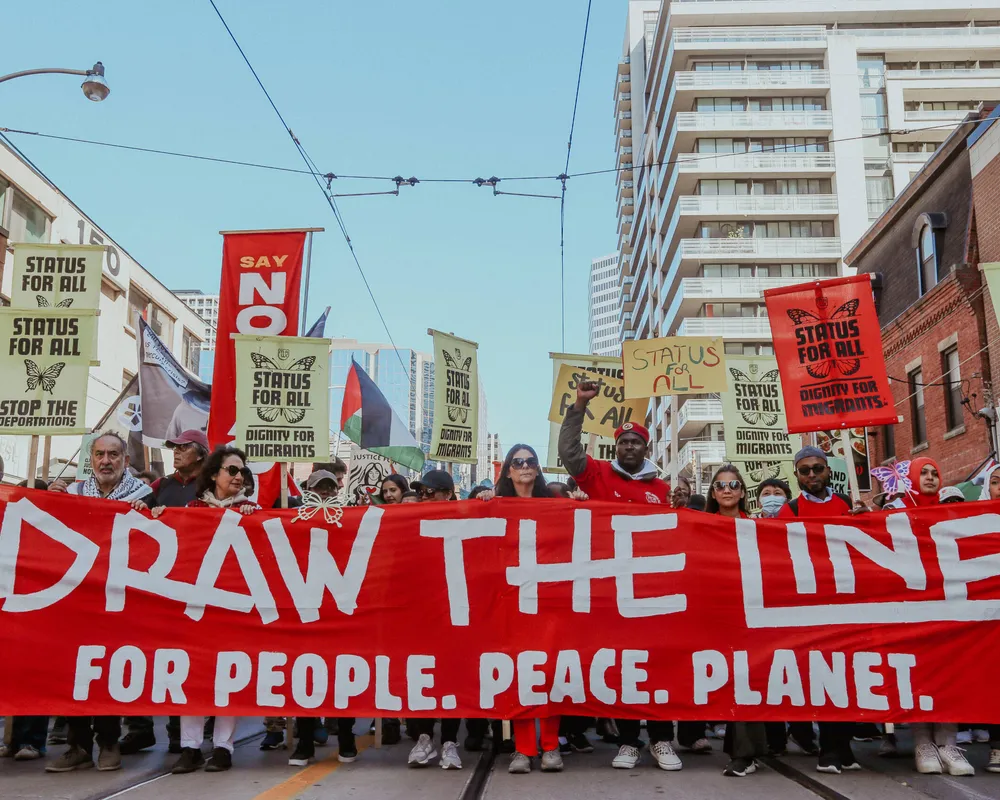
We are living in extraordinary times. And I don’t mean the political, social, and climate upheaval you see in the news every day.
What feels truly extraordinary is the ability of people to come together, demand change, stay resilient even in the hardest moments, and keep pushing forward despite the backsliding of those in power.
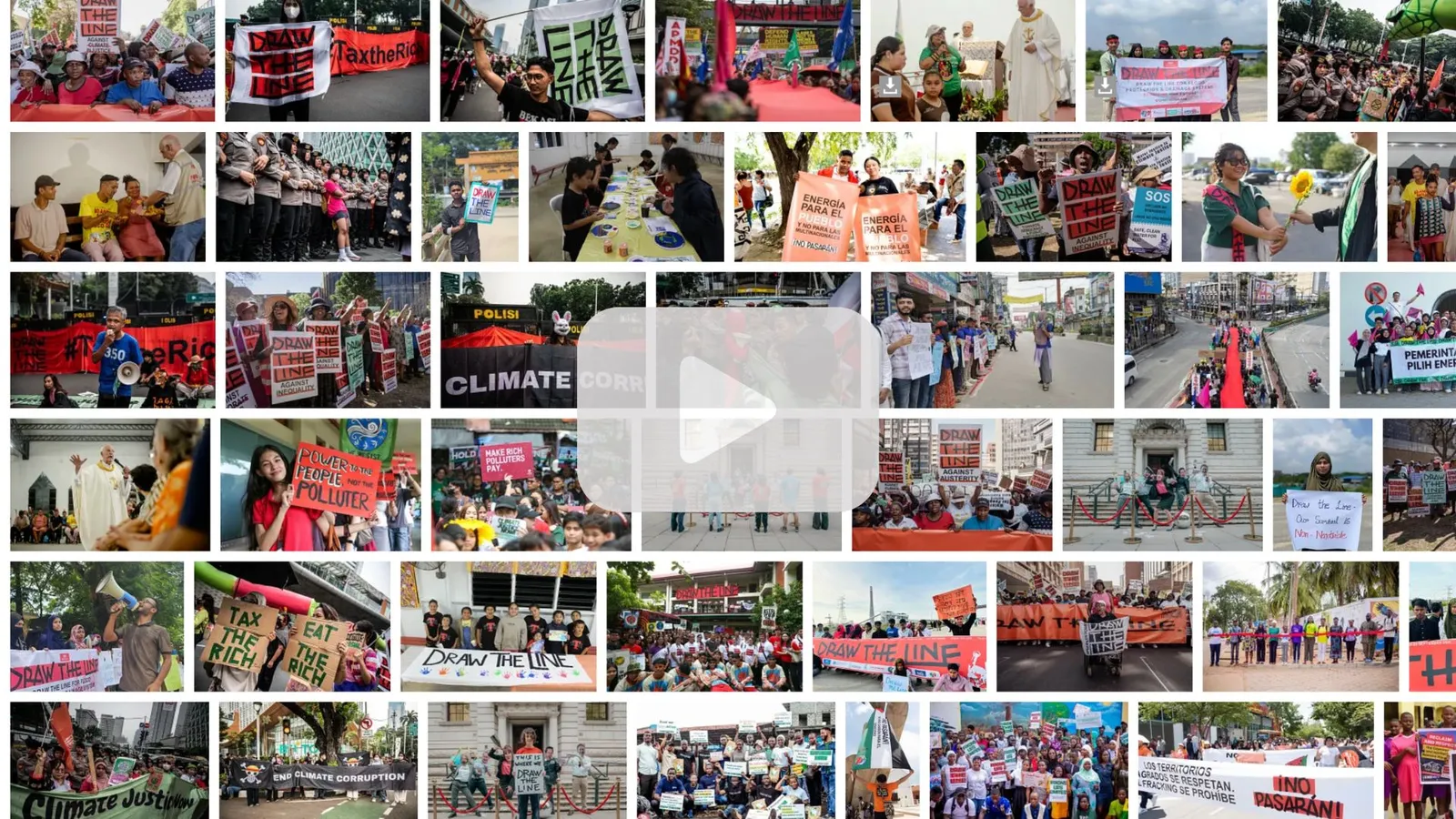
In the past weeks, that spirit filled the streets. Across six continents, in more than 85 countries, hundreds of thousands of ordinary people rose up under one shared banner called Draw the Line. For justice, equality and peace. For clean energy solutions. For a safe and liveable future.
We showed that a better world is within reach, one where everyone, not just a privileged few, can thrive. Despite distractions and contradictions, we all moved together – workers and migrants, Indigenous Peoples and frontline defenders, and communities suffering from genocide, exploitation and violence.
Now our call turns to world leaders. When they meet for COP30, the UN Climate Talks in Brazil in just a few weeks, they must finally turn promises to reality: end the fossil fuel era, make polluters and the ultra-rich pay, fund people-led solutions, and protect our rights, lands, and democracy.
Read on for some Draw the Line highlights from around the globe and discover true people power in action.
Sign up for our newsletter to get these updates first!
Movement Updates Discover our latest actions demanding climate solutions & energy justice
Africa
The entire African continent roared with peaceful resistance and hope. Over 100 actions in South Africa, Kenya, Benin, Senegal, Ghana, Democratic Republic of Congo (DRC) and beyond demanded: kick out fossil fuel colonialism and deliver people-powered renewables. In Johannesburg, workers, youth and faith leaders tied energy injustice to food, housing, and healthcare; in Nairobi, 2,000 turned the streets into a festival of music and dance and in Benin, striking murals denounced corporate exploitation.
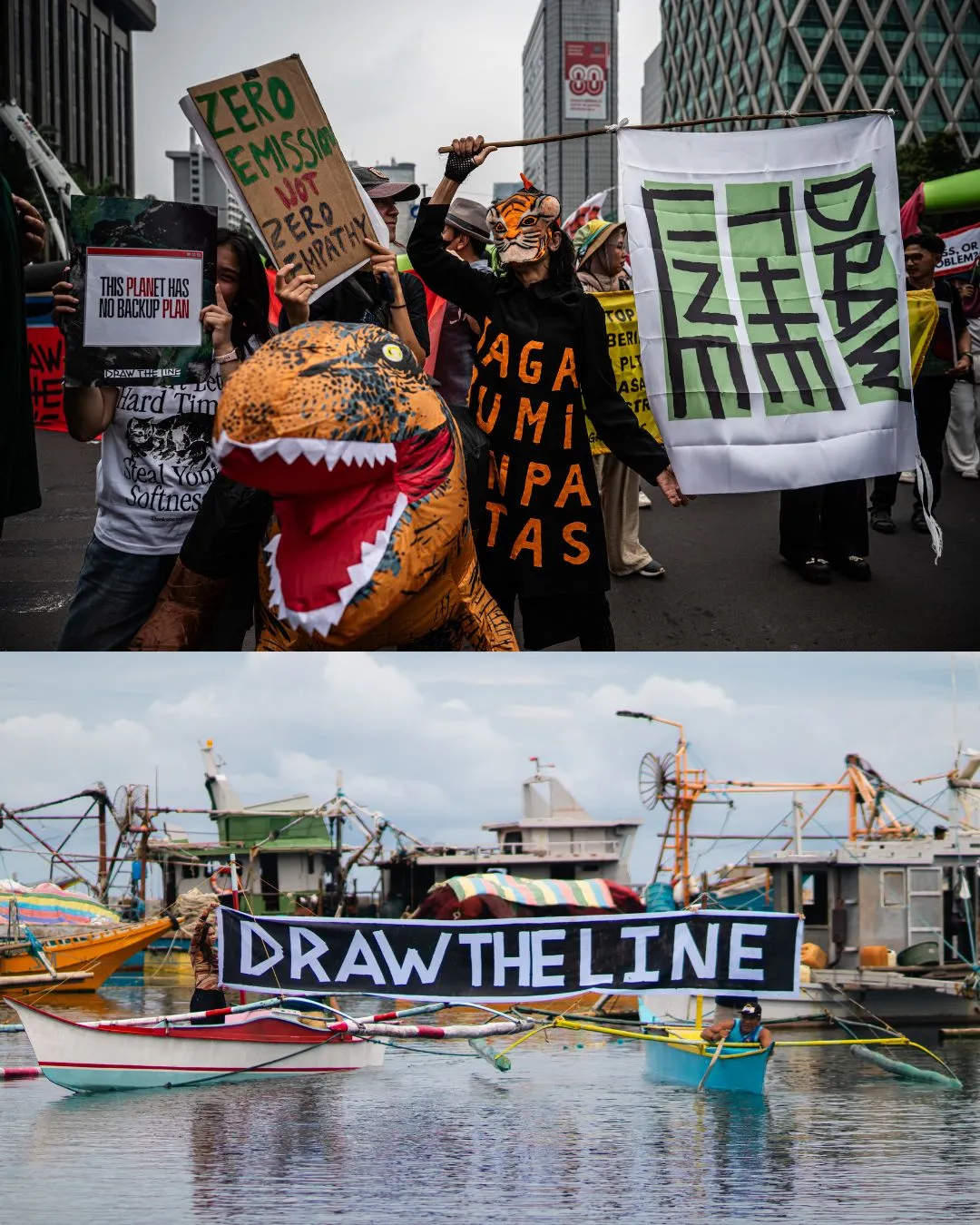
Asia
Communities in Indonesia, Nepal, the Philippines, Japan, South Korea, Taiwan, Bangladesh, and beyond, drew the line at the worsening climate impacts in the region. They demanded governments and institutions to end fossil fuel finance and expansion, and fund clean energy solutions. In Jakarta, youth staged colorful rallies pressing the president for bold climate goals despite heavy police presence in the streets, while students, youth and fisherfolk in the Philippines and Bangladesh marched to protect waters and livelihoods from coal, gas, and other destructive energy projects.
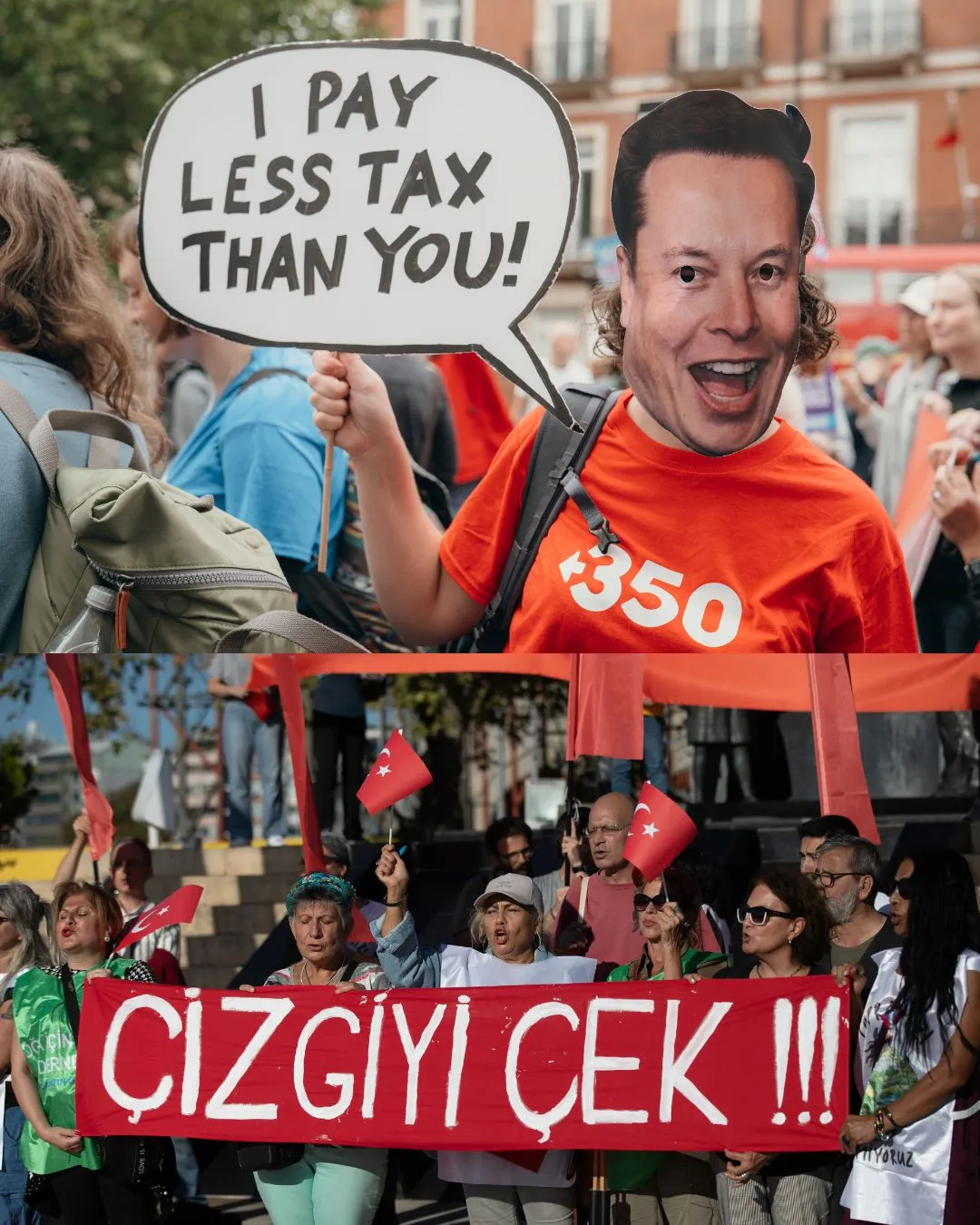
Europe and Türkiye
People around the continent called to tax the rich and polluters to fund climate solutions and protect workers. London’s march united unions, migrant groups, and climate activists in one of the UK’s largest climate demonstrations, cities in Germany and France saw nearly 100,000 people gather echoing the call to tax the rich, fund public services and the energy transition, while Istanbul’s banners defended olive groves, forests, and lives from destructive mining projects.
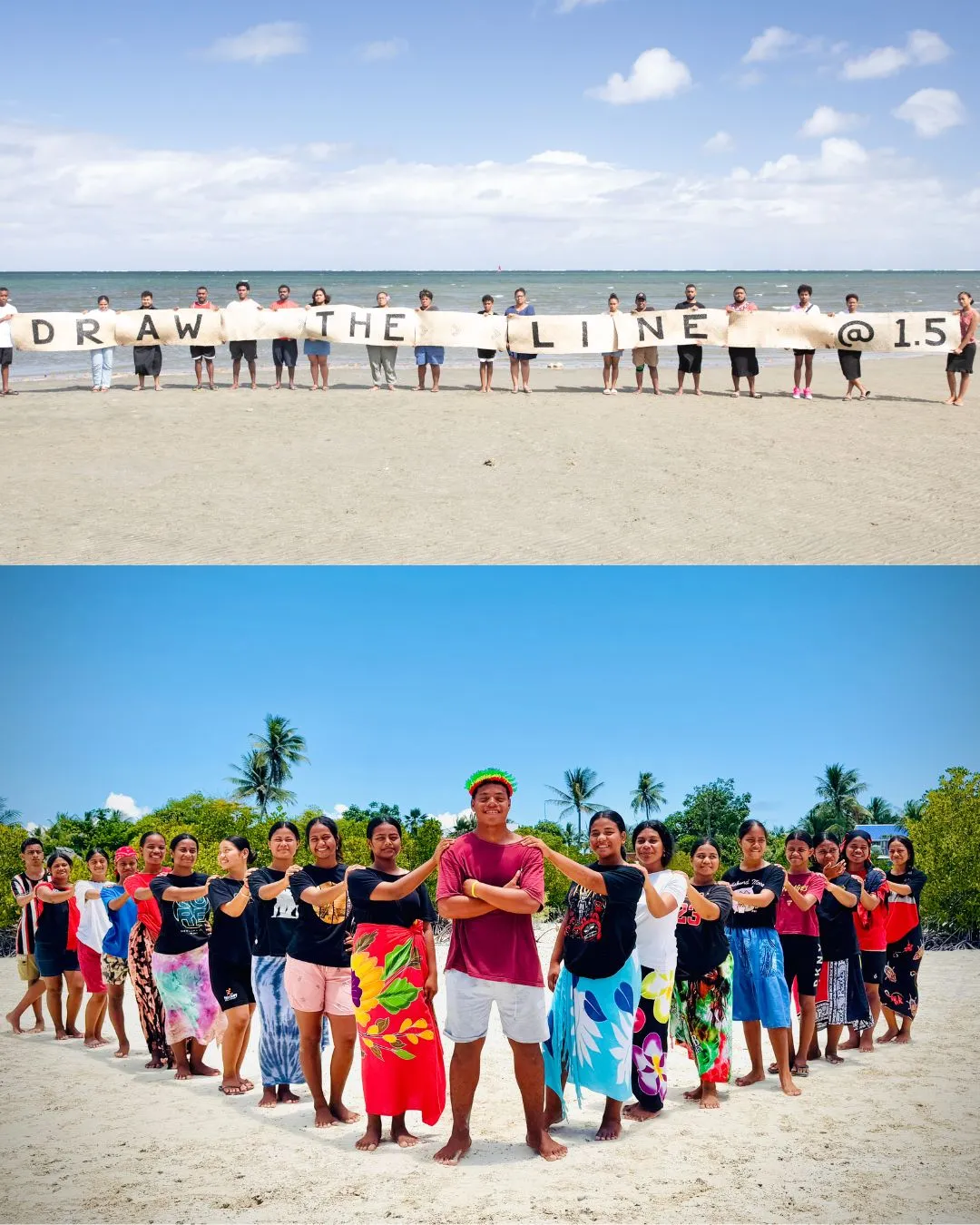
Pacific
People in Fiji, Papua New Guinea, Niue, New Caledonia, Palau, Samoa, Republic of the Marshall Islands, Tuvalu, Kiribati, Aotearoa (New Zealand), Australia and Pacific diaspora communities in the USA drew the line at 1.5°C against extraction, rising seas and insufficient climate plans, demanding survival and justice. In Fiji, woven mats symbolized grief and resilience against rising seas; in Australia and Aotearoa, elders and youth joined hands in a living line of care. Across the islands, chants of We are not drowning, we are fighting rang out.!
US and Canada
In New York City (NYC), 25,000 marched down “Billionaire’s Row” with a massive $5 trillion Bill of the damage caused by oil & gas companies just in the last 10 years, along with a call to Make Billionaires and Polluters Pay, and ending tax breaks for the wealthy and growing inequality. Across Canada, over 70 rallies turned the streets red, opposing new fossil fuel projects and public service cuts while linking climate justice to Indigenous rights, affordable housing, and opposition to colonial violence in Palestine.
Latin America and the Caribbean
Frontline communities demanded no new fossil fuels, a just, people-led transition, and a seat at climate decision-making tables for the true guardians of our planet – Indigenous and traditional peoples. In Brazil’s Amazon, fisherfolk formed a striking canoe line declaring Oil in the Ground after the government approved new drilling. In Colombia, coal-affected communities marched for Indigenous rights and a future beyond mining, turning resistance into celebration. And across the Caribbean, from Jamaica to Trinidad, Haiti to Puerto Rico, communities joined the call, showing that island nations on the frontline of climate chaos are also leading the fight for justice.
Community Spotlight Be inspired by stories & interviews of real people who are fighting for a just energy transition
Renewable Rundown Get informed on big numbers, key facts and important news
70%
of new climate plans put renewable energy front and center
Over 120 world leaders and ministers gathered at the UN Climate Summit in New York last week, and more than 100 countries signaled plans to update their national climate commitments (aka NDCs or nationally determined contributions) ahead of the COP30 in Belém, Brazil this November.
These plans, called NDC 3.0s, outline each country’s climate targets until 2035 and are governments’ blueprints for cutting emissions that they committed to under the 2015 Paris Agreement. So far, 52 countries have submitted their NDCs. But they still fall short of keeping to 1.5°C of global heating, the limit scientists say is critical to avoid the worst climate disasters.
But there is good news. Renewables are no longer an afterthought. 70% of the updated plans include stronger renewable energy targets or already rely heavily on clean power. From Kenya’s pledge of 100% renewables by 2035 to the UAE’s massive 500% capacity boost, clean energy is quickly moving from the margins to the mainstream. This is clear progress but we must not stop pushing our governments, we know they can do better!
Read the full analysis here and check if your country has submitted its NDC yet.
Your Power Support us in demanding real climate action
We’ve proven the power of people coming together. Now let’s carry that energy to COP30, the UN climate talks happening this November in Brazil, where leaders will decide the future of our planet.
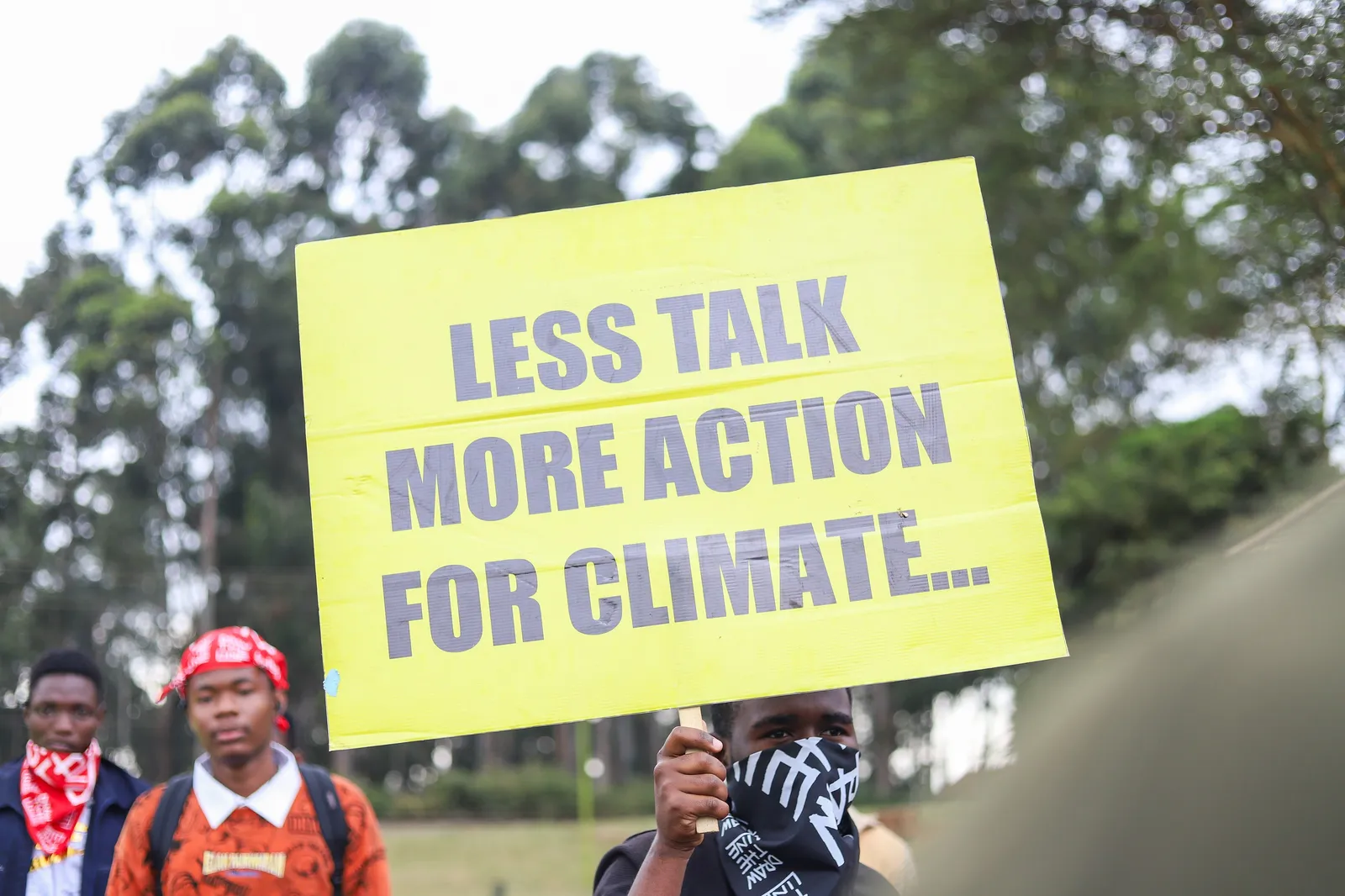
Sign the petition below and demand our leaders to deliver real climate action and lead the switch to renewable energy now.
Energize Build your skills to tackle the climate crisis and widen our movement
Draw the Line showed us the power of creativity. Murals in Benin, carnival marches in Paris, woven mats in Fiji, red banners in Tokyo, and boat lines in the Amazon. Art and imagination turned protest into community, culture, and resistance.
Art doesn’t just decorate our actions, it moves people, builds community, and fuels change.
Do you want to bring art and creativity into your own actions? Our Artivism Guide walks you through creative tactics that grab attention, bring people together, and make your message unforgettable.

Related blogs
News, stories, and insights from the global climate movement.
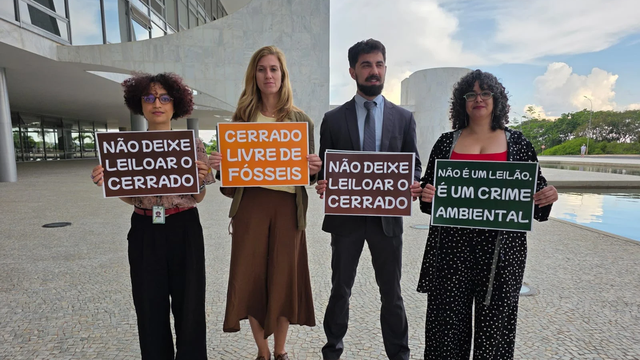
The Cerrado Is Not for Sale
Explore the upcoming gas auction in Brazil and its implications for Indigenous lands and the environment in Maranhão.
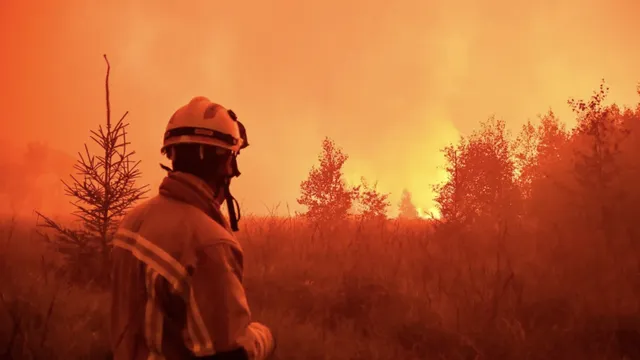
Keeping Safe from Fires and Liars
Explore the connection between climate crises and disinformation as experts discuss current challenges and their impacts.
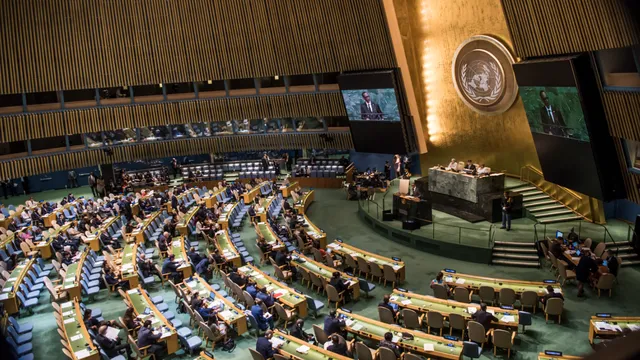
UNGA: A week that laid bare the world’s fault lines, climate crisis all over it
From war to the accelerating climate crisis, this year’s UN General Assembly felt less like a tour through the fault lines shaping the world.
