

Johannesburg, South Africa—350Africa welcomes the publication of the Revised Electricity Pricing Policy (REPP) for public comment, but warns that the proposed reforms do little to address the immediate affordability crisis facing millions of South Africans after years of repeated tariff increases which have placed enormous pressure on household budgets.
Approved by Cabinet on 29 July 2026, the revised policy aims to increase transparency in electricity pricing, encourage competition, and attract investment into South Africa’s electricity sector. While these reforms may improve how the electricity market operates, they do not address the country’s deepening energy affordability crisis.
“South Africans don’t just need a more efficient electricity market; they need electricity they can actually afford,” said Ferron Pedro, Senior Energy Campaigner, 350Africa. “If affordability is left out of these reforms, millions of households will continue to struggle to access enough electricity to meet their basic daily needs and live with dignity.”
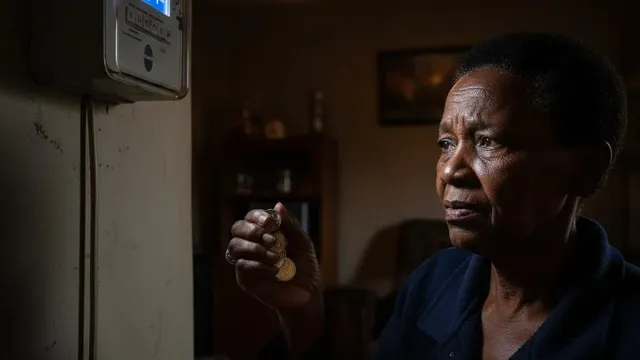
For many low-income households, electricity has become one of the biggest monthly expenses. Many families now spend more on electricity than they do on staple foods such as maize meal or bread. Without stronger measures to protect vulnerable households, market reforms alone risk leaving those already experiencing energy poverty even further behind.
350Africa is calling on the government to expand Free Basic Electricity (FBE) from 50 kWh to 350 kWh per month. The organisation argues that 350 kWh is the minimum amount of electricity a household needs to safely cook and store food, heat water, keep the lights on, and support small home-based businesses.
Free Basic Electricity remains one of the government’s most important tools for ensuring low-income households have access to electricity. Yet while an estimated 10 million households qualify for the programme, only around two in every ten eligible households currently receive it, leaving millions without the support intended for them.
350Africa also argues that expanding Free Basic Electricity should be supported through greater public investment in renewable energy. Doing so would help protect households from rising electricity costs while advancing South Africa’s climate and energy justice commitments.
With the draft policy now open for public comment, 350Africa is encouraging communities, workers, faith groups, civil society organisations, and residents across the country to participate in the consultation process and demand an electricity system that serves people before profit.
“Electricity is more than a commodity. It keeps food fresh, powers schools and clinics, creates livelihoods, and enables people to live with dignity,” said Ferron “As South Africa reshapes its electricity system, the question is not only how the market should work, but who it should work for.”
ENDS***
For media enquiries, contact:
Boitumelo Masipa
Digital & Communications Specialist
350.org
[email protected]
+27 81 452 9096
Related press releases
NERSA urged to reject Eskom tariff increases and expand Free Basic Electricity to 350 kWh
New report: Australia-Türkiye coal trade worth 75 million tonnes of CO₂ puts spotlight on COP31 co-presidencies’ fossil fuel ties
