
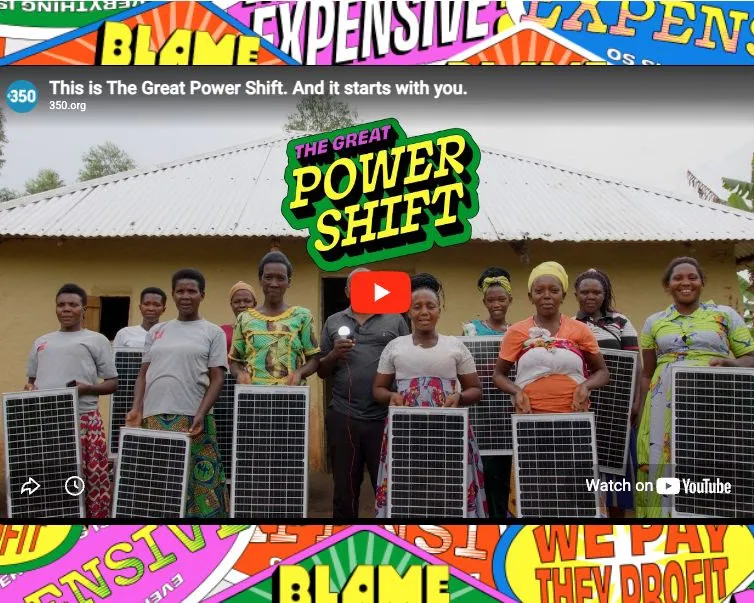
Back in April, we launched the Great Power Shift, our flagship global campaign to end fossil fuel dependence and ensure affordable clean energy for all. We are calling on governments to shift public money away from fossil fuels and into renewables, make polluters pay their fair share through a permanent windfall tax, and invest in energy systems that work for everyone, not just the highest bidder.
Months on, our campaign is gaining real momentum across the world, shifting power away from polluters and back to people.
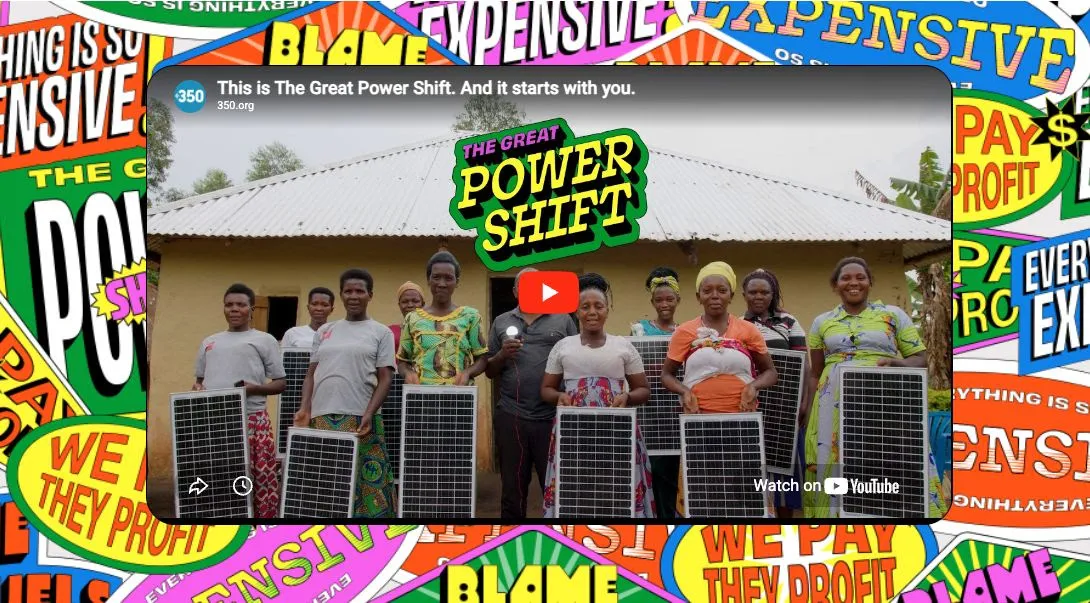
From local actions to national campaigns, people across the world are demanding a better future where clean, affordable energy is within reach for everyone.
Together, here’s what we’ve achieved so far:
More than 30,000 people called on G7 leaders to make polluters pay
Ahead of the G7 Summit in France, we made our demand to the world’s richest countries loud and clear: stop letting fossil fuel companies rake in obscene profits while ordinary people pay the price through higher bills and climate disasters.
More than 30,000 people signed our petition, while campaigners in France took the message directly to decision-makers through creative public actions and a wave of online pressure ahead of the summit.
Although G7 leaders stopped short of taxing the windfall profits of oil and gas companies, they couldn’t ignore the growing public demand for a fairer energy system.
The pressure doesn’t stop here.
Thousands helped deliver the ‘Out of Pocket’ Report to decision-makers
Supporters from around the world sent our Out of Pocket report directly to political leaders, highlighting how dependence on imported fossil fuels drives up household energy costs.
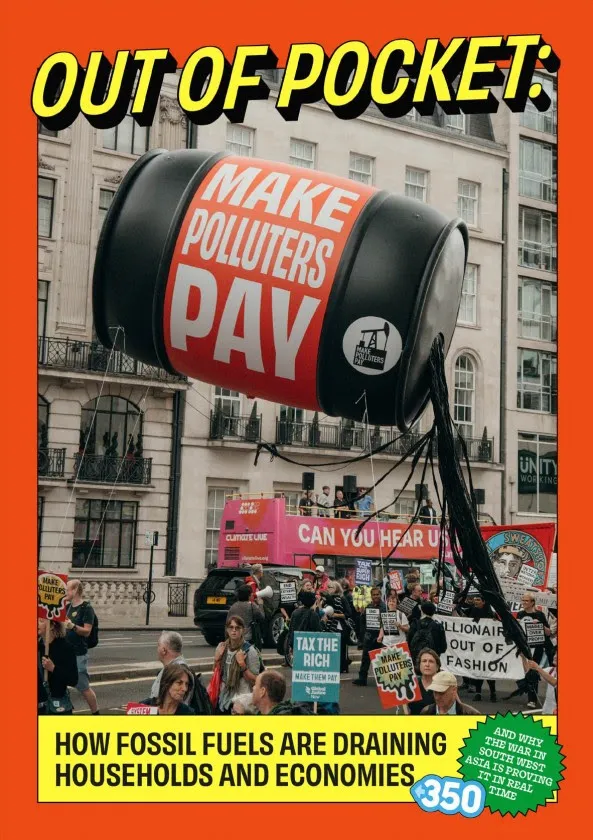
And it got noticed. We received a response from the European Commission – proof that people speaking up together can reach the halls of power. We also hand delivered copies to the European Parliament last week.
Communities are already building the alternatives
Across our network, people aren’t waiting for politicians to act.
In the Pacific, community leaders gathered for a Solar Scholars training programme, learning how to bring renewable energy projects to their communities.
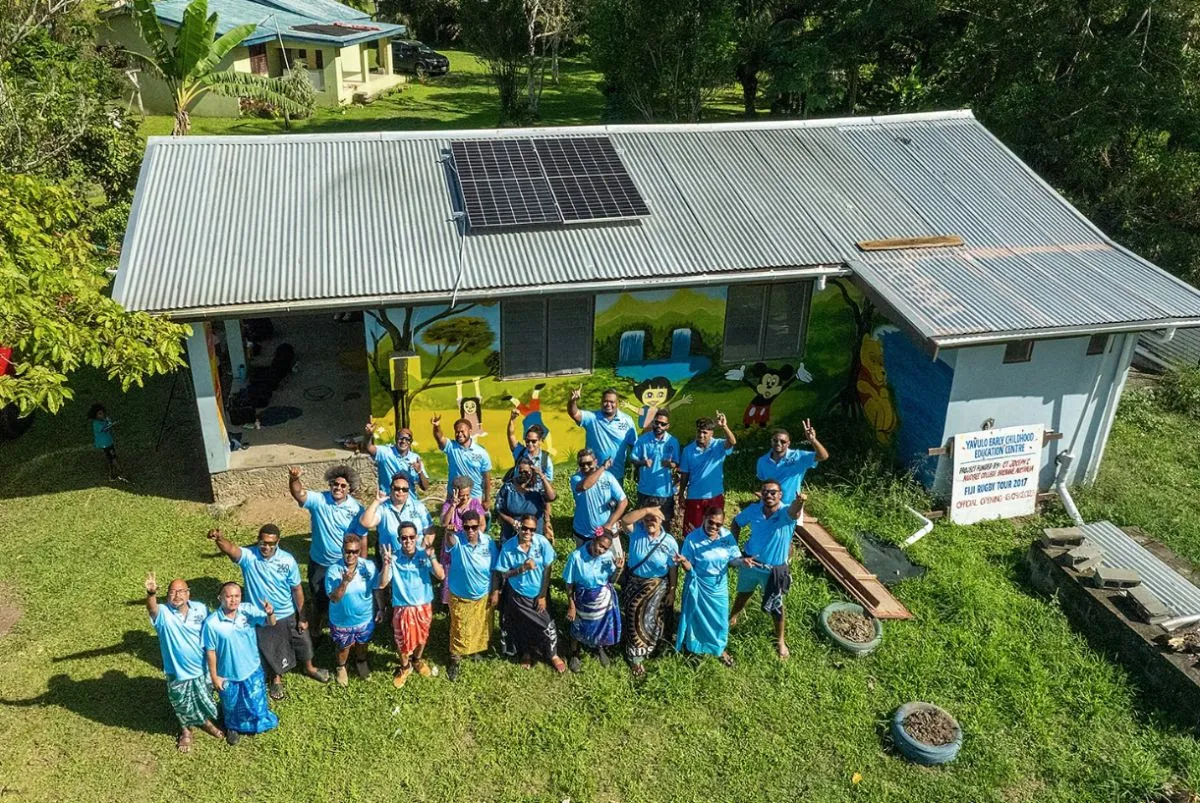
In Türkiye, our organisers are building a virtual solar cooperative. In South Africa, our campaigners continue pushing for free basic electricity. In Canada, we’ve joined more than 60 organisations calling for governments to tax fossil fuel companies’ excess profits.
More and more communities are building energy systems that put people first.
A global week of action to #StopEACOP
Communities around the world also stood in solidarity with people resisting the East African Crude Oil Pipeline (EACOP), a project threatening livelihoods, ecosystems and communities across Uganda and Tanzania.
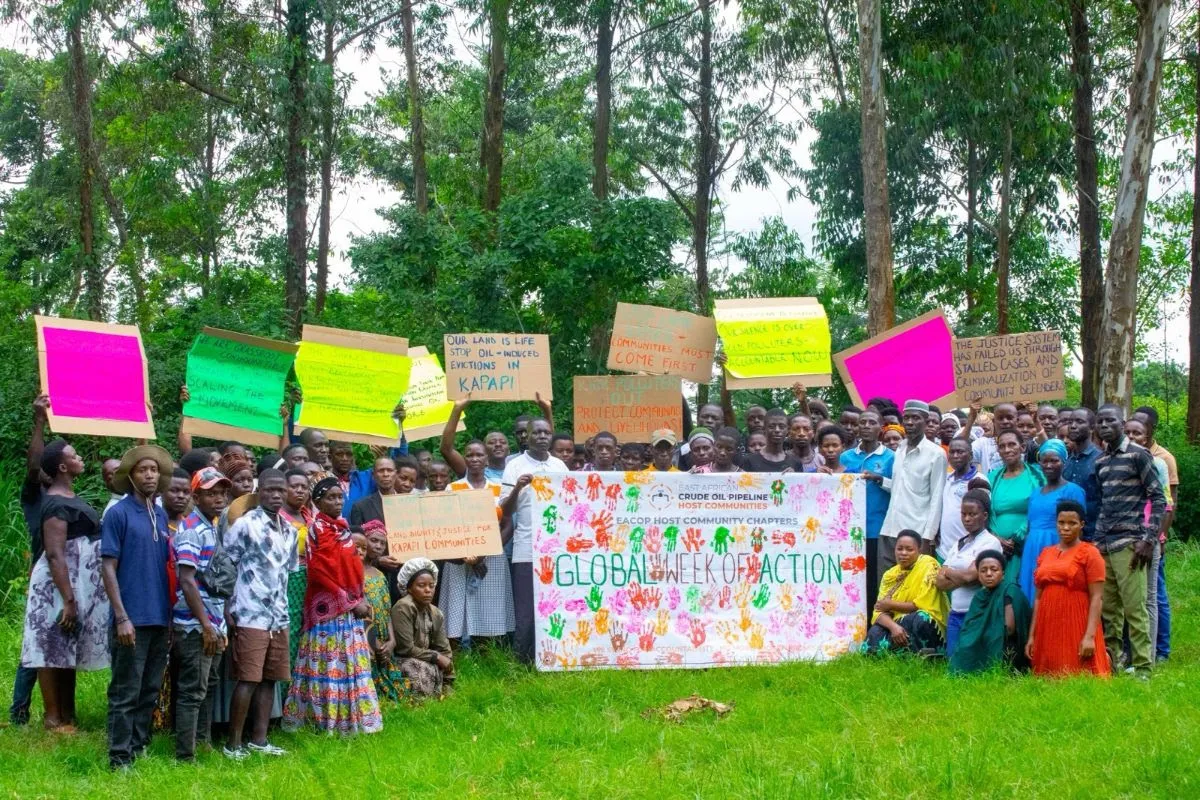
Together with partners, campaigners organized more than 60 actions across 19 countries as part of #KickPollutersOut Global Week of Action, from marches and community meetings to creative protests and digital actions, sending a clear message that fossil fuel expansion has no place in our future.
The week showed something powerful: communities separated by thousands of kilometres are standing together against the same system that puts corporate profits before people and the planet.
Taking our demands to global leaders
Momentum continued well beyond the G7.
In Santa Marta, Colombia, representatives from 57 countries came together for the first-ever global conference focused on transitioning away from fossil fuels. For the first time, Indigenous Peoples, frontline communities, trade unions, youth activists and civil society weren’t just watching from the sidelines – they had a seat at the table, shaping the conversation alongside governments.
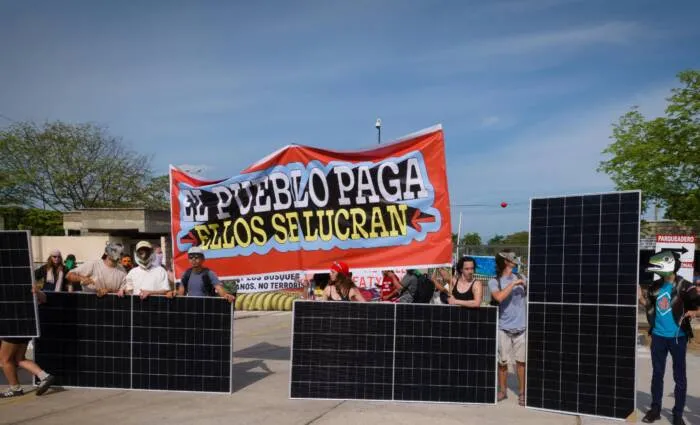
Outside the official meetings, communities showed that the transition is already happening. From community energy projects to a peaceful action at one of Latin America’s largest coal ports, people demonstrated that renewable alternatives aren’t ideas for the future – they’re already being built today.
Just weeks later at the UN Climate Talks in Bonn, governments signalled growing momentum behind the global commitment to transition away from fossil fuels. But once again, wealthy countries failed to deliver the finance that climate-vulnerable communities urgently need to adapt to worsening floods, droughts and extreme heat.
The message from both meetings was clear: progress is possible, but governments still need much more public pressure to match their promises with action.
That’s why our movement continues to grow. Around the world, people are facing a cost of living crisis, rising energy bills and worsening climate impacts. Meanwhile, oil and gas companies continue making enormous profits while ordinary households bear the costs.
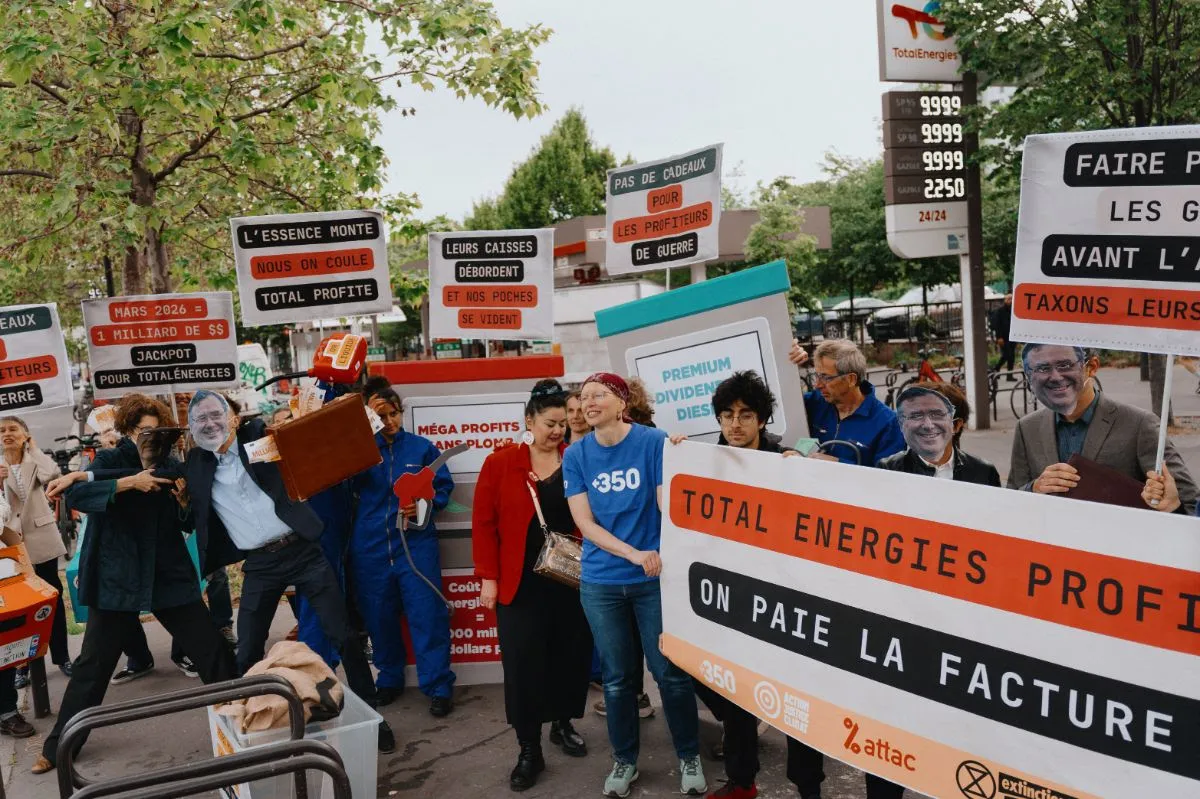
Enough is enough. It’s time governments made polluters pay and invested that money in affordable renewable energy and climate solutions that put people first.
When we come together to speak out, organize and build solutions in our own communities, change becomes possible.
Ready to be part of the movement?
Join the Great Power Shift and help push for a fair, fossil-free future.
Related blogs
News, stories, and insights from the global climate movement.
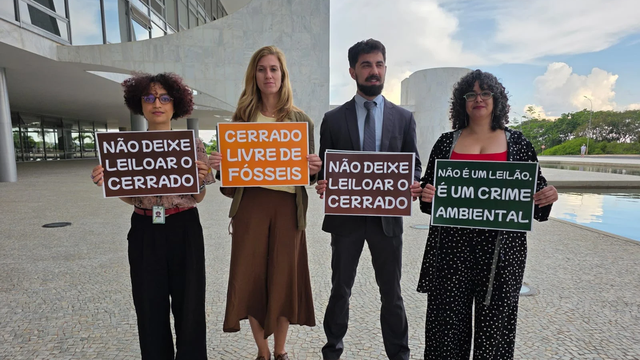
The Cerrado Is Not for Sale
Explore the upcoming gas auction in Brazil and its implications for Indigenous lands and the environment in Maranhão.
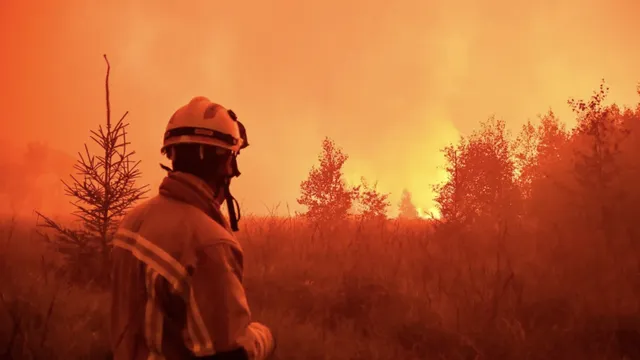
Keeping Safe from Fires and Liars
Explore the connection between climate crises and disinformation as experts discuss current challenges and their impacts.
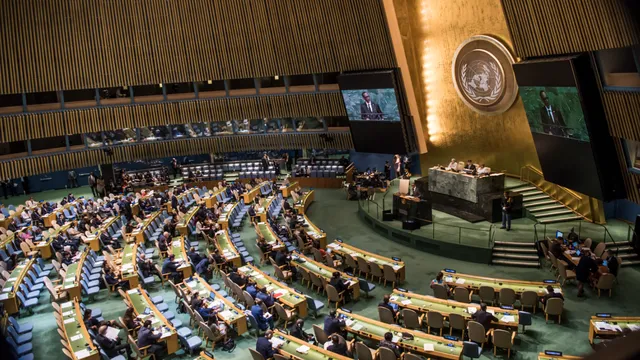
UNGA: A week that laid bare the world’s fault lines, climate crisis all over it
From war to the accelerating climate crisis, this year’s UN General Assembly felt less like a tour through the fault lines shaping the world.
