
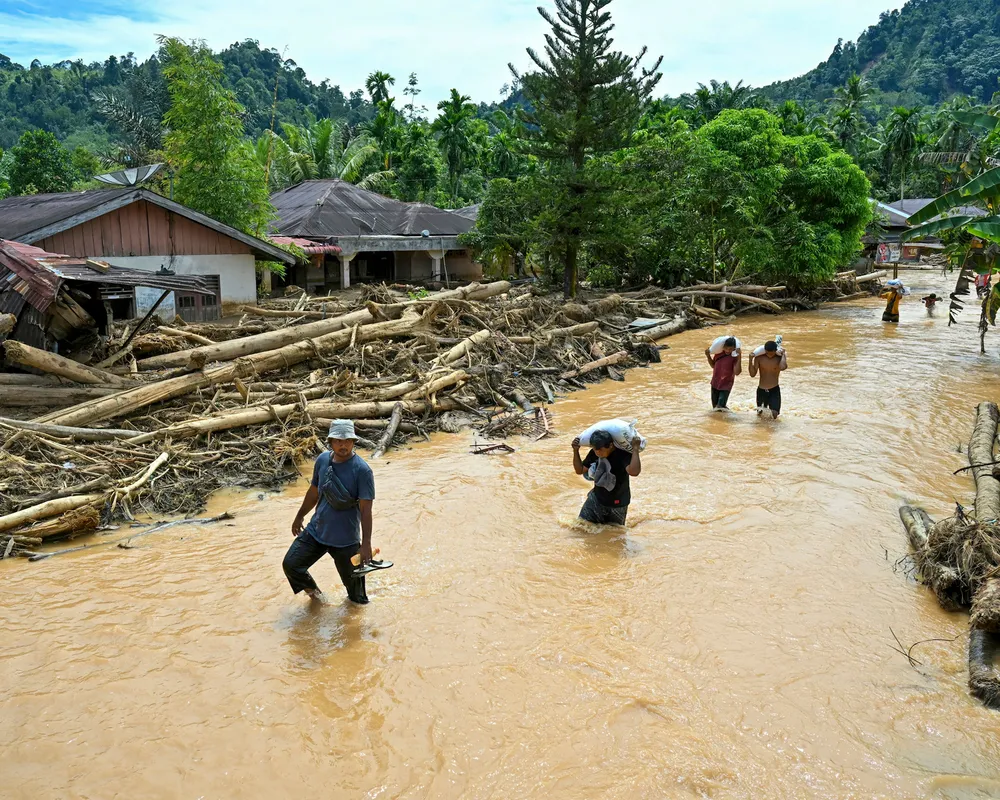
The cyclone-induced flood that destroyed rice farms across Sumatra, Indonesia in late-November last year, doesn’t show up in any economic model. Neither do the weeks families spent in emergency shelters, or the infections from contaminated water, or the lost harvests farmers will spend years repaying.
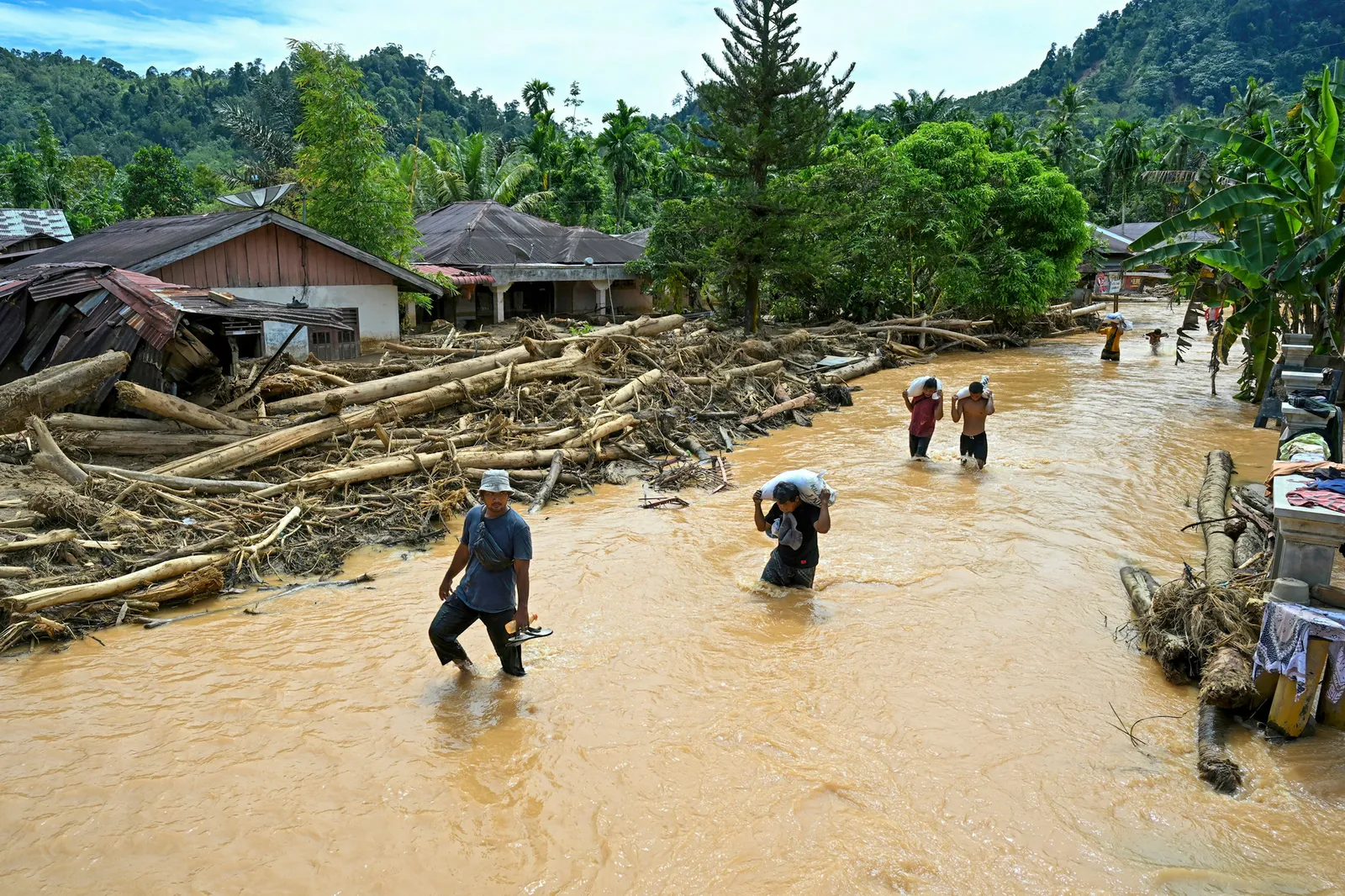
What does show up is Indonesia’s 5.11% GDP growth in 2025, a number widely deemed as proof the country was thriving. Ironically, the 51.8 trillion rupiah ($3.2 billion) the government is spending to rebuild what the floods destroyed is not really registered as a loss, in the language of economics. Recovery from massive destruction now counts as progress, as long as money changes hands.
This is a core flaw at the heart of how we measure progress in our current global economic and political systems. And now a new study involving 68 climate scientists from 12 countries, reveals we’ve been drastically underestimating the economic toll of climate change.
What we actually mean by “growth”
We hear about progress and economic growth constantly. From headlines to election promises and budget announcements. It’s presented as proof a country is doing well, and if the country is doing well, our lives must be improving too.
In practice, growth actually measures almost entirely one number: GDP, or gross domestic product. It adds up the total value of goods and services produced in a country over a given period. When GDP rises, businesses are assumed to be producing more, hiring more workers, paying more wages. When it falls in hard times, like during the 2009 global financial recession and COVID-19., companies cut back, jobs vanish, incomes shrink.
This pattern has made GDP become the dominant yardstick of success. Governments pursue it, economists track it, politicians campaign on it. What began as a technical economic measure has become shorthand for whether a society is moving forward or falling behind.
Which means key government decisions including budgets, rest on economic models built around the GDP. These models shape how much governments spend on healthcare, housing, schools, transport, climate action and other public services to make life better for ordinary citizens.
But…the calculations are wrong
Despite their widespread use, economists have long acknowledged that GDP doesn’t measure wellbeing, health, inequality, or quality of life, the actual, vital indicators that show whether people are doing well.
Now, a study led by the University of Exeter has revealed that these models have an additional, critical blind spot: they fail to account for the cascading shocks of climate change which are the extreme events and tipping points that can rapidly unravel livelihoods, infrastructure, and entire economies.
Most economic models treat climate damage as slow, gradual, manageable. They focus on global average temperatures, which are projected to rise steadily from around 1.2°C of heating today toward 2°C in coming decades, and estimate damages based on those smooth trends.
But that’s not how climate impacts unfold in the real world.
Climate change doesn’t raise your local temperature by 1.5°C and wait politely for you to adapt. It floods your city on a Tuesday in March. It burns your forest in a week. It kills your crop in a single heatwave while economists debate smooth curves and average temperatures.
The study shows that we and the systems we rely on suffer most from such sudden shocks and local and regional disasters, not from small, gradual shifts in global average temperaturs. A sudden flood destroys crops, leading to food prices spiking. Power stations go offline so factories shut down. Heatwaves overwhelm hospitals and workers fall ill. Roads and ports close, breaking supply chains. One shock triggers another in what the researchers call “cascading failures.”
A million deaths can look like growth if you measure it so
Going a step further, the study also argues that GDP-based metrics give a fundamentally warped picture of progress because they miss what matters most to people: lives, health, ecosystems, social stability. In fact, after disasters, GDP can even rise because rebuilding and emergency spending count as ‘economic activity’. Destruction can register as success, and this is dangerous.
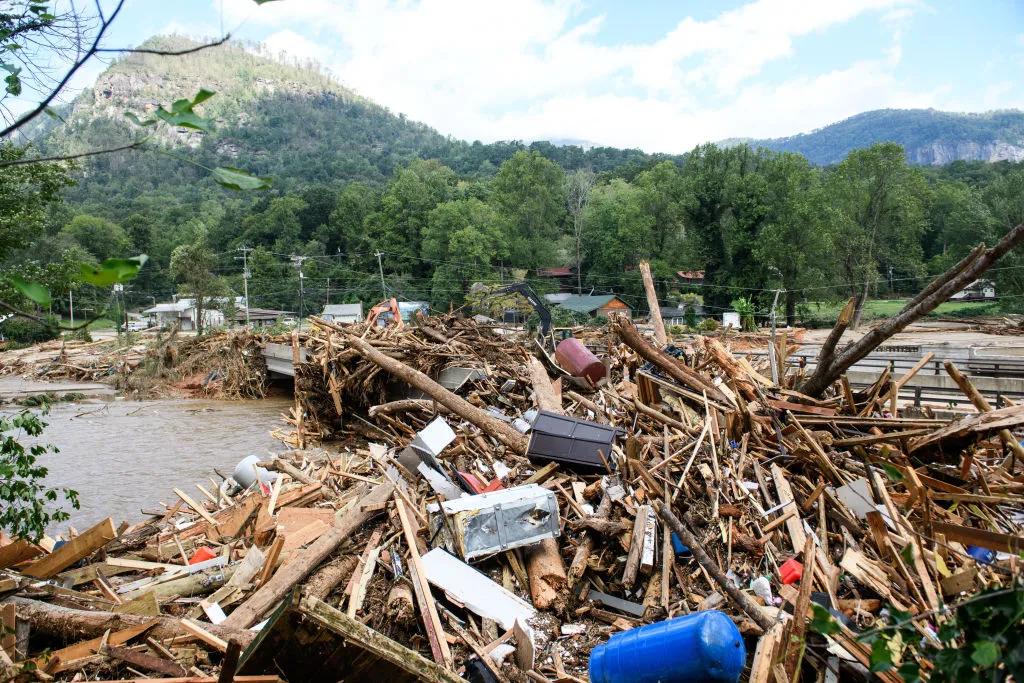
For instance, in the US, climate-related costs – including disaster recovery, repairs, and surging insurance premiums- are responsible for $7.7 trillion, or 36%, of the country’s GDP since 2000, meaning a significant chunk of what we call “growth” is actually disaster recovery spending.
What broken models actually cost us
By missing the cascading failures and compounding shocks that define climate risk, today’s economic models create a false sense of safety. Precise-looking numbers incentivise governments and investors into delaying action — playing down impacts, skipping hard choices, and chasing short-term wins like political successes over long-term protection for citizens. Meaning we skip early planning and investment. We leave people unprotected. Governments underfund prevention while spending vastly more on disaster response after it’s too late.. For example, Hurricane Maria killed nearly 3,000 people in Puerto Rico in 2017 and caused $90 billion in damage. The island had received minimal pre-disaster mitigation funding because models suggested the risk was manageable. Pakistan’s 2022 floods displaced 33 million people and caused $30 billion in damage; early warning infrastructure that could have saved lives had gone unfunded for years.
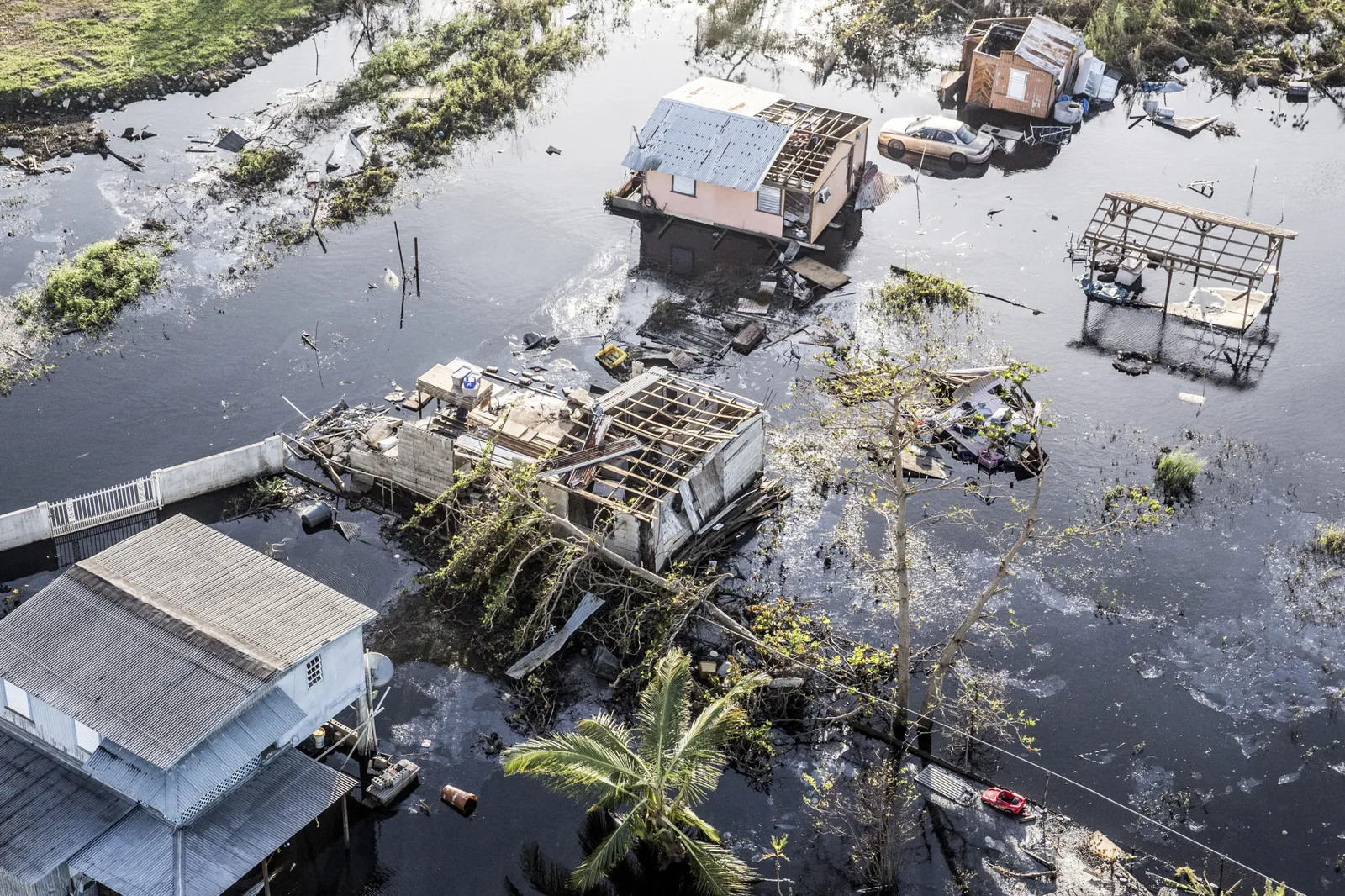
By the time governments react, lives are already lost, damage costs have skyrocketed, and recovery drags on for years while displaced families wait for aid that’s never sufficient. Prevention looks expensive until disaster strikes, but when it does then recovery costs six times than what prevention would have required. And this is crucial extra public money that could have been spent on schools, hospitals, housing, and the basic services communities need to thrive.
The consequences of this miscalculation are staggering. The study’s findings reveal that missing catastrophic shocks and cascading failures could lead to GDP losses as high as 50% between 2070 and 2090–losses that don’t appear in the models guiding policy decisions today.
The alternative already exists
If growth is supposed to mean progress, then our metrics must reflect the conditions that make life better — safety, health, stability, and jobs. And there are ways to measure these conditions directly: is housing affordable? Do people have access to clean air and water? Are we prepared for climate disasters?
The pieces for such a different approach are already in place. UN Secretary-General António Guterres has warned that the world’s accounting systems fail to place real value on the environment, and that the global economy must stop rewarding pollution and waste disguised as production and growth.
Around the world, governments, economists, governments and researchers are testing and developing alternative measures of progress that incorporate long and healthy life indicators including environment and social factors like the Human Development Index and Genuine Progress Indicator, inclusive wealth measures that track natural and human capital alongside economic production, and emerging climate-risk-adjusted indicators like Climate Risk Index designed to reflect the he human and economic toll of extreme weather that existing models ignore.
What’s needed now is for decision-makers to abandon the incomplete and dangerous models currently shaping vital societal decisions that don’t serve the world we live in now, and move toward more realistic and inclusive measures that also account for the reality of the climate crisis. Investors, too, should recognize that every dollar flowing into fossil fuel infrastructure today accelerates the very shocks that will destroy portfolio value tomorrow.
Indonesia’s GDP may be rising, but families are still repaying loans for harvests that have drowned. India is losing more people to pollution each year while economists celebrate a ‘booming’ economy. These oppositions may have found a place in our current accounting systems, but they mustn’t in our real lives.
Sources:
- The public is losing patience with promises of economic growth – Public Finance, July 2025. https://www.publicfinance.co.uk/opinion/2025/07/public-losing-patience-promises-economic-growth
- GDP Over Breath: How Systemic Failure Chokes India’s $5 Trillion Dream – ESG News, January 16, 2026. https://www.esgnews.earth/latest-news/gdp-over-breath-how-systemic-failure-chokes-indias-5-trillion-dream/16263.html
- Indonesia Expects $3 Billion Rebuild After Deadly Floods – Insurance Journal, December 8, 2025. https://www.insurancejournal.com/news/international/2025/12/08/850172.htm
- Mortality in Puerto Rico after Hurricane Maria – The New England Journal of Medicine. https://www.nejm.org/doi/full/10.1056/NEJMsa1803972
Related blogs
News, stories, and insights from the global climate movement.
African Symposium on Climate Reparations
Explore the upcoming gas auction in Brazil and its implications for Indigenous lands and the environment in Maranhão.
The Cerrado Is Not for Sale
Explore the upcoming gas auction in Brazil and its implications for Indigenous lands and the environment in Maranhão.
Keeping Safe from Fires and Liars
Explore the connection between climate crises and disinformation as experts discuss current challenges and their impacts.
