
Stop waste of US$26 billion on unnecessary coal power projects, urges major new coalition.
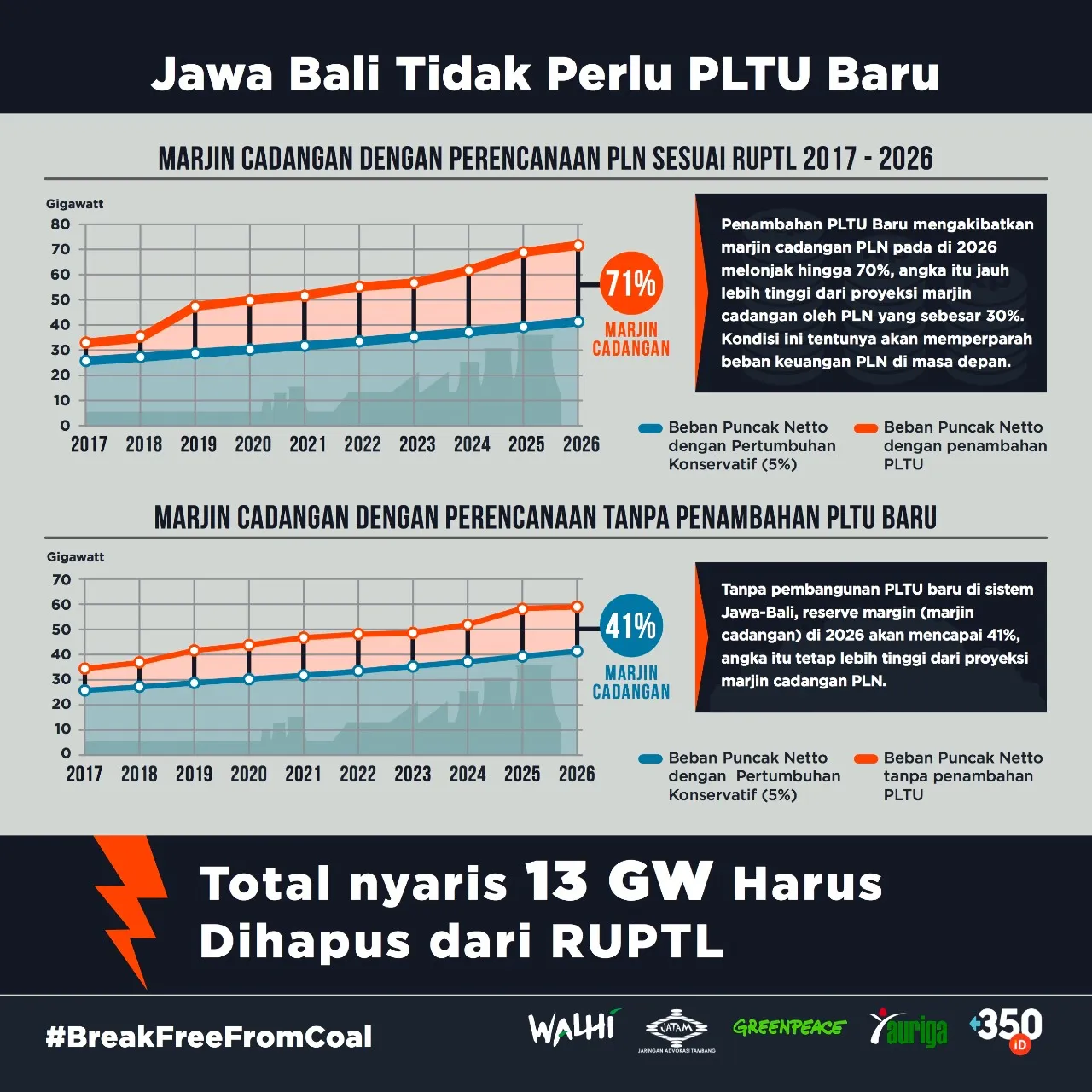
The analysis published by the coalition reveals the existing power supply plan (RUPTL 2017) has grossly overestimated demand growth and therefore has built an excess of 13 gigawatts into the Java Bali system. This would lead to a 71% surplus even at the most optimistic demand growth projections of 5% a year.
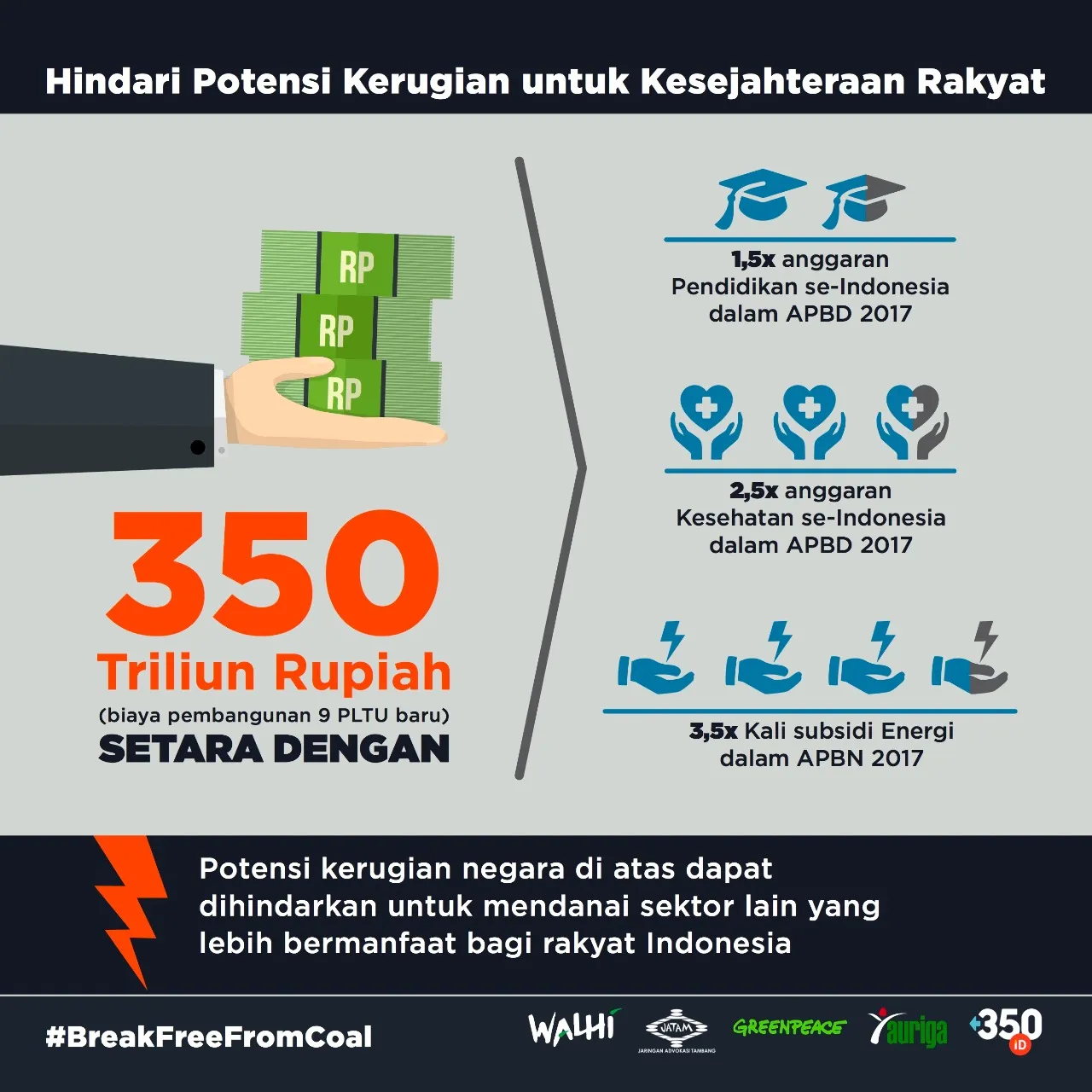
“Nine planned coal power projects, amounting to 13 gigawatts, need to be cut from the power supply plan in order for Indonesia to avoid massive financial and economic loss resulting from unnecessary capacity payments to power generators,” said Dwi Sawung from Friends of the Earth Indonesia (WALHI).
This situation is worsened by the fact Indonesia’s power system is heavily dependant on coal and therefore exposed to fluctuations in international coal price.
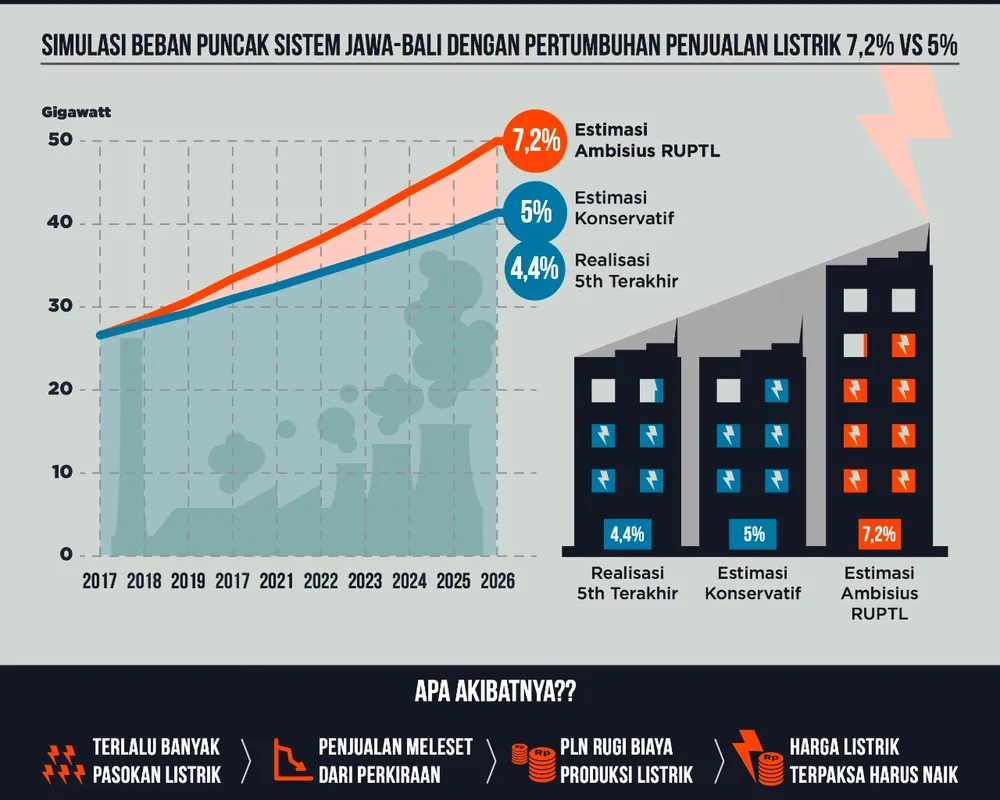
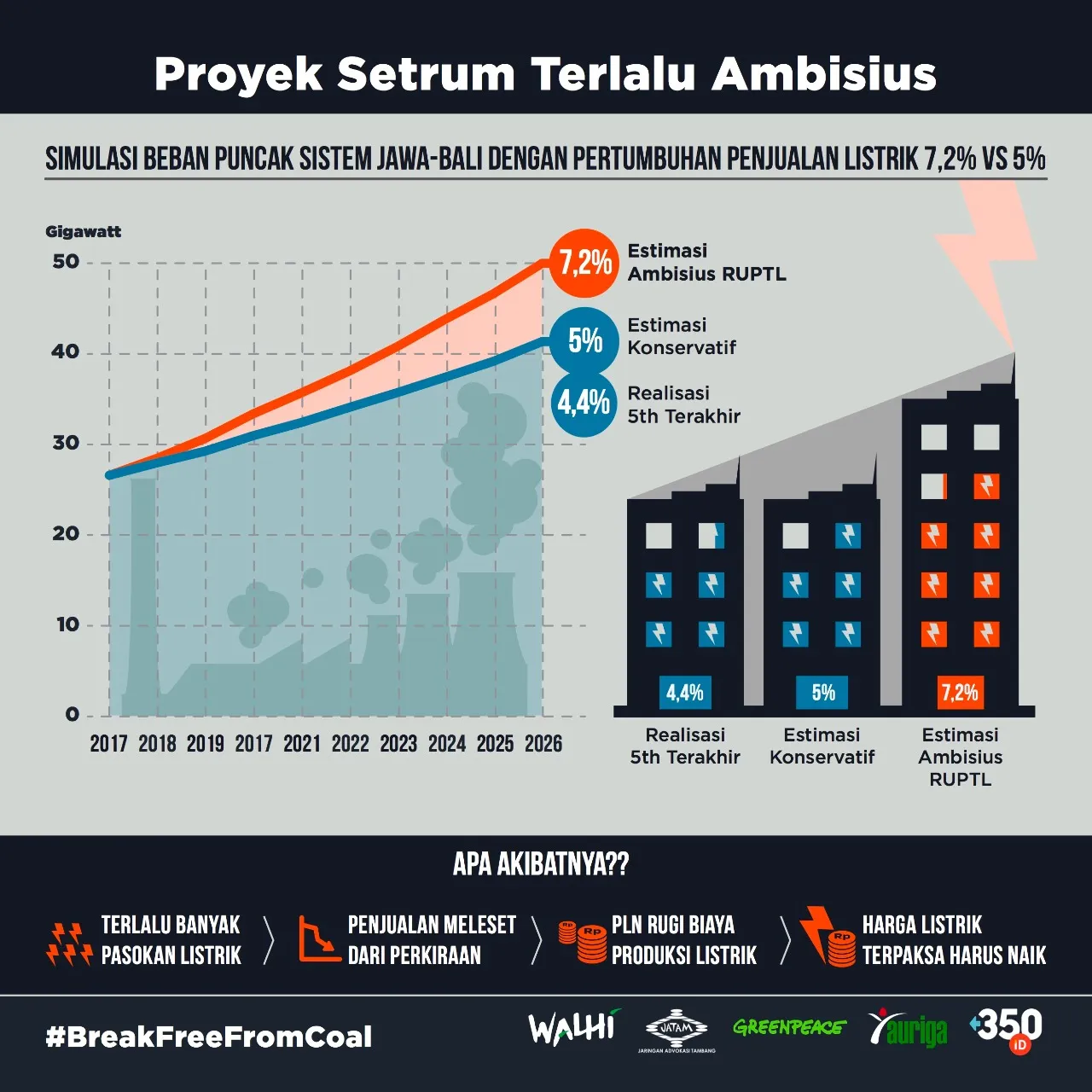
The country’s state-owned utility, PLN, projected a demand growth of 7% in its 2017 power supply plan, based on the forecast 7.2% economic growth rate. In contrast, electricity sales have been below target, only reaching 4.4% in the last 5 years. Last year, Indonesia’s economic growth only reached 5.05%.
The 2018 update of the power supply is due to be published in the first quarter of this year, following approval by the energy minister.
“These projects translate into billions of wasted dollars,” said Hindun Mulaika, Greenpeace Indonesia’s energy and climate campaigner. “The take or pay scheme will bind PLN into paying millions of dollars to electricity that will go unused. This has been one of the causes of PLN’s poor financial health.”
“We can’t afford PLN to default; It will have devastating consequences for the economy. For a start, Indonesia’s credit rating will be affected as it is tied to PLN’s financial responsibilities. Indonesia will be forced to bail out its only utility,” added Mulaika.
PLN is a public monopoly that has been given the constitutional mandate to generate, transmit and distribute electricity. Power generation has been liberalized in recent years, allowing for private developers and operators to sell electricity to PLN. However, PLN carries the burden of paying Independent Power Producers (IPP) at capacity for the entire PPA contract period of 30 years.
The planned coal power projects in question include two coal projects in the Banten province (Jawa 5, 2000 MW, Jawa 9&10, 2000 MW), four projects in West Java province (Jawa 6, 2000MW; Cirebon 2, 1000MW; Tanjung Jati A, 1320MW; Indramayu 2, 1000MW), two projects in Central Java province (Jawa 8, 1000MW, Tanjung Jati B, 2x1000MW) and one coal power expansion project in Bali (Celukan Bawang 2, 660 MW).
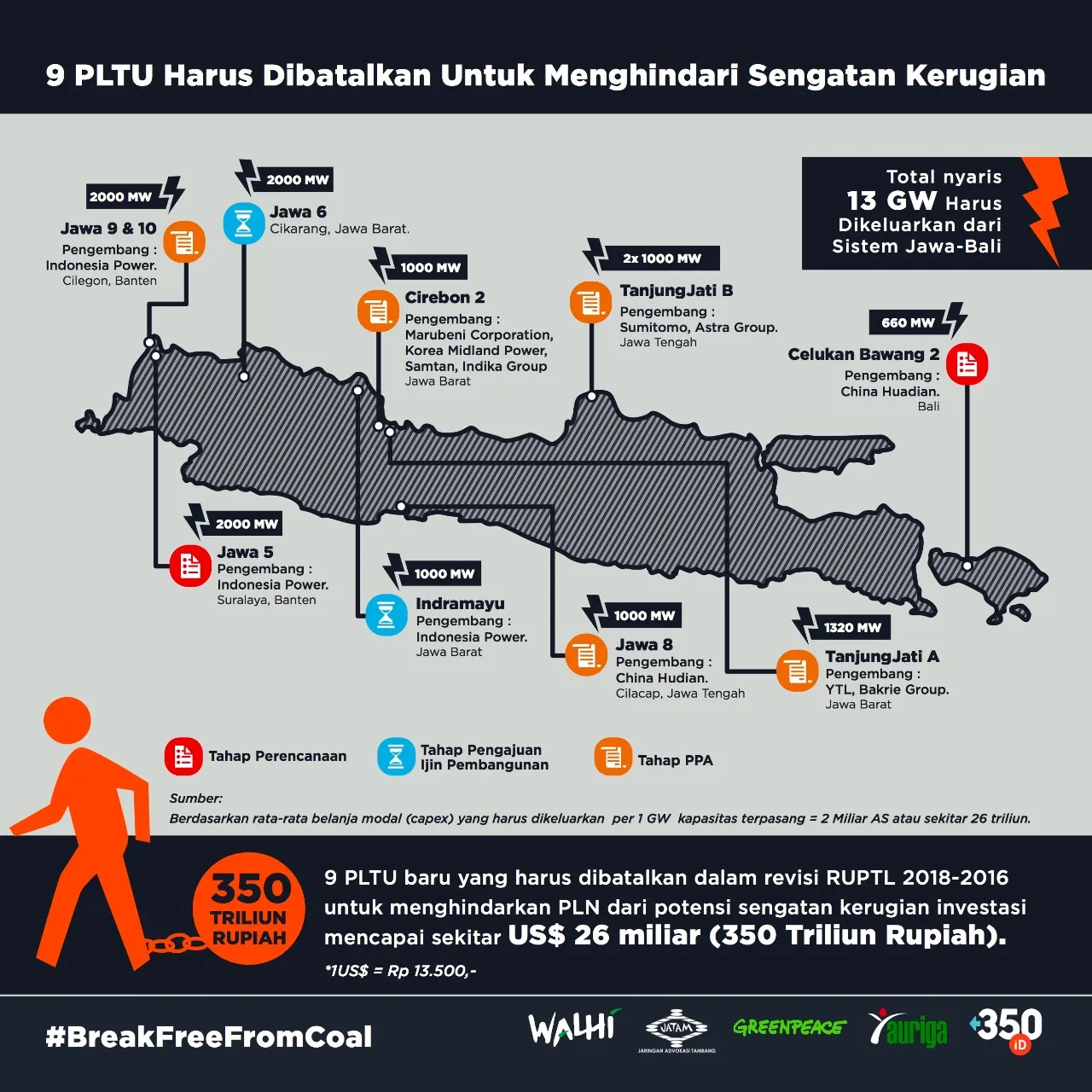
“This financing is likely to be state-backed, guaranteed by a business viability guarantee. And while this might seem trivial, PLN is facing a real risk of defaulting, so in the end, tax payers will have to shoulder the financial burden of repaying these loans,” said Hendrik Siregar, an energy researcher with AURIGA Nusantara.
“This money is better off going into education and health, two sectors that have been deprived of the necessary resources.”
The Mining Advocacy Network warns of the devastating impact of coal mining to communities and to food security. “The 35 gigawatt scheme has always been about securing the domestic coal market to support the expansion of destructive coal mining in Indonesia. This needs to be stopped if Indonesia is serious about achieving food security and socio economic welfare of its people.”
Media contacts:
Hindun Mulaika, Greenpeace Indonesia, 08118407113,
Dwi Sawung, Friends of the Earth Indonesia, 0816104606,
Melky Nahar, Mining Advocacy Network, 081319789181,
Hendrik Siregar, AURIGA, 085269135520,
Irfan Toni H, 350.org Indonesia, 08129900088,
siaran pers terkait

Jangan Tambah Produksi Batubara, Terapkan Windfall Tax
Pemerintah Indonesia dikritik karena menunda penerapan windfall profit tax bagi perusahaan batubara sambil meningkatkan kuota produksi di tengah harga batubara tinggi. Organisasi masyarakat sipil menilai kebijakan ini inkonsisten dengan transisi energi dan merugikan ruang fiskal untuk pemulihan bencana serta mitigasi krisis iklim.
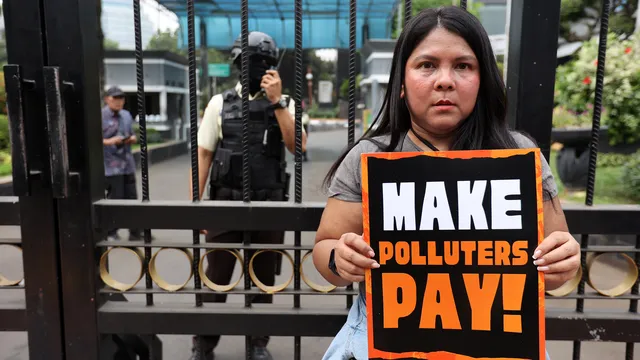
APBN 2027 Harus Prioritaskan Pemulihan dan Penanggulangan Bencana Iklim dan Terapkan Windfall Tax serta Wealth Tax
Koalisi Windfall Tax mendesak DPR RI dan pemerintah untuk mengalokasikan pendanaan khusus pemulihan bencana iklim dalam APBN 2027 serta menerapkan windfall profit tax dan wealth tax sebagai sumber penerimaan negara yang adil.
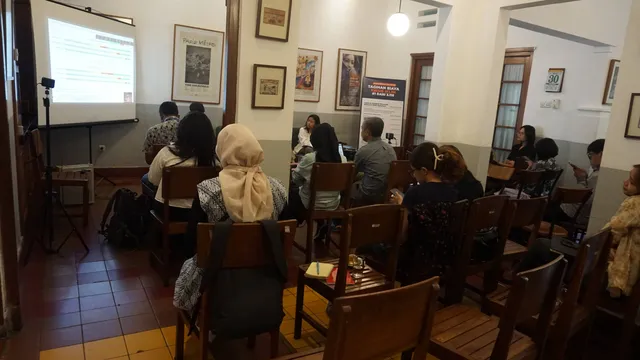
Krisis Energi Indonesia: Industri Energi Fosil Untung, Negara dituntut memberlakukan Windfall Tax
Perusahaan energi fosil yang raup untung besar di tengah krisis energi global. Ketimpangan terjadi dimana biaya krisis ditanggung masyarakat sementara keuntungan diprivatisasi. Potensi penerimaan negara dari windfall tax batu bara mencapai Rp, 66 triliun yang dapat digunakan untuk membantu masyarakat dalam transisi energi.
