
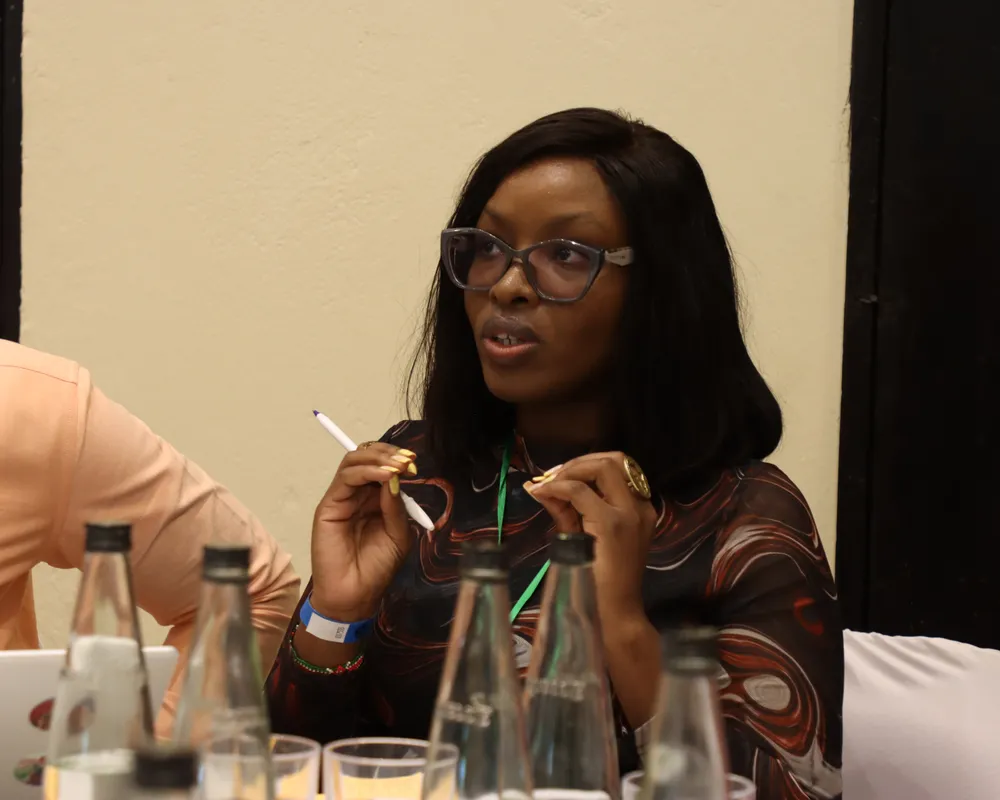
In late September, climate justice advocates, legal experts, Indigenous leaders, and community organizers gathered in Mombasa, Kenya, for the African Symposium on Climate Reparations.
Convened by the newly launched African Climate Reparations Collective, the meeting addressed a fundamental truth: the climate crisis cannot be separated from centuries of colonial extraction, unfair debt, and land loss.
African communities contribute less than 4% of global greenhouse gas emissions. Yet, they face the worst impacts of severe droughts, floods, and rising seas. For too long, wealthy nations have framed climate finance as voluntary aid or charity. The message from Mombasa was clear: Africa is owed repair, not charity.
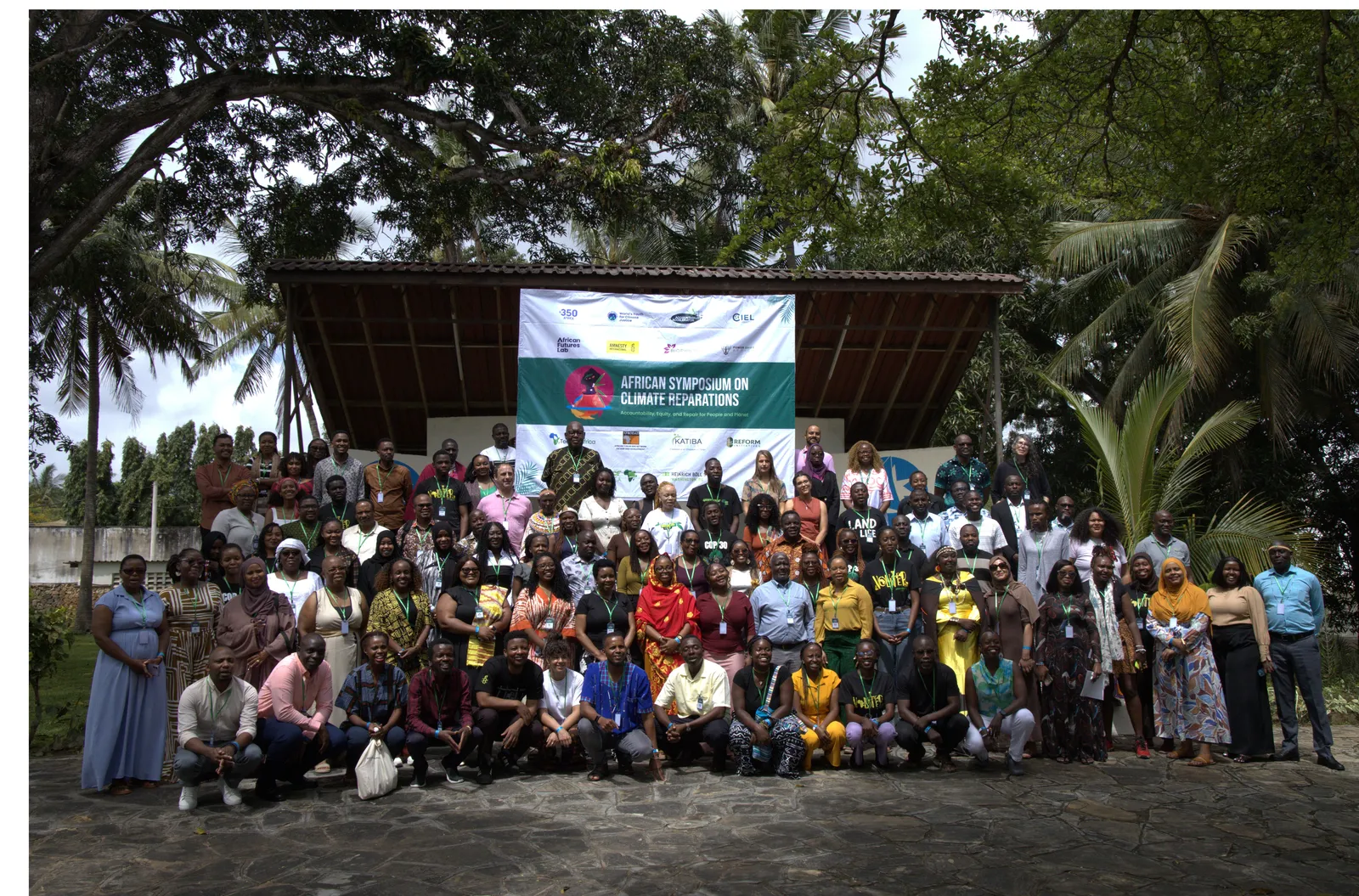
Here are the key takeaways emerging from Mombasa as we chart the road through COP31 in Antalya and toward COP32 in Ethiopia.
Making polluters pay: Accountability over charity
A foundational theme of the symposium was shifting the narrative from voluntary development assistance to legal responsibility and state accountability. Grounded in landmark legal developments including the International Court of Justice Advisory Opinion (ICJAO) on state climate duties and regional proceedings before the African Court on Human and Peoples’ Rights, the collective demand is clear: Fossil fuel corporations and historically polluting states must pay for the loss and damage inflicted on African lands, ecosystems, and communities. Taxpayer-funded pledges cannot replace direct liability for corporate climate harms. Reparative finance must be grounded in the historical responsibility of polluters.
Shifting legal jurisprudence & Inclusive knowledge
For centuries, legal and political systems have marginalised the lived experiences of those on the frontlines of extraction. The symposium questioned the very architecture of climate litigation and negotiation spaces: Who decides what counts as legal climate knowledge? Who gets to sit at the negotiation table? Decolonizing climate justice requires challenging dominant western legal frameworks. Indigenous voices, shadow reports documenting climate harms, and traditional knowledge systems must lead climate litigation, policy formation, and international negotiations.
Reparations beyond cash: Restoring ancestral land, culture, and dignity
Monetary payouts alone cannot heal destroyed ecosystems or restore lost history. True climate reparations require land restoration, which means returning land rights to local communities and ending green colonialism - the practice of grabbing land under the guise of conservation or transition projects.
It also demands ecological care through community stewardship of damaged forests, biodiversity, and coastal habitats. Above all, real repair protects cultural heritage, honoring sacred sites destroyed by climate disasters and restoring community dignity.
Centering Gender Justice
Climate harms are not gender-neutral. Colonialism, heteropatriarchy, and extractive economic systems disproportionately burden women and girls, who absorb the compounding crises of climate displacement, loss of livelihoods, and unpaid care work. Reparations must be informed by rigorous, evidence-based gender analysis. This means guaranteeing direct access to reparative finance for women-led organizations, embedding feminist-based solutions at every level, and addressing sexual and gender-based violence exacerbated by climate disasters.
Debt justice, tax sovereignty, and multi-lateral development banks(MDBs) reform
African nations should not be forced to take on high-interest loans to rebuild from climate disasters caused by fossil fuel expansion elsewhere. The symposium highlighted the inextricable link between climate vulnerability, debt distress, and unfair global economic structures.
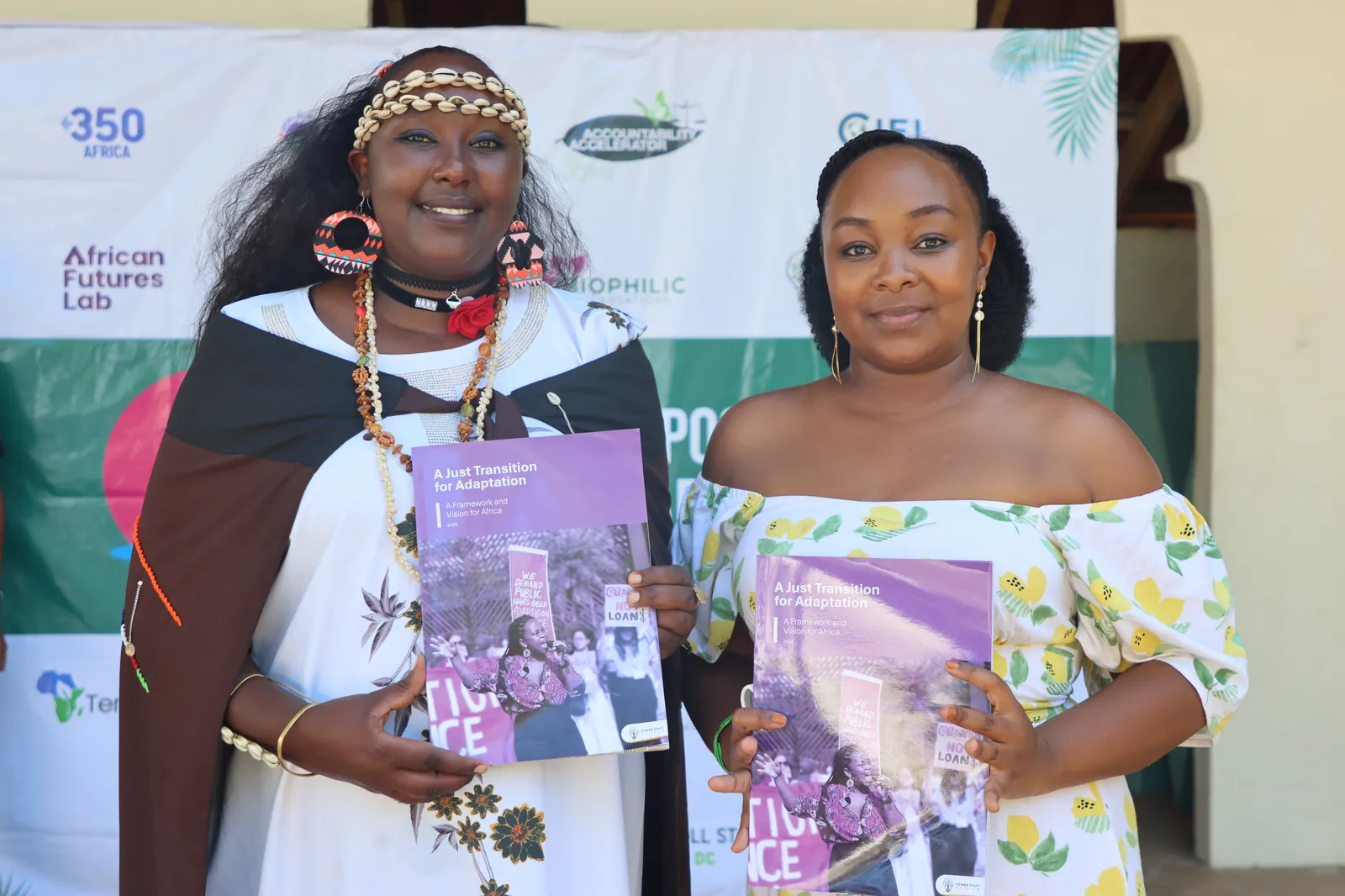
Key demands for economic repair include:
- Grant-based finance: Delivering climate finance and loss and damage funds strictly as grants rather than loans.
- Debt cancellation & tax sovereignty: Restructuring debt architectures, ending wealth extraction from the Global South, and protecting national tax sovereignty.
- Reforming MDBs: Overhauling the governance structures of Multilateral Development Banks to dismantle neocolonial economic dependencies.
The Road Ahead: Building a Unified Pan-African Agenda
With the launch of the African Union Decade of Reparations (2026-2036) and the upcoming COP32 in Addis Ababa, Ethiopia, Africa stands at a historical crossroad. Ethiopia’s legacy as a symbol of African resistance and sovereignty provides a fitting backdrop for demanding a unified continental position on climate reparations.
As 350.org and our civil society partners carry these reflections forward, our mandate is clear: We must halt fossil fuel expansion, hold major polluters accountable, and support community-led, self-determined pathways toward a just energy transition.
The time for charity has passed. The time for climate reparations and structural repair is now.
Read the full open letter: An African Call for Climate Reparations Accountability, Equity, and Repair for People and Planet final.pdf to stand in solidarity with frontline African and Afro-descendant communities.
Related blogs
News, stories, and insights from the global climate movement.
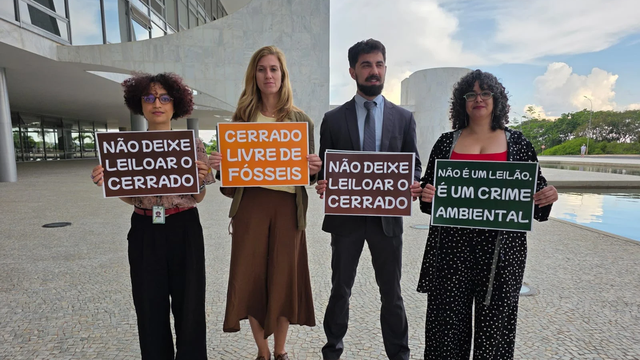
The Cerrado Is Not for Sale
Explore the upcoming gas auction in Brazil and its implications for Indigenous lands and the environment in Maranhão.

Keeping Safe from Fires and Liars
Explore the connection between climate crises and disinformation as experts discuss current challenges and their impacts.
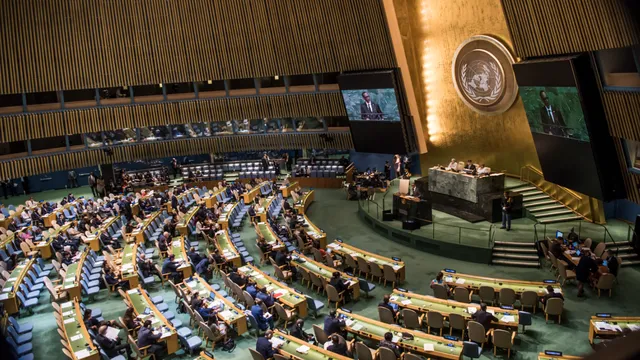
UNGA: A week that laid bare the world’s fault lines, climate crisis all over it
From war to the accelerating climate crisis, this year’s UN General Assembly felt less like a tour through the fault lines shaping the world.
