

Around the world, communities are facing more frequent and more intense floods, droughts, heatwaves, wildfires, cyclones, and other extreme weather. The science is clear: climate change, driven primarily by the burning of fossil fuels, is making many of these events more severe.
The impacts don’t end when the disaster does. Crops are lost, homes are damaged, energy demand rises, and the cost of food, electricity, and rebuilding continues to climb. That’s why the climate crisis is also an affordability crisis.
As climate impacts intensify, the need for affordable, reliable renewable energy becomes more urgent than ever. That’s why we’re calling for a Great Power Shift: away from fossil fuels and towards affordable renewable energy that puts people first. Join us.
YOU'RE NOT POWERLESS. HERE'S WHAT YOU CAN DO:

Stay safe and alert.
Get guidance on preparing for extreme heat, storms, floods, and other climate impacts.

Talk about it.
Climate conversations matter. Learn how to discuss the climate crisis and its impacts with friends, family, and your community.

Support communities.
Find trusted organisations providing emergency relief and community support.
Help build long-term solutions.
Discover campaigns working to replace fossil fuels with affordable renewable energy.
Sign the petition
Tell governments: ensure affordable renewable energy for all.
They must:
- Tax fossil fuel companies' profits permanently. Use those funds to lower energy bills for households worldwide.
- End fossil fuels subsidies. Redirect the money to vulnerable households & investment in reliable, renewable energy for all.
WHAT'S HAPPENING AROUND THE WORLD
Read about recent extreme events and learn more about their impacts. For real-time severe weather alerts and warnings around the world, explore the World Meteorological Organization’s Severe Weather Information Centre map.
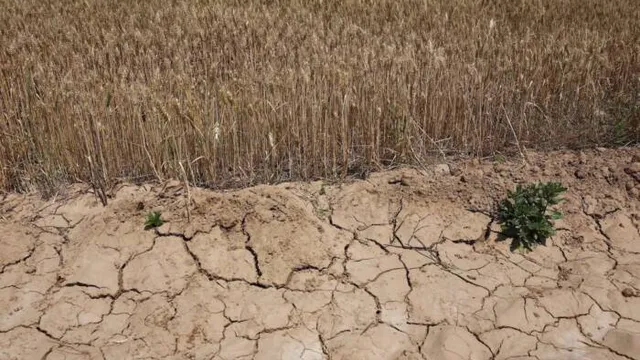
El Niño 2026: It is here and could reach historic intensity
El Niño has officially arrived, raising concerns about worsening droughts, floods, heatwaves, and food shortages across multiple regions. Scientists warn that combined with human-caused climate change, it could push global temperatures to record highs and increase risks for communities already vulnerable to extreme weather.
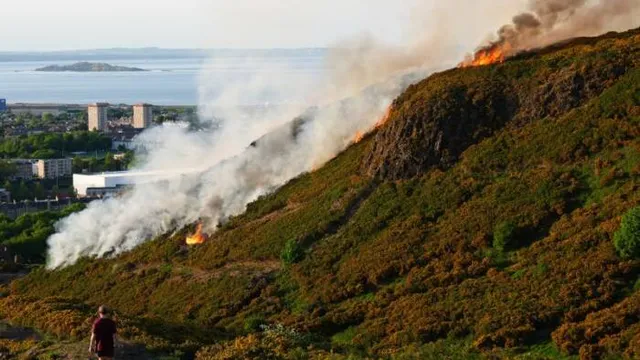
Heatwave 2026: Europe
Record-breaking temperatures swept across Europe, with the UK, Ireland, and France experiencing their hottest May and June on record, set at 35.1°C and 37.7°C, contributing to more heat-related deaths and underscoring how climate change is making extreme heat events more severe and more likely.
Check out NASA’s Fire Information for Resource Management System »
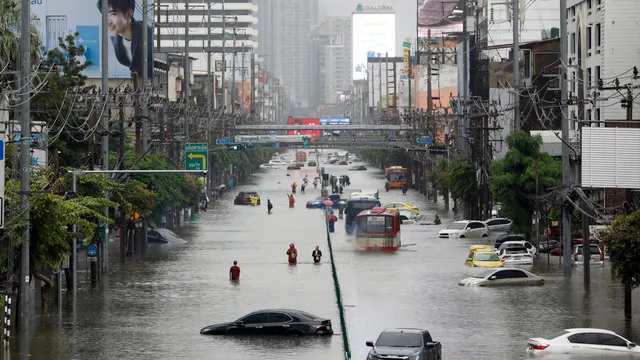
Extreme rainfall and typhoons: Asia
Across Asia, extreme rainfall is leaving communities dealing with deadly floods, landslides and repeated destruction. In Japan, Typhoon Dujuan killed 14 people and flooded homes and businesses in the Kanto region. In Thailand, floods have affected 1.7 million people across 27 provinces, while neighbouring Myanmar has reported deaths and people missing after floods and landslides.
You have questions. Here are straight answers.
Across the world we are seeing increasing numbers of extreme weather events, like floods, deadly heat waves, stronger typhoons and longer droughts. The science is clear: it is because of the climate crisis. And it is those least responsible for this crisis that are having to bear the brunt of its impacts – with coastal communities and island states in the Global South having their very existence threatened by rising sea levels, storms and floods.
Our planet’s atmosphere and oceans are heating up faster than at any point in the last 65 million years, and this has been particularly noticeable in the past two decades.
A warmer atmosphere holds more water, about 7% more per degree of warming, fuelling heavier rainfall and more powerful storms. That same warmth dries out soil faster, making droughts more severe and wildfires more intense and harder to contain.
This isn’t disputed science. Every major climate science body on earth has confirmed it. The question is no longer whether the climate is changing; it’s whether we act fast enough to limit how bad it gets.
Yes. The burning of coal, oil, and gas is the primary driver of the greenhouse gas emissions heating our planet.
The IPCC, the world’s leading climate science body, has confirmed that the increased frequency of record-breaking rainfall, heatwaves, and wildfires can only be explained by human-caused changes to atmospheric greenhouse gas concentrations. Fossil fuel companies have known this for decades. Many funded campaigns to hide it.
They’re in the same crisis. Climate disasters destroy crops and disrupt supply chains, pushing up food prices. Floods and droughts damage homes and infrastructure, raising the cost of housing and insurance. Dependence on fossil fuels leaves household energy bills exposed to volatile global markets and geopolitical shocks.
As long as our economies depend on coal, oil, and gas, prices will remain unstable, bills will keep rising, and communities will keep paying the cost of a crisis they didn’t cause. Affordable, renewable energy isn’t just a climate solution, it’s an economic one.
Climate change is not hitting the world equally. Communities in the Global South – who have contributed least to cumulative emissions – are on the sharpest edge of the crisis. Coastal nations in the Pacific and Indian Ocean face existential threats from sea level rise. East Africa is experiencing the worst multi-year drought in recorded history.
But this injustice isn’t only between nations. Within wealthy countries, it plays out between communities too. When disaster strikes, those with money can access private firefighters, insurance payouts, and funds for rebuilding. Those without cannot. The 2025 Los Angeles wildfires made this visible to millions: wealthy neighbourhoods were defended while others burned. Climate disasters don’t just reflect inequality, they deepen it.
No. Some impacts are now locked in, and we must reckon honestly with that. But for every fraction of a degree of warming we prevent, lives will be saved. The difference between 1.5°C and 2°C of warming is not a rounding error – it is hundreds of millions of people.
Stopping every new fossil fuel project, redirecting public money to renewable energy, and holding polluters accountable are actions that matter enormously right now. The fight is not over.
We’re an international movement of people working to end the age of fossil fuels and build a world powered by community-led renewable energy. Our 2026 campaign, The Great Power Shift, is demanding governments stop subsidising fossil fuels, make polluters pay their fair share, and build clean, affordable energy for everyone.
Our three global demands: (1) A fast and just transition to 100% renewable energy for all. (2) No new fossil fuel projects, anywhere. (3) Not a penny more for dirty energy.
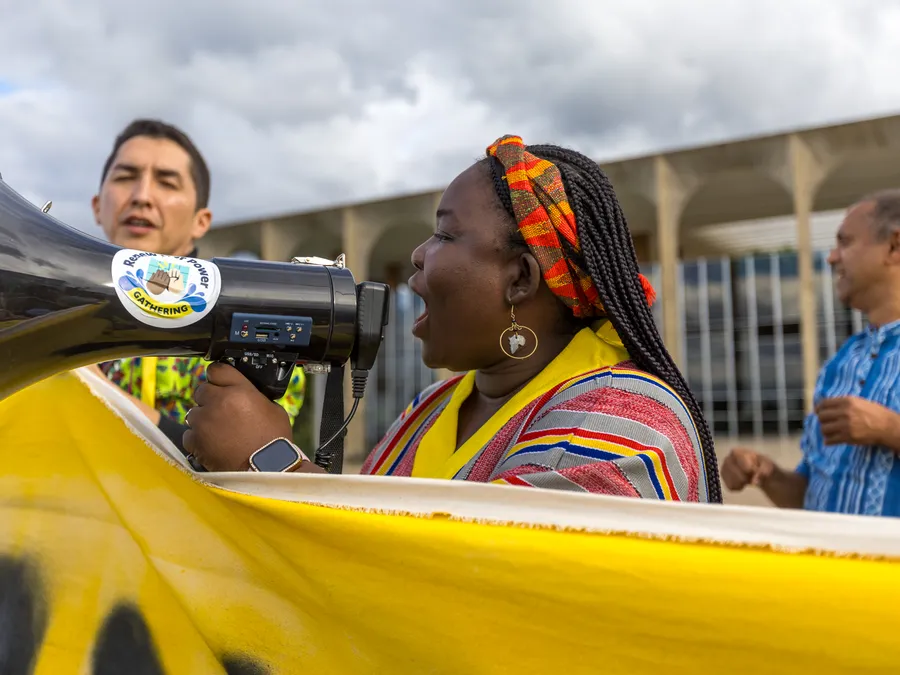
Spread the word
Help more people understand what’s happening
Climate impacts affect all of us. Share this page to help friends, family, and communities understand the connection between extreme weather, fossil fuels, rising household bills, and climate solutions.
Share on: WhatsApp | Facebook | Bluesky | LinkedIn | Email
This is a living resource. Tell us what would make it more useful for you.
