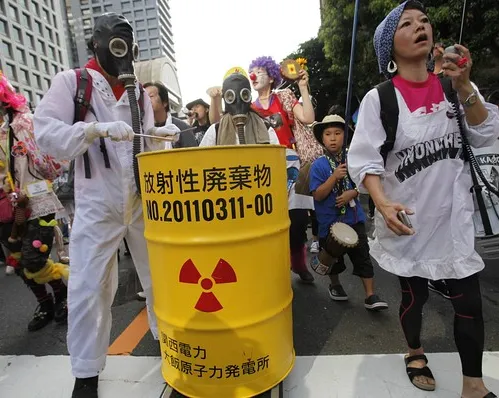
Antalya, Turkiye - Climate group 350.org Japan today slammed the Japanese government’s reported move to sign a deal with the Asian Development Bank (ADB) stepping up nuclear power in Asia, amid the strong presence of nuclear lobbyists at the ongoing COP31 climate talks.
350.org campaigners said that Japan and the ADB’s push to expand nuclear power in the region in time for the ASEAN Summit is an “expensive and dangerous distraction” from the need to phase out fossil fuels. New nuclear plants are a far costlier way to generate electricity than solar and on-shore wind, while burdening countries with radioactive risks that literally last for centuries.
350.org Japan emphasized that the COP31 electrification target must be met by renewable energy, not nuclear power masquerading as ‘clean energy’. In a joint statement, “Nuclear Power Is a Costly Distraction from Real Climate Action,” 100 civil society groups including 350.org Japan opposed the nuclear lobby at COP31.
Masayoshi Iyoda, Japan Campaigner of 350.org, said:
“The nuclear lobby is back in full force for an advertising campaign akin to how they hijacked COP28, in which about 20 countries pledged to triple nuclear power by 2050. Here in Antalya, nuclear lobbyists shamelessly claim that nuclear power is as safe as ‘bananas’ to put it on the menu of options for electric power. However, bananas don’t explode and force thousands of people to evacuate and lose their homes, as what happened in 2011 at Fukushima. The industry has dreamed of expanding nuclear power since then, but the Japanese people have largely opposed this.
Electrification must be underpinned by a shift to cheaper, safer renewables – not a pivot to discredited nuclear technology that pushes developing economies into further debt and the never ending chaos of nuclear waste disposal.
As we are crossing the 1.5C line, it’s crystal clear that we don’t have time to waste on this dangerous gamble. Nuclear projects need nearly 20 years from planning to operations. The global electrification goal must be delivered by renewable energy that can be built quickly, cheaply, safely and fairly – not nuclear power that is the very opposite of that.
The Japanese government and financial institutions such as the ADB should instead focus on supporting developing Asian countries in phasing out fossil fuels and harnessing solar and wind power for all.”
Related press releases
As COP31 talks remain divided, communities are building the fossil-free future at the Peoples’ Climate Summit
COP31 Presidency runs a ‘Bad Jokes Boys Club’ while communities on the frontlines of the climate crisis have nothing to laugh about