
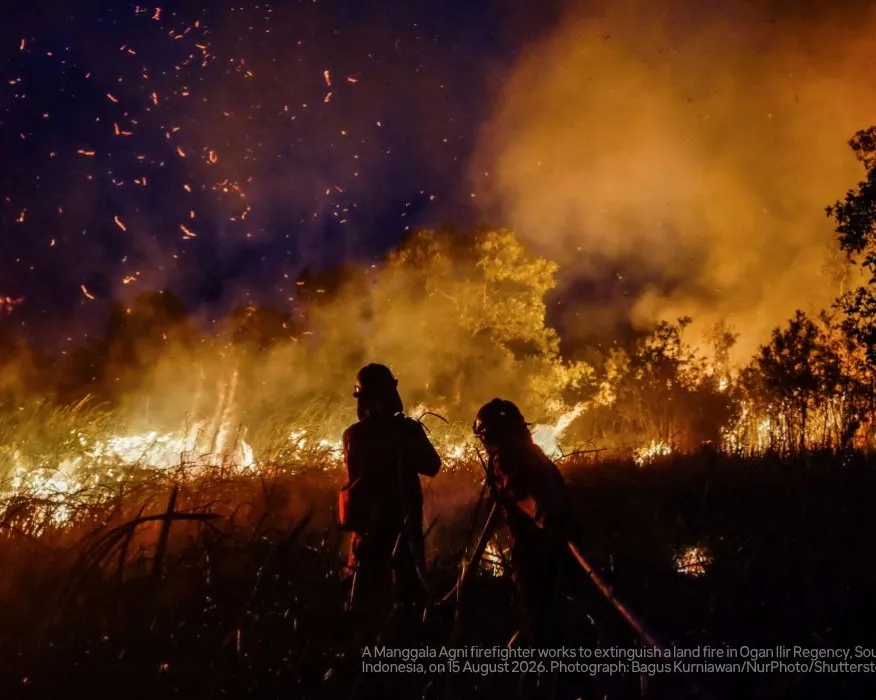
Indonesia’s wildfires highlight the need for multilateral cooperation in tackling transboundary harm caused by the climate crisis, 350.org said as the country battles its worst wildfire season in more than a decade. Toxic haze from wildfires has spread across Indonesia and to neighbouring countries including Malaysia, Singapore, the Philippines, and Timor Leste.
Climate change and El Niño are creating unusually hot and dry conditions for forest and peatland fires to spread more easily and become more difficult to contain. Scientists have recently warned of more devastating climate impacts as the world sets to breach the 1.5C temperature limit in a few years.
The upcoming UN climate change conference, COP31, is an opportunity for developing Asian countries to deliver on commitments to phase out planet-heating fossil fuels. Governments must also push wealthy, high-emitting nations to deliver climate finance for adaptation and loss and damage, 350.org said.
Sisilia Nurmala Dewi, 350.org Indonesia country lead, said:
“The Indonesian government is primarily responsible for its failure to prevent these fires. It has allowed unchecked land clearing and peat drainage by large corporations, which increases the risk of wildfires. Authorities must uphold strict liability of corporations operating in peatlands and forests by evaluating and revoking permits of offenders, and stopping further land clearing.
But these forest fires are not Indonesia’s problem alone. This level of destruction is clearly climate damage that must be addressed by multilateral cooperation. Southeast Asian governments must hold corporations accountable for land clearing and pollution. By taxing the profits of big polluters, governments can raise funds to address loss and damage: help affected populations and rehabilitate forest and peat lands. The money to treat the sick and rewet the peat should come from companies that profited from the damage, not from public budgets already stretched by it.
So far, the people have been left alone to solve their own crisis. Three months of breathing toxic air is enough. At COP31, governments must get their acts together to end fossil fuels, accelerate a just energy transition, and protect citizens from climate impacts which know no boundaries.”
Related press releases
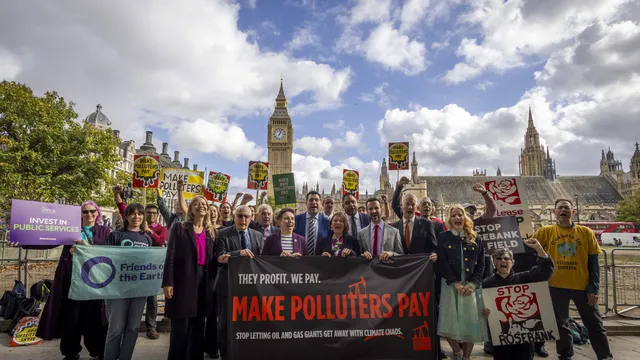
Make Polluters Pay: Coalition brings demand to UK Parliament ahead of Budget as oil giants reap bumper profits

350.org urges EU to turn fossil fuel phase-out and windfall tax proposals into action ahead of COP31
