
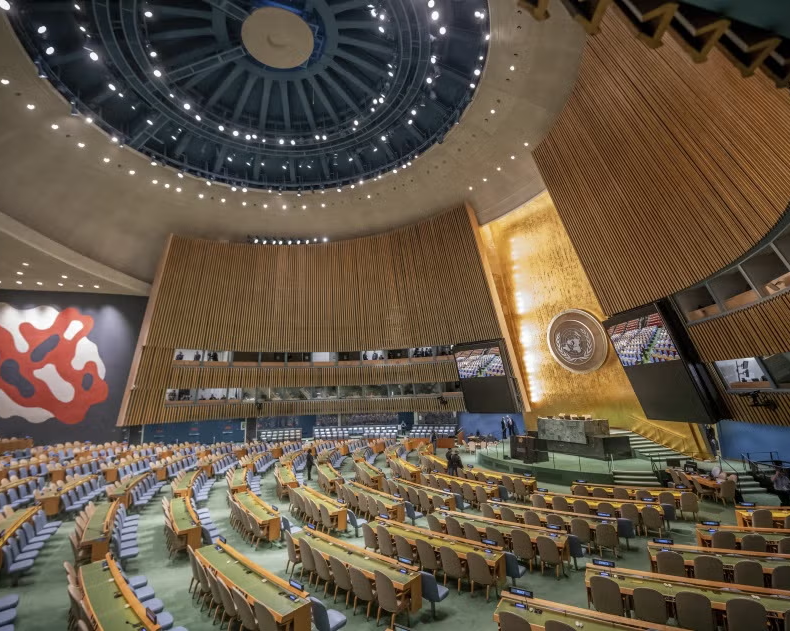
Today, government negotiators will sit down in New York for the fifth round of talks to discuss the UN Framework Convention on International Tax Cooperation. It is the sort of negotiation that might make most of our eyes glaze over.
But what actually happens in these rooms for the coming week is tied closely to our lives, our health and our cost of living. The decisions being made are simple yet consequential to our lives: will polluters profiting from the economic and climate crises that the rest of us are paying for be made to pay their share?
The price we are already paying
Conflicts, oil shocks and rising bills
Since the conflict between the US, Israel and Iran escalated around the Strait of Hormuz — the passage that carries roughly a fifth of the world’s seaborne oil trade, plus major volumes of gas and fertilizer — disruptions to shipping have pulled millions of barrels of oil a day off global markets at various points this year, and crude oil prices have spiked sharply, at times trading well above USD$100 a barrel.
This cost doesn’t stop at shipping routes. We are seeing higher oil, gas and fertilizer prices that in turn raising transport costs, food prices, and electricity bills, for everyone, everywhere. In the US alone, people have already paid nearly USD$67 billion more at the pump since the war began, working out to over USD$500 in extra fuel costs per household. In fact, over USD$700 billion is estimated to be siphoned from households and businesses to the oil and gas industry by the end of 2026 caused by these elevated prices.
Extreme weather
There is a second shock underway too. The climate crisis, fuelled by fossil fuel companies, is making extreme weather events more frequent and severe, taking an ever-growing toll on both human lives and public budgets. This summer has brought Europe’s worst start to a wildfire season on record, with over 434,000 hectares burnt by late July — more than the same point in 2025, itself the worst year on record. France is currently seeing its most devastating wildfire outbreak in half a century, with more than 300,000 people evacuated across France and Spain, and Spain is battling its largest wildfire in modern history, with firefighting costs alone estimated at up to €3.3 billion. Countries like Algeria, Türkiye and Canada too are battling deadly wildfires and around the world, we see increasingly devastating climate impacts like floods, droughts, and heatwaves, upending millions of lives. Every year, our governments are spending more and more taxpayer money picking up the pieces — on firefighting, evacuations, emergency relief, rebuilding and more.
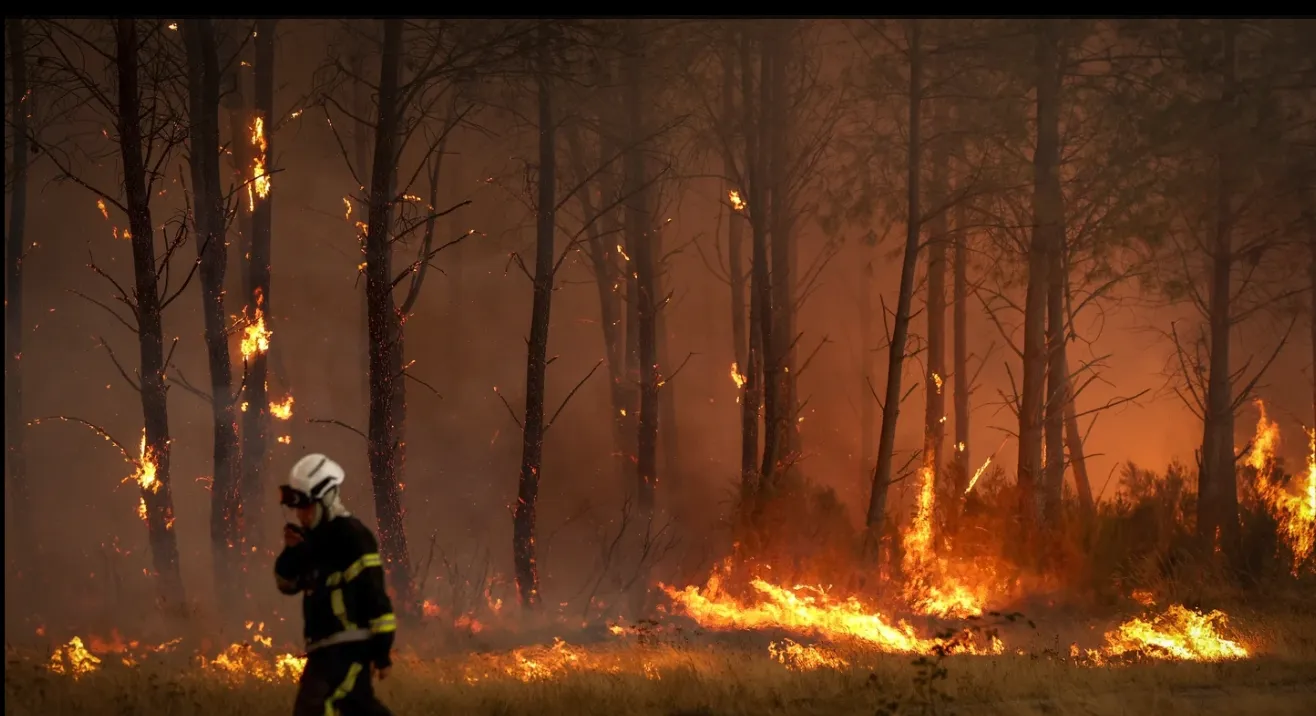
Every fossil fuel price shock and every climate disaster acts like an unofficial second tax on us: charged once through our everyday bills, and again through the public taxes we pay.
Where our money is actually going
This money out of our pockets isn’t disappearing either. While ordinary people struggle, oil and gas majors are posting exceptional profits, not despite these price shocks, but because of them. The volatility unleashed by the US-Israel-Iran conflict has been especially good for business, with the Big ones just having announced shockingly high earnings from second quarter of 2026 (April, May and June):
- TotalEnergies, the French oil and gas giant and France’s largest company by revenue, reported USD$6 billion in profits, more than double what it made a year ago.
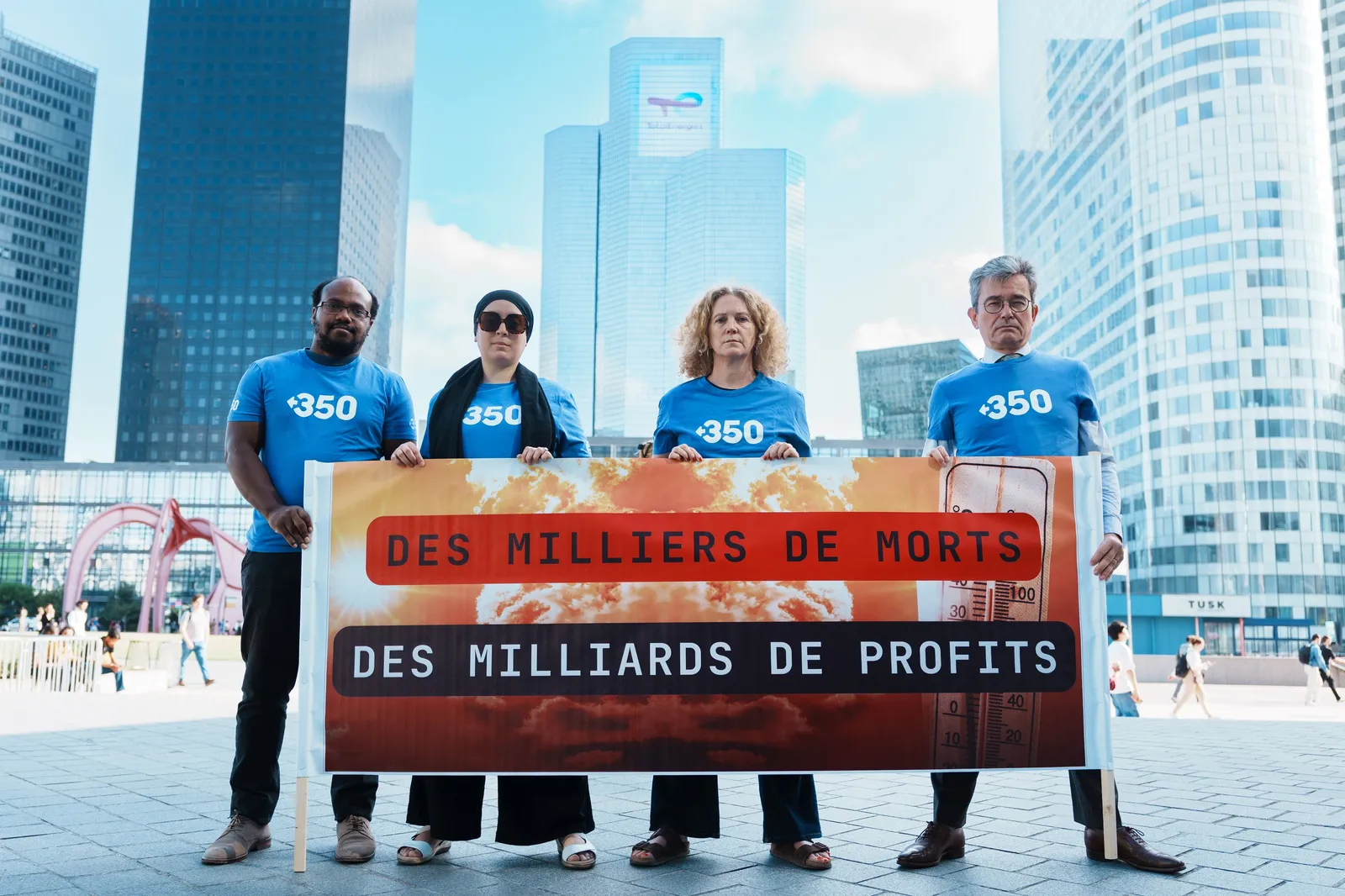
- Shell, the British oil and gas major and one of the world’s largest energy companies, posted profits of USD$9.84 billion for the second quarter, also more than double last year’s figure, and its best quarter since 2022. CEO Wael Sawan told investors the company was built to “thrive through volatility.” BP, another UK based oil company, also just announced a net profit of over USD $5.73 billion, up $2.5bn from the quarter before.
- US Big Oil companies Exxon and Chevron have netted over a combined USD$26 billion, with it being the largest quarterly profit ever for the latter.
That’s over USD $48 billion taken in profits by just four large oil companie while the rest of the world is left dealing with climate and energy chaos. To put this in perspective, this is more than the entire yearly national incomes of over 100 countries,
The UN Tax Convention is an opportunity to course correct
There’s something deeply unfair about this picture: the same volatility that’s draining household budgets and straining public finances is the very thing fossil fuel companies are cashing in on. These round of talks is a real chance to change that by creating binding rules that shift the cost off households and onto the companies that are recording obscene profits. Governments are aiming to deliver a global treaty also called ‘The United Nations Framework Convention on International Tax Cooperation” by 2027 to end corporate tax evasion and opacity, and establish fairer taxation rules. But they must also use it to make oil and gas majors pay for their role in the climate crisis, including funding lasting protection for affected populations.
This matters most for countries in the Global South, who are often sitting on fossil fuel reserves or living through the worst of the climate damage, with the least power to claim a fair share of profits made from either. It is also important for other countries, where public budgets are increasingly being eaten up to prop up fossil fuel companies or coping with climate disasters caused by the very same industry. Every dollar Big Oil avoids paying in tax is a dollar of our taxpayers money that governments have to cough up. That money has to come from somewhere, and usually it’s taken from budgets for health, education, transport, and other public services.
What should be on the table
As a new global treaty is taking shape, its an opportunity to help fund the future we all want. World governments need to make sure this time, the worst and the wealthiest polluters pay for the climate damage they’ve caused by ensuring two things:
1. A strong, permanent tax on the profits fossil fuel companies are making right now
Research found that a 20% surtax on the profits of the world’s 100 largest oil and gas companies could have raised over $1.08 trillion since the Paris Agreement was signed in 2015. Our leaders must write a permanent surtax on fossil fuel corporations’ global profits into the UN Tax Convention, aligned with the polluters-pay principle, so companies making billions from the climate crisis pay for it long after this year’s price spikes are forgotten..
2. Directing that revenue for climate response
The treaty should lock in that the revenue should be directed to the communities and countries hit hardest by climate disasters, energy poverty, and fossil-fuel price shocks, and to a fast, fair shift to renewable energy. Without that earmark, governments could tax the polluters and still leave the people paying the steepest price for their pollution without dedicated support.
Our leaders cannot keep proclaiming there isn’t enough money for the clean energy transition or other public priorities while vast pools of fossil-fuel profit remain largely untouched. They must tax the exceptional profits of an industry that has known for decades that its business model was driving the climate crisis, and still chose to keep extracting, keep expanding, and keep collecting record profits from it. That means taxing Big Oil’s windfalls, closing the loopholes that let those profits disappear before they’re ever assessed, and putting the proceeds where they’re needed most: with the people and countries paying for a crisis this same industry caused.
What can you do
You don’t need a seat in the negotiating room to have a stake in what happens there. If oil and gas companies keep profiting from every disruption while ordinary households absorb the cost, it’s because a set of rules enables them to do so. But these rules can change.
The week’s meeting isn’t an opportunity worth letting pass. Big Oil’s Q2 profits have given us concrete numbers to hold up next to what governments could be collecting instead, right as the room decides whether to write that possibility into the treaty text.
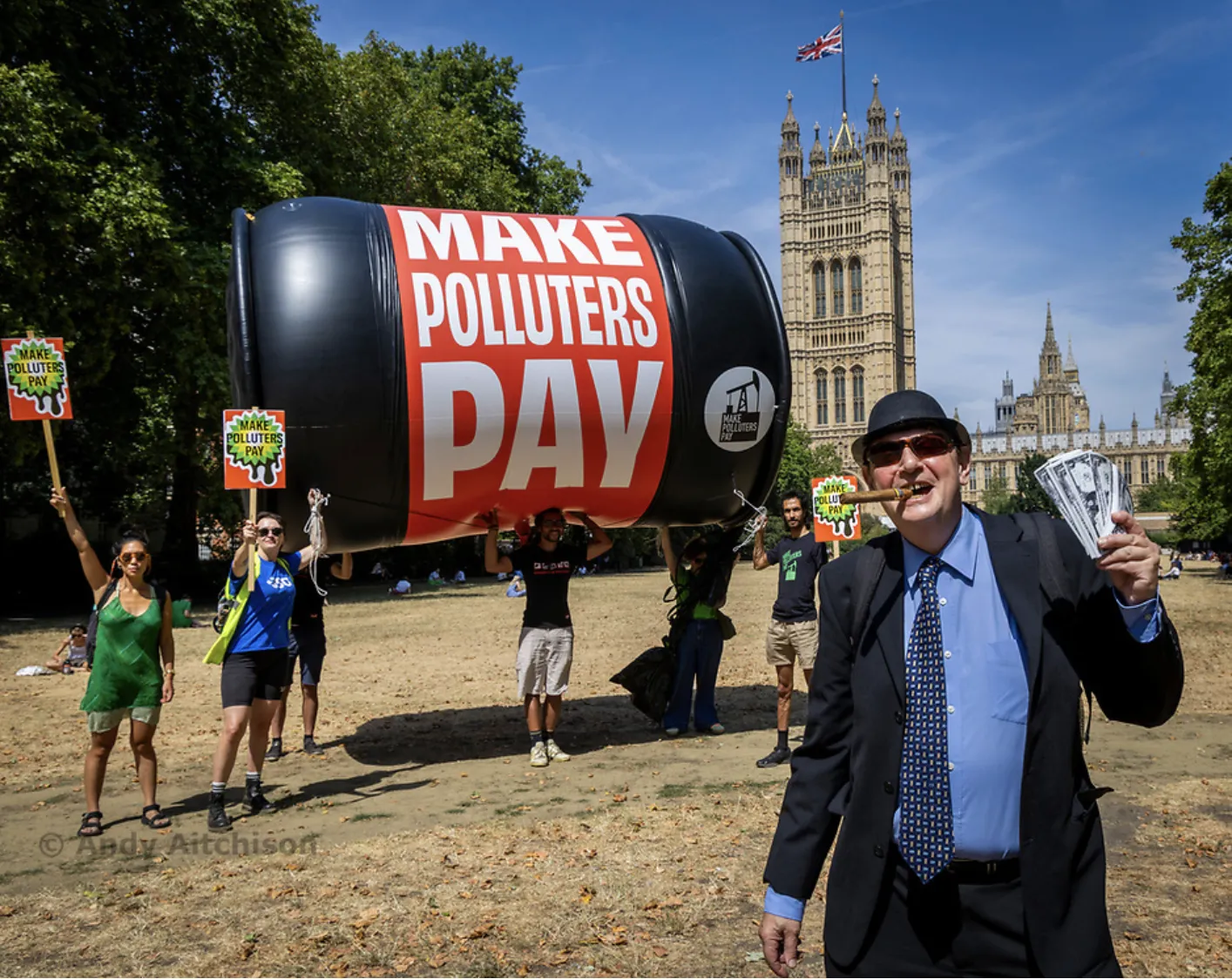
That’s the leverage we actually have here. We are calling on all participating governments at the UN Tax Convention, to write a permanent, unavoidable surtax on fossil fuel companies’ global profits into the Convention, and to spend that revenue on climate protection and affordable clean energy for the people who need it the most.
Make polluters pay!
Related blogs
News, stories, and insights from the global climate movement.
The Cerrado Is Not for Sale
Explore the upcoming gas auction in Brazil and its implications for Indigenous lands and the environment in Maranhão.
Keeping Safe from Fires and Liars
Explore the connection between climate crises and disinformation as experts discuss current challenges and their impacts.
UNGA: A week that laid bare the world’s fault lines, climate crisis all over it
From war to the accelerating climate crisis, this year’s UN General Assembly felt less like a tour through the fault lines shaping the world.
