
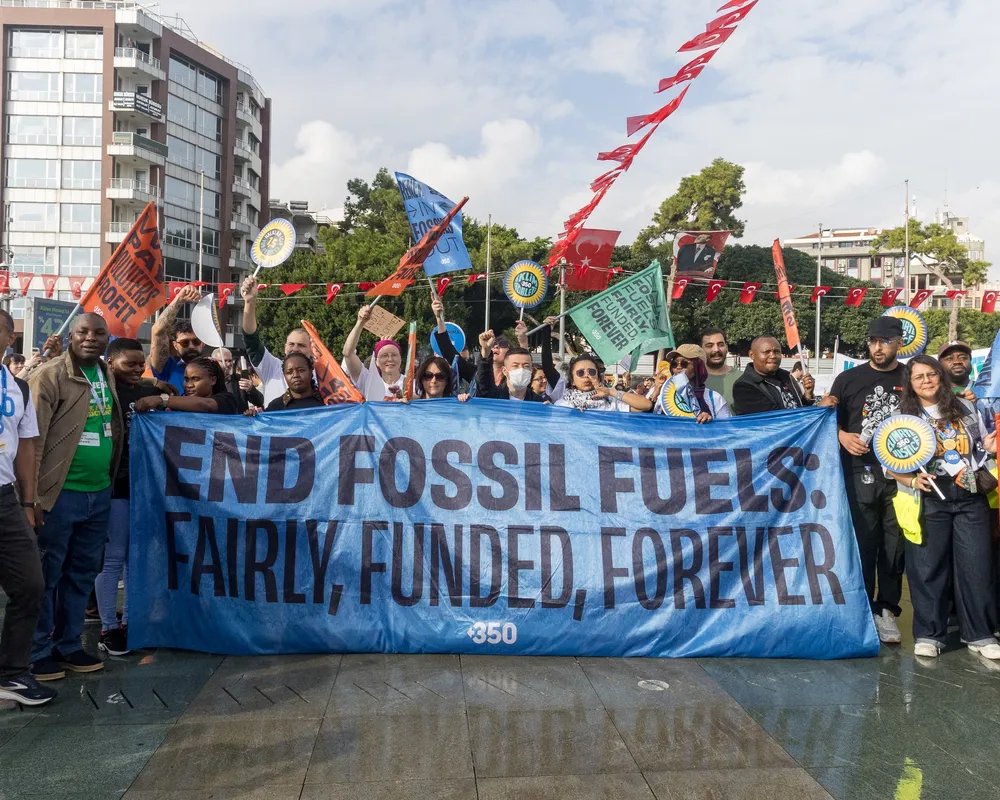
Blog written directly from COP31 by Savio Carvalho, 350's Managing Director for Campaigns and Network.
Week one of the Climate Summit has passed relatively quickly in beautiful Antalya. The city has an energetic vibe (even without the electrification goal) with the locals, tourists and those who are here for the climate summit. Some guesstimates say that over 100,000 people are here in Antalya for the meeting.
So what really happened over the past seven days? The glass half full or half empty is the question. Talking of glasses, we are far away from any clinking or celebrations. This is because the two leaders of this meeting have a choice! They can be heroes of this meeting or otherwise. The CoP31 Presidencies, Murat Kurum, Turkish and Chris Bowen, have all that they need - the pen, the gavel, the vision and the motivation - and if they play their part, they can be on the right side of history. But so far… they haven't.
Here's a quick and dirty recap on what happened in this first week at COP, and what needs to happen next:
- Roadmaps to transition ways from Fossil Fuels (TAFF):
we are seeing a real push towards ending fossil fuels for good. Leaders of several countries here are backing the shift away from coal, oil and gas that are causing the climate crisis – and the UN Secretary General himself, António Guterres, called for it in his speeches.
Hats off to Brazil too for championing this process and leaving it in able hands of the presidencies who can further it as part of their initiative. A troika of COP30, COP31 & COP 32 Presidencies can also make this happen. Quite a few countries have already submitted their roadmaps (more expected) which could become blueprints for Ministries of Finance to start planning a just, orderly, equitable and ambitious transition from fossil fuels.
But this year’s COP hosts have offered no way forward on these solutions, so far. They really need to stop wasting time, and step up as COP31 leaders. Türkiye and Australia must lead on the shift away from fossil fuels at these talks and get real about phasing out fossil fuels at home.
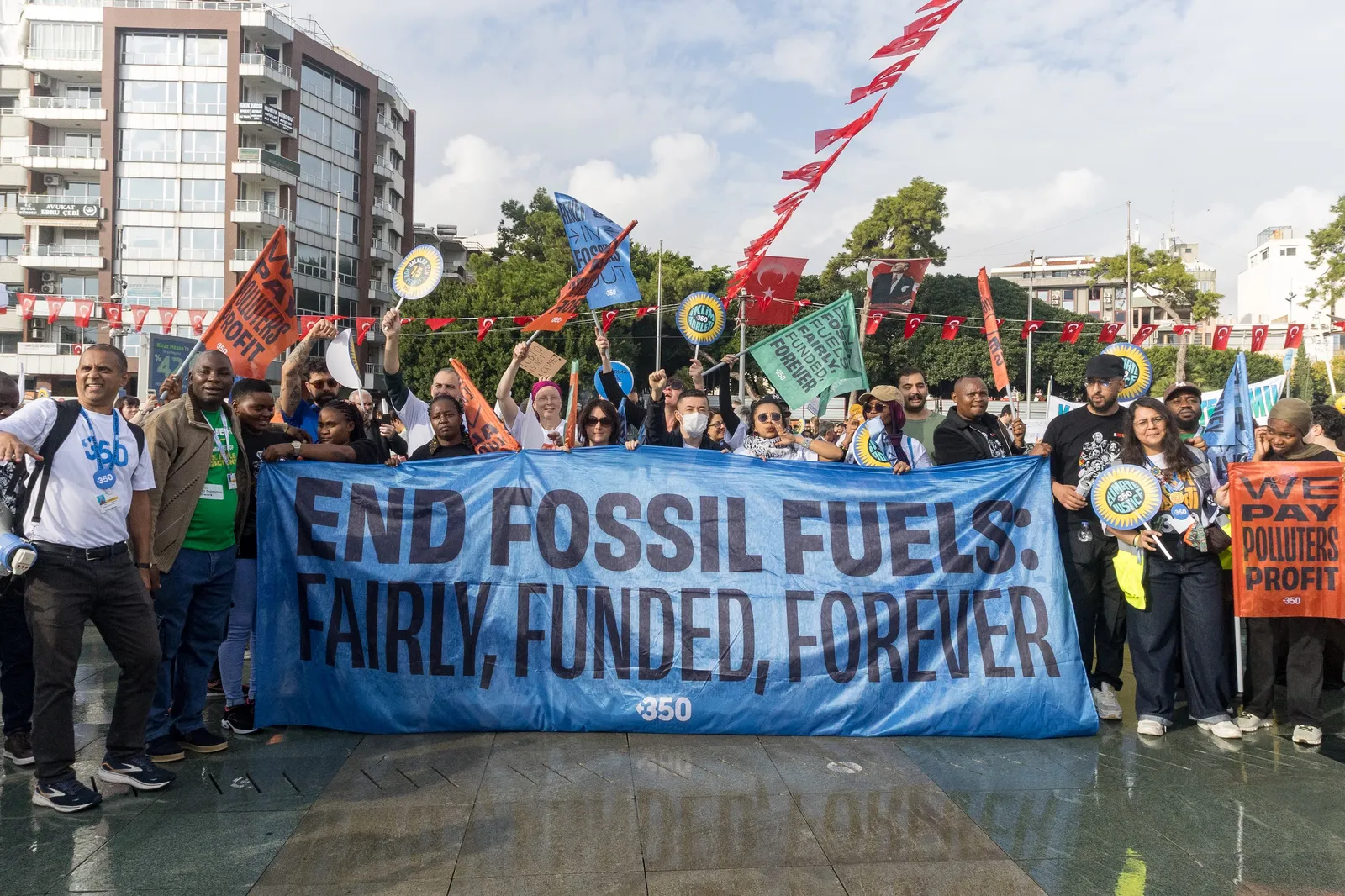
2. Electrification:
COP31's word of the year, and the other side of the ‘TAFF’ coin. There is a lot of momentum to deliver a goal on electrification, with support from country and business leaders alike. This momentum also includes the launch of the “Electrify Now Finance Coalition” this week, to help resource initiatives to reach the 35x35 goal – meaning, raising electricity's share of global energy consumption from roughly 23% now to 35% by 2035.
Electrification and energy efficiency are essential elements to transition away from fossil fuels – they should, for sure, be part of the roadmaps to end coal, oil and gas. But lets not mince words: electrification must be from renewables and there is no space for backdoor entry for gas, nuclear or other “low carbon” fuels. Electrification can be embedded into tripling electricity targets with increased finance, investments and other means of implementation. The goal must be not only to lift millions out of energy poverty, it must also add value to lives, livelihoods and dignified living.
So what we need in this next week is to see electrification getting into COP texts in the right way: affordable, powered by the sun and wind – not dirty fossil fuels or risky nuclear – and matched with the money needed. It also needs to prioritize energy access and essential needs – putting people over profit in the path towards 35x35.
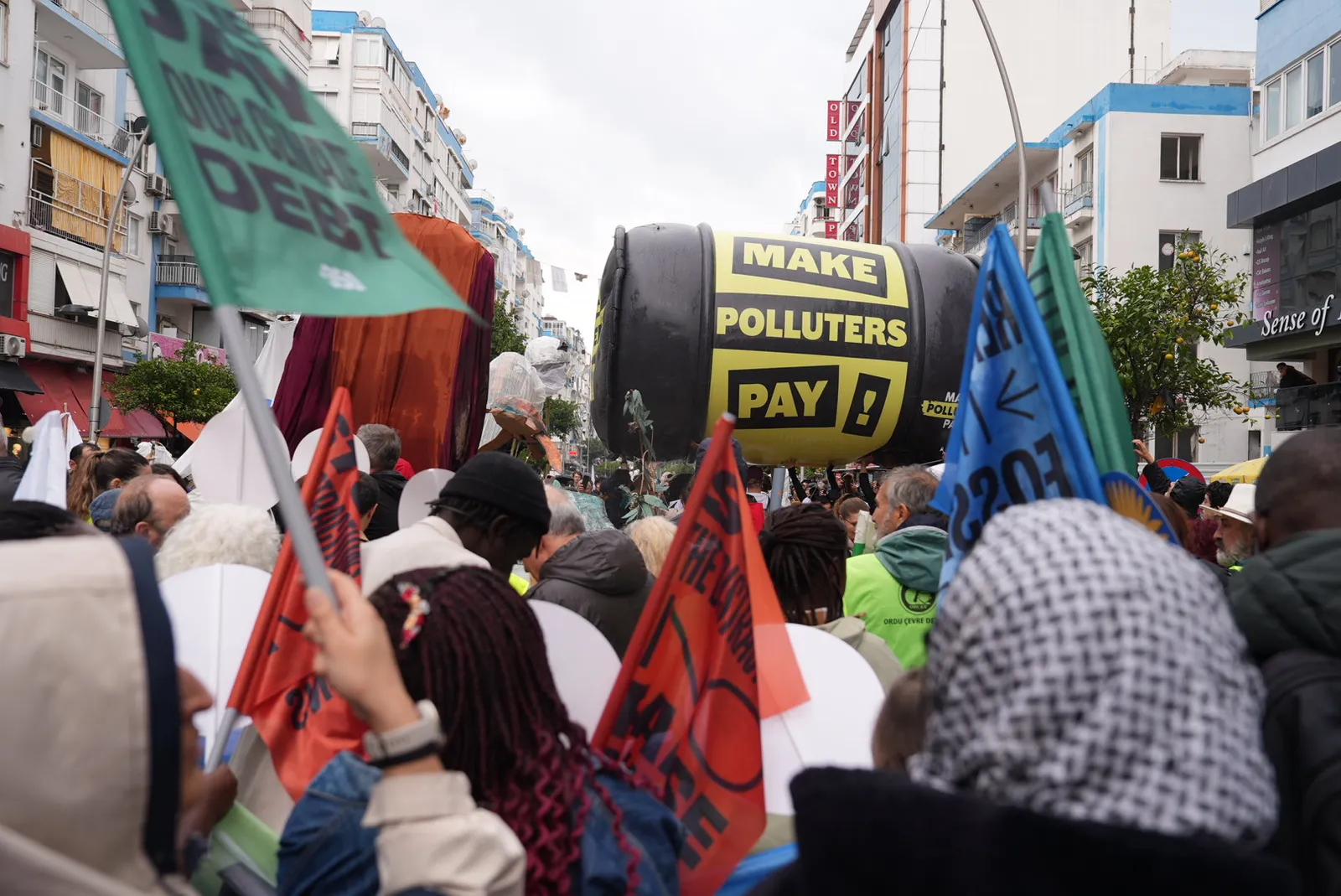
3. Finance:
We are also seeing growing calls to make rich countries and destructive industries pay for the climate damage they have caused. The UN Secretary General himself has been loud and clear: polluters must pay! – backing what civil society has been demanding throughout this first week at every chance.
There can be no moral standing if rich countries keep ducking away from their financial responsibilities. The current allocations for adaptation to climate change, specially for climate vulnerable countries and communities is severely underfunded. Some countries are paying a bulk of their public funds on servicing their debts rather than investing in climate. Across the 65 most climate-vulnerable countries, debt servicing eats up about 65% of government revenue (ActionAid, 2026). Rich countries are still into the blah blah mode and need to put their hands (not only phones) in their pockets.
So, well, for week 2 we need rich countries to commit to fair and grant-based climate finance that is needed, and make polluters pay their fair share in taxes.
Cover Decision
On Friday, the COP31 presidencies have put out their initial thoughts for the 'Cover Decision' that brings together the key political outcomes from the negotiations. My colleague and 350 France Manager, Fanny Petitbon, broke it down for us about what's in the text so far, and what we should continue fighting for:
The first draft of the Cover Decision is expected to drop this Monday, and we will be watching.
The success of this climate summit is in the hands of the two presidencies. This is a once in a lifetime opportunity for them to make a difference and be on the right side of history.
Kurum and Bowen, you can be heroes or zeros. Act now.
Related blogs
News, stories, and insights from the global climate movement.
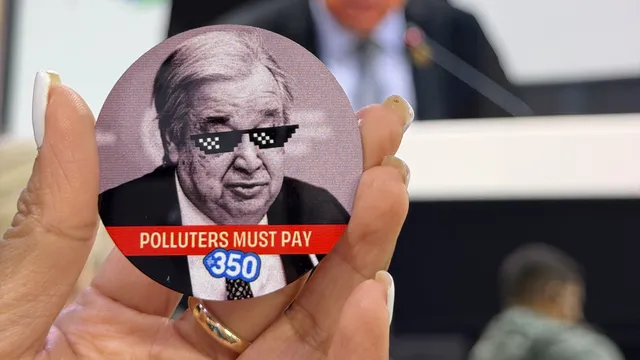
Guterres says it, we cheer it: Make Polluters Pay!
Climate campaigners threw a party for the UN chief at COP31. The reason? He keeps telling the world’s leaders to make polluters pay. And we agree!
COP31: Australia, don't be a blocker!
Australia is running the COP31 climate negotiations together with Türkiye, but blocking a plan to move off fossil fuels. Sign the open letter urging PM Albanese to lead.
COP31: Will world leaders finally deliver on ending fossil fuels?
Fossil fuel profits are breaking records while families everywhere are opening energy bills they can’t pay. This is the result of political choices that put profit ahead of people. And it doesn’t have to be this way.
