
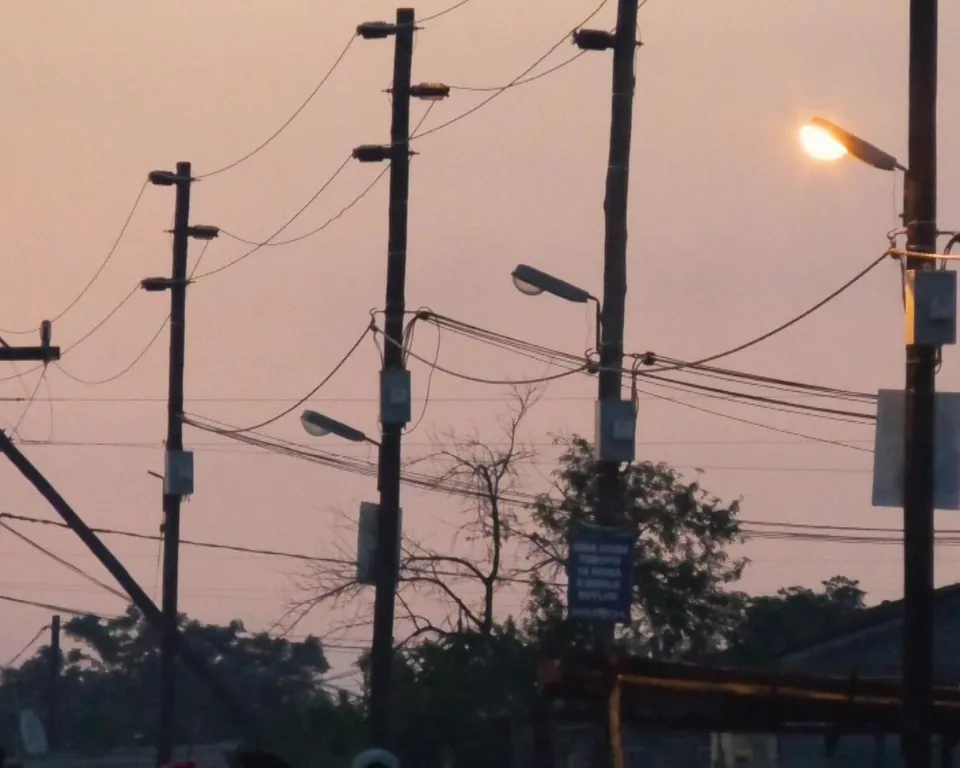
South Africa’s local government elections are over. New councillors have been elected, and municipalities are beginning to form their new councils.
For households struggling with the rising cost of electricity, the question now is: what will these new councils do to make electricity more affordable and accessible?
Free Basic Electricity (FBE) has been part of South Africa’s social support system for more than 20 years. But the amount provided has remained at just 50kWh per household each month since 2007. Over the last 20 years, electricity tariffs have increased by nearly 1,000%, and 50kWh is no longer enough to cover basic household needs.
Government has recognised that this needs to change. Electricity and Energy Minister Kgosientsho Ramokgopa has said government is considering increasing the monthly FBE allocation to between 200kWh and 300kWh for qualifying households. But this is still only a proposal. It is not yet clear how it will be funded, who will qualify, or how many households will benefit.
That matters because increasing Free Basic Electricity is only part of the solution. People also need to be able to access it.
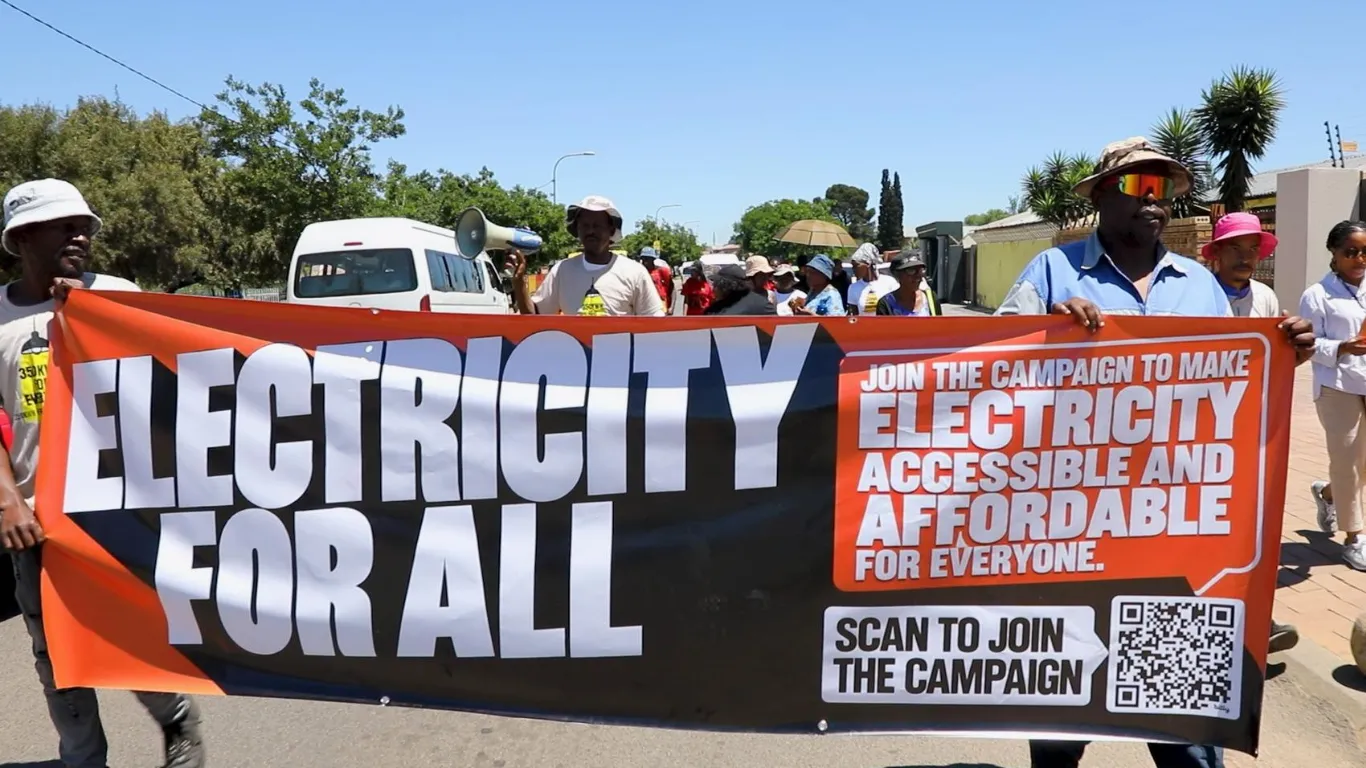
Who gets Free Basic Electricity?
FBE is intended to support households that cannot afford basic municipal services, often called indigent households. But there is no single national process for accessing it.
Municipalities are responsible for identifying and registering indigent households. Each municipality has its own criteria for deciding who qualifies and how households can register. These criteria generally consider household income, as well as whether a household can afford basic municipal services.
In many cases, households must apply for their municipality’s indigent support programme and provide documents such as an ID, proof of income, and proof of residence.
Being eligible for FBE does not necessarily mean that a household is receiving it. That gap matters.
Millions of Households Are Still Missing Out
Government has acknowledged that many households who should be receiving FBE are still missing out.
In October, the Minister said that only around 1.7 million of an estimated 2.8 million indigent households were benefiting from FBE. He pointed to gaps in registration, limited municipal capacity and differences in how municipalities manage their indigent registers.
This makes the new local government term especially important. Municipalities are responsible for implementing FBE, and newly elected councillors have a role in ensuring eligible households know about the support, can register for it, and actually receive it.
More FBE will only make a difference if it reaches the people who need it.

Now the Real Work Begins
The 2026 local government elections have brought a new group of councillors into office. These are the people who will now decide on local services and budgets in their communities.
Municipalities have a role in ensuring eligible households can access FBE. Councillors can help communities understand the process, push municipalities to improve registration and raise the issue when people are being left behind.
For the Electricity for All campaign, this is where the next phase of the work begins.
We need to support communities in understanding and accessing the Free Basic Electricity that is already available to them. We need to keep electricity affordability on the public agenda. And we need to engage the new cohort of councillors and local government leaders on what it will take to make electricity more affordable and accessible in their municipalities.
At the same time, we will continue to push for a Free Basic Electricity allocation that reflects what households actually need.
350kWh is about more than a number. It is about ensuring that people have enough electricity to live with dignity.
But for that to become a reality, access issues have to be addressed.
Related blogs
News, stories, and insights from the global climate movement.
COP31: People 1 x 0 Polluters
This year's UN climate summit (COP31) has just ended. The overarching “cover decision” was rejected, and countries left with no final agreement. You'd think that's bad, but it's not.
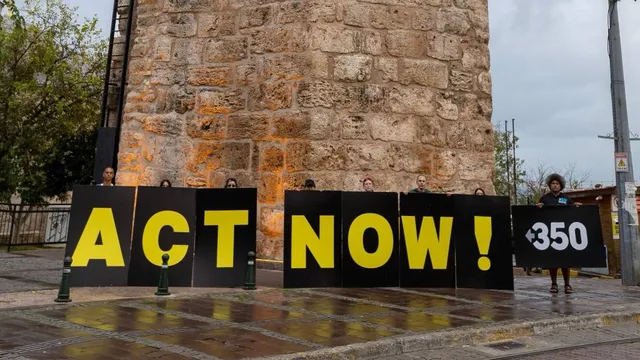
Time is running out at COP31
As COP31 negotiations drag on, the decisions we’ve been waiting for are still nowhere to be seen. Our message for world leaders is clear: THERE'S NO TIME. ACT NOW.
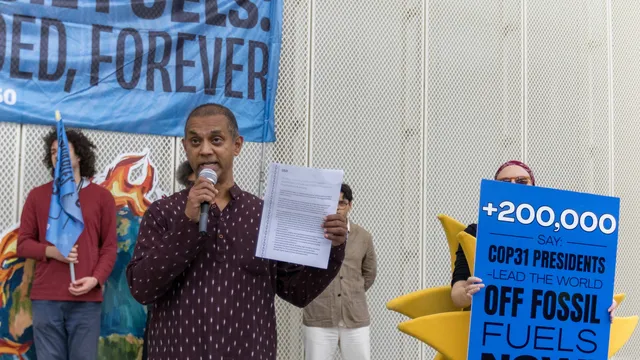
Over 240,000 people called on COP31 to turn the page on fossil fuels
COP31 in Antalya is entering its final hours, and we made sure our message cannot be missed: COP31 must deliver. The time for delay is over!
