
This year's UN climate summit (COP31) has just ended, after running over by 44 hours - making it the longest on record! But in the end the overarching “cover decision” was rejected, and countries left with no final agreement. You'd think that's bad, but it's not.
No deal is better than a bad deal
What was on the table a terrible deal that left out any mention of fossil fuels, offered no real money to the countries hit hardest by climate change, and handed polluters a carbon capture loophole.
Once we saw the final text we pushed hard for governments to reject it, and many did: from the EU and UK to Vanuatu and the Marshall Islands. For the first time, countries stood up firmly against the power and money of the fossil fuels industry. And this is a real win!
Of course this is not the result we wanted. In the year science confirmed we will overshoot the 1.5C global temperatures increase, people living through floods, wildfires and extreme heat needed a plan to move off coal, oil and gas, and real money to cope. Not finding agreement on bold steps to deliver it is frustrating, disappointing, outrageous.
But the text on the table would have made things worse: it didn't name fossil fuels, it offered loose change on adaptation finance, and it handed polluters a carbon capture loophole. No deal, in this case, was far better than a bad deal.
Our voices, at COP and around the world, made a true and meaningful difference in putting pressure on governments to stand up with people and face polluters. And we will keep that pressure up!
What countries refused to sign
1. A deal that wouldn't name fossil fuels
The push to move away from coal, oil and gas has never been stronger. Brazil, which hosted last year's talks, handed over its global roadmap for moving away from fossil fuels in Antalya. At COP31, groups representing at least 73 countries asked for that work to continue, and more than 10 ministers called on the presidencies to deliver.
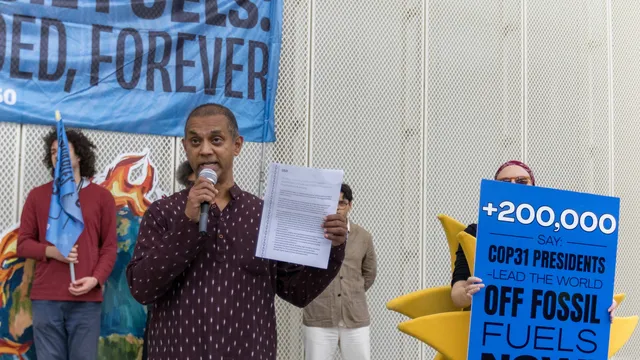
We helped build that momentum. On Energy Day, our activists took over the entrance to the negotiations to demand a fast, fair and funded phase-out of fossil fuels. In the final days of the summit, we delivered our petition, now signed by more than 250,000 people, to the Australian Pavilion, asking the presidencies to make COP31 a turning point for fossil fuels.
The first draft of the deal mentioned the energy transition in passing but had no plan to make it happen. And by the final draft it was completely gone. Türkiye's COP31 president had already dismissed it as "insignificant words", and it was cut in the final hours. Signing that text would have meant going backwards from the promise governments made at COP negotiations three years ago.
2. Electrification without renewables
The "35 by 35" target, to get 35% of the world's energy from electricity by 2035, was this COP's flagship goal. We pushed until the end for that power to come from the sun and wind and to be backed by the money to make it happen. As the last draft was being written, our team stepped into a ‘boxing ring’ outside the talks, where renewables knocked out fossil fuels.
The final draft only asked for the "greatest possible use of clean energy". It never said the power has to come from renewables, so gas and nuclear could still have counted, and it offered Global South countries no money to make the switch.
3. Adaptation promises with no money
At COP30 in Brazil last year, developed country governments agreed to at least triple the money that helps countries adapt to floods, droughts and heatwaves to $120 billion per year by 2035, which is peanuts compared to the need, but at least was a concrete figure.
The final draft at COP31 kept only the empty words of the promise, but dropped the numbers and instead promised another process to determine when and how much the money will be raised. This process is anchored in another decision that was agreed, meaning that it can move forward next year.
Meanwhile governments are still spending more than $1 trillion a year propping up fossil fuels with subsidies. A key reason this summit failed is because the EU and other developed countries didn’t turn up with the money needed for developing countries to adapt, to pay for irreversible climate harms and for the fair transition away from fossil fuels. From the outset the EU said climate finance was ‘dead in the water’ which then undermined trust and any push to get agreement on fairly phasing out fossil fuels.
4. A gift to the fossil fuel industry
While fossil fuels vanished from the text, carbon capture and storage (CCS) moved to the front, with an aim to reach "gigatonne scale globally by 2035". CCS is expensive, risky and unproven at scale, and nearly 80% of the carbon capture running today is used to pump out more oil. As 350 Campaigns Director, Sara Shaw, put it: "The fossil fuel industry IS the carbon capture industry."
At least that loophole got rejected along with the rest of the final agreement.
We built the resistance together
Inside the talks, out on the streets and around the world, people power helped stop a truly bad deal.
People power on the streets
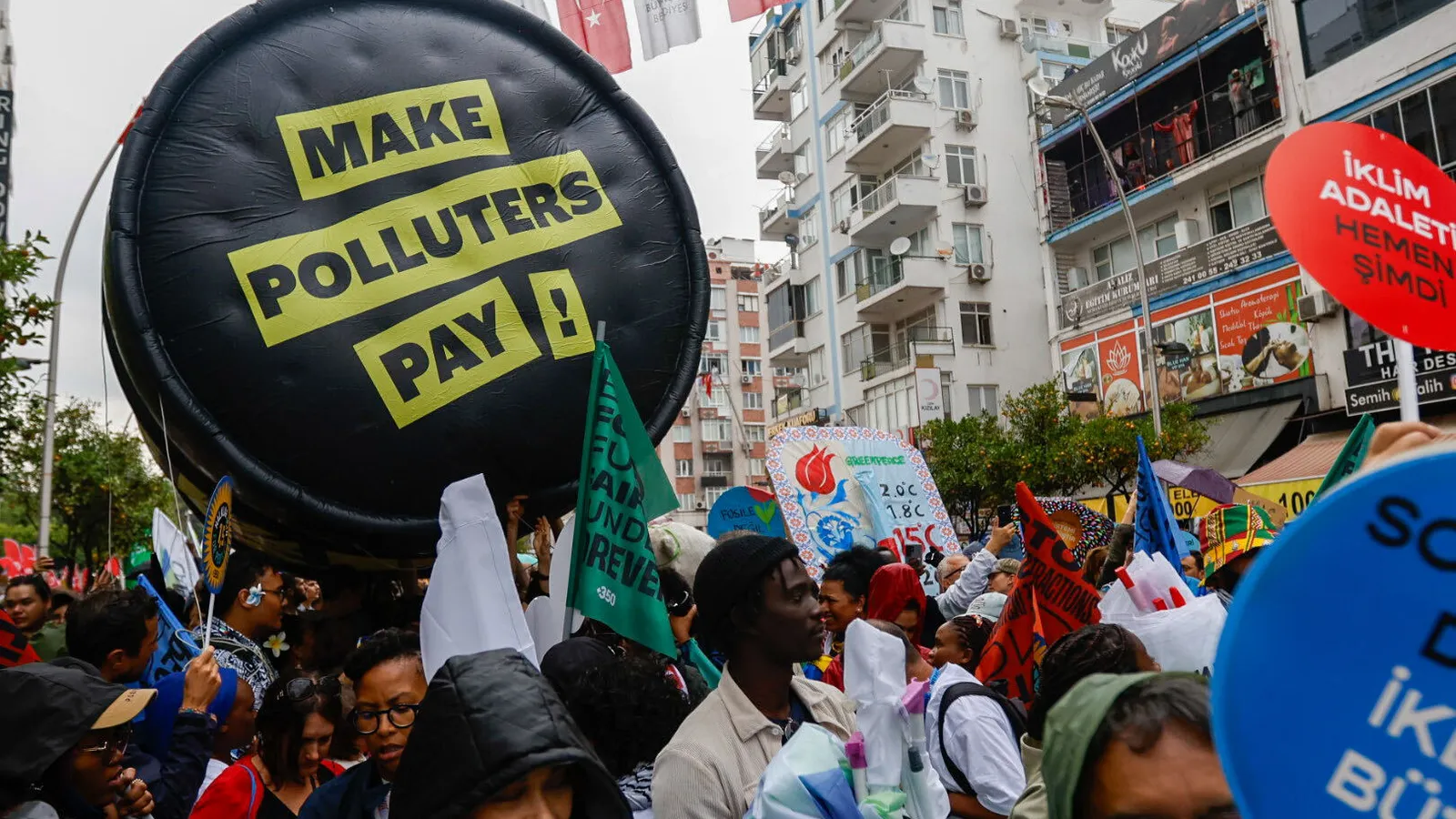
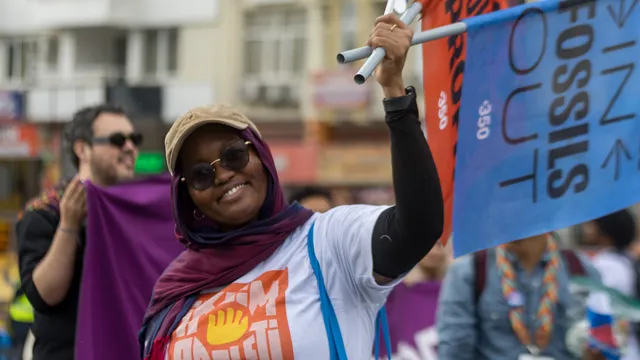
On Saturday 14 November, more than 10,000 people marched through pouring rain in the People's Climate March, bringing together climate, women's rights, Indigenous, land, workers' and LGBTQ+ movements in a country where space to protest isn't always easy. The march opened the People's Climate Summit (Halkların İklim Zirvesi), which our team in Türkiye held alongside COP31 together with partners: nearly 200 events and 12 exhibitions over four days, with around 5,000 people from 80 countries.
Inside the talks
The 350 Pacific Climate Warriors carried the Pacific's demands into the talks and backed our open letter to Australian Prime Minister Anthony Albanese. They led a solidarity action at the venue, reminding negotiators that for Pacific nations, keeping warming to 1.5°C is a matter of survival.
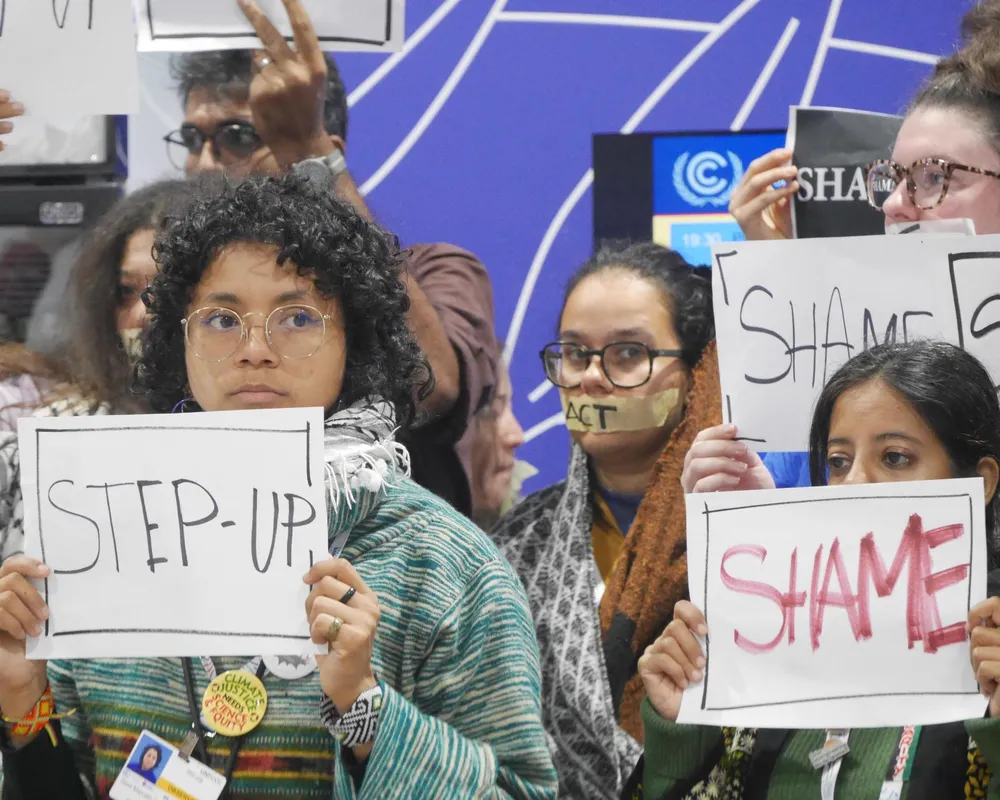
As agreement on a final overall deal got weaker, the mood soured. On Friday, activists including 350 filled a civil society press conference holding black signs that spelled out "SHAME" and then stood in silent protest as negotiators gathered for one of the final plenaries.
The Malaysian activist Amalen Sathananthar of the Artivist Network stood up in the closing plenary in a strong and courageous protest, representing the voices of many of us.
“You are killing the future. The climate crisis is killing us, and you do nothing”.
Amalen accused world leaders of failing future generations by delaying action on fossil fuels and putting the 1.5°C target at risk. He was detained by the UN and stripped of his badge, but he is safe and well now. We stand with Amalen!
Bridges between movements and governments
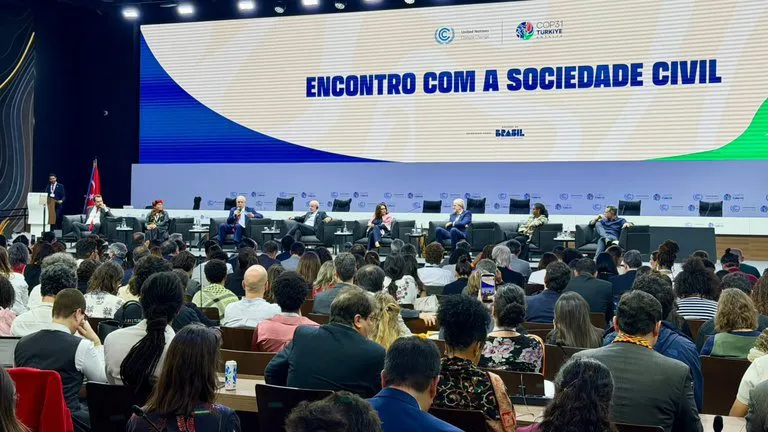
Earlier in the talks, we joined Brazilian civil society groups, Indigenous movements and youth for a meeting with President Lula in Antalya. The room was packed, and Lula pressed rich countries to pay up and backed people's right to take part in these talks. Our team urged Lula to keep championing Brazil's roadmap away from fossil fuels after COP31, and to keep pressing rich countries to pay what they owe.
We also built bridges between movements. Our team connected with activists from Zambia, Uganda, Canada, Nepal and more, each bringing a national fight. Different places, same demands: a just transition away from coal, oil and gas, power our lives with renewables, and make polluters pay. That's how national fights become an international movement governments can't ignore.
What comes next
Decisions made in some negotiating tracks went through, but Türkiye and Australia wasted a critical moment. In the middle of the biggest fossil fuel price shock in history, with Brazil's roadmap ready and countries willing to move, they wrote a deal that satisfied no one except the fossil fuel industry, and which would have reversed progress made at previous talks.
But political choices can change, and in Antalya we saw it happen. Civil society stood together, a group of countries held the line, and a deal that would have handed the fossil fuel industry a license to keep polluting didn't pass.
This isn't the end. It's rather a quite powerful moment of action and collective strength. Governments don't need a global consensus to act at home. Between now and COP32, we'll keep pushing for real national plans to move off coal, oil and gas, starting with a coal phase-out timeline from Türkiye and an exit plan from Australia, and for polluters to pay through taxes on their profits. And next July, when Tuvalu and Ireland host the second global conference on moving away from fossil fuels, we'll be there.
The next big moment is just days away. UN Tax Treaty talks start on 30 November, and they could bring real global progress on taxing big polluters.
Follow us on WhatsApp to get real-time updates on global and local climate campaigns, learn how you can take action in your community, and be part of a growing, global movement for a just and sustainable future.
Related blogs
News, stories, and insights from the global climate movement.
Time is running out at COP31
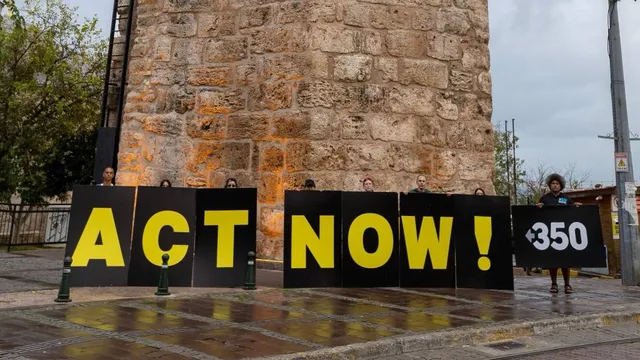
As COP31 negotiations drag on, the decisions we’ve been waiting for are still nowhere to be seen. Our message for world leaders is clear: THERE'S NO TIME. ACT NOW.
Over 240,000 people called on COP31 to turn the page on fossil fuels
COP31 in Antalya is entering its final hours, and we made sure our message cannot be missed: COP31 must deliver. The time for delay is over!
The world wants to electrify. But who will benefit?
Electrification is COP31's buzzword. And yes, we should electrify now - but we should pay more attention to how.
