
REPower Afrika is an African climate campaign driven by civil society, frontline communities, and climate activists to accelerate Africa’s transition away from fossil fuels and toward community-owned, distributed renewable energy. Initiated with the support of 350.org and regional coalitions, the campaign frames clean energy access not merely as a technical goal, but as a fundamental human right and economic necessity for the continent.
See how we celebrated with communities in Uganda.
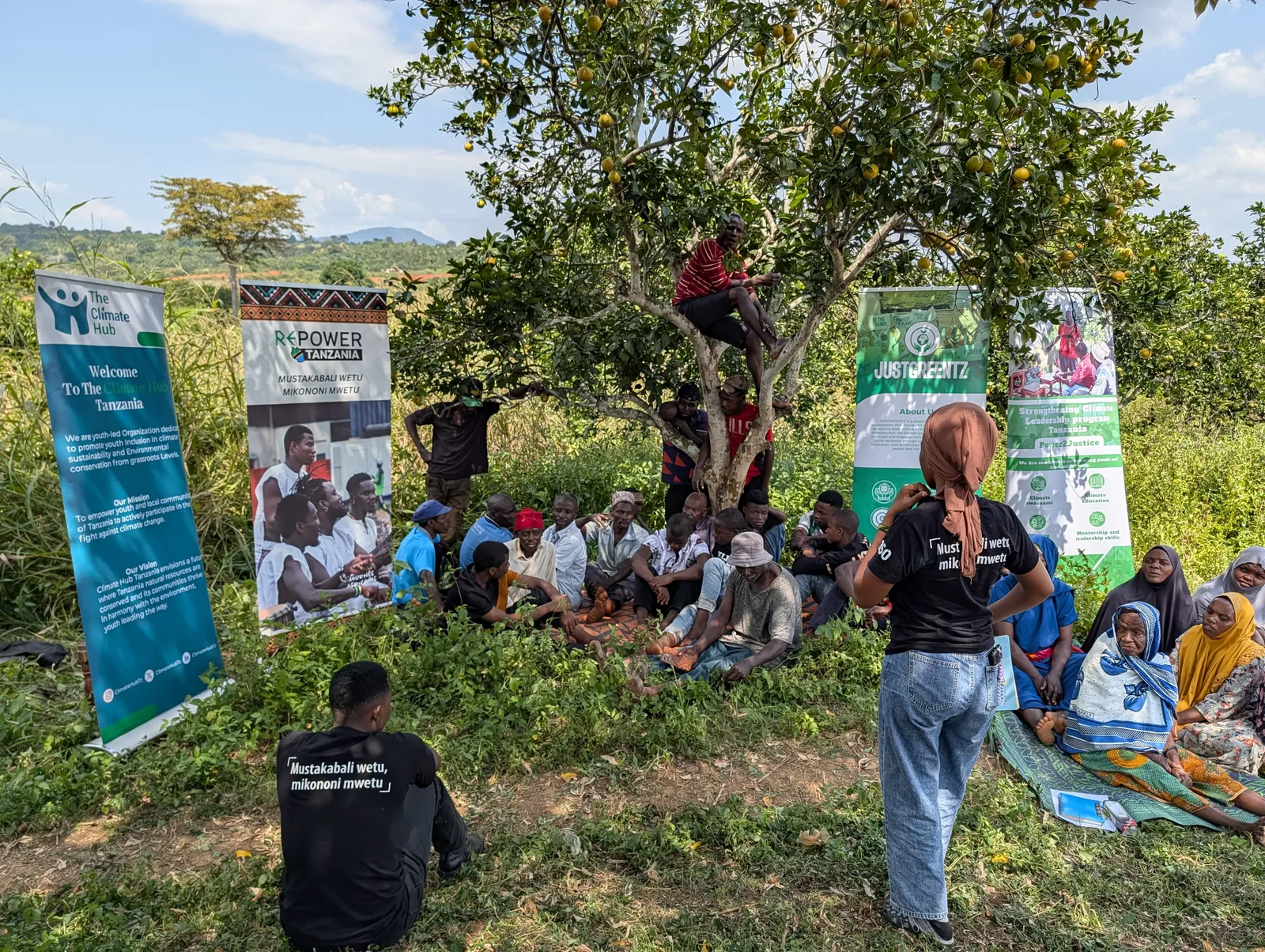
It was a bright, sunny morning in Mihanga Village, Muheza District of the Tanga Region in northeastern Tanzania where rays of sunlight filtered through rows of flourishing orange and lemon trees. Beneath the shade of a large orange tree in Bomba Sita Sub-village, community members gathered not only to celebrate the second anniversary of the RePower Afrika initiative, but also to tell a story that is often overlooked: a community rich in natural resources, yet constrained by energy poverty.
The event, organized by Green Conservers in partnership with 350Africa.org and REPower Tanzania, was held under the theme "Powering Communities, Championing a Just Energy Transition." While the occasion celebrated two years of advancing clean energy and climate justice, it also highlighted the urgent need to ensure that rural communities are not left behind.
Bomba Sita is home to more than 40 households, yet only three households own solar panels, and the entire sub-village remains unconnected to the national electricity grid. In Bomba Sita, the sun shines almost every day, yet most families still live without electricity.
The irony is striking.
Mihanga is blessed with fertile land, and many residents earn their livelihoods through orange and lemon farming. During harvest season, the village is filled with vibrant citrus fruits ready for market. By all indications, this should be a prosperous farming community. However, without reliable electricity, the true economic value of their produce remains largely untapped.
As another old saying reminds us, "Opportunity knocks only once, but without the right tools, the door remains closed."
Limited access to energy means farmers struggle to process, preserve, and add value to their harvests. They sell fresh produce at low prices instead of exploring opportunities for juice processing, cold storage, or other value-added enterprises that could significantly increase household incomes.
The challenges extend beyond agriculture.
Residents walk more than five kilometres to neighbouring villages simply to access maize milling and rice de-husking machines (mashine za kukoboa na kusaga). What should be a short, routine task consumes hours of walking under the hot sun, reducing time available for farming, business, and family.
Access to clean and safe water remains another daily struggle. Women and children often spend considerable time collecting water, a burden that limits educational opportunities, productivity, and overall well-being.
These realities demonstrate that energy poverty is not merely about the absence of electricity; it affects every aspect of community life, from agriculture and education to health, livelihoods, and water security.
Against this backdrop, the anniversary celebration became far more than a ceremonial event.
The day began with a peaceful community demonstration, where residents, youth, and local leaders marched together to raise awareness about energy poverty and climate justice. Their voices carried a simple but powerful message: every community deserves access to clean, affordable, and reliable energy.
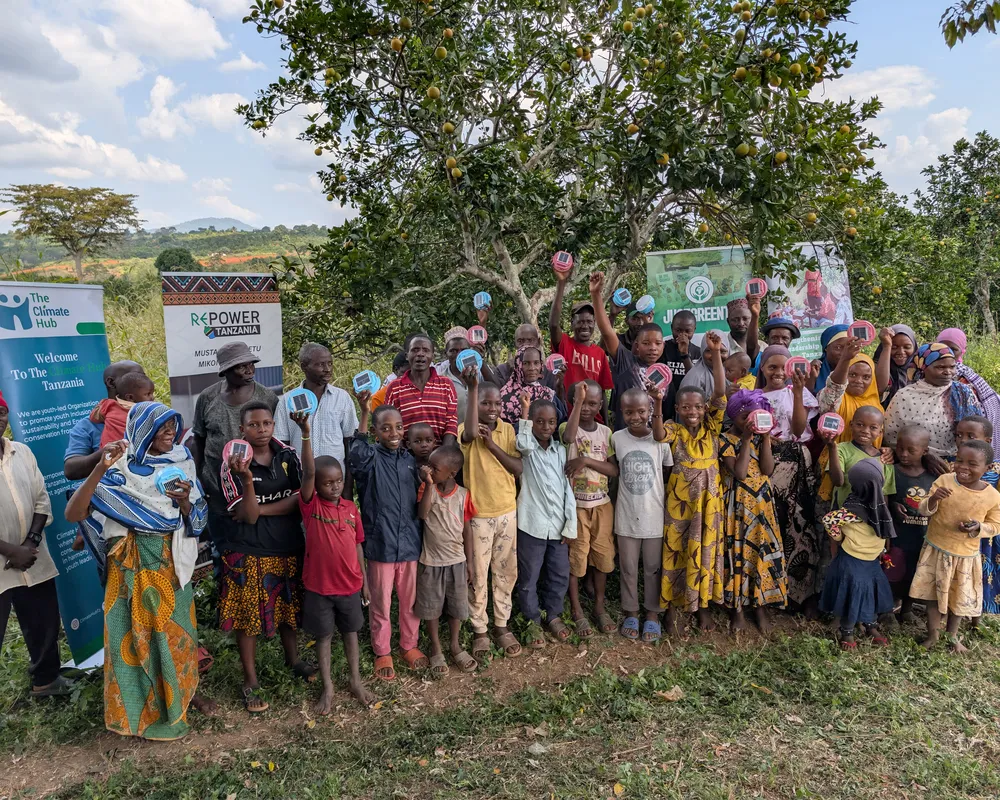
One of the day's highlights was the distribution of 20 solar lamps to households with school-going children. For families accustomed to relying on candles and kerosene lamps, the solar lights represented more than illumination. They offered children the opportunity to study after sunset, improved household safety, reduced indoor air pollution, and lowered energy costs.
The celebration continued with a grassroots dialogue on climate change and the Just Energy Transition. Seated beneath the cool shade of the orange trees, community members openly discussed the realities of living without electricity despite abundant sunshine. They shared stories of long walks to access milling services, the difficulty of obtaining clean water, and the untapped potential of their thriving citrus farms.
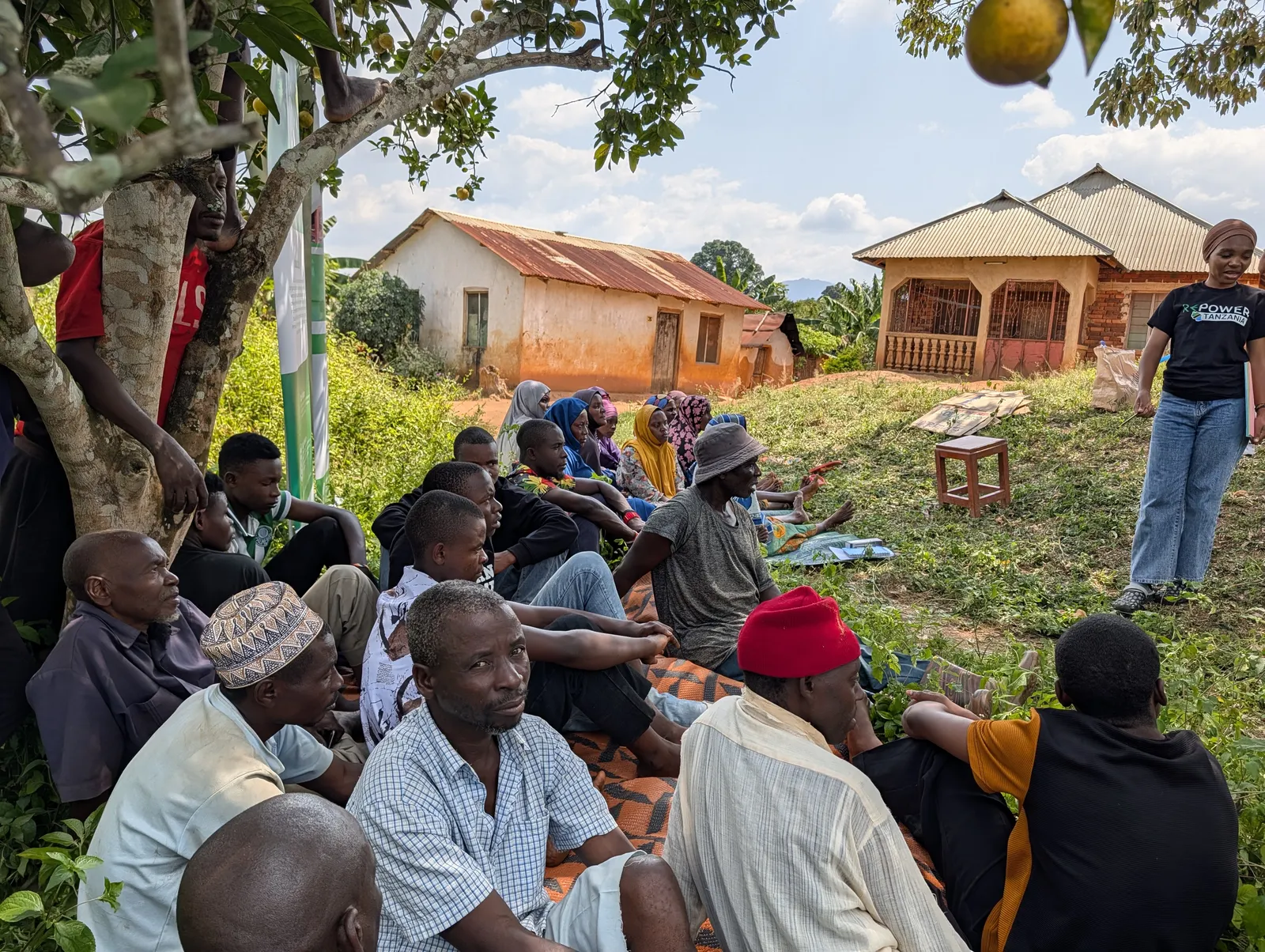
The discussion reinforced an important truth: A just energy transition is not only about replacing fossil fuels with renewable energy. It is about ensuring that communities have the power to improve their livelihoods, strengthen local economies, and live with dignity.
For Bomba Sita, renewable energy could transform the local economy. Solar-powered irrigation systems, water pumps, milling machines, refrigeration facilities, and fruit-processing equipment would allow farmers to move beyond selling raw oranges and lemons to producing higher-value products such as fresh juice, dried fruit, and other marketable goods.
As the African proverb wisely says, "The best time to plant a tree was twenty years ago. The second-best time is now." The same can be said for investing in clean energy infrastructure for rural communities.
The second anniversary of REPower Afrika therefore served as both a celebration and a call to action. It reminded everyone present that communities like Bomba Sita possess the natural resources, determination, and agricultural potential to thrive. What they lack is not ambition, it is access to the energy infrastructure needed to unlock that potential.
Green Conservers, together with 350Africa.org and REPower Tanzania, remains committed to advocating for decentralized renewable energy solutions that empower rural communities and accelerate a truly just energy transition.
As the celebration came to an end and families slowly dispersed through the orange groves under the warm afternoon sun, one message remained clear:
The people of Mihanga are not asking for charity. They are asking for opportunity. And with clean energy, that opportunity can finally bear fruit.
Related blogs
News, stories, and insights from the global climate movement.
African Symposium on Climate Reparations
Explore the upcoming gas auction in Brazil and its implications for Indigenous lands and the environment in Maranhão.
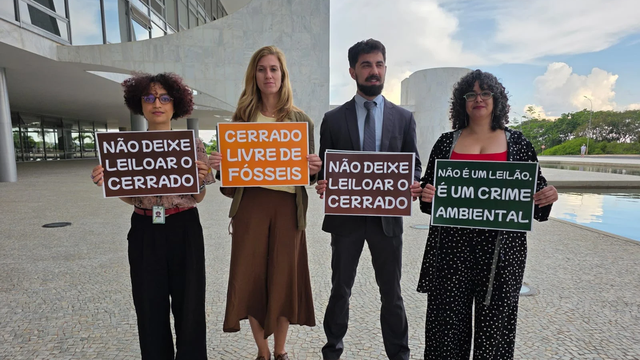
The Cerrado Is Not for Sale
Explore the upcoming gas auction in Brazil and its implications for Indigenous lands and the environment in Maranhão.
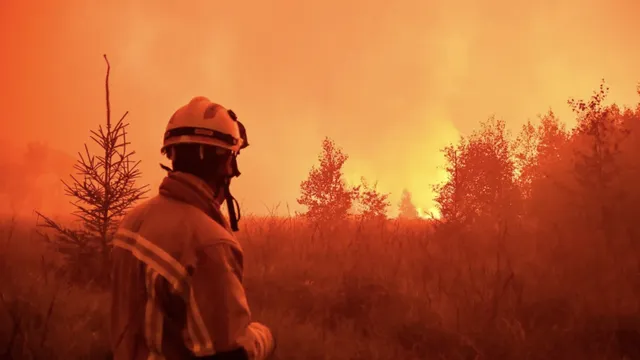
Keeping Safe from Fires and Liars
Explore the connection between climate crises and disinformation as experts discuss current challenges and their impacts.
