
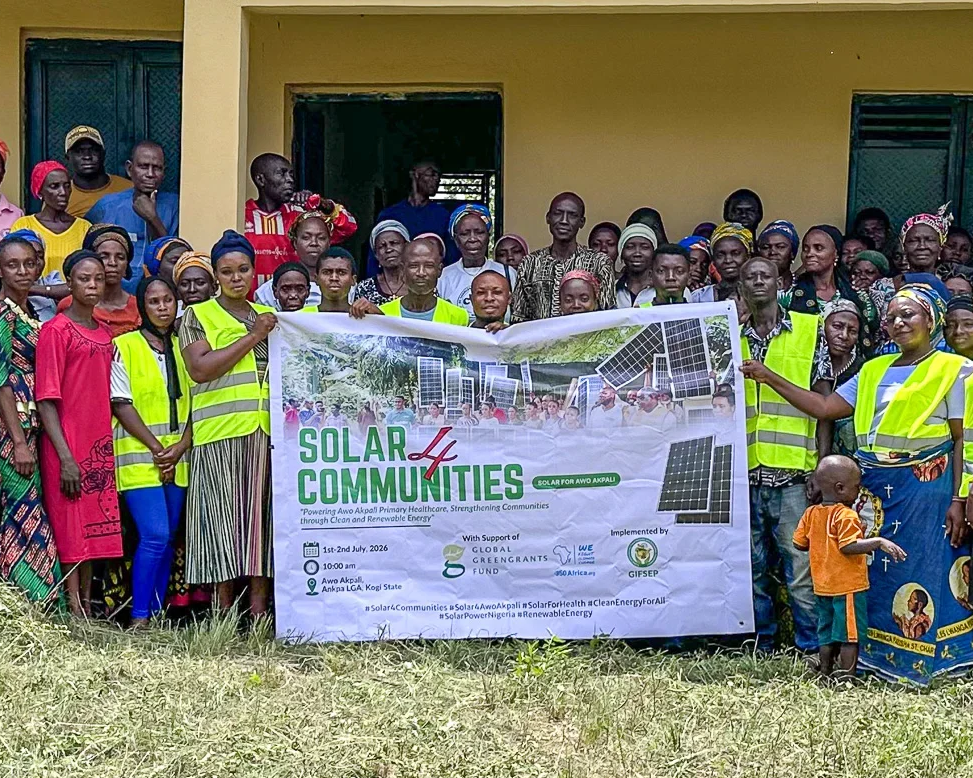
This is a guest blog by Dr Michael T. David, Founder and Executive Director of the Global Initiative for Food Security and Ecosystem Preservation (GIFSEP). GIFSEP is a non-profit organization founded on the ideals of Environmental Education, Climate Change Adaptation and Mitigation, Renewable Energy and Sustainable Development. They mobilize communities to build resilience to a changing climate so as to conserve and protect the environment.
For years, the people of Awo Akpali, a remote community in Ankpa Local Government Area of Kogi State in Nigeria, have lived with the painful legacy of coal mining. While the coal extracted from beneath their land generated wealth for coal mining companies, the community was left with environmental degradation, poor health, and no access to one of the most basic necessities of modern life i.e electricity.
When night fell, so did healthcare.
At the community’s Primary Health Centre, health workers often relied on torchlights and the light from mobile phones to attend to patients. Mothers in labour, sick children, and emergency cases faced an uncertain future whenever they arrived after sunset. Essential healthcare services were severely limited, not because there were no health workers, but because there was simply no electricity.
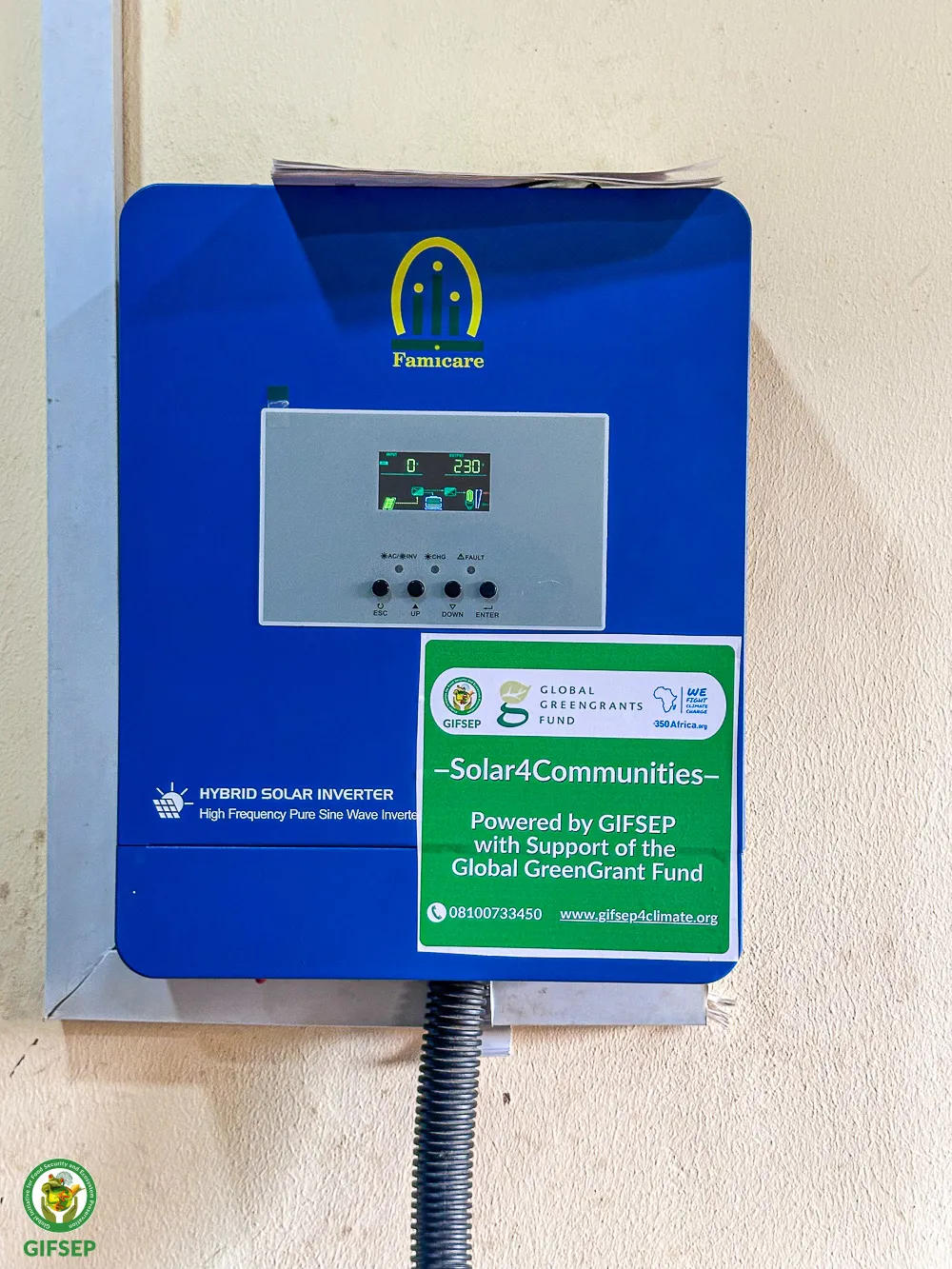
Today, that story is changing. As part of its Solar for Communities Initiative, the Global Initiative for Food Security and Ecosystem Preservation (GIFSEP) has installed a solar power system at the Awo Akpali Primary Health Centre, bringing clean, reliable electricity to a facility that had operated in darkness for years.
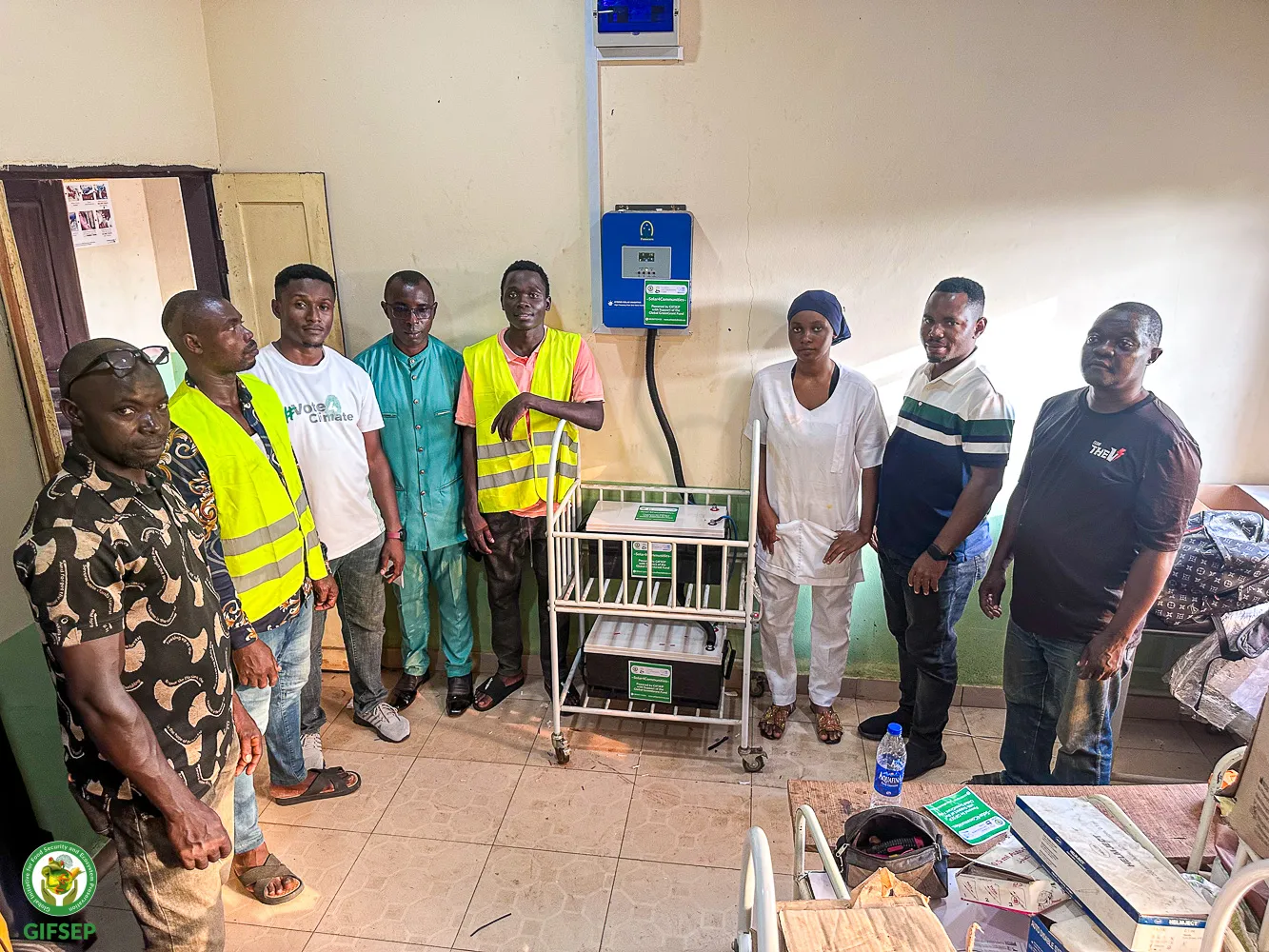
The initiative was implemented with support from 350Africa.org and the Global Greengrants Fund, demonstrating how renewable energy can improve healthcare while advancing climate justice for underserved communities.
The solar installation is more than an energy project, it is restoring dignity to healthcare. Health workers can now provide services safely at night, power essential medical equipment, preserve temperature-sensitive medicines, and offer better care to patients when they need it most.
For GIFSEP, the intervention represents the next chapter in a long-standing partnership with the community.
Through its Coal Free Nigeria Campaign, GIFSEP previously worked with residents of Awo Akpali to build awareness of environmental and community rights. Community members were trained to understand the environmental, health, and social impacts of coal mining and empowered to advocate for the protection of their land and livelihoods. Their collective efforts contributed to the eventual closure of the coal mining operations that had negatively affected the community for years.
Rather than leaving the community with only the closure of the mine, GIFSEP sought to demonstrate that cleaner and more sustainable alternatives are possible.
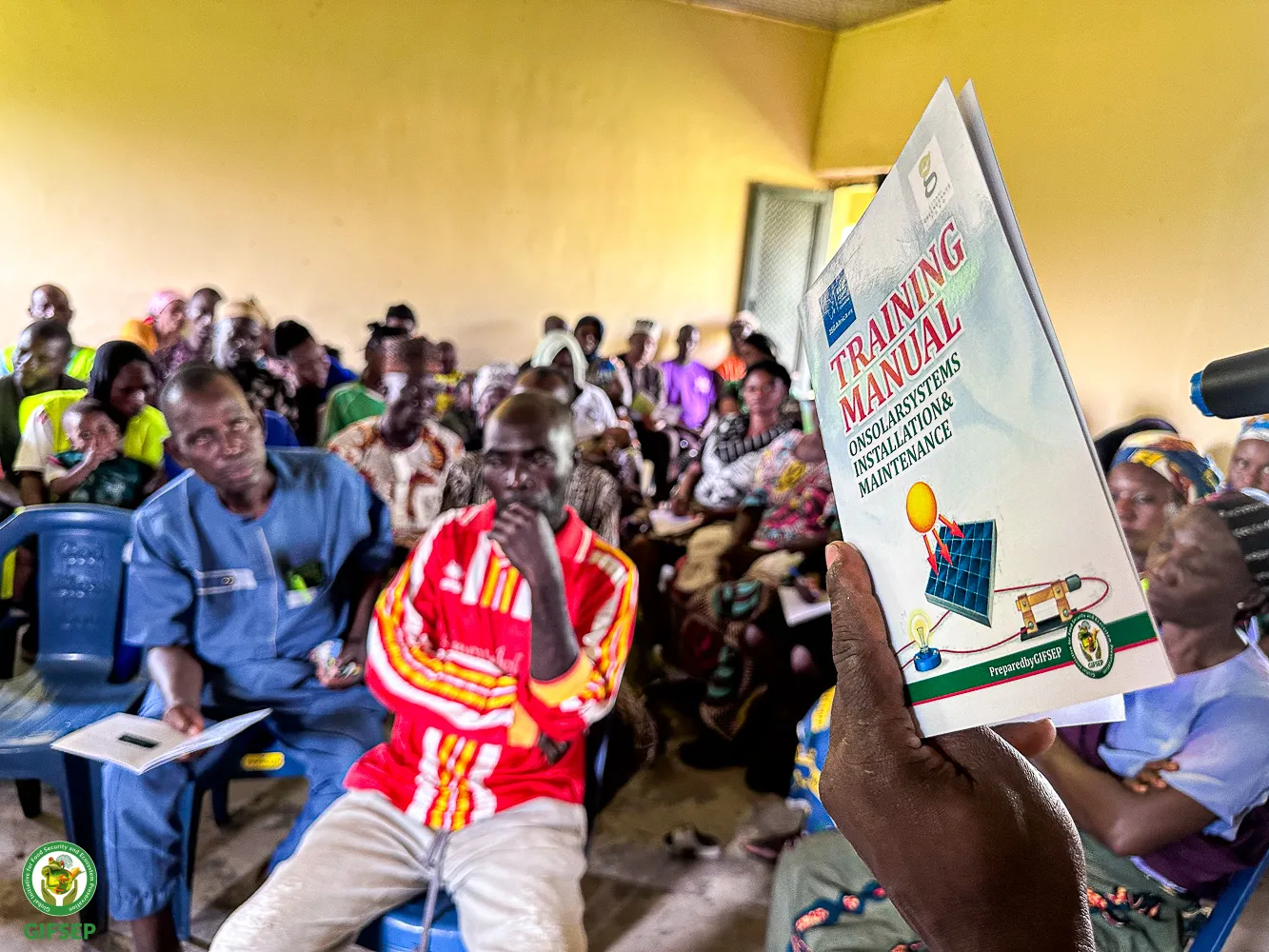
Under the Solar for Communities Initiative, residents were sensitized on the benefits of renewable energy as a practical solution for communities that remain outside Nigeria’s public electricity grid. Women and young people also received hands-on training in basic solar installation and maintenance, equipping them with practical skills that can create new livelihood opportunities while supporting the adoption of clean energy within their community.
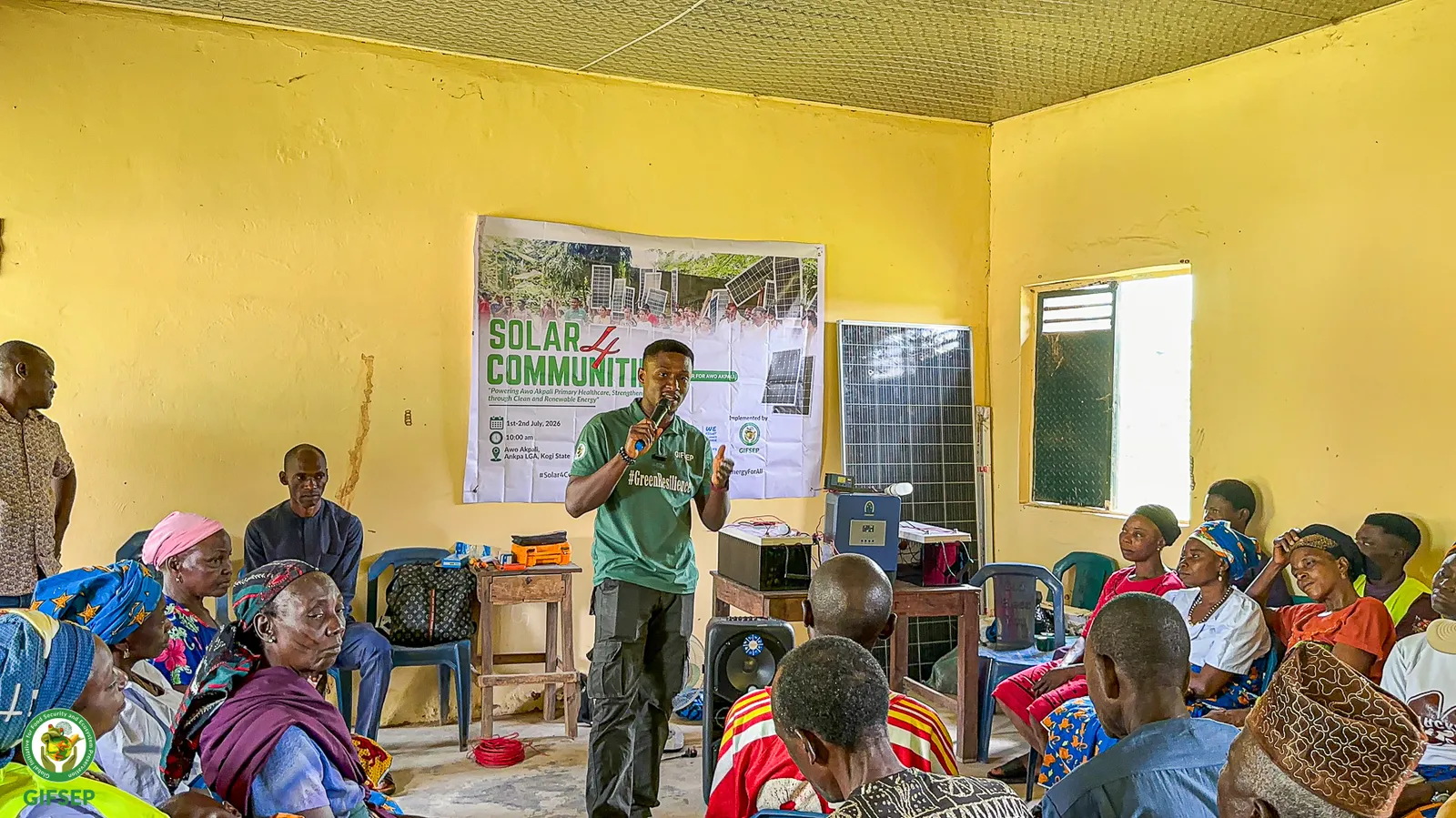
This approach reflects a broader vision of a just energy transition, one that not only moves communities away from polluting fossil fuels but also ensures they benefit from cleaner technologies, improved livelihoods, better healthcare, and increased resilience.
Related blogs
News, stories, and insights from the global climate movement.
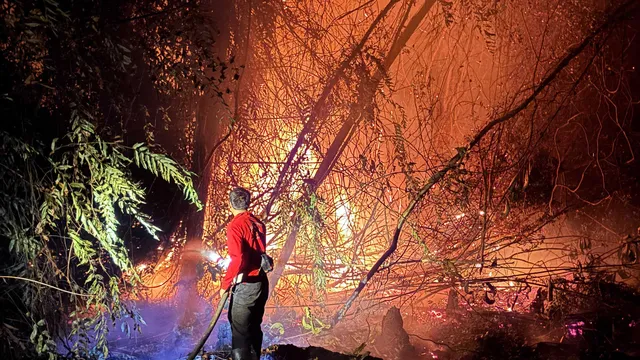
Indonesia’s wildfire crisis cannot be business as usual
Every wildfire season, I watch the smoke arrive. This year, the fires have gotten worse.
African Symposium on Climate Reparations
Africa is on the frontlines of a climate crisis it did not create. True climate action requires more than promises - it demands accountability, equity, and repair.
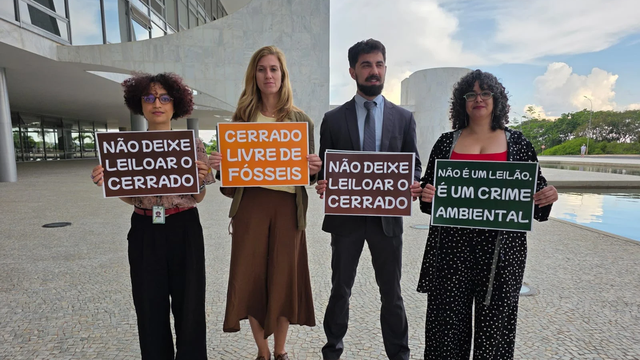
The Cerrado Is Not for Sale
Explore the upcoming gas auction in Brazil and its implications for Indigenous lands and the environment in Maranhão.
