

This is a guest blog by Peter Crisp of Fossil Free Football, a fan campaign aiming to kick big polluters out of the world’s favourite sport.
The ongoing 2026 FIFA World Cup will likely be the hottest ever, produce more pollution than any event in history, and promote the world’s biggest oil company to billions of viewers. Yet it could also be a turning point. As football’s vulnerability to the climate crisis becomes impossible to ignore, more and more fans and players are calling for sporting authorities to do better.
The Heat Threat
The climate crisis is fuelling extreme heat across the planet, driven by decades of burning coal, oil and gas. And the 2026 World Cup is not immune. Researchers predict that 14 out of 16 match venues this year will exceed dangerous temperatures with one in four matches expected to be played in hazardous heat conditions. Just last year, a June heat wave hit multiple World Cup host cities at once. A repeat this year could put attendees at real risk. On June 24 2025, it was 102F/39C in Boston. This year, on June 23, England will play Ghana in that same city in a stadium without shade (see below) at 4PM…

The heat threatens safety and changes the game itself. Extreme heat means slower tempo, less pressing and earlier substitutions. 97 of 104 scheduled matches face a higher probability of performance-impairing conditions due to climate change — meaning fans paying record prices are increasingly likely to watch a less intense game. And while players have medical teams and cooling breaks, fans are often left to fend for themselves. While 3 of the 16 venues are air-conditioned, fans in queues, fan zones and on transport routes can be exposed to dangerous heat for hours — often far longer than the players on the pitch.
The International Federation of Association Football or FIFA (which is the governing body of world football), has done little to keep fans and players safe from obvious heat risks during World Cups. We’ve already seen the consequences when it doesn’t: In June 2024, an assistant referee collapsed during a Copa America match, while last year’s Club World Cup saw players and fans sheltering inside as heat again became a major point of concern. Despite this, FIFA has selected many stadiums without any shade, in locations that are not typically used for summer sports.
A group of experts recently told FIFA that it should do more to keep players and fans safe. They called for it to lower the temperature threshold at which matches are delayed. Currently, FIFA will only consider pausing play at 32°C (measured in Wet Bulb Globe Temperature or WBGT, a scale that accounts for heat, humidity and sun exposure together). That bar is so high that it wouldn’t be triggered at 45°C with 20% humidity, or 35°C with 80% humidity — conditions that would be dangerous for anyone, let alone athletes playing at full intensity. Seventy professional players have also publicly backed those calls. FIFA has added water breaks to all matches regardless of temperature — fundamentally altering the experience of the game — but experts say those breaks should be doubled to six minutes to properly protect players. Many fans have pointedly noted that FIFA may be equally motivated by the advertising slots these breaks create.
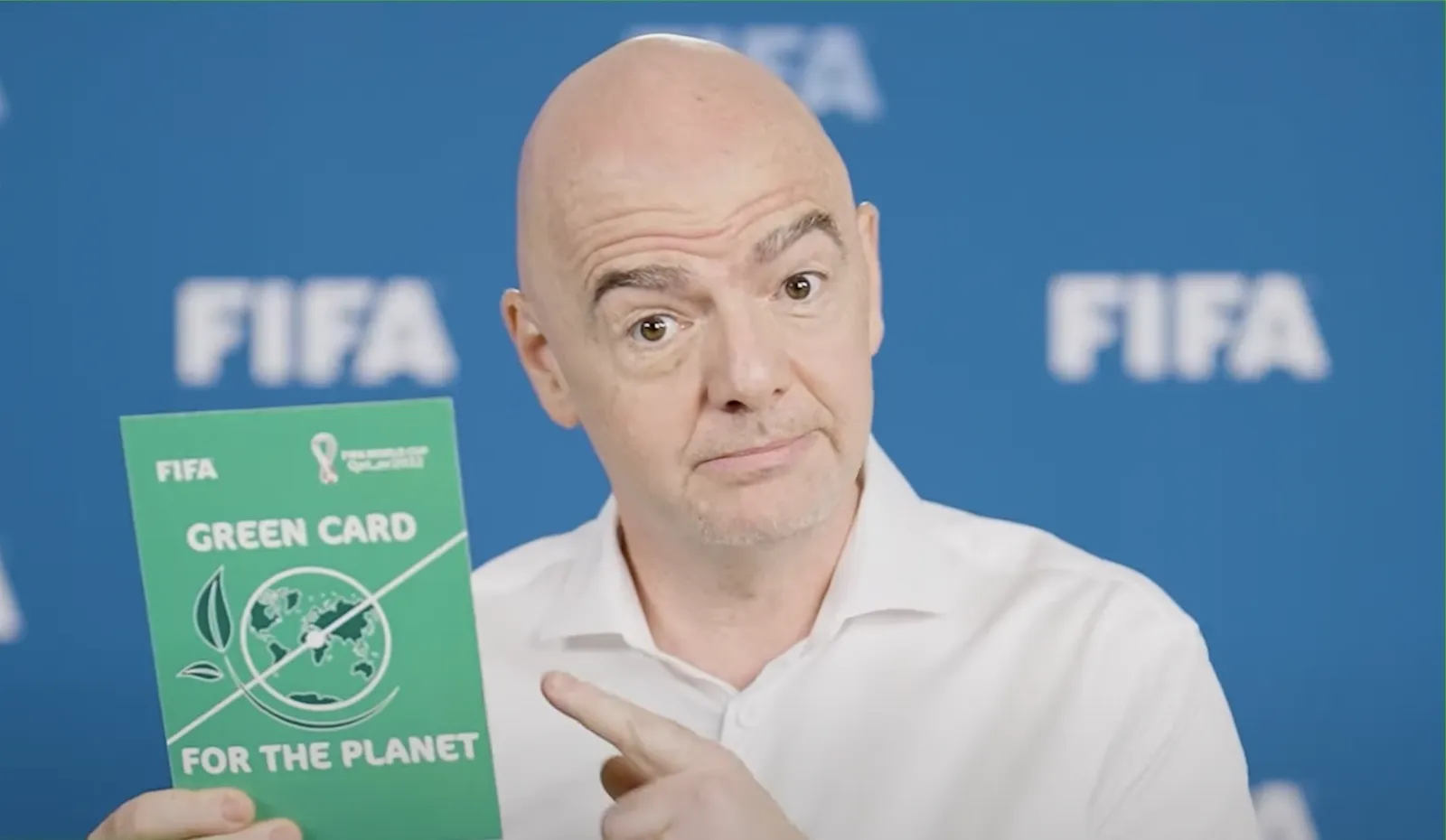
FIFA’s unserious attitude on heat risks extends to its broader engagement with the climate crisis. Despite holding a “green card for the planet” and committing to net-zero by 2040, FIFA President Gianni Infantino has massively expanded the tournament, and the pollution it will produce as a consequence. He has added an extra 16 teams and 60 matches, and spread the World Cup across North America so that huge amounts of flying are required. Researchers estimate the whole tournament will generate over 9 million tonnes of carbon dioxide equivalent worth of pollution.
Promoting Fossil Fuels to Billions
FIFA’s massive emissions are worsened by its sponsorship choices. It is reportedly earning about $100m per year to advertise the world’s largest oil company, Aramco. Billions of fans are therefore now receiving pro-oil messaging, just as we must urgently move away from fossil fuels.
Aramco is 98.5% owned by the Saudi state and is a dominant source of the regime’s funding, earning $33.6bn in the first quarter of this year. These profits have bankrolled Saudi Arabia’s recent push into world sport including football – often framed as part of its post-oil ‘Vision 2030’ diversification strategy. But the fact that Aramco is being globally promoted, (instead of any other non-oil enterprise) makes clear these sports investments are about protecting fossil fuel profits, not moving away from them. Sponsorships have helped promote Saudi Arabia and shielded it from criticism of its commitment to fossil fuels. It’s clear that the Aramco deal too is part of a broader pro-oil strategy that includes blocking climate talks and ‘hooking’ poorer countries on its oil.

Aramco has been given top billing, with its brand splashed around stadiums at kick off, including at the tournament opener. Notably, the fixture was a repeat of the 2010 World Cup, but nostalgic fans looking back to iconic images from that year might have noticed a surprising (and disturbing) difference. While the 2010 tournament was sponsored by solar energy, this one is promoting Big Oil. Aramco’s World Cup advertising centres around its supposed “innovation” ,but there is nothing innovative about drilling, extracting and burning fossil fuels. The real breakthroughs are in solar, battery storage and electric vehicles — technologies that are cleaner, cheaper and faster-growing than oil has ever been.

The Bigger Picture: Global Access to Sport Under Threat
This summer, the heat impacts felt by football’s elite will be impossible to miss. But if the climate crisis is reaching its most well resourced event, then grassroots football, the foundation the whole game is built on, is surely being hit much harder. For every high-profile match affected by heat, there are thousands more unseen players around the world that are harmed by heat or flooding rain. FIFA profits billions from an ever-expanding tournament and big oil sponsorship — but it is ordinary fans and players who bear the cost, in dangerous heat and a worsening climate, without seeing any of the cash.

Climate Damage: the Ultimate Fan Ripoff
Many football fans feel our loyalty is being exploited. FIFA’s incessant focus on profit is stripping away the essence of our beloved game — and we must use this discontent, linked to the climate crisis, as a powerful opportunity for change.
The pattern of FIFA’s constant prioritisation of revenue over tradition and affordability is consistent. Unprecedented prices for match tickets, public transport and fan zones. Commercial “hydration” breaks inserted into matches. Fans banned from bringing their own water. Big oil on the stadium hoardings. Everything FIFA does turns up the heat for supporters while lining its own pockets. Its response to obvious heat risks at the next two World Cups hosted by Morocco, Spain and Portugal, and then Saudi Arabia, has been to float moving the tournament to winter, discarding decades of tradition rather than addressing the cause.
Hundreds of millions of fans have every reason to demand better. As heat impacts worsen and the costs of fossil fuels become impossible to ignore, football lovers have real power to push for a fundamental reset that puts players and fans before FIFA’s bottom line.

What Could Serious FIFA Climate Policy Look Like?
FIFA claims its core mission is to “unite the world” by making football accessible to all. Delivering on that mission means putting the climate first, because we can’t play in dangerous heat or on a flooded field. Here’s what that looks like in practice:
- End the expansionist mentality. More teams, more matches, more flights means more pollution. Growth cannot come at the planet’s expense.
- Revise heat guidelines. Current thresholds don’t protect players or fans. FIFA must lower the bar for match delays and take welfare seriously.
- Ease the fixture calendar. An oversaturated schedule drives player burnout and unsafe conditions. Less is more.
- Drop the polluters. Sponsorship deals with oil companies like Aramco must give way to partnerships with clean, innovative industries.
- Put climate at the centre. Every decision FIFA makes should be guided by one question: does this make extreme weather worse?
The most popular sport on the planet needs to stop scoring ‘own goals’, and start playing for the right team.
If you’re a fan who is ready to take this message to your club or national association, connect with us at Fossil Free Football on social media and join our next online campaign session!
Related blogs
News, stories, and insights from the global climate movement.
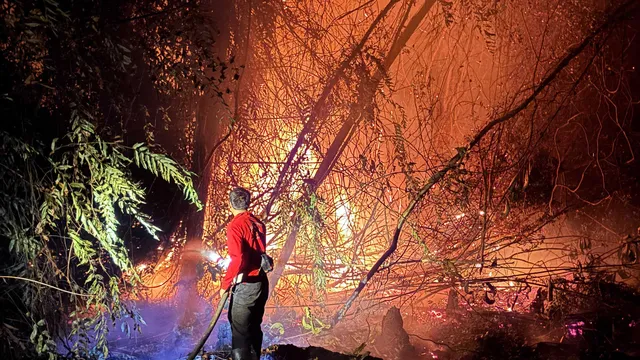
Indonesia’s wildfire crisis cannot be business as usual
Every wildfire season, I watch the smoke arrive. This year, the fires have gotten worse.
African Symposium on Climate Reparations
Africa is on the frontlines of a climate crisis it did not create. True climate action requires more than promises - it demands accountability, equity, and repair.
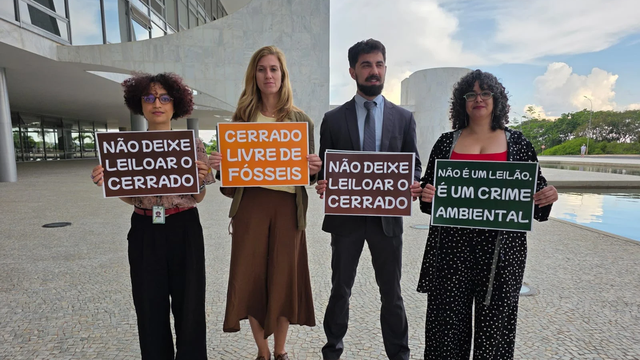
The Cerrado Is Not for Sale
Explore the upcoming gas auction in Brazil and its implications for Indigenous lands and the environment in Maranhão.
