
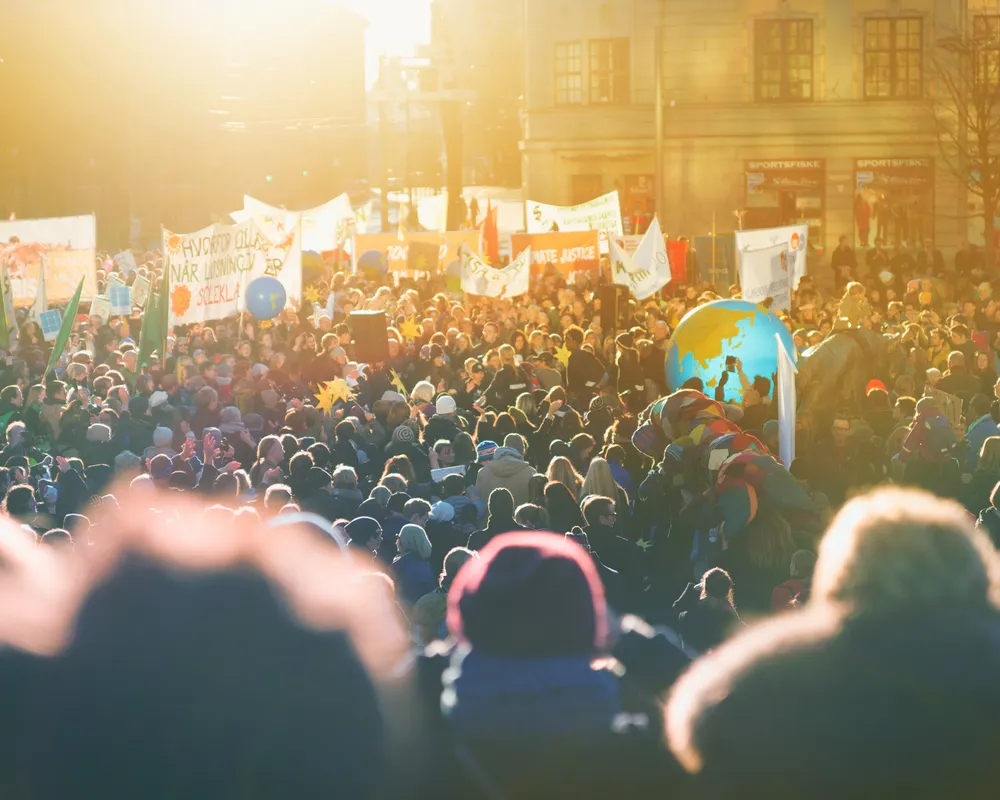
These aren’t easy times. From Nepal, Indonesia, and the Philippines, to the US and the UK and other places, we are seeing escalating political and social tensions. And with this unrest, there has been a growing crackdown on the right to protest and speak up.
Protesting peacefully is not a crime – it’s a fundamental human right, recognized under international law. Our right to come together and call for change is a crucial way through which we demand real, decisive and urgent action from our leaders for a better future.
This week, hundreds of thousands of us are coming together in more than 500 rallies, protests, artistic events and other actions across borders and timezones. We are Drawing the Line against injustice, pollution, and corporate greed, and for a world built on fairness, peace, and clean energy.
Our strength isn’t just in our numbers, but also in how we care for and protect one another. As you prepare to join the streets this weekend, here are six practical tips to help keep you and others around you safe:
✅ 1. Know your rights and risks
These events are designed to be safe, public, and non-violent. Still, risks differ from place to place. Some governments are stepping up surveillance, restrictions, or policing. Take time before the event to know your rights and local helpline numbers. If you’re unsure, ask event marshals or organizers.
✅ 2. Go in community
Try not to join an action alone, if possible. Bring a friend or link up with a group in advance, and agree on a meeting point in case you get separated. Exchange numbers, and keep your phone charged (or have a power bank handy!). Write down an emergency contact on a piece of paper in case your phone dies. Keep a look out for those who might need extra support. Movements grow strongest when we move together.
✅ 3. Keep it peaceful
Never harm people, damage property or vandalize. Stay calm, even when confronted with hostility. Avoid engaging with hecklers or outsiders who try to provoke conflict. Let marshals or designated safety supporters handle interactions with police or others. Stay focused on our message and our unity.
Draw the Line is a collective act of non-violent resistance. Our power lies in our discipline, creativity, and solidarity, not in escalation.
✅ 4. Stay visible and safe
Stick with the group and follow instructions from marshals or safety supporters. If the march moves near traffic, stay on sidewalks or behind marshals guiding the crowd. Wear comfortable clothes, and shoes, and bring layers suited to the weather so you can stay focused on the action.
✅ 5. Be mindful of your physical well-being
Protests can be long and unpredictable. Bring water (lots of it!) and snacks to keep your energy up. Think ahead: sunscreen, a hat, or rain gear can make the difference between going strong or going home early. Look up the route, or ask organizers to sign post facilities that will make your participation more comfortable like rest points, toilets, ‘cool zones’, etc. Stay alert for crowd surges and follow safety guidelines in the unlikely case one does happen.
✅ 6. Check your local context
Finally, if you’re in a location where there is ongoing political or social turmoil or where unrest, violence, or police crackdowns are likely, please prioritize your safety. Check with your local organizers to confirm if the event is still taking place.
In some high-risk regions, Draw the Line actions may be called off to avoid putting people at risk. In those cases, join our online solidarity action instead. Online or in-person, your voice still matters, and you’ll be standing with thousands of others around the world.
👉For more information on your right to protest, and on how to stay safe when protesting, check out this page.
👉 If you’re helping organize an event, find more safety and security guidance in this Draw the Line Organiser’s Toolkit. For higher-risk actions needing extra security support, reach out to [email protected].
Be safe and see you on the streets!
Related blogs
News, stories, and insights from the global climate movement.
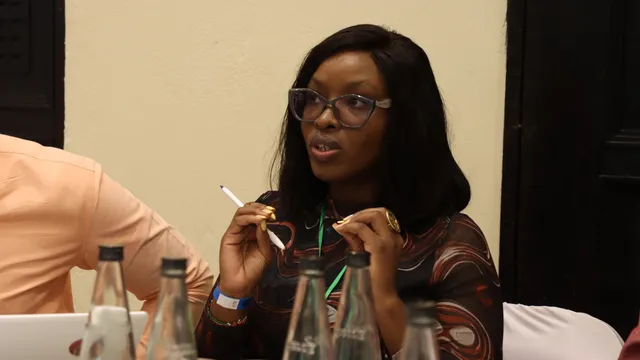
African Symposium on Climate Reparations
Africa is on the frontlines of a climate crisis it did not create. True climate action requires more than promises - it demands accountability, equity, and repair.
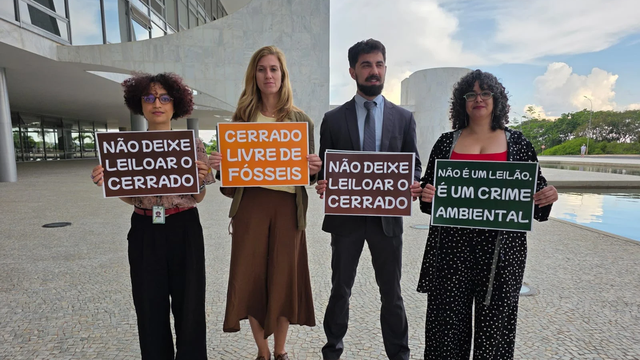
The Cerrado Is Not for Sale
Explore the upcoming gas auction in Brazil and its implications for Indigenous lands and the environment in Maranhão.
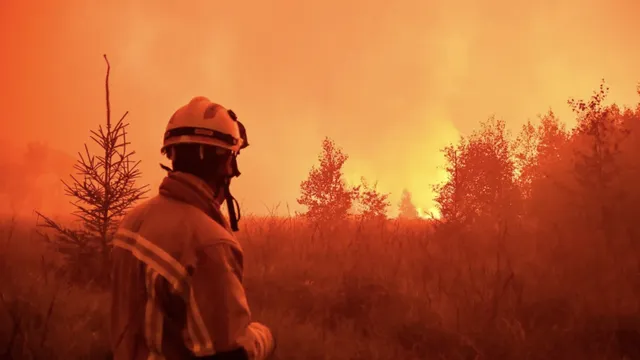
Keeping Safe from Fires and Liars
Explore the connection between climate crises and disinformation as experts discuss current challenges and their impacts.
