
This is a guest article written by Jean McLean, Director of Engagement at the Green Economy Coalition (GEC), a global movement for green and fair economies.
With the cost of living spiralling out of control, affordability is now the key factor determining whether climate action gains public support or faces opposition.
Zohran Mamdani’s recent successful mayoral campaign in New York was based on concrete affordability pledges to make life more affordable to New Yorkers: rent freezes, fare free buses, city owned grocery stores, raising the minimum wage, baby baskets for newborns and no-cost childcare. The UK and Australian governments have taken note of this success and have prioritised addressing the cost of living and affordability as key to electoral success. Climate leaders need to take note.
This success can be replicated! We know that the money exists to prioritise affordability for the general public, what we need is political will. Leaders must urgently switch to cleaner energy alternatives as they are proven to be cheaper than fossil fuels, bringing down energy costs for everyone. Taxing big polluters, the ultra-rich and using those funds towards public investment is a popular and necessary action.
For years, climate misinformation has tried to convince people that a green transition is a luxury not an inevitability. Despite the millions spent on disinformation, public opinion tells a very different story. Across countries and political contexts, people increasingly understand that clean energy is not the cause of rising costs — it is one of the most powerful solutions to them.
Our latest Global Green Attitudes polling shows a remarkably strong global public consensus:
- 82% per cent of respondents believe investment in clean energy should be a top government priority, even if it requires significant public spending.
- An even larger share — 88%— agree that stronger laws are needed to support renewable energy like solar and wind.
Notably, this support has held steady despite inflation and increasing economic anxiety.
As cost-of-living pressures deepen, people are judging energy choices on a simple test — will this lower my bills? As routine household bills become the main source of financial stress, renewable energy offers both an economic solution and a political opportunity for governments prepared to act.
Crucially, public perceptions are already shifting in clean energy’s favour. Many people already see clean energy as cost‑competitive or cheaper than fossil fuels. In the United States, a majority now believe clean energy costs the same or less than oil and gas. Globally, renewable electricity is routinely 30–50 per cent cheaper than new fossil fuel generation.
In this context, this year’s polling data reveals an interesting dynamic between public support for environmental action and the perception of government performance:
- People want lower bills and place responsibility for this squarely on governments.
- The public wants transformative government action, such as public investment, fair rules, and accountability for polluters while also holding low trust in political leaders to deliver this.
- Many are feeling deeply frustrated at political inaction as inflation and economic anxiety increase.
What is missing from climate action is not public backing then, but policy creativity. Clean energy can deliver affordability, good jobs, and energy security — if leaders choose to act.
From free or discounted solar power programs to large‑scale investment in grids, storage, and clean industries, the solutions exist. Renewables already save countries trillions in avoided fuel imports and shield households from price shocks.
The choice facing leaders is stark. Continue delaying in service of fossil fuels or unlock a future where clean energy is understood for what it truly is: clean, common‑sense, and cheap. The public is ready. The question is whether governments are willing to listen.
Related blogs
News, stories, and insights from the global climate movement.
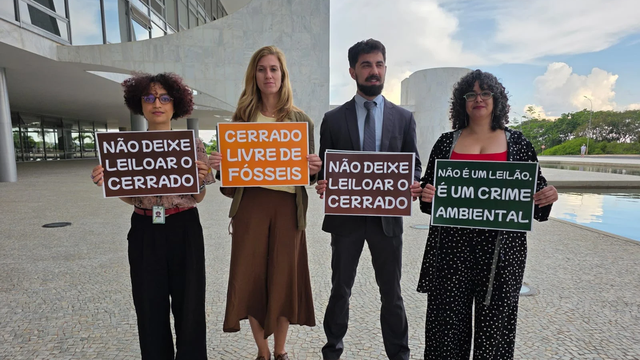
The Cerrado Is Not for Sale
Explore the upcoming gas auction in Brazil and its implications for Indigenous lands and the environment in Maranhão.
Keeping Safe from Fires and Liars
Explore the connection between climate crises and disinformation as experts discuss current challenges and their impacts.
UNGA: A week that laid bare the world’s fault lines, climate crisis all over it
From war to the accelerating climate crisis, this year’s UN General Assembly felt less like a tour through the fault lines shaping the world.
