
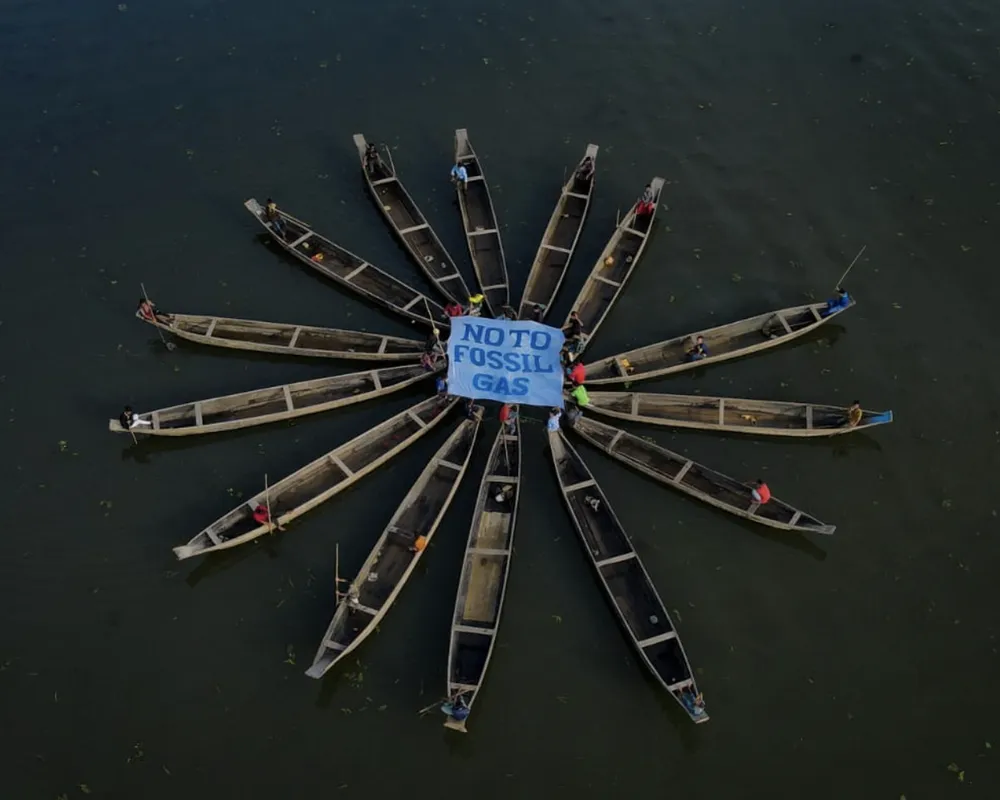
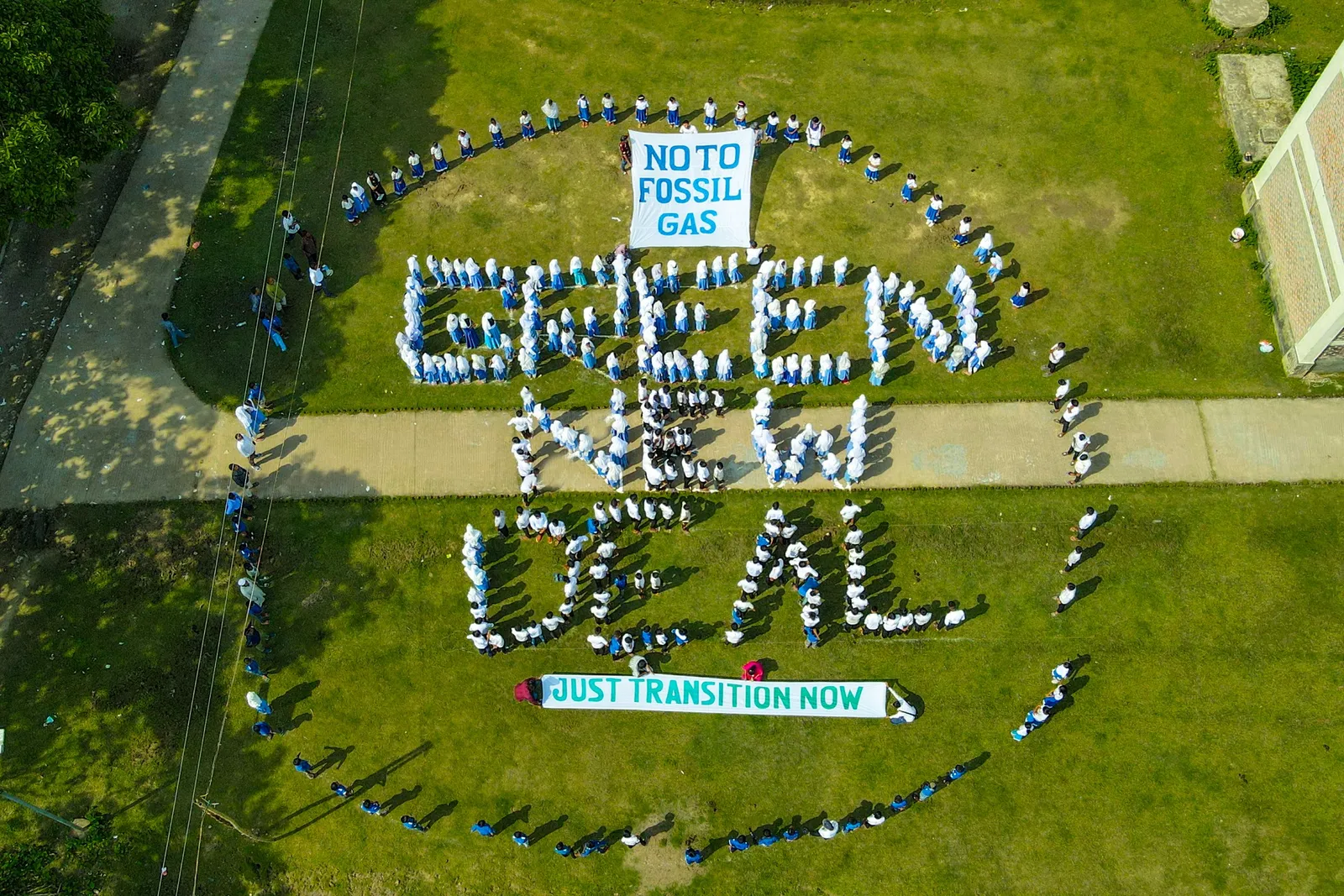
In September, the 350 Bangladesh team coordinated country-wide climate strikes on the day of Global Climate Strikes. We held creative actions calling for a Green New Deal and keeping fossil gas out of the Integrated Energy and Power Master Plan the government is drafting with the support of the Japan International Coordination Agency.
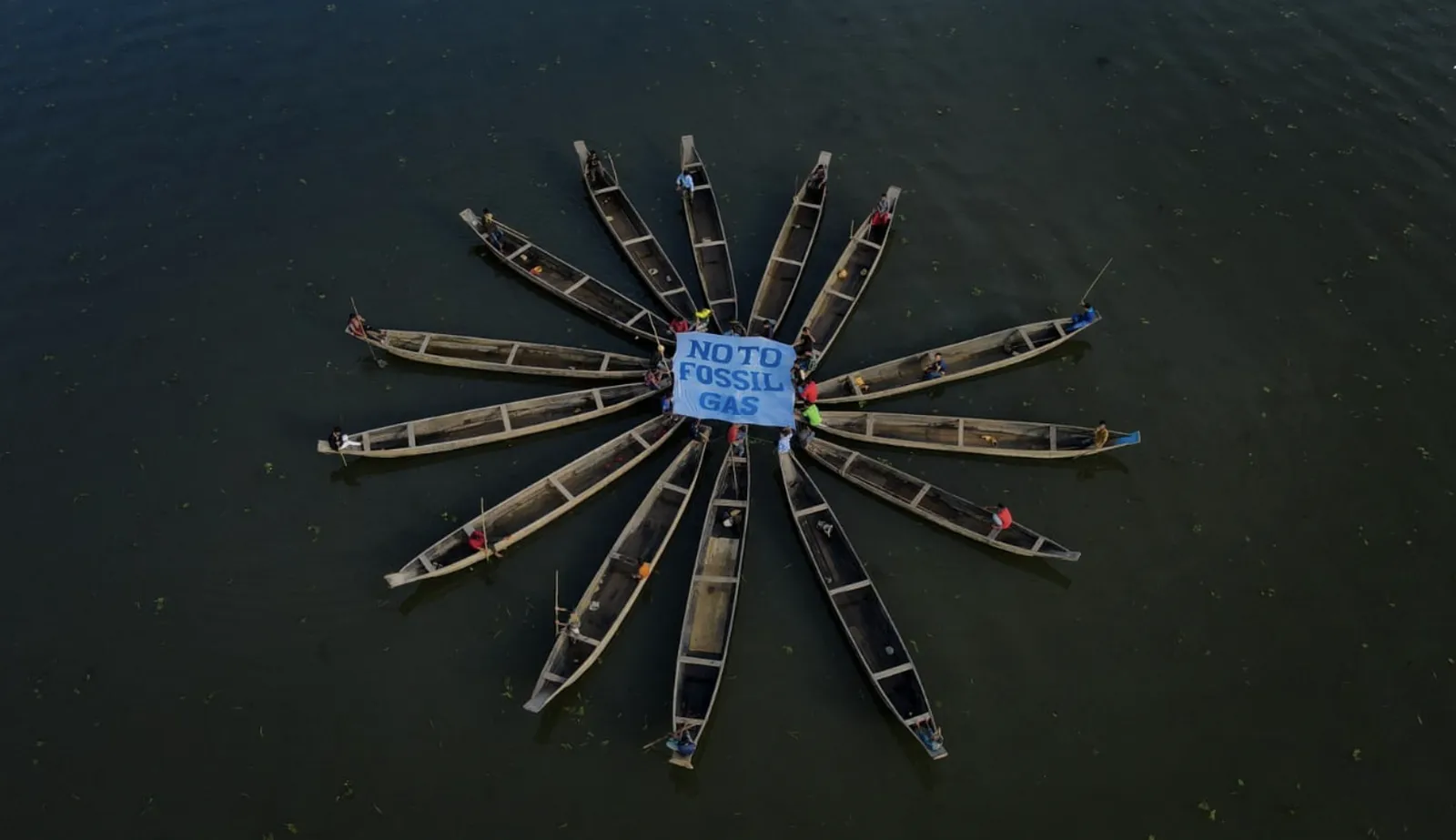
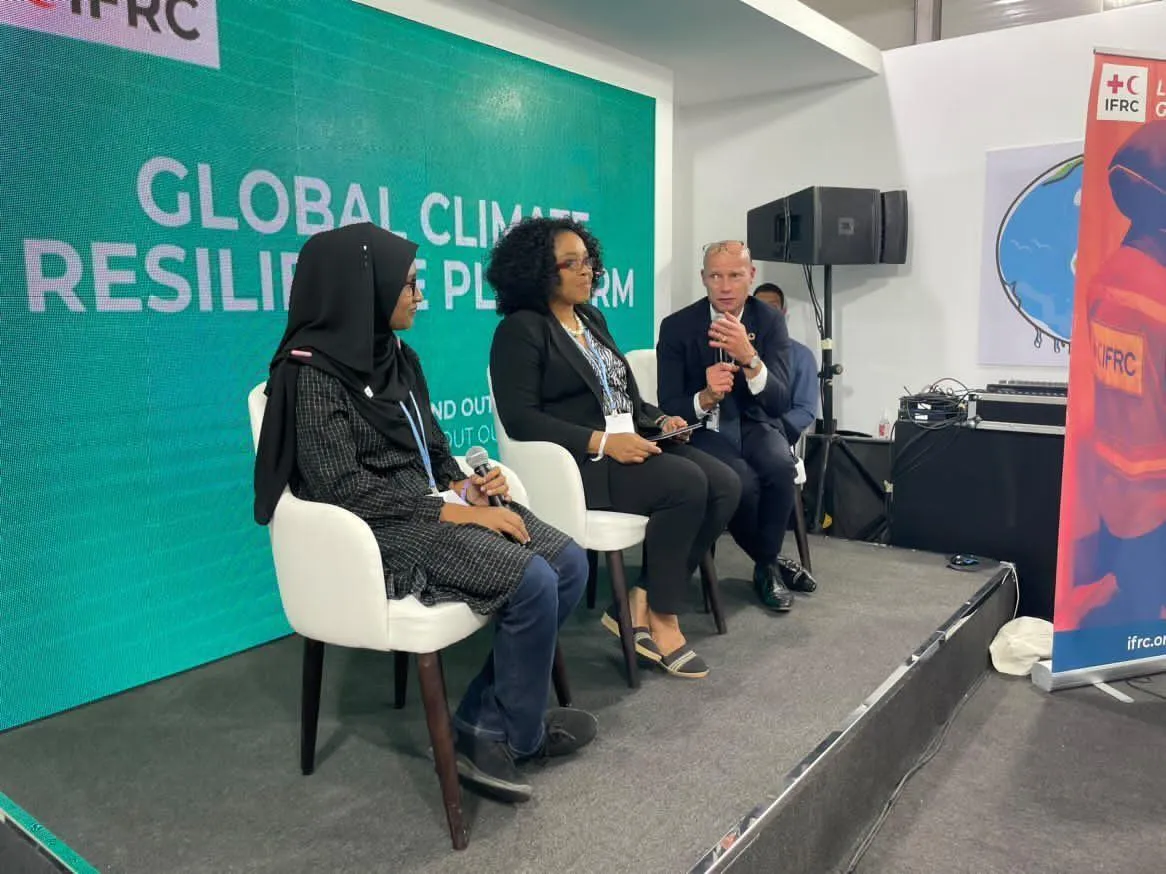
We participated in the Conference of Parties (COP 27), which took place in Sharm-El-Sheikh, Egypt, in November 2022.
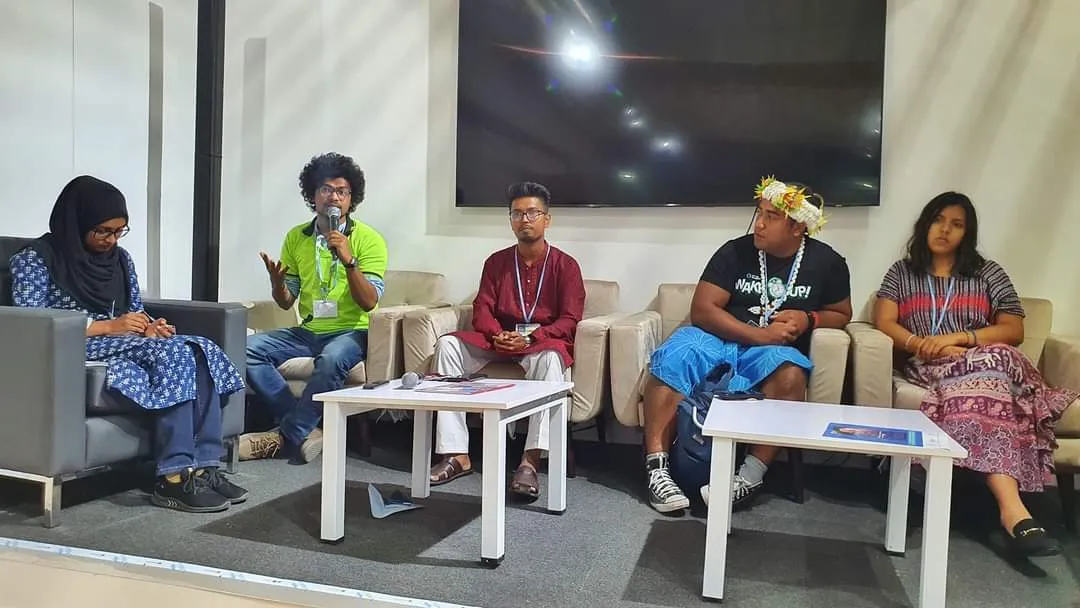
We ramped up the Green New Deal campaign by starting several online discussions with activists, journalists, and decision-makers. After our online discussions, we held two offline debates at United International University and Nilfamari.
On January 11th, 2023, we launched the Green New Deal Hub in Kustia. This is our second hub in Bangladesh, and together with the Green New Deal Hub in Satkhira, 350 Bangladesh continues to build momentum for a Green New Deal.
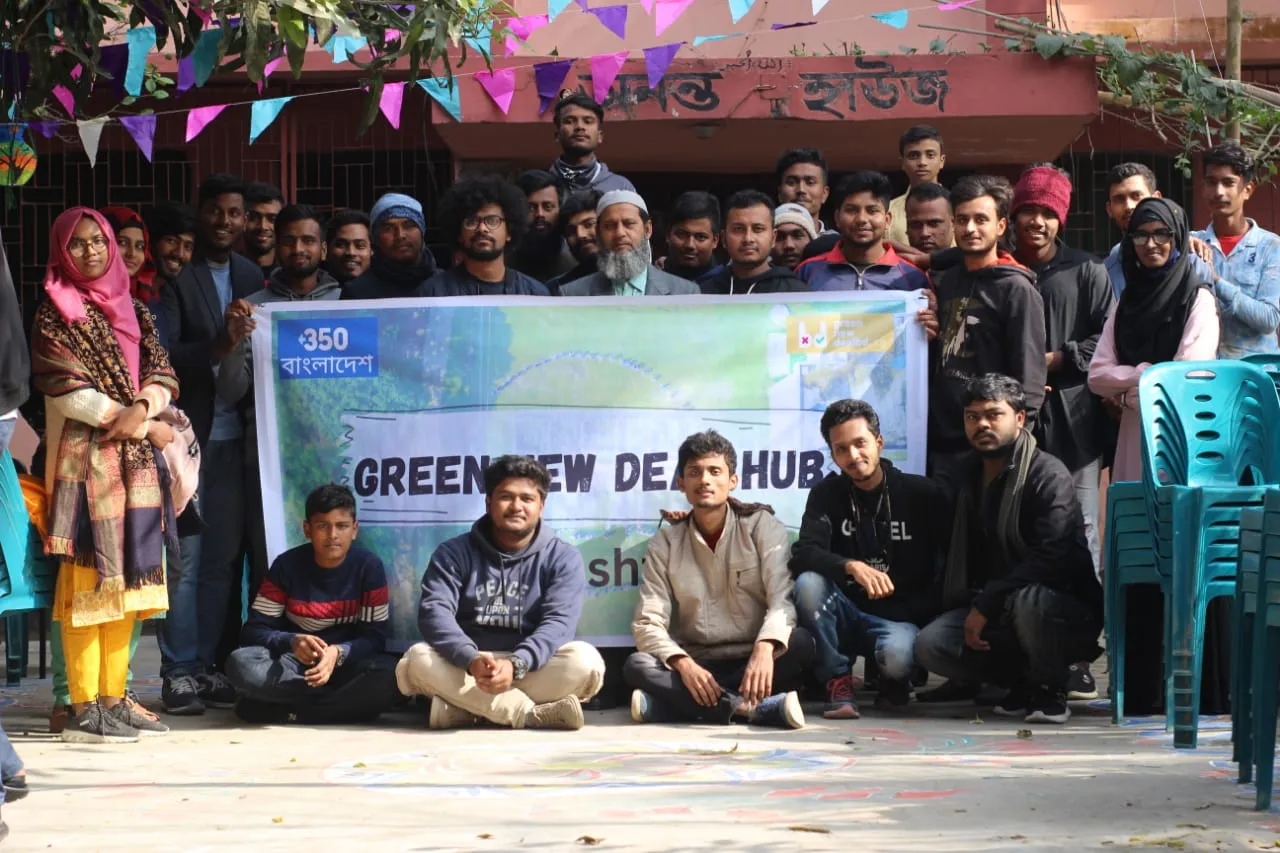
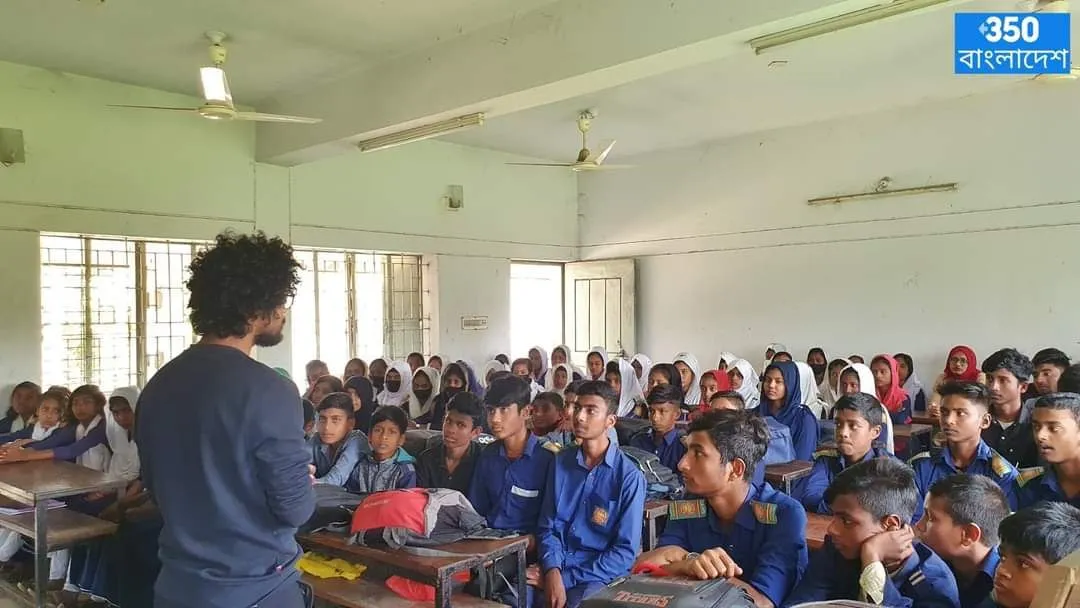
The Green New Deal Hub, Kustia, started to hit the ground running by holding capacity-building workshops among its volunteers and organizing climate classes in the local school.
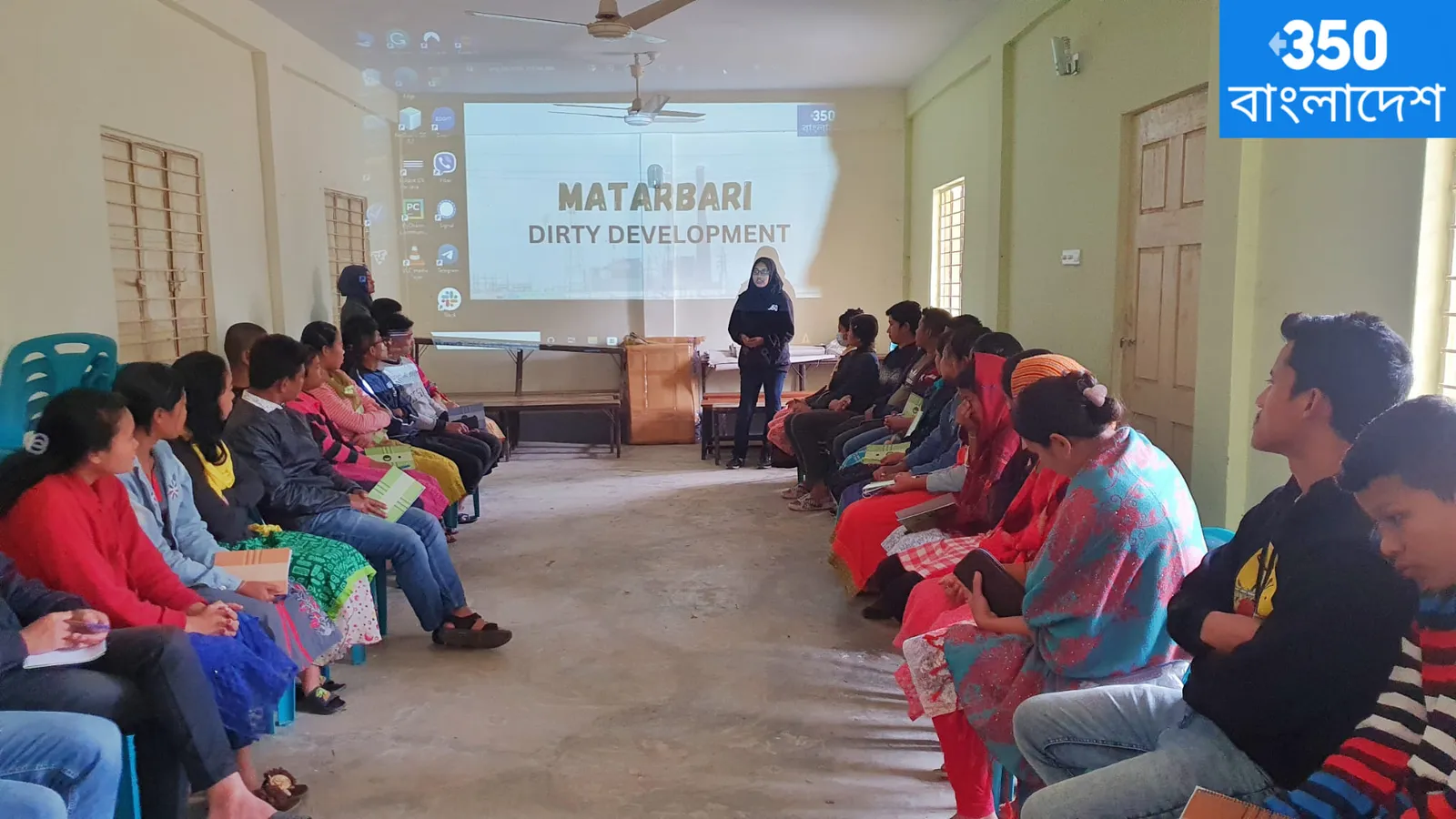
Matarbari Campaign and Dirty Development film screening
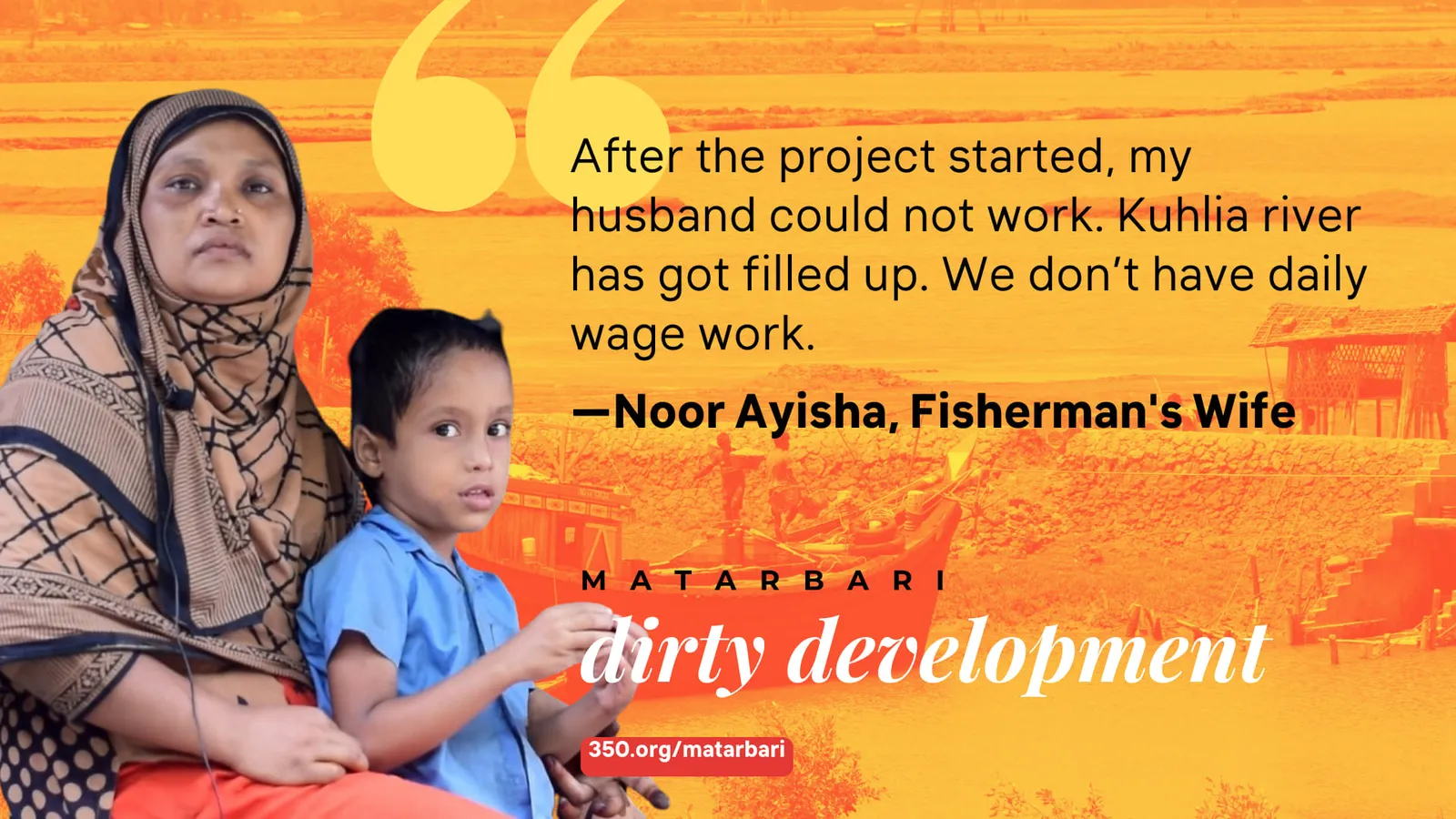
We released a 20-minute documentary film on Matarbari in December, where the under-construction coal plant that Japan is funding is already wreaking havoc on the community and the area’s delicate nature. You can watch the movie here and share the stories of Noor Ayisha and Abdul Jabbar. Then we did a screening tour in Bangladesh and screened the film in the local community in Rangamati and Mirpur Science College in Dhaka, followed by a discussion on Bangladesh’s energy policy.
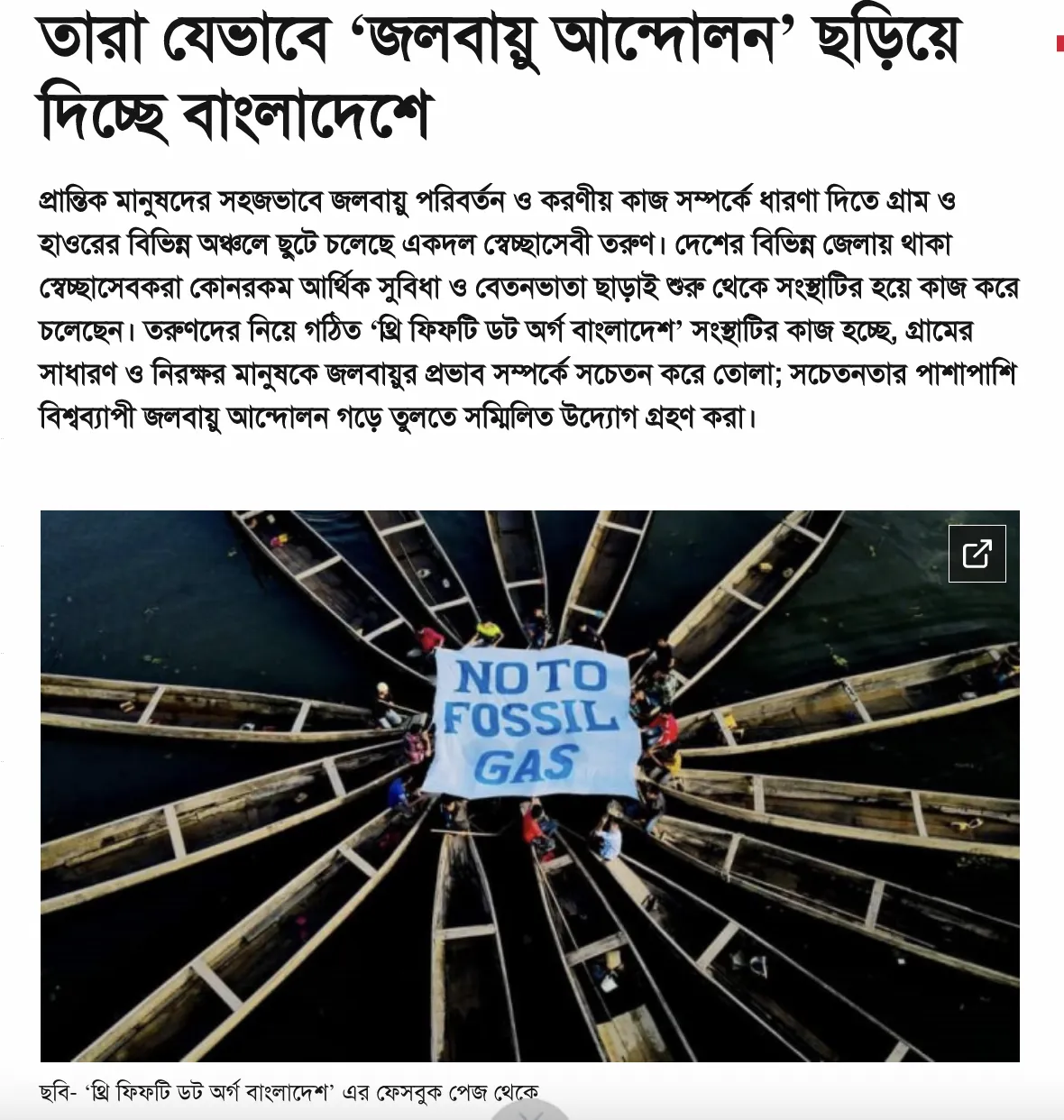
The Business Standard newspaper also featured our work. You can read the story here and share it with your friends.
There are numerous additional methods to assist us with our work, such as joining a nationwide volunteer team. Register for our volunteer orientation call, and we’ll contact you for further information.
Related blogs
News, stories, and insights from the global climate movement.
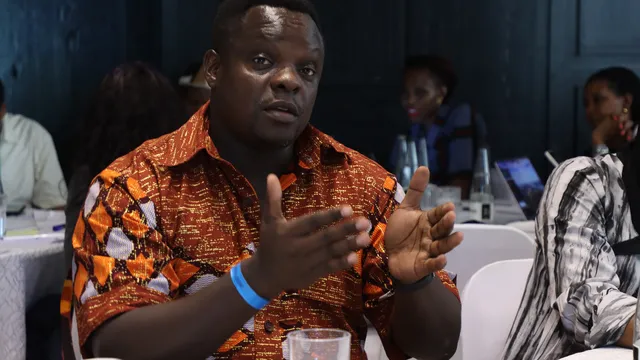
Why Africa's fight for Climate Reparations should question historical structural Injustices
Despite contributing under 4% of global emissions, Africa faces the worst climate impacts. At a symposium in Mombasa, Kenya, leaders call for historical polluters to pay $170 trillion in climate reparations, not as voluntary charity but a binding legal liability.
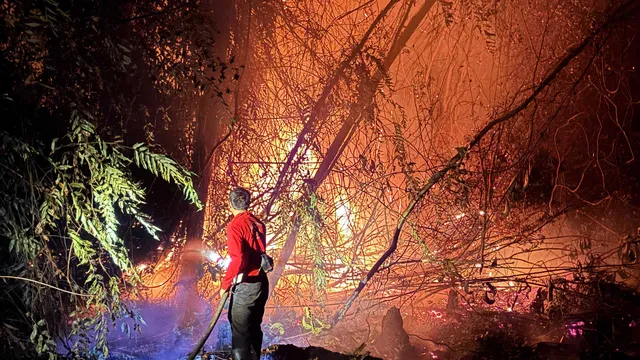
Indonesia’s wildfire crisis cannot be business as usual
Every wildfire season, I watch the smoke arrive. This year, the fires have gotten worse.
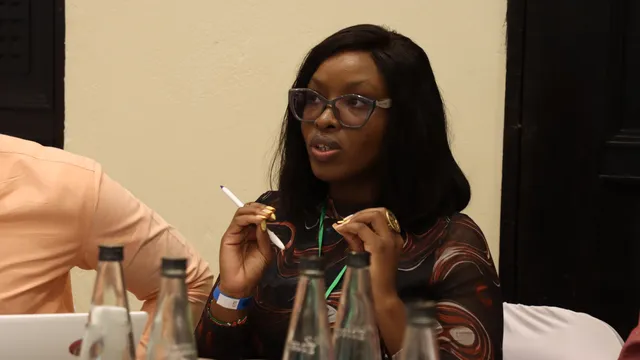
African Symposium on Climate Reparations
Africa is on the frontlines of a climate crisis it did not create. True climate action requires more than promises - it demands accountability, equity, and repair.
