
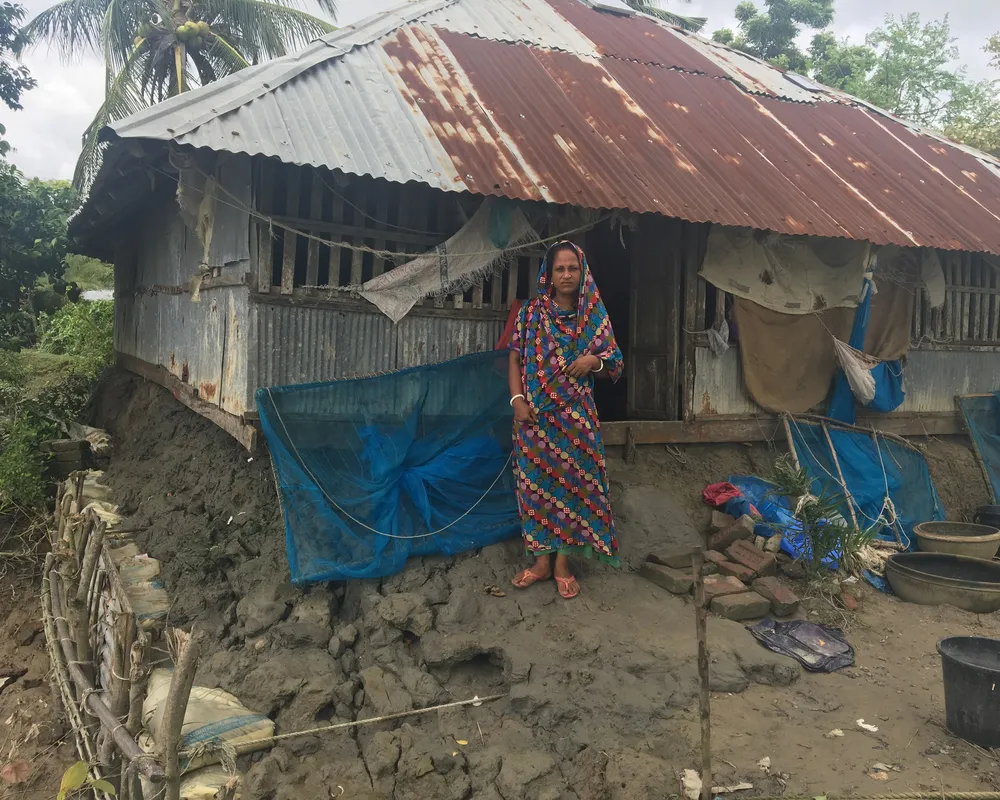
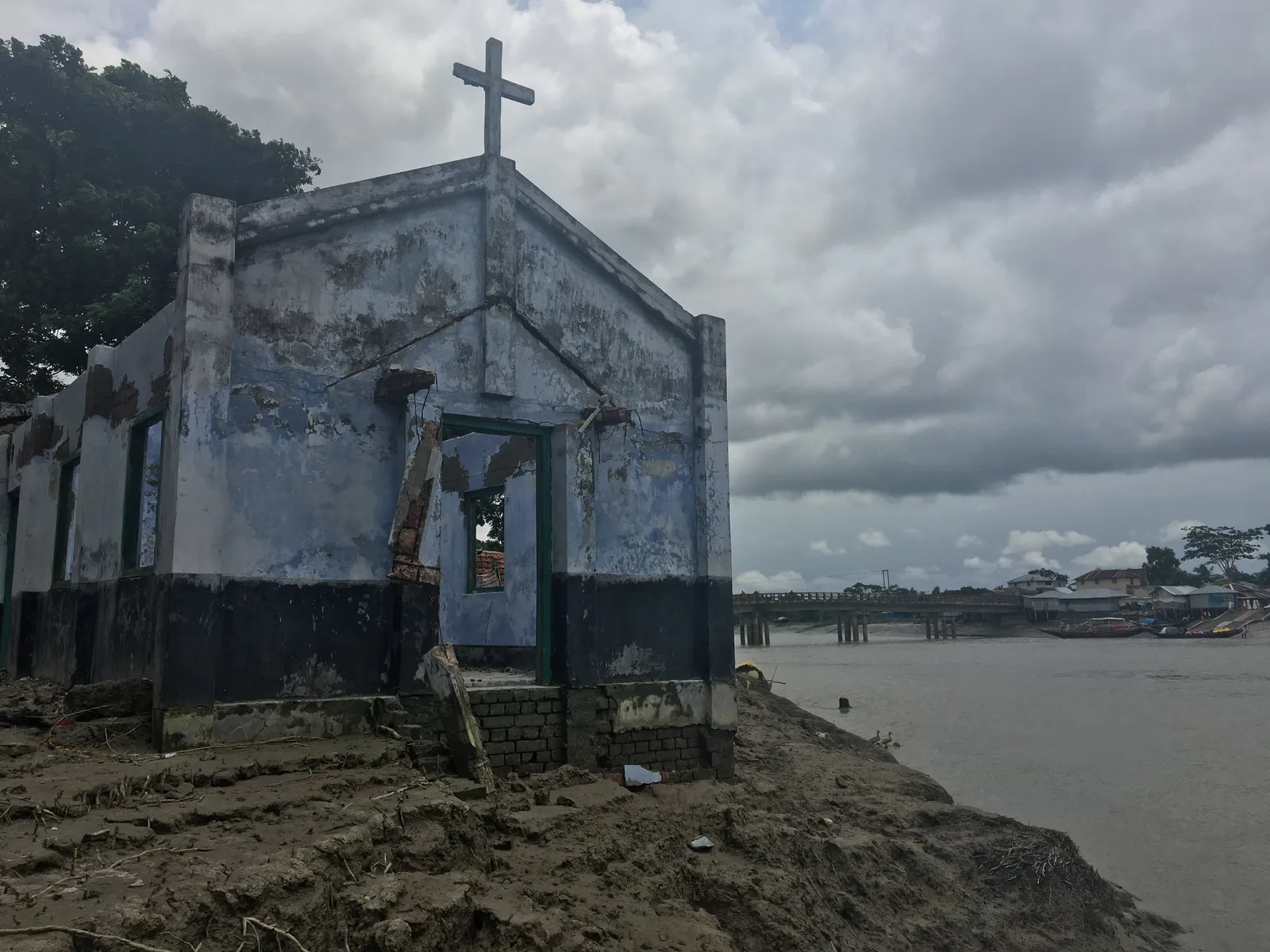
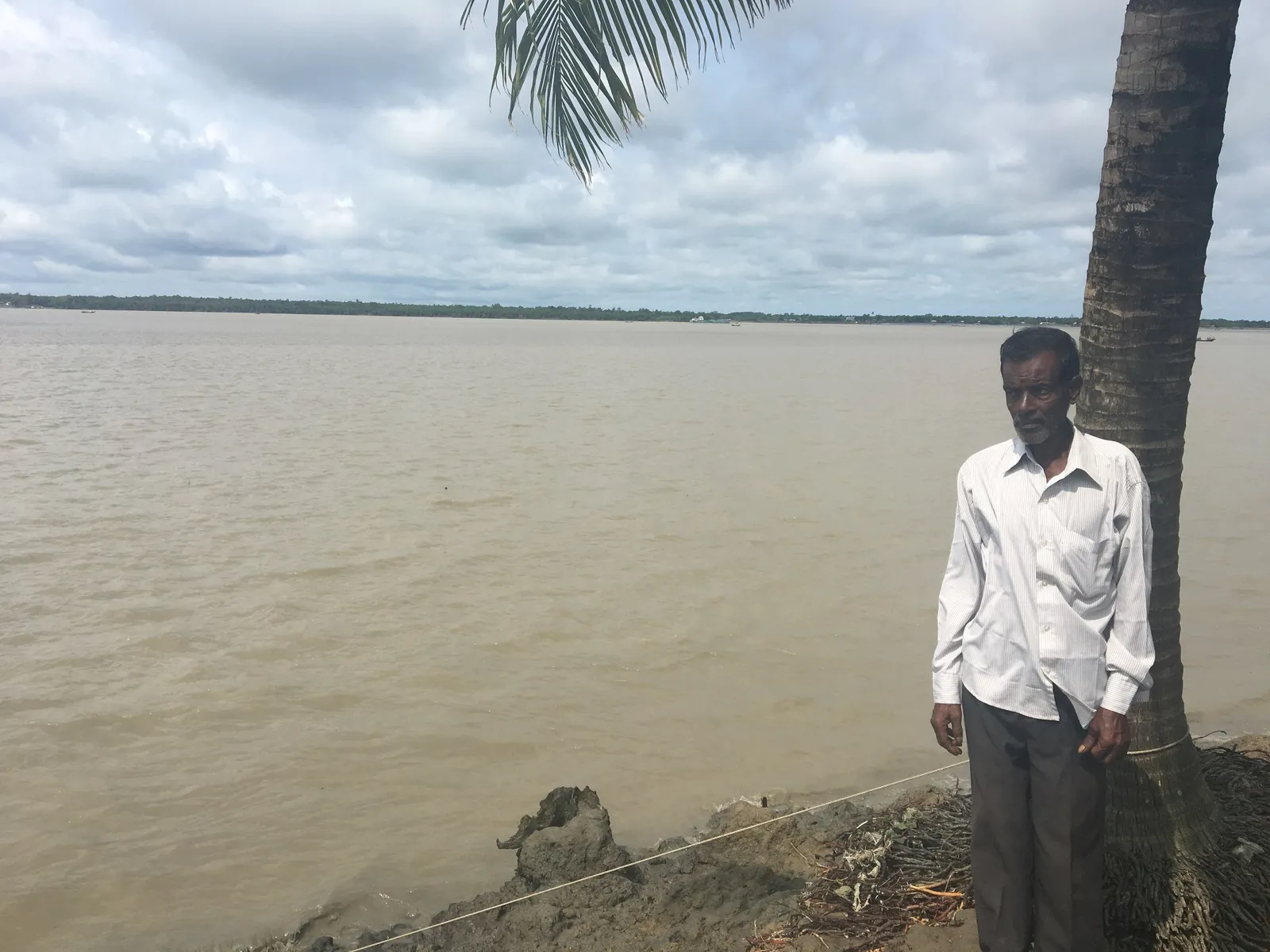
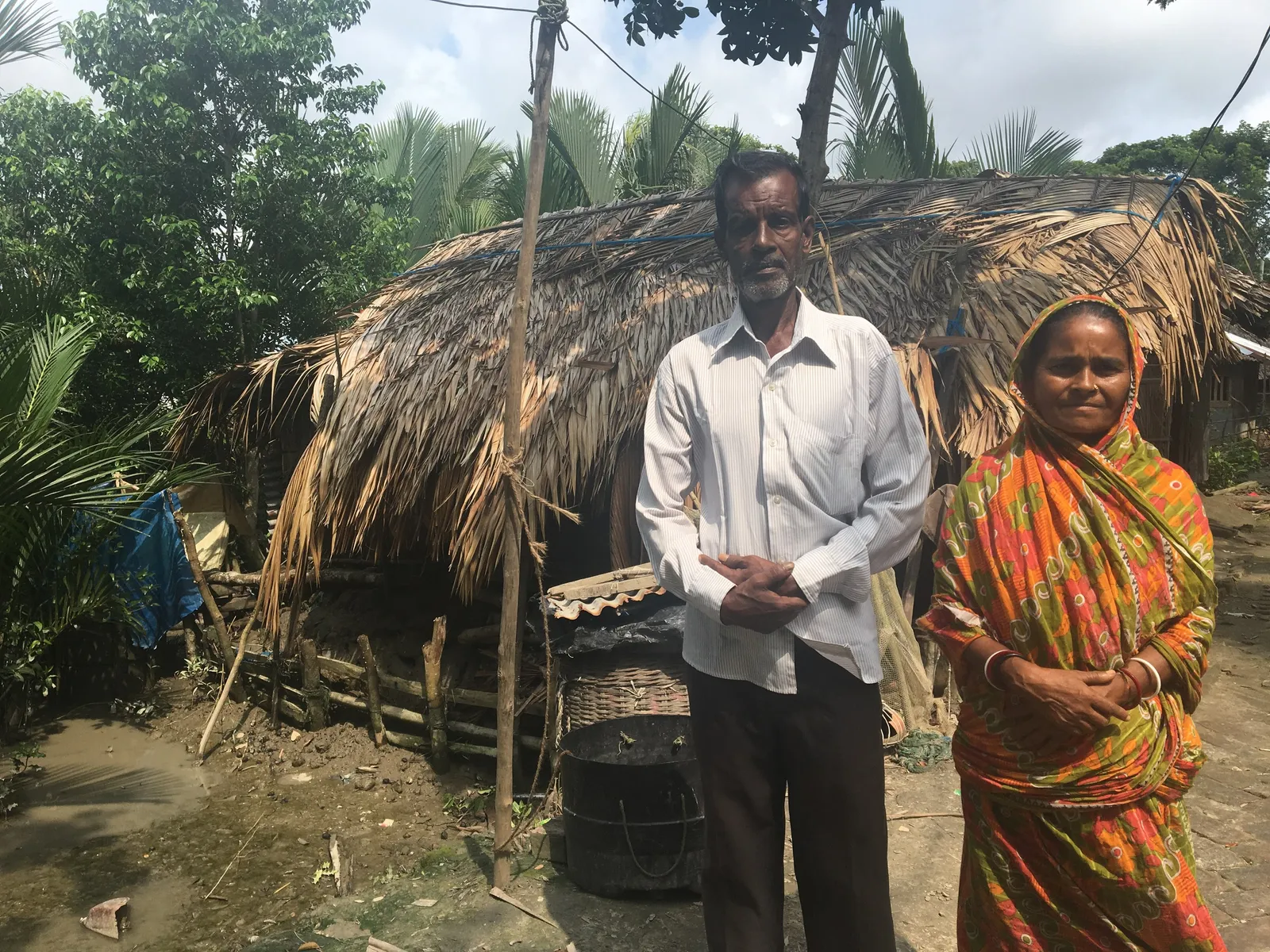
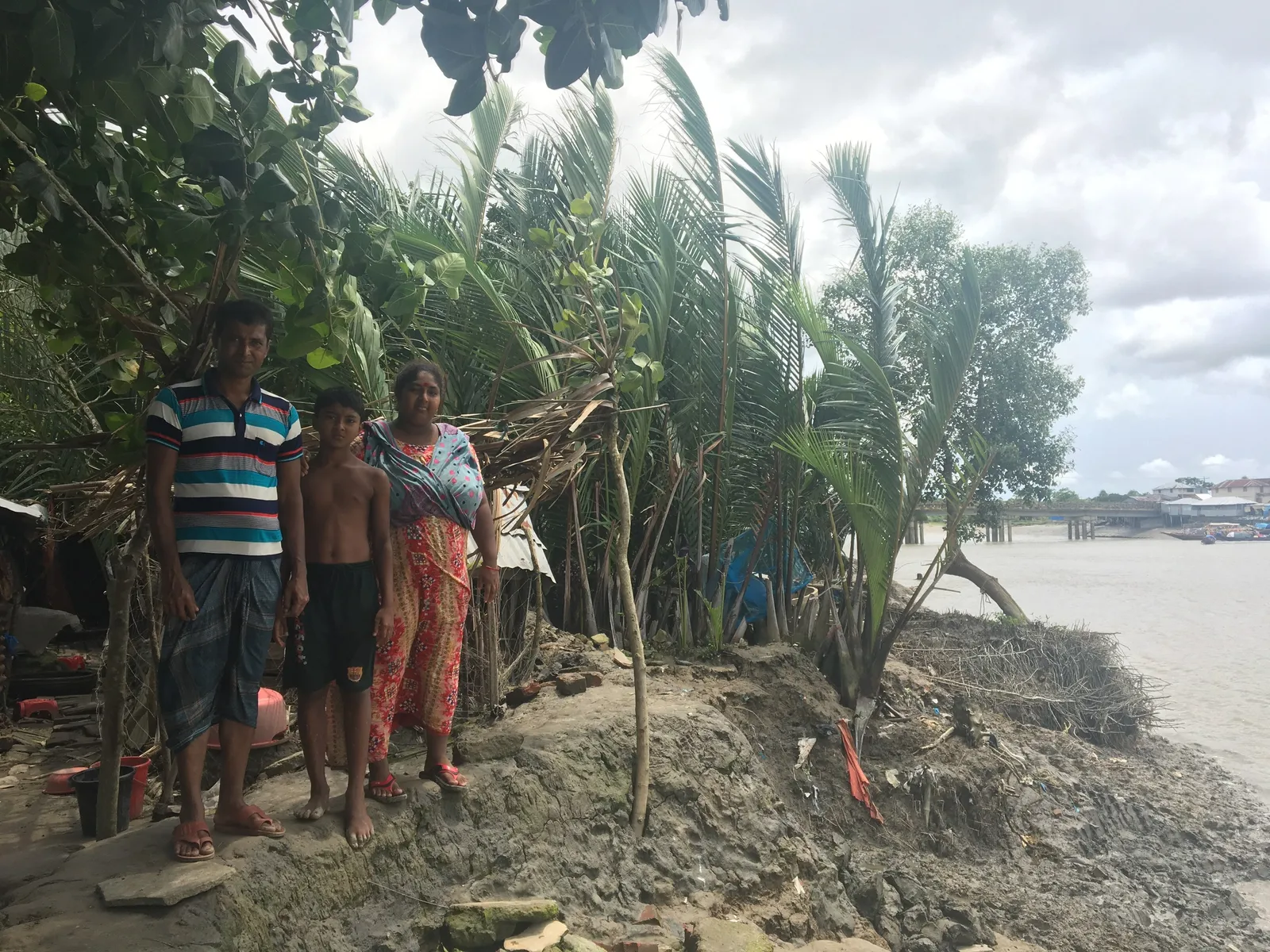
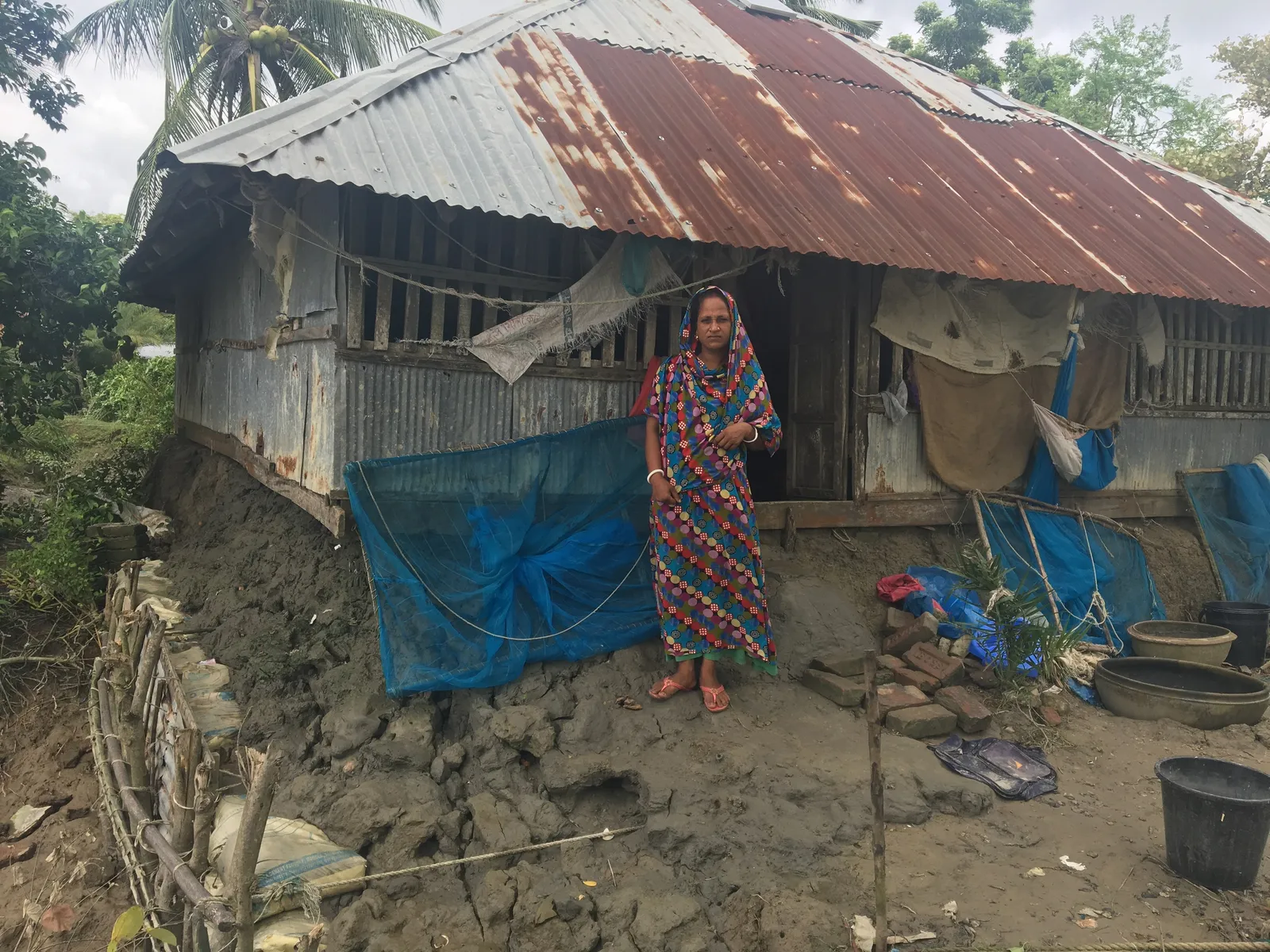
Mongla is the starting point of tourist cruises into the Sundarbans forest, a UNESCO world heritage site. Rising sea levels and continuing soil erosion is making life difficult for people living on the banks of the Posur River. Many villagers I spoke to have already moved three to four times in the last few years. Most of them now live in rented houses with their families. According to current estimates, more than 18 million people in Bangladesh will be affected by sea level rise in the next 40 years.
Most of the people affected by soil erosion receive next to nothing in terms of compensation from the government. In Kanainagar village, people narrated stories of how they were given 2 kilos of rice as compensation on a one-time basis.
I was only able to visit Kanainagar, Saltala during my recent trip to the Sundarbans. But stories of soil erosion and rising seawater is happening in other villages on the Sundarbans delta as well. Most of the people who lose everything are moving to Dhaka in search of work and a new life.
Here are a few photos giving a glimpse of people’s lives here:
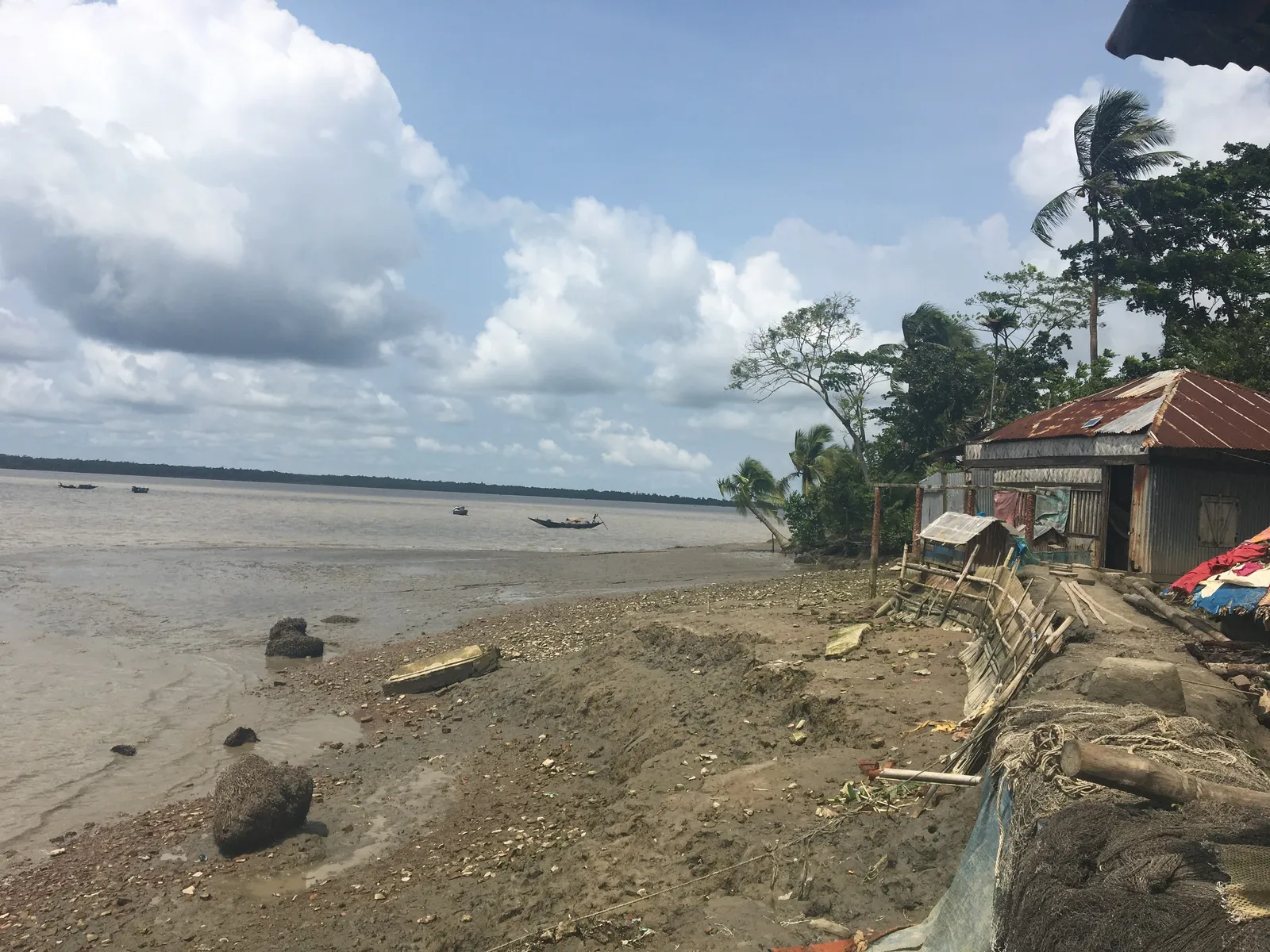
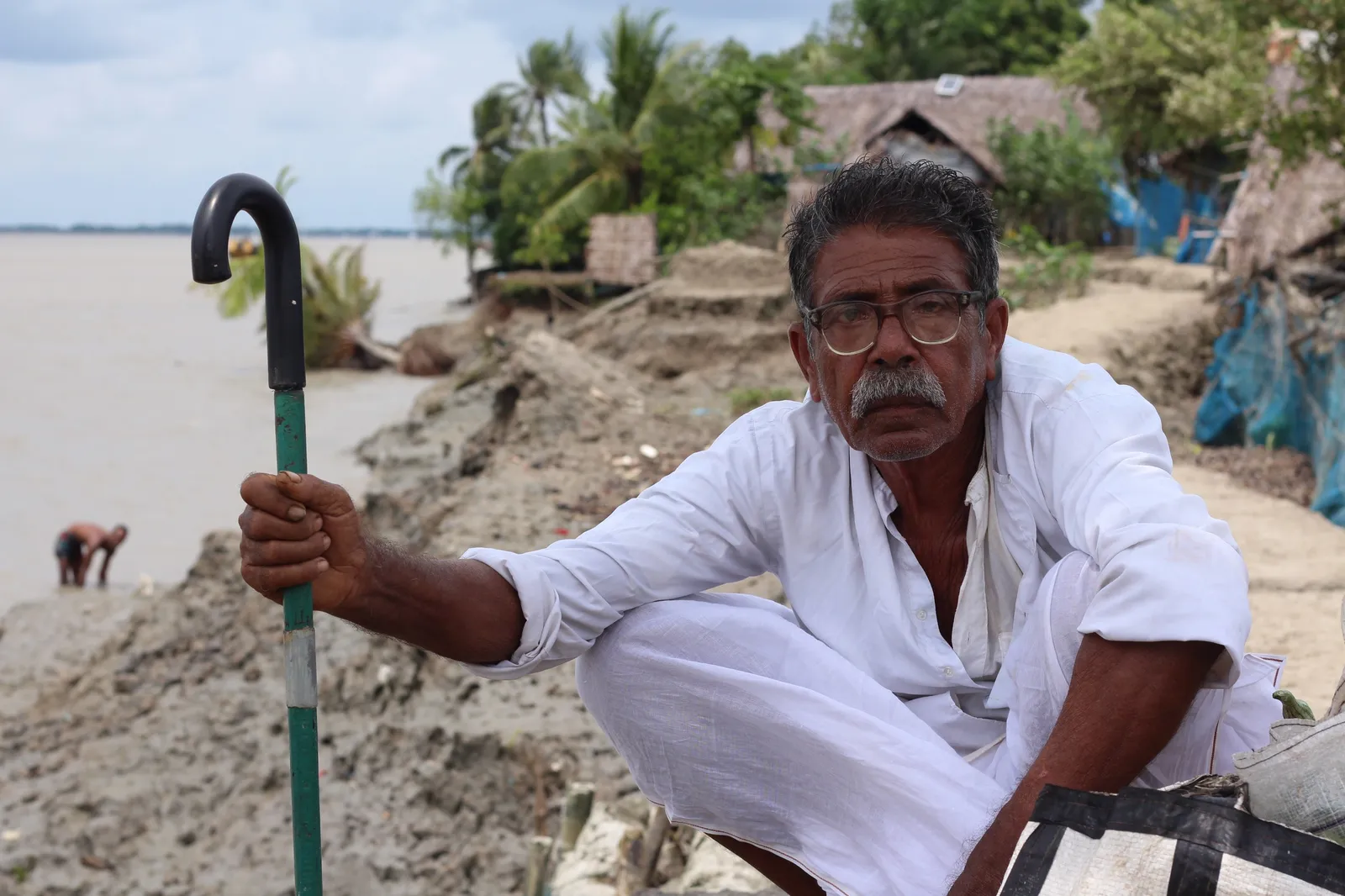
But here right on the banks of the Poshur river, Bangladesh and India are jointly building a 1320 MW coal plant. The Rampal coal plant will need to import 4.72 million tons of coal per year. If the coal plant is built we will see a dramatic rise in shipping of coal, which will result in more soil erosion on the banks of the Poshur river. The world’s largest concentration of mangroves is also here providing a natural barrier against cyclones. Bangladesh faces a barrage of cyclones every year and their frequency is increasing. The proposed coal plant will be accelerating climate change which will increase sea level and soil erosion in Sundarbans.
You can learn more about the Sundarbans and why we must stop coal here.
When I left I wondered where will Kamala and her family be when I come next time? Will they even have a home to stay in?
Related blogs
News, stories, and insights from the global climate movement.
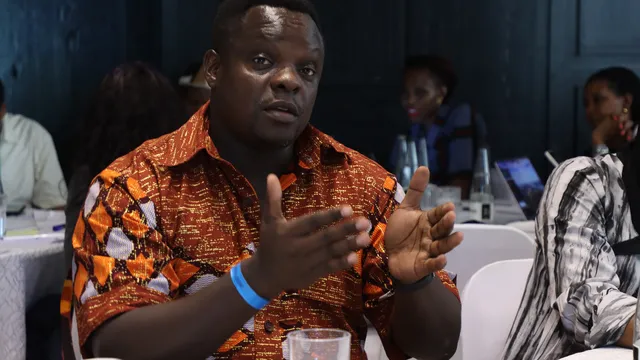
Why Africa's fight for Climate Reparations should question historical structural Injustices
Despite contributing under 4% of global emissions, Africa faces the worst climate impacts. At a symposium in Mombasa, Kenya, leaders call for historical polluters to pay $170 trillion in climate reparations, not as voluntary charity but a binding legal liability.
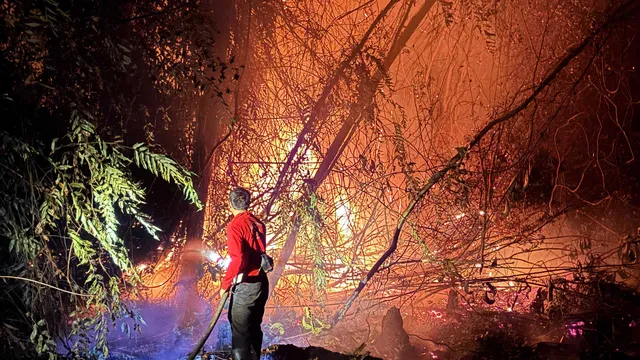
Indonesia’s wildfire crisis cannot be business as usual
Every wildfire season, I watch the smoke arrive. This year, the fires have gotten worse.
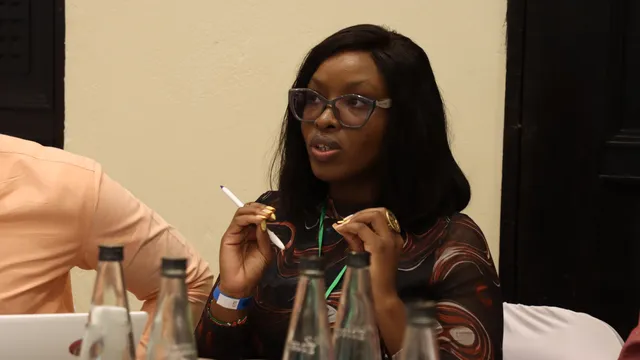
African Symposium on Climate Reparations
Africa is on the frontlines of a climate crisis it did not create. True climate action requires more than promises - it demands accountability, equity, and repair.
