
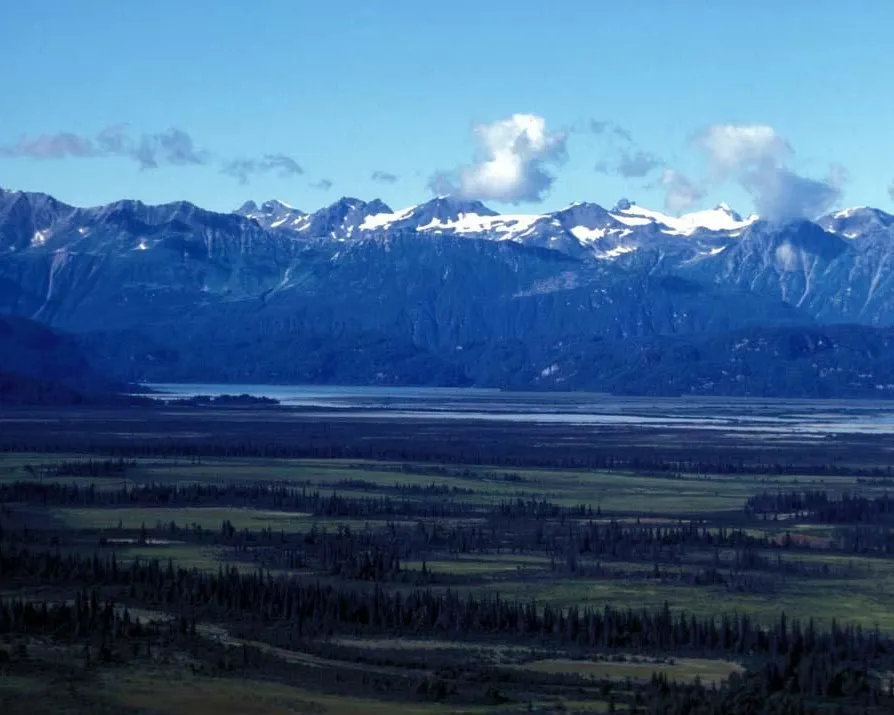
This is a guest blog by Hunt King, an Indigenous Alaskan from Utqiaġvik, on Alaska’s North Slope. In his writing, he reflects on the relationship between Indigenous communities, the land, and the future of Alaska amid the climate crisis.
I am an Indigenous Alaskan. Alaska is the largest US state, in the extreme northwestern region of North America, known for its massive glaciers, diverse wildlife, and vast, untouched wilderness. I grew up understanding that the land is not something we own. Rather, it is something we belong to. That distinction matters more than ever today, because the climate is changing faster than our politics.
Climate change is threatening Alaska’s infrastructure, livelihoods, food security, cultural practices and our relationship with the land itself. As permafrost thaws, roads and buildings become unstable. Coastal erosion accelerates as sea ice and protective shore ice change. Extreme weather and wildfires put communities under growing pressure, sometimes forcing people to consider leaving the places they have called home for generations.
For Alaska, climate change is not a distant prediction. It is already reshaping the land beneath our feet.
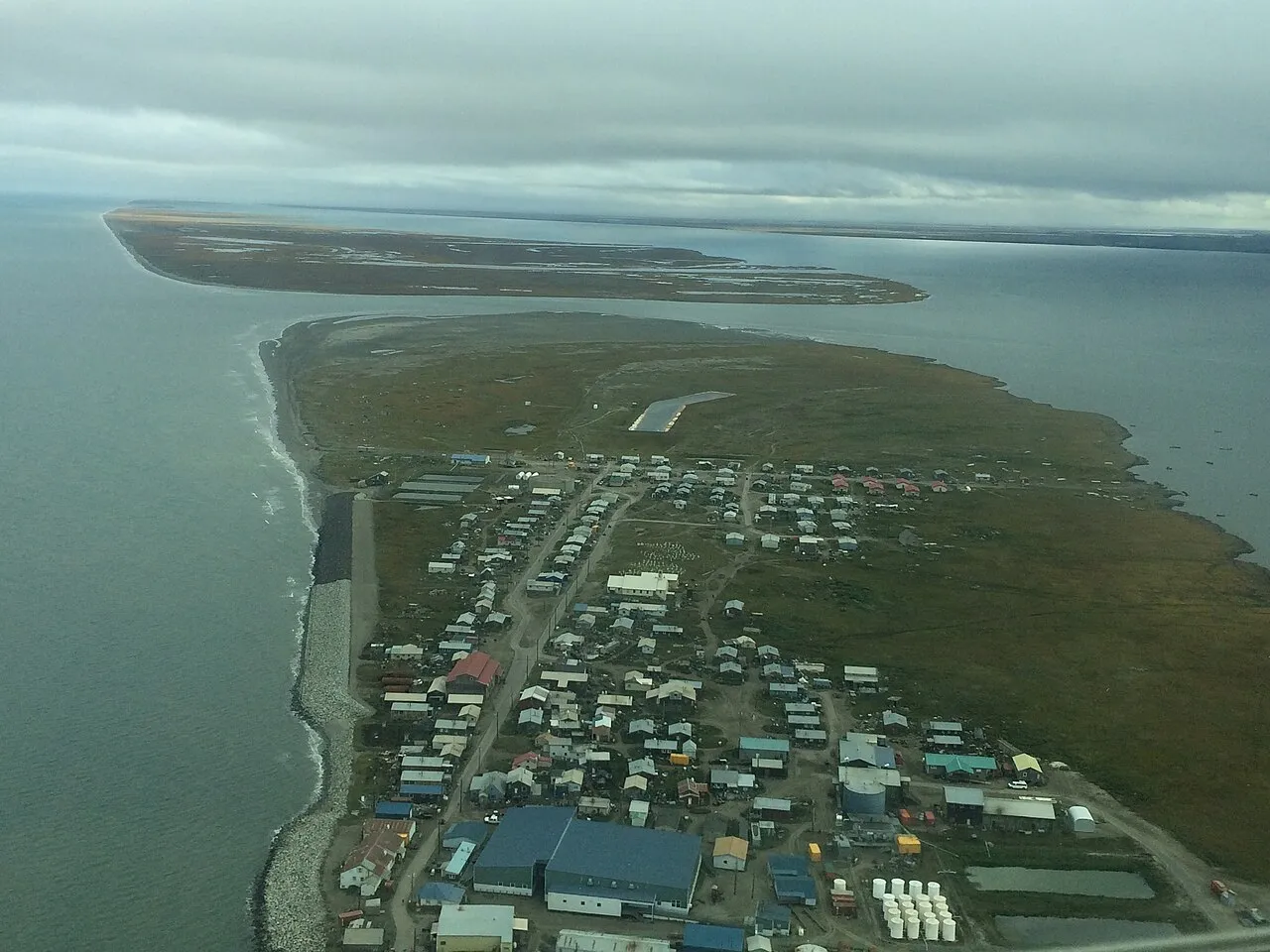
The warnings are becoming harder to ignore. The United Nations Environment Programme has cautioned that the world is on course to overshoot the Paris Agreement’s 1.5°C warming limit, at least temporarily, without much stronger action. The Arctic is warming much faster than the global average, making Alaska particularly vulnerable. So why, at this moment, are we still talking about expanding Alaska’s fossil-fuel frontier as though the climate crisis were somebody else’s problem?
Oil’s Hidden Costs
I know what the oil industry has brought to Alaska in the past. It has created jobs, generated public revenue and helped finance infrastructure and services across the state. Many Alaska Native communities and organizations support resource development because those economic benefits are real. I respect that reality. An economic transition cannot simply dismiss the people whose livelihoods depend on existing industries.
But I believe we have reached a moment when Alaskans must ask a harder question: What happens when an economy becomes so dependent on extracting from the land that it struggles to imagine a future beyond extraction?
Drilling Isn’t a Plan
That question deserves a place at the center of our politics, especially as Alaskans prepare to vote in the November midterm elections.
Senator Dan Sullivan has been a strong advocate for continued oil and gas development, supporting expanded development in the National Petroleum Reserve-Alaska and the Arctic National Wildlife Refuge, championing the Willow project and promoting the Alaska LNG project. His position reflects a familiar argument: that developing Alaska’s energy resources is essential to jobs, revenue and economic security.
There is a legitimate economic argument behind this position. But there is another legitimate Alaska story. It is the story of people whose lives are tied to the land and water in ways that cannot be measured in barrels of oil. It is the story of subsistence, fish, caribou, clean water, sea ice and permafrost. It is the story of whether the places our grandparents knew will remain recognizable to our grandchildren. This story has been around much longer than oil, and must last longer than oil.
The midterm elections are an opportunity to ask our political leaders a more fundamental question: What kind of economy are we building, and who will bear the cost if we get it wrong?
This is not simply a question of being for or against oil. It is a question of whether Alaska can protect the economic benefits of energy development today while preparing for a future in which dependence on fossil fuels may become an increasingly costly gamble. Energy affordability, reliable power, good jobs and environmental protection should not be treated as mutually exclusive goals.
Our children and grandchildren deserve an Alaska that is safe, healthy and capable of sustaining them. That should be the starting point.
Rethinking Development
What does development really mean? Oil has helped build modern Alaska. That does not mean oil must define Alaska forever. Our history should inform our future. It should not imprison it.
Alaska can use the expertise, infrastructure and financial resources accumulated through decades of energy development to build the next generation of its economy. We can invest in renewable energy, energy storage, resilient infrastructure, cleaner transportation and Arctic climate adaptation. These investments can help communities become more resilient while creating opportunities beyond the traditional fossil-fuel sector.
Alaska Native communities must also have a greater role in defining what economic development looks like on their own lands and waters. Development should not be measured only by how much energy or money can be extracted, but also by whether communities retain control over their future, protect their cultural practices and pass on a livable homeland.
Beyond Alaska
The stakes extend beyond Alaska. In November, world leaders will gather in Antalya, Türkiye, for COP31, the annual United Nations climate conference. Following the discussions at New York Climate Week in September, the international conversation is increasingly focused on a familiar challenge: turning promises into action.
For COP31 to mean anything, countries must demonstrate that their climate commitments are changing decisions on the ground. That means reducing emissions, accelerating the transition to cleaner energy and providing the resources communities need to adapt to climate impacts already underway.
The United States has a responsibility in this effort, regardless of which party controls Congress. American climate policy cannot be separated from the country's energy decisions, investment priorities and willingness to work with the rest of the world. Nor can international climate leadership be credible if the pursuit of short-term fossil-fuel gains continues to overshadow the long-term security of communities at home.
Leaving Something Behind
For Indigenous Alaskans, these debates are deeply personal. Caring about climate change is about whether the land that has sustained us remains capable of sustaining the next generation. Our ancestors understood that taking from the land comes with an obligation: we must leave something behind. Clean water. Healthy animals. A functioning ecosystem. A homeland.
Something for the next generation.
I do not expect one election or one international conference to solve the climate crisis. But both offer an opportunity to challenge the assumption that the future must look like the past. Political leaders can choose whether to keep doubling down on extraction or to help build an economy capable of thriving as the world changes. International leaders can choose whether to leave another conference with more promises or deliver the action those promises require.
Alaska is not an energy reserve. It is our home.
The question before us is no longer simply how much more we can extract from it. It is what we are willing to leave behind.
I don't have much of a sweet tooth anyway. So no Baked Alaska for me, please.
* Baked Alaska is a dessert of ice cream on a layer of sponge cake, covered in meringue and blasted in a hot oven until the outside is toasted and the inside somehow stays frozen. It’s also, unfortunately, a fair description of what we’re doing to the actual Alaska, minus the part where the ice survives.
Related blogs
News, stories, and insights from the global climate movement.
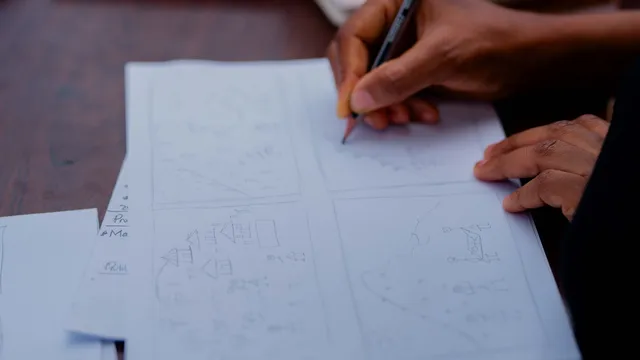
Grassroots Comics for Climate Justice
Written by Tanzanian cartoonist Nathan Mpangala, the blog details a two-day Grassroots Comics on Climate Action workshop held on October in Dar es Salaam. The initiative was part of the REPower Tanzania campaign, supported by 350 East Africa.
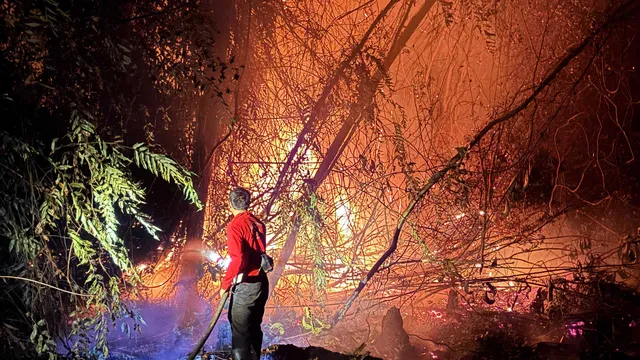
Indonesia’s wildfire crisis cannot be business as usual
Every wildfire season, I watch the smoke arrive. This year, the fires have gotten worse.
Why Africa's fight for Climate Reparations should question historical structural Injustices
Despite contributing under 4% of global emissions, Africa faces the worst climate impacts. At a symposium in Mombasa, Kenya, leaders call for historical polluters to pay $170 trillion in climate reparations, not as voluntary charity but a binding legal liability.
