
This is a guest blog by Nicole Pita, Programme Manager at IPES-Food, the International Panel of Experts on Sustainable Food Systems, a global think tank and expert group guiding action for sustainable food systems around the world.
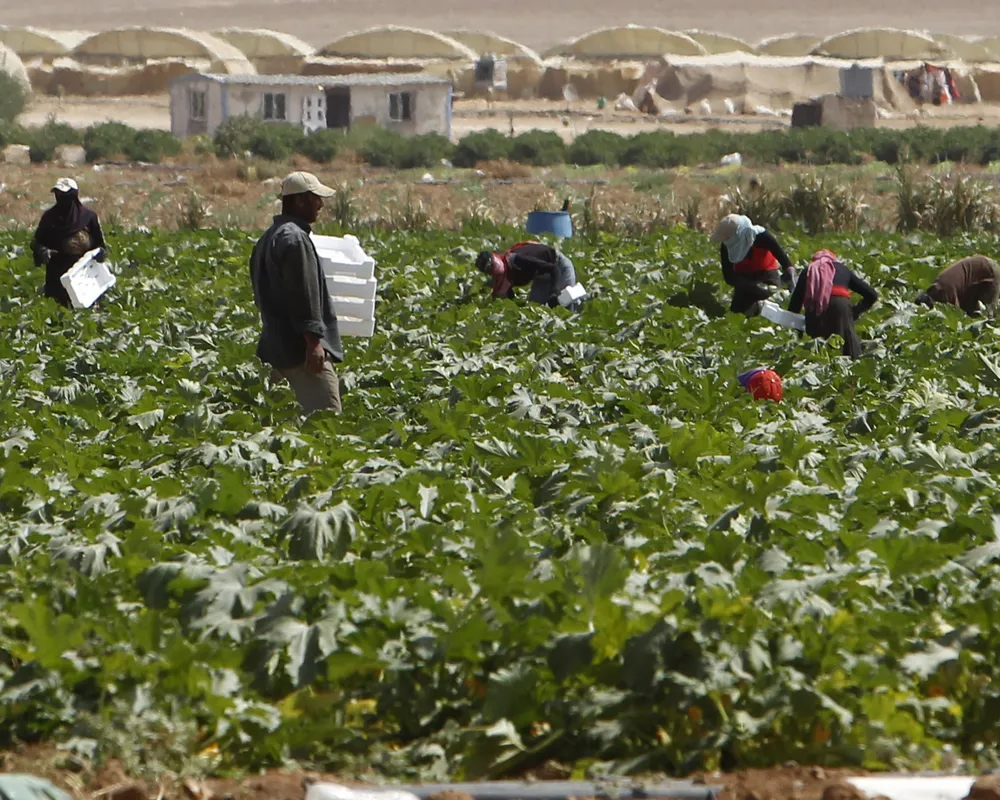
When heatwaves hit and temperatures become unbearable, many of us can retreat indoors, drink plenty of water, take a cold shower, or turn on a fan or air conditioner. But for the people who plant, pick, and pack our food, these basic protections are out of reach.
Year after year, fossil-fuelled climate change is devastating harvests and turning farms into increasingly dangerous places to work. Extreme heat, wildfire smoke, and rising pesticide use are driving up illness, heat stress, and death among farm labourers.
Yet despite being on the frontlines of the climate crisis, farmworkers remain largely invisible in global climate negotiations. Meanwhile, labour laws meant to keep them safe are weak, poorly enforced, or non-existent.
At COP31, governments are discussing a new Just Transition Mechanism – a framework for climate action that centers workers and vulnerable communities. That mechanism must include and protect the farmworkers who feed us.
Exposed to extreme heat, denied basic protections
Fossil fuel emissions are driving record-breaking heatwaves, turning strenuous outdoor labour into life-threatening work. Heat stress – ranging from dizziness and exhaustion to heatstroke – is now the most common health threat farmworkers face.
The way farmworkers are employed and paid makes matters worse. Because many farmworkers are paid by the kilo or crate harvested, taking a break means losing income. 90% of agricultural workers worldwide lack formal contracts, leaving them without basic social and labour protections. Even when formal contracts exist, national laws routinely carve farmworkers out of basic health and safety rules.
As our recent report Food Work found, agriculture is already one of the most dangerous sectors to work in on earth, accounting for one in three work-related deaths. Yet farmworkers are frequently excluded from occupational health and safety standards.
In Bangladesh and Pakistan – where rice and maize farmworkers face nearly twice as much dangerous heat as in previous decades – agricultural workers lack basic rights to shade, water, and rest breaks, even during heatwaves. In many other countries, labour laws only apply to businesses with over 10 employees, as is the case in India, leaving the vast majority of farms unregulated.
The human cost of these legal loopholes is staggering. In the United States, farmworkers are 35 times more likely to die of heat than workers in other sectors. Prolonged exposure to extreme heat has also driven more than 26 million cases of chronic kidney disease globally, including a fatal epidemic among Central American sugarcane workers that has claimed tens of thousands of lives.
At the same time, fossil-fueled heat and drought are supercharging wildfires. Farmworkers exposed to thick wildfire smoke face serious heart and lung problems, as well as increased risks of workplace accidents. Yet farmworkers are routinely forced to keep harvesting in smoke, even as neighbouring communities are evacuated.
The toxic toll of fossil fuel-dependent farming
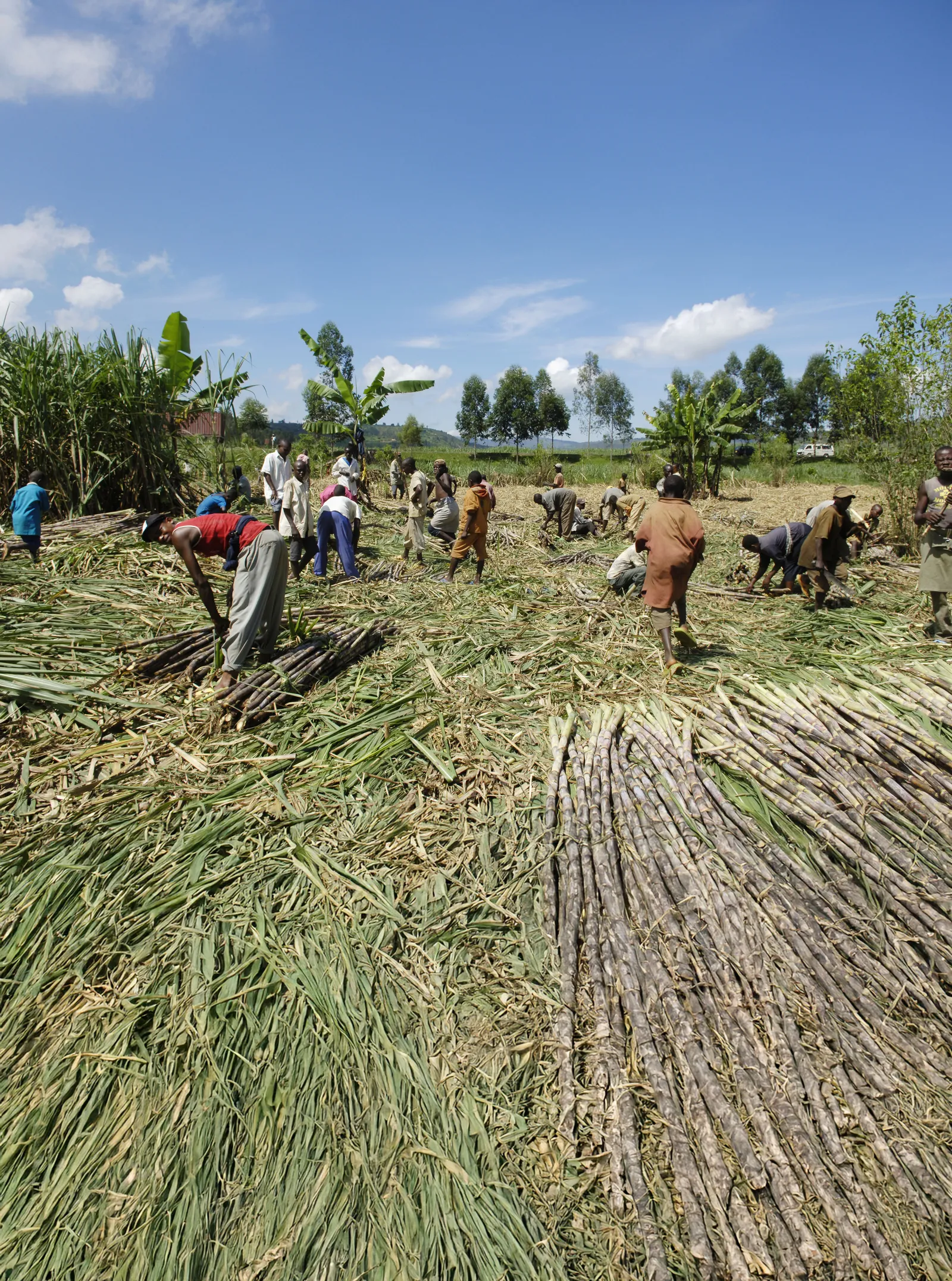
While the climate movement has made important strides towards phasing out fossil fuels in energy and transport, industrial agriculture remains a massive blind spot. As demand for fossil fuels in other sectors comes under pressure, oil and gas companies are looking to petrochemicals, including agricultural fertilizers and pesticides, as major growth markets. Global pesticide use has jumped 13% over the past decade and doubled since 1990, especially in Argentina, Brazil, China, Thailand, and the US.
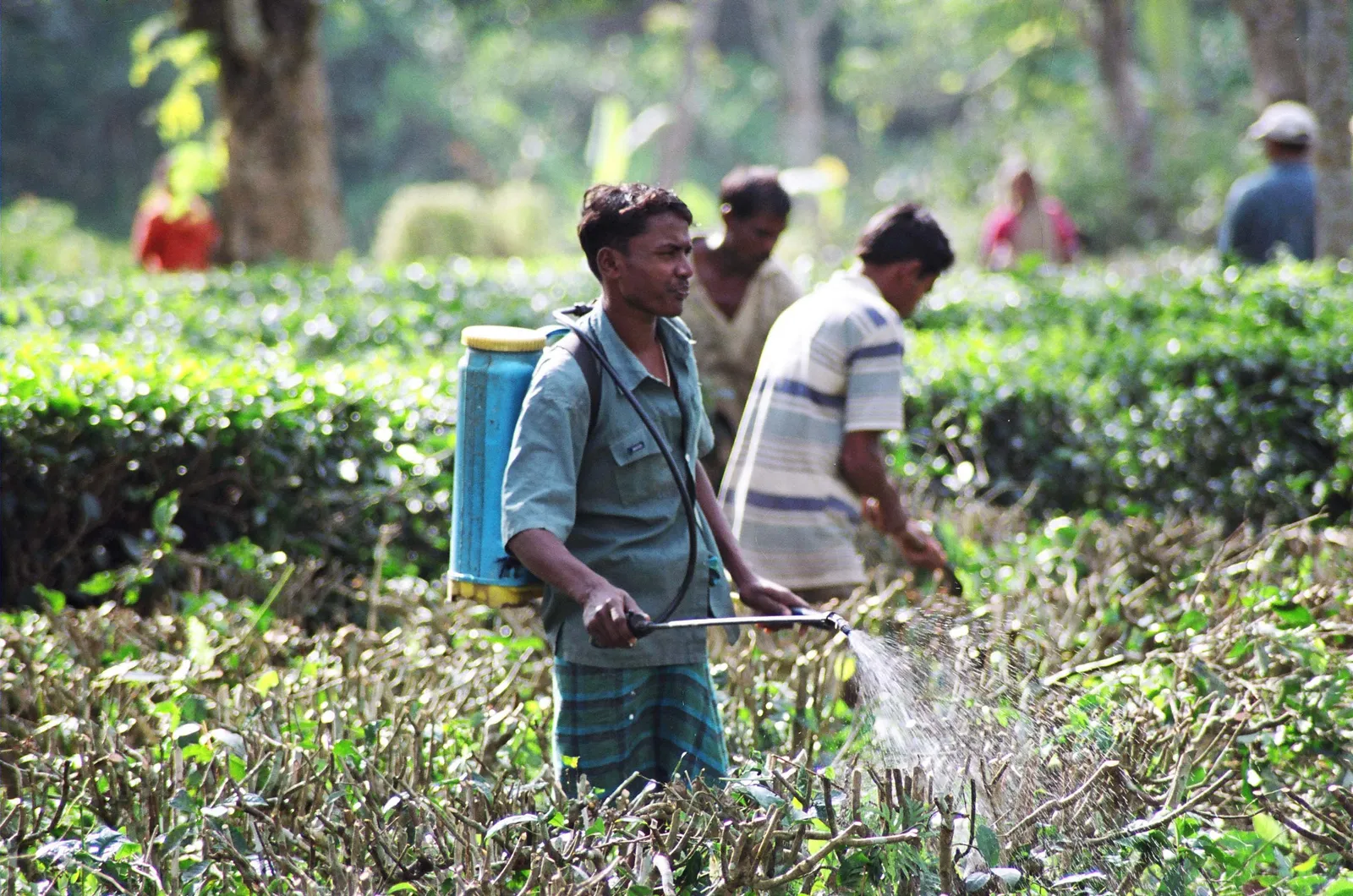
The climate crisis is also playing a role here – pushing up pesticide use, as pests multiply and spread into new regions, prompting farmers to spray heavier, more toxic doses of chemicals. Extreme heat accelerates pesticide evaporation into the air and speeds up absorption through the skin. A recent study found that nearly half of the world’s farmworkers are poisoned by pesticides every single year.
Migrant farmworkers are particularly vulnerable. Many are reluctant to report unsafe conditions, including pesticide exposure without adequate training or protective equipment, for fear of immigration enforcement. Meanwhile, chronically underfunded labour inspectorates leave abuses unchecked. In the European Union, just 0.024% of farms with workers were inspected in 2023.
Putting farmworkers at the heart of a just transition
Farmworkers should not have to risk their lives to put food on our tables. Across the world, communities are fighting for a safer world to live and work in. For example, in Argentina, the country with the world’s highest per-capita pesticide use, a grassroots movement of mothers, the Madres de Ituzaingó, mobilized a massive public campaign and won a court ruling that restricted pesticide spraying near homes. In Brazil, for over forty years the Landless Workers’ Movement (MST) has actively built cross-movement solidarity linking climate action and environmental protection to land reform and workers’ rights.
Global climate negotiators should take inspiration from these people-led movements for climate justice. At COP30 in Belém last year, civil society secured a commitment to advance a Just Transition that puts workers, communities, and Indigenous Peoples at the heart of climate action. This year, at COP31, a broad coalition of social movements and climate campaigners are urging governments to turn that promise into a concrete mechanism for action.
As Food Work makes clear, a just transition for food and farmworkers requires three urgent changes. First, phase out harmful agrochemicals and redirect billions in agricultural subsidies towards agroecology, helping farmers adopt safer, more sustainable practices. Second, close legal loopholes and guarantee basic workplace protections for all farmworkers, backed by effective labour inspections. Third, protect workers from climate hazards by requiring work to stop during dangerous heatwaves, wildfire smoke, or storms, without workers losing wages.
We cannot phase out fossil fuels and build climate-resilient food systems on the backs of exploited workers. It’s time to put farmworkers’ safety, dignity, and rights at the heart of global climate action.
Related blogs
News, stories, and insights from the global climate movement.
The world wants to electrify. But who will benefit?
Electrification is COP31's buzzword. And yes, we should electrify now - but we should pay more attention to how.
Highlights from the first week of COP31
The UN Climate Talks (COP31) opened in Antalya, Türkiye, on 9 November. Our team has been there all week inside the negotiation rooms and alongside the talks at many different events. Here's how the first week went, and what comes next.
Be a hero, and not a zero
Who showed leadership so far, who didn't, and what to expect from week 2 at COP31.
