
Repower Afrika is an African climate campaign driven by civil society, frontline communities, and climate activists to accelerate Africa’s transition away from fossil fuels and toward community-owned, distributed renewable energy. Initiated with the support of 350.org and regional coalitions, the campaign frames clean energy access not merely as a technical goal, but as a fundamental human right and economic necessity for the continent.
See how we celebrated with communities in Tanzania.
It was a clear morning in Kyakaboga Resettlement Village, located in the Buseruka Sub-county of Hoima District, Uganda, where community members gathered beneath the open sky not only to celebrate the second anniversary of the RePower Afrika Campaign, but also to tell a story that is often overlooked: a community displaced by massive fossil fuel developments, yet constrained by severe energy poverty.
The event, organized by the Oil Refinery Residents Association (ORRA) in partnership with Nature Talk Africa (NaTA) and Kazi Njema News, was held under the theme "Youth and Women Leading Change." While the occasion celebrated two years of advancing clean energy and climate justice across the continent, it highlighted the urgent need to ensure that communities on the frontlines of extractive projects are not left behind in the global energy transition.
Kyakaboga is home to families displaced by the Uganda Oil Refinery Land Acquisition Project, yet energy access remains a daily struggle. Out of 46 households connected to the national grid, only about 15 households maintain active electricity connections today, while the rest of the village faces systemic energy insecurity. As the saying goes, "water, water everywhere, nor any drop to drink." In Kyakaboga, major oil projects take shape right on their doorstep, yet most families still live without reliable electricity.
The irony is striking.
The community was resettled to build a new future, but without affordable energy, the true economic potential of their households remains largely untapped. As another old saying reminds us, "Opportunity knocks only once, but without the right tools, the door remains closed."
Limited access to energy means residents face unaffordable power tariffs, frequent grid blackouts, and lengthy delays in technical support. Many households unable to keep up with soaring costs have had their meters removed, while families living in semi-permanent or grass-thatched structures are structurally excluded from grid access altogether.
The challenges extend far beyond household lighting. In his lived testimony during the event, local leader Sadam Tekakwo shared:
"Forty-six households here were connected to the national grid, yet many families living in semi-permanent and grass-thatched houses still have no electricity. We were among the first people displaced by the East African Crude Oil Pipeline project. We requested solar panels, but that never happened. Today, even as a local leader, I have no electricity because I could not continue paying the costs... We hope this campaign will help us realize a community-owned solar plant that can serve everyone."
These realities demonstrate that energy poverty is not merely about the absence of electricity; it affects every aspect of community life, from safety and youth education to health, livelihoods, and local dignity.
Against this backdrop, the anniversary celebration became far more than a ceremonial event.
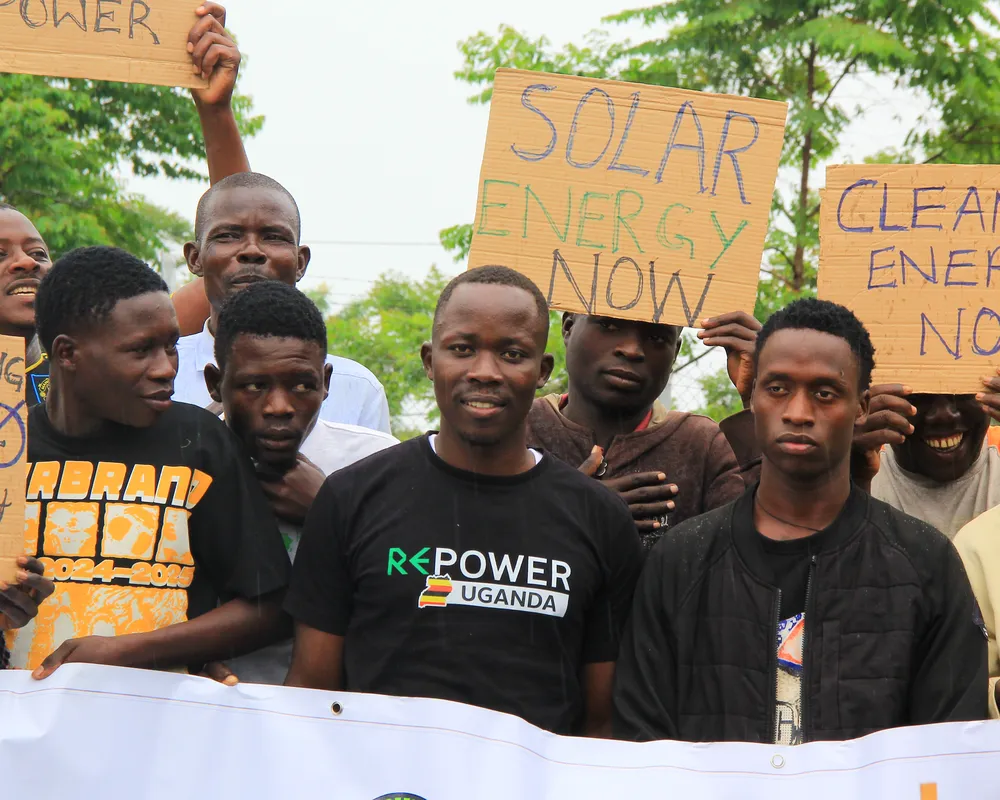
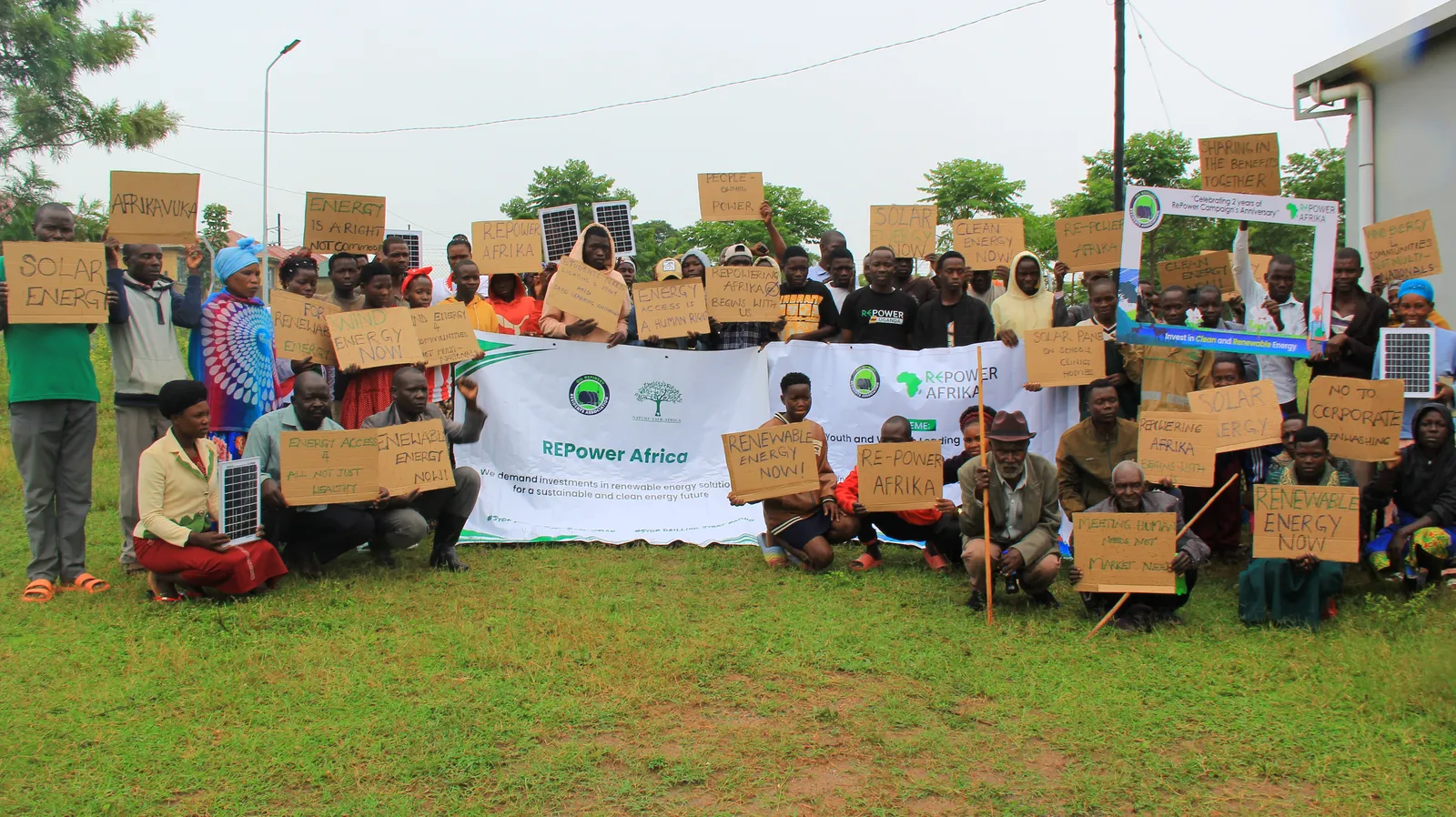
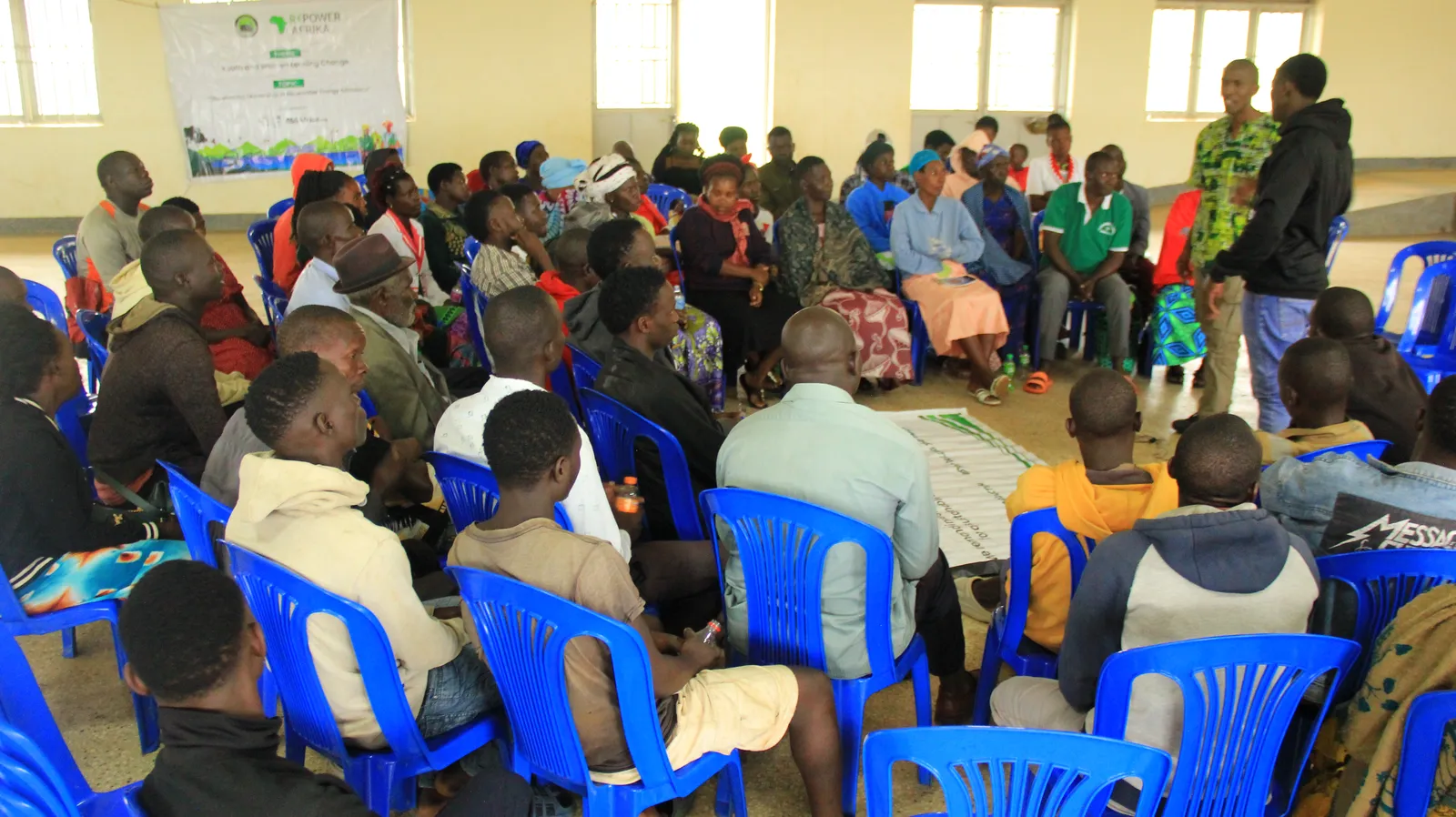
More than 80 participants including local council leaders, youth, women, elders, and environmental human rights defenders gathered to reflect on two years of the campaign and chart community-driven solutions. Community members held peaceful demonstrations with placards and engaged in dialogue to raise awareness about energy poverty and climate justice. Their voices carried a simple but powerful message: every community deserves access to clean, affordable, and community-owned renewable energy.
The celebration featured grassroots reflections where community members actively designed their own energy solutions. Rather than waiting for top-down interventions, they proposed establishing a centralized, community-owned solar microgrid to share maintenance costs and ensure universal access. The discussion reinforced an important truth: A just energy transition is not only about replacing fossil fuels with renewable energy. It is about ensuring that communities have the power to control their own energy systems, strengthen local economies, and live with dignity.
For Kyakaboga, decentralized renewable energy could transform community life. Solar microgrids, clean cooking, and community-managed power systems would allow displaced families to break free from high energy tariffs and build a resilient future.
As the African proverb wisely says, "The best time to plant a tree was twenty years ago. The second-best time is now." The same can be said for investing in community-owned renewable energy infrastructure for rural communities.
The second anniversary of RePower Afrika served as both a celebration and a call to action. To sustain momentum, the community established a network of volunteer REPower Africa community ambassadors to lead local organizing, spread awareness, and keep constructive pressure on decision-makers, including the Ministry of Energy, UEDCL, and oil companies like TotalEnergies and CNOOC.
As the celebration came to an end and families slowly dispersed under the afternoon sun, one message remained clear:
The people of Kyakaboga are not asking for charity. They are asking for energy, justice and opportunity. And with clean, community-owned energy, that opportunity can finally bear fruit.
Related blogs
News, stories, and insights from the global climate movement.
African Symposium on Climate Reparations
Explore the upcoming gas auction in Brazil and its implications for Indigenous lands and the environment in Maranhão.
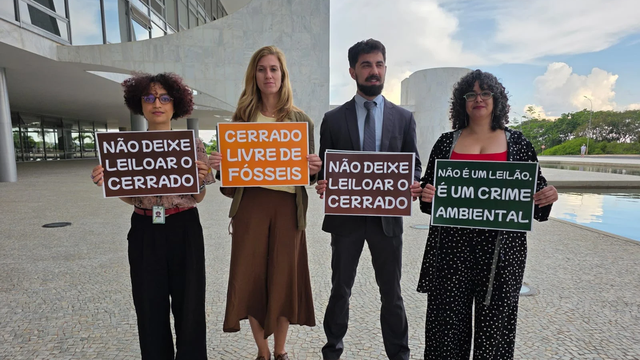
The Cerrado Is Not for Sale
Explore the upcoming gas auction in Brazil and its implications for Indigenous lands and the environment in Maranhão.
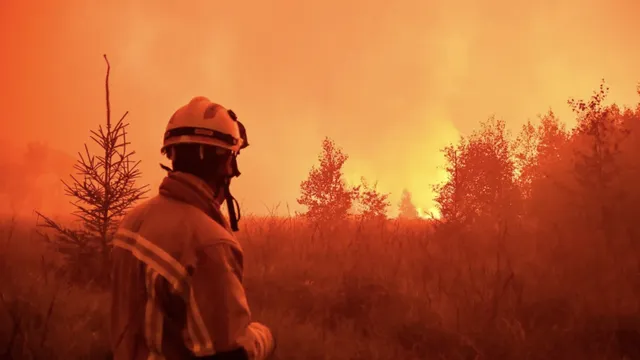
Keeping Safe from Fires and Liars
Explore the connection between climate crises and disinformation as experts discuss current challenges and their impacts.
