
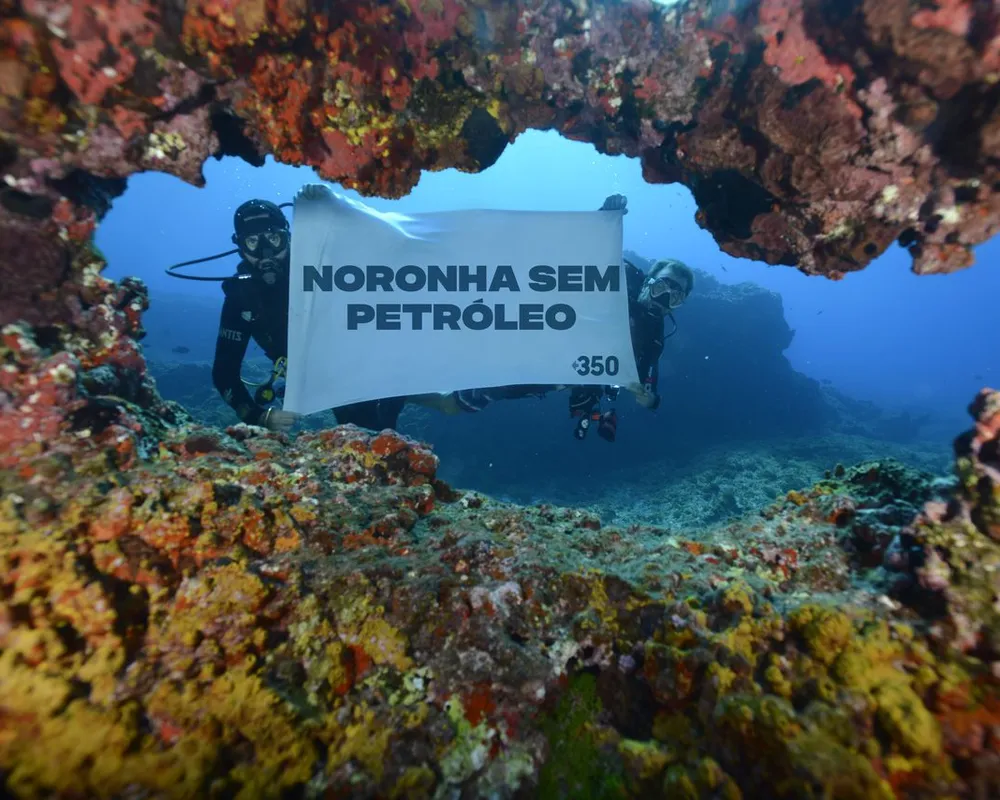
Some of the most important ocean areas for biodiversity and fisheries on the Brazilian coast are at risk of destruction due to the auction of oil and gas blocks that the National Agency for Petroleum, Natural Gas and Biofuels (ANP) will hold on October 7th (thursday).
Nine companies are registered to compete in the exploration and production of oil and gas in up to 92 blocks, located in the sedimentary basins of Campos, Santos, Potiguar and Pelotas. According to studies carried out by Fabrício Gandini, master in fisheries oceanography from the Federal University of Rio Grande Foundation (FURG) and founder of the Maramar Institute, the Potiguar and Pelotas basins – areas to be auctioned – are sensitive to the maintenance of marine life. Gandini also points out that oil and gas activity in the region can cause serious damage to areas essential for fishing, he also points out that these areas are not yet officially protected, and says:
“Because it is oceanographic frontier, the Pelotas Basin is a Brazilian marine heritage, which also provides an invaluable service to the economy of some of the most populous states in the country, but the Brazilian government is offering for oil exploration”, Gandini
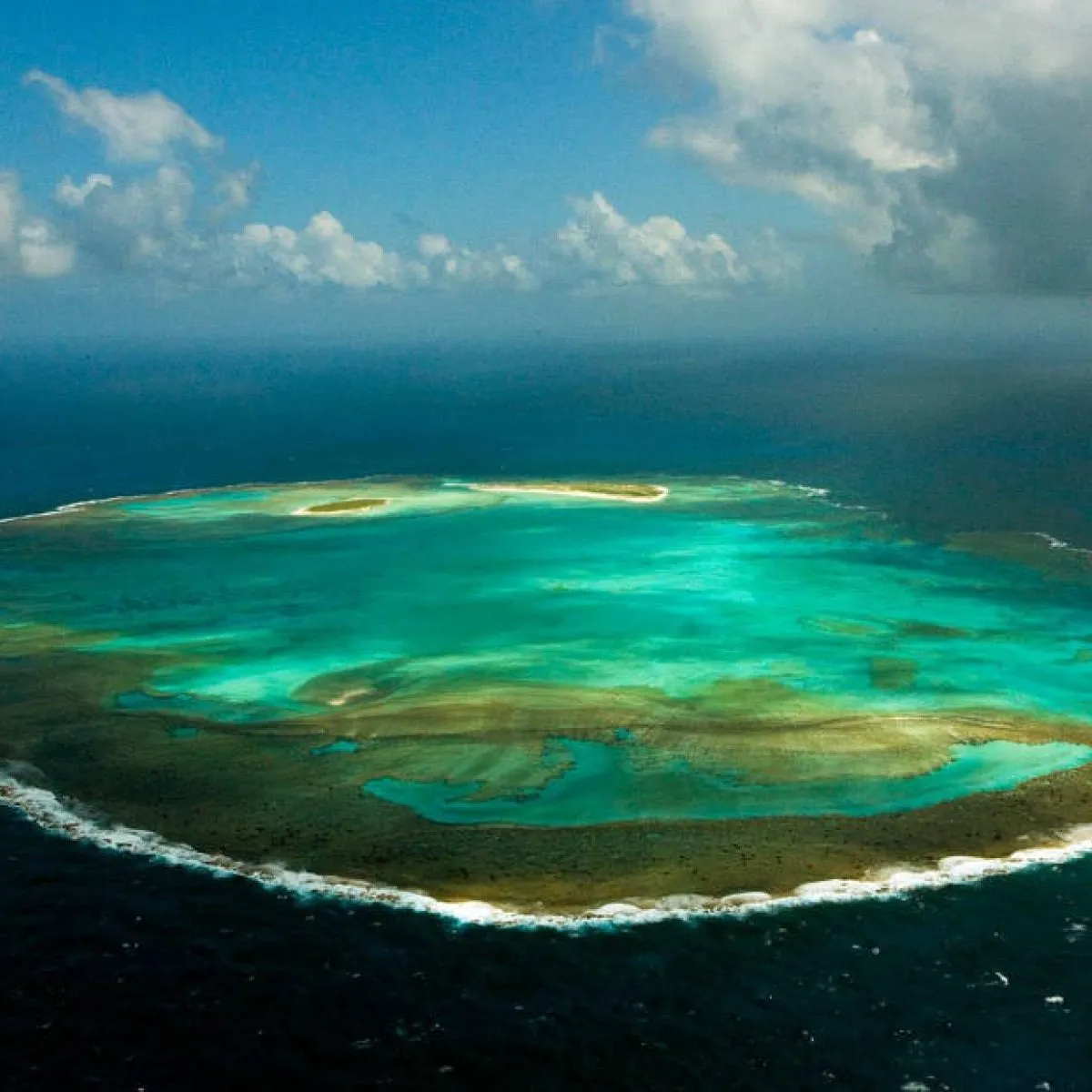
Blocks close to areas protected by environmental legislation are also in the eyes of the fossil industry. Fernando de Noronha, Atol das Rocas and the Archipelago of São Pedro and São Paulo, known as “oases” of marine biodiversity, are being auctioned without detailed assessments of the impacts that these regions may suffer.
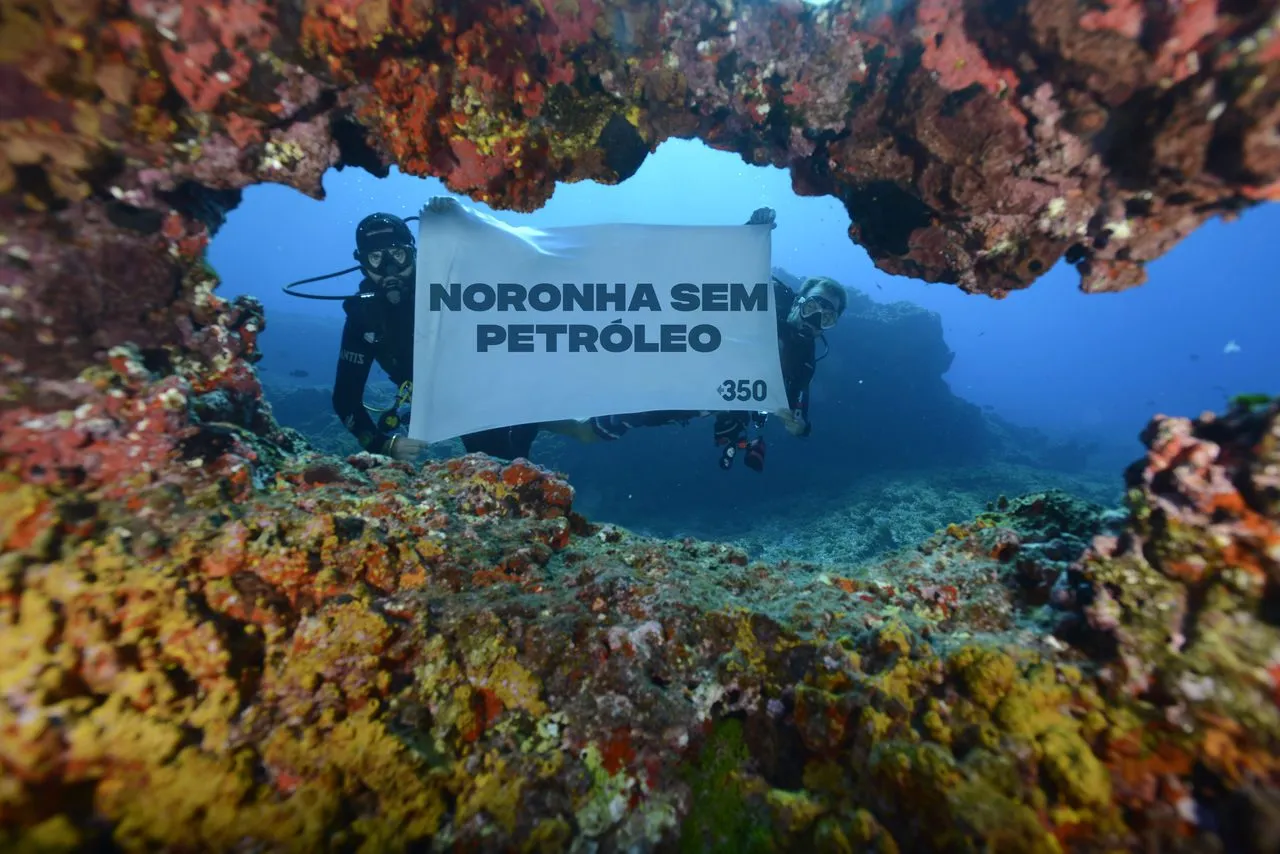
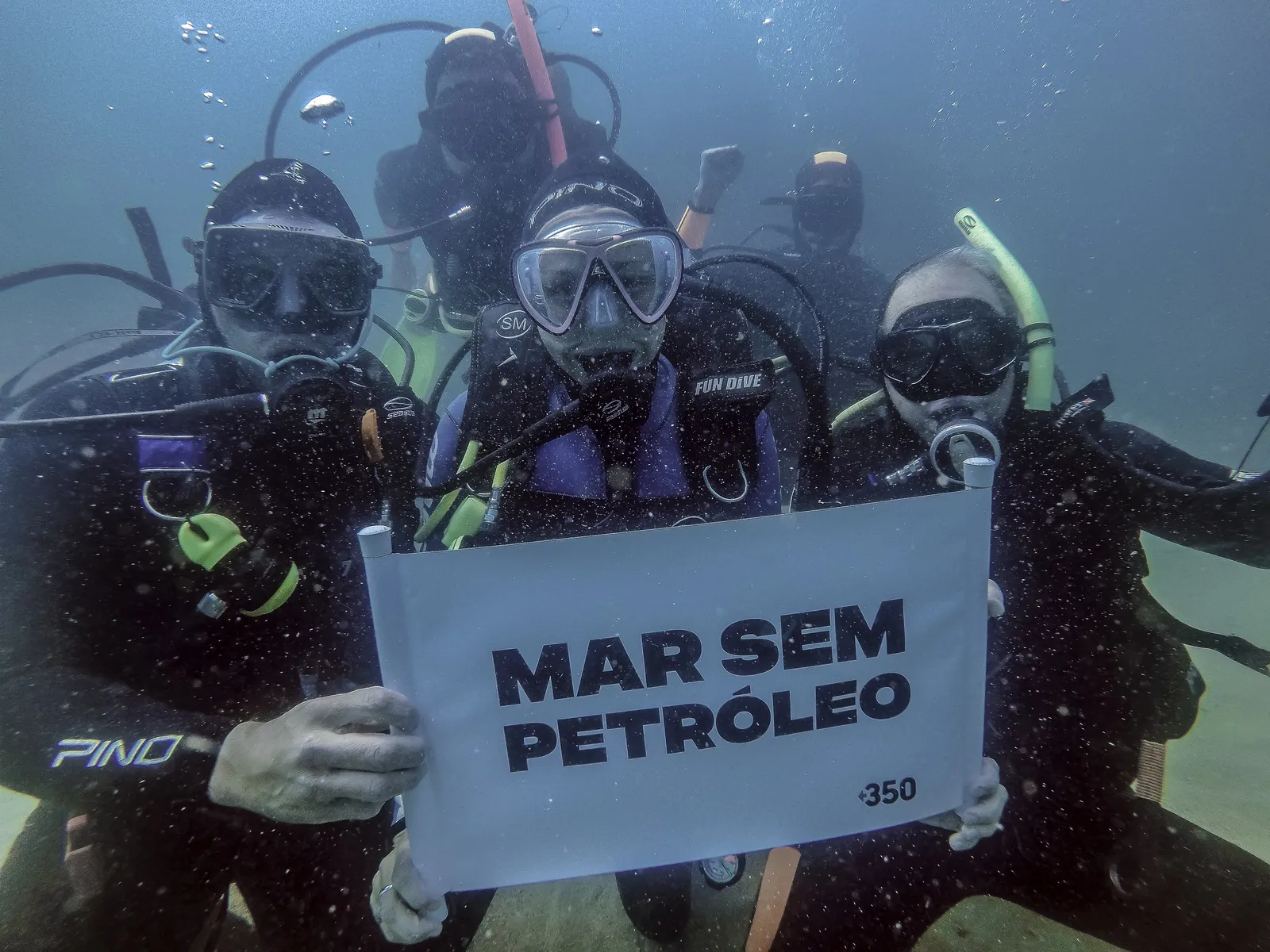
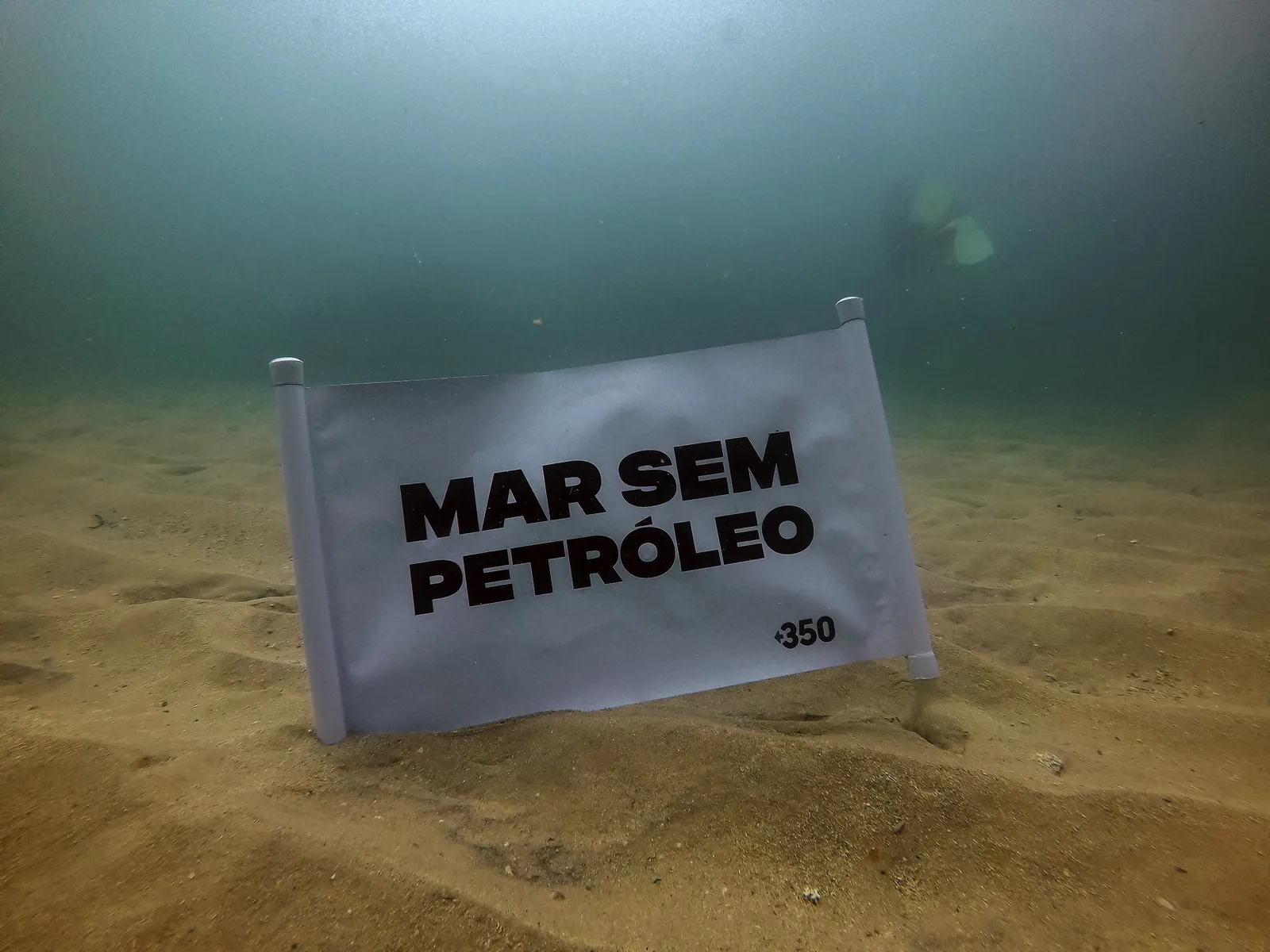
Last week, 350.org organized an underwater protest at two areas along the Brazilian coast: Ilha do Arvoredo (SC) and Fernando de Noronha (PE). Both areas can suffer serious damage in case of oil leaks in the blocks offered.
In 2019, the spill of 5,000 tons of oil that affected more than 130 cities in 11 states, took the income of thousands of artisanal fishermen and impacted tourism in the affected regions. Gandini’s studies highlight that if an oil spill occurred again and reached the coastal stretch, which runs from Rio Grande do Norte to Pará, artisanal fishing and the large fish species industry would suffer serious impacts again.
“Communities that make a living from fishing, tourism and mangrove environments have already been greatly harmed by oil and gas in several regions of Brazil, so we want to prevent this damage from spreading to new areas. The big companies in these sectors keep the profit and, for us, the leaks are left over”, says Alexandre Anderson, president of Ahomar.
The auction will be broadcast live so that the public can follow the entire process over the internet. The transmission will take place through the ANP’s YouTube channel starting at 9AM on October 7th.
Related blogs
News, stories, and insights from the global climate movement.
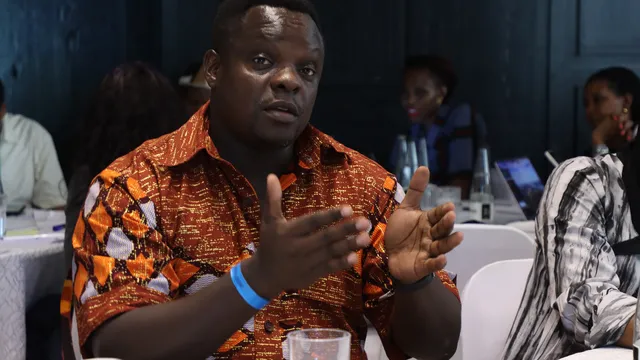
Why Africa's fight for Climate Reparations should question historical structural Injustices
Despite contributing under 4% of global emissions, Africa faces the worst climate impacts. At a symposium in Mombasa, Kenya, leaders call for historical polluters to pay $170 trillion in climate reparations, not as voluntary charity but a binding legal liability.
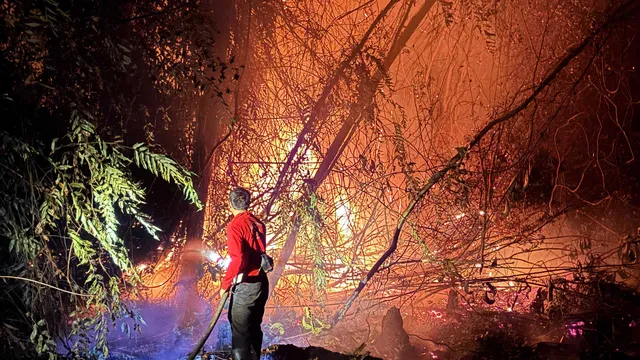
Indonesia’s wildfire crisis cannot be business as usual
Every wildfire season, I watch the smoke arrive. This year, the fires have gotten worse.
African Symposium on Climate Reparations
Africa is on the frontlines of a climate crisis it did not create. True climate action requires more than promises - it demands accountability, equity, and repair.
