
We stood on the edge of the Guajará River in Belém, Brazil — the host of COP30, UN’s most important climate talks — ready to take a fast boat into the heart of the Amazon. Just under two hours later, cruising along the Arari River, we arrived at the Santana community jetty on Marajó Island. There, we met Vitório, a leader from the nearby Tartarugueiro community, and climbed onto motorbikes that bumped over muddy tracks, wooden bridges, and thick forest to reach his village.
Tartarugueiro is home to around 70 Quilombo families, Brazilian settlements established by escaped slaves and their descendants. It’s a place rich in culture and resilience and, like far too many traditional communities in the Amazon, still left in the dark.
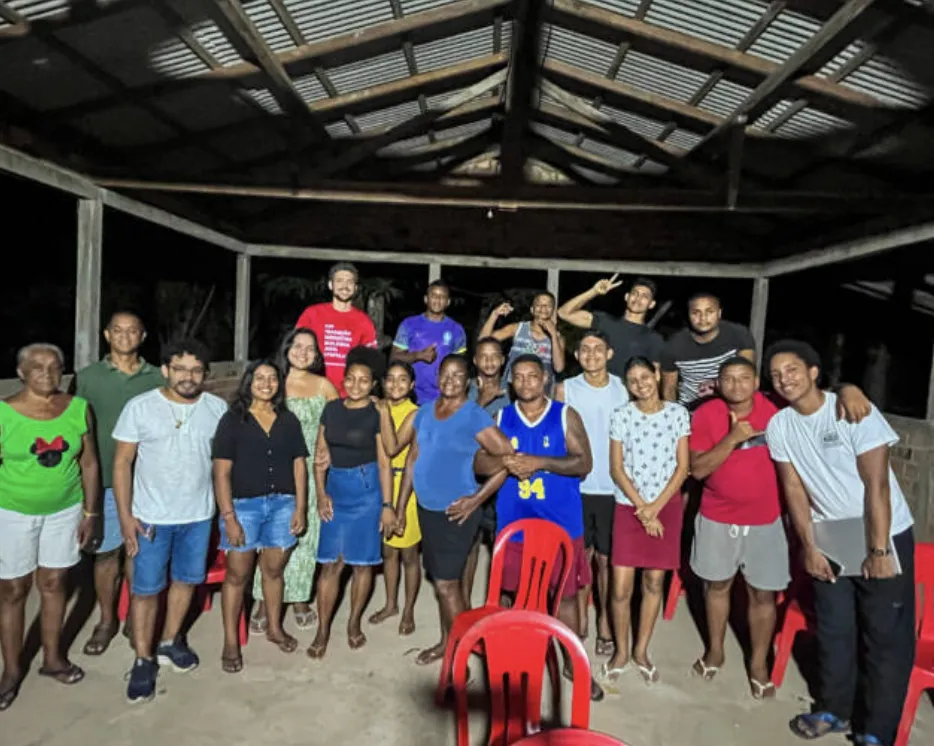
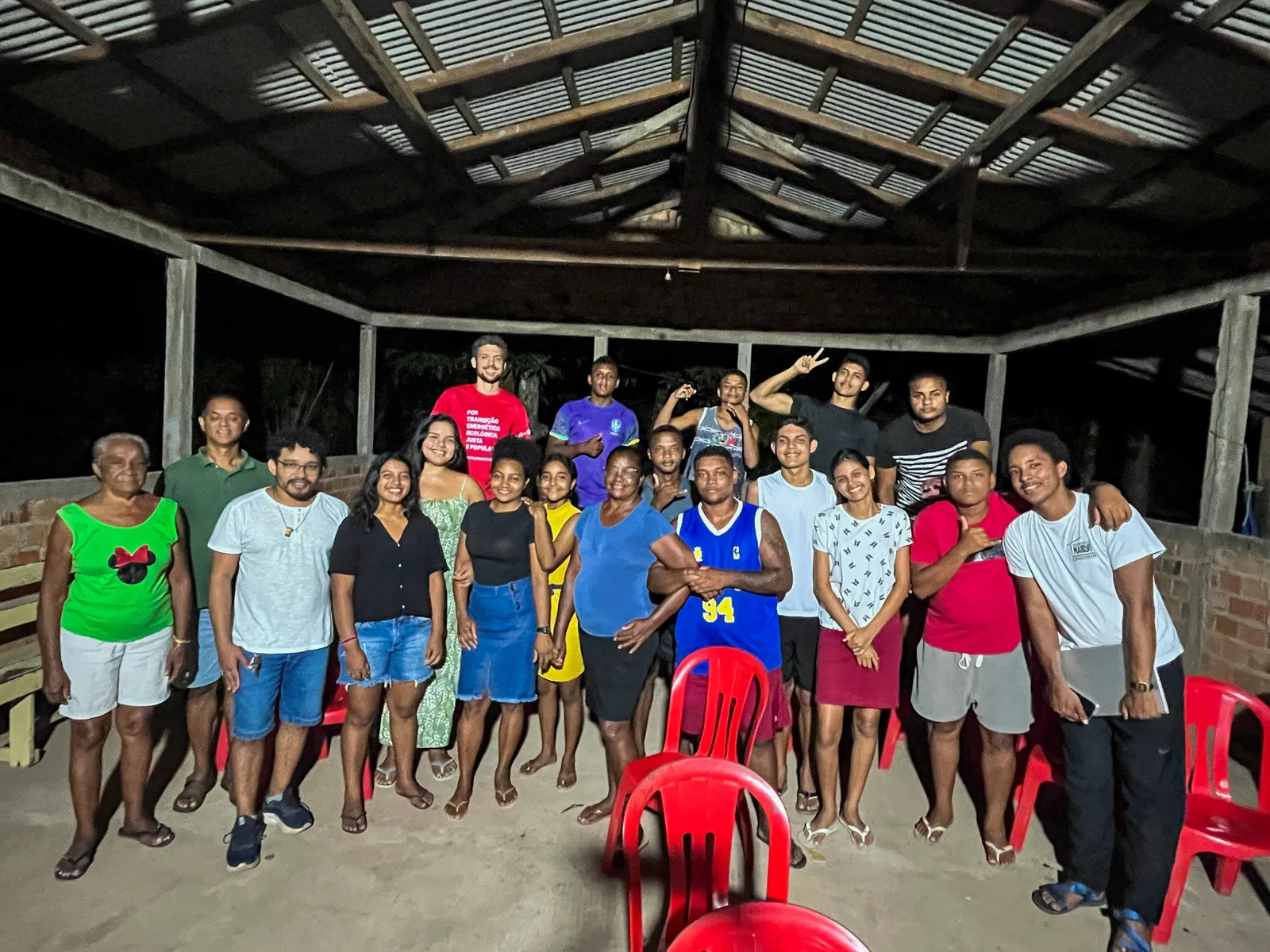
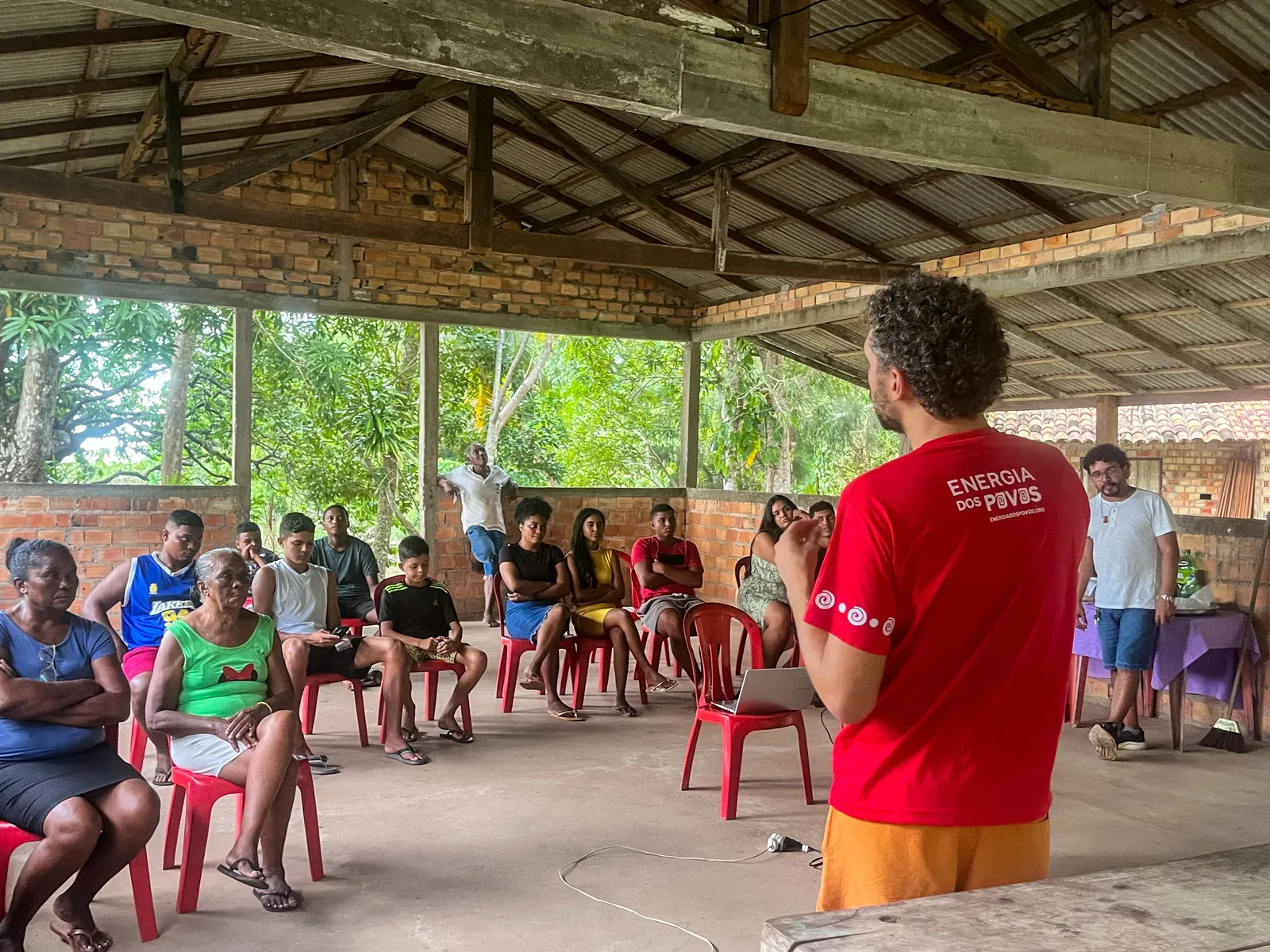
The youth welcomed us enthusiastically. Many had been trained through our Energia dos Povos campaign, which supports community-led renewable energy solutions. Over a shared meal of local dishes (and the freshest açaí I’ve ever had), they proudly showed us around. We saw state-installed infrastructure: a watertank, a telephone line — all powered by solar. However, none of it works.
Their school, church, and tiny market space have no power. There’s no cold storage for vaccines, insulin, or food. Boats bring ice from Belém, an absurd reality in a country so brazenly promoting its shift to renewable . Some families have scraped together enough to buy basic solar panels — enough to power a lamp, a TV, and charge a phone for a few hours. But many still live in complete energy poverty.
This isn’t a remote corner of the globe. Belém, the host of the world’s most important climate summit next year, is just hours away. Yet here, the state has failed to deliver even the basics.
In a community discussion, Quilombo youths spoke powerfully about what electricity would mean: a chance to study at night, access better healthcare, support for their families, and the feeling of security. It would ease the burden on women and unlock opportunities they can only dream of today. They know the promise of renewables. They know the dangers of the fossil-fuel agenda. And they’re ready to lead the change — if only the state would back them.
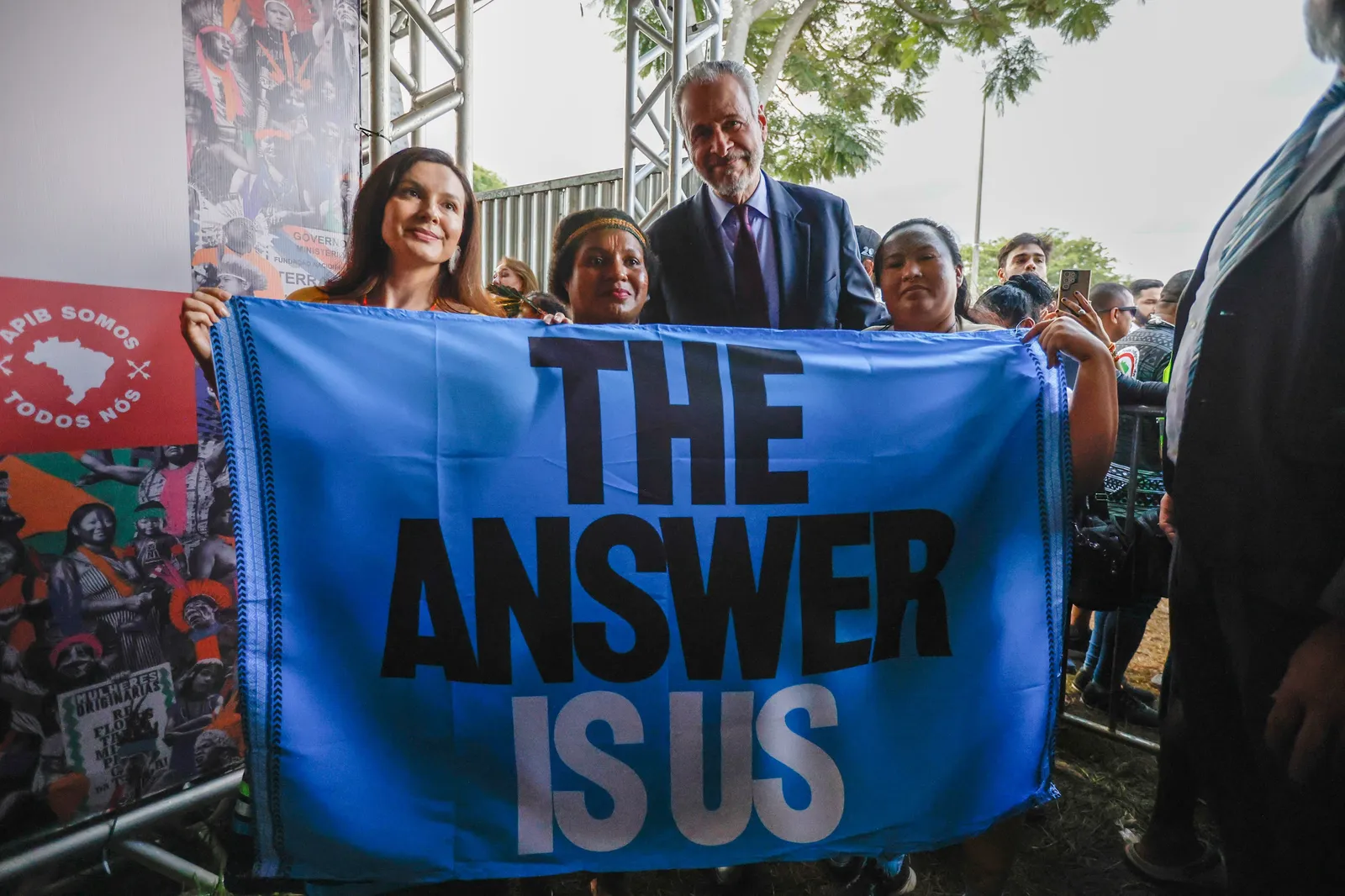
We also spoke with Estefany Cristini, a young Afro-Indigenous leader from the nearby Quilombola community of Santana do Arari. She’s been paying attention to what leaders are talking about ahead of following the lead-up to COP30 and engaging in discussions with other youth. But she voiced a concern shared by many: Will COP30 just be another tokenistic gesture? Or will traditional and Indigenous communities be heard at the table?
More than 200 organisations have already raised this demand in an open letter to the COP30 President, André Corrêa do Lago: if this is to be the “Amazon COP,” Amazon’s people must lead.
Through Energia dos Povos, we’re organizing communities, training youth, and challenging greenwashing by companies pushing grid expansion under the guise of sustainability. Their strategy? Divide communities, exploit gaps in policy, and continue extractivism — all while slapping a “green” label on it.
Let’s be clear: true renewable, democratic, and just energy systems are possible. The 350.org Hope Hub showcases projects worldwide that do just that.
If COP30 is to be an Implementation COP, then action must start at home — in Belém, in the Amazon, in places like Tartarugueiro.
Will Brazil lead with courage and integrity, investing in community-powered renewables and rejecting fossil-fuel colonialism? Or will it let this historic opportunity slip away?
We, along with our allies and communities, will keep pushing—organizing, training, and advocating for energy justice. It’s not just about clean energy. It’s about power—in every sense of the word—finally reaching those who have been kept in the dark for far too long.
Related blogs
News, stories, and insights from the global climate movement.
Why Africa's fight for Climate Reparations should question historical structural Injustices
Despite contributing under 4% of global emissions, Africa faces the worst climate impacts. At a symposium in Mombasa, Kenya, leaders call for historical polluters to pay $170 trillion in climate reparations, not as voluntary charity but a binding legal liability.
Indonesia’s wildfire crisis cannot be business as usual
Every wildfire season, I watch the smoke arrive. This year, the fires have gotten worse.
African Symposium on Climate Reparations
Africa is on the frontlines of a climate crisis it did not create. True climate action requires more than promises - it demands accountability, equity, and repair.
