
Pacific islanders have been forced to build resilience in many different forms due to the ongoing climate impacts that affect our island communities. Overcoming the mental and physical challenges that have been thrust upon us, and building internal and external resilience to battle these challenges. Despite all of these, we continue to support ourselves and our communities to build solutions to the climate crisis.
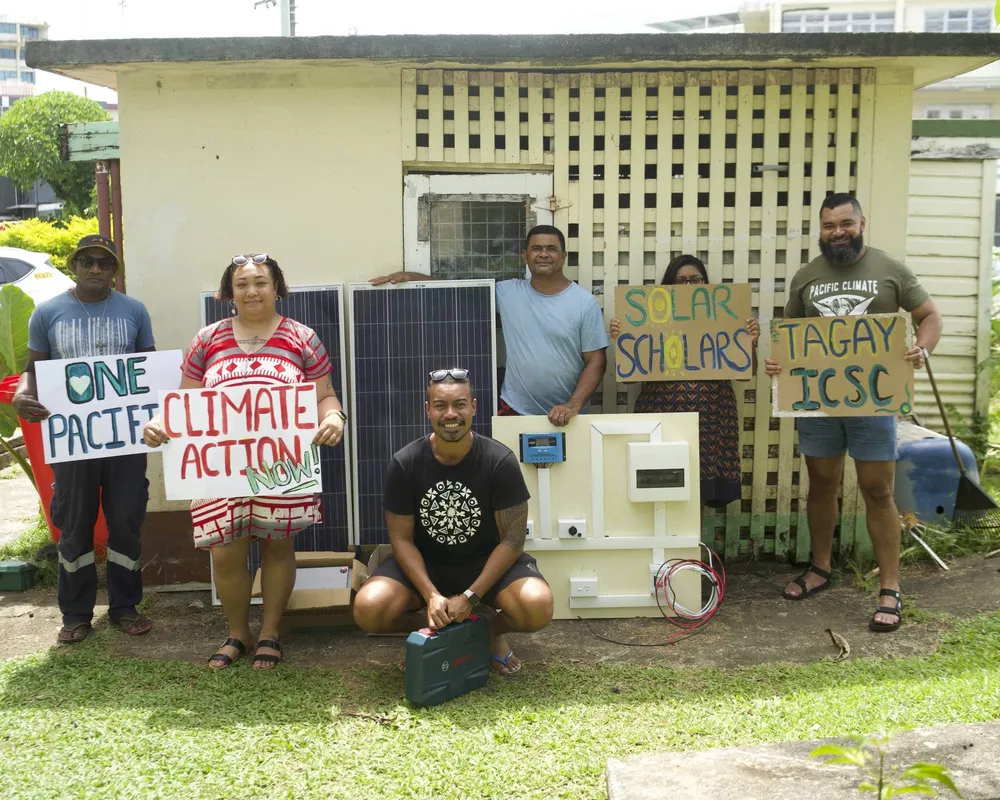
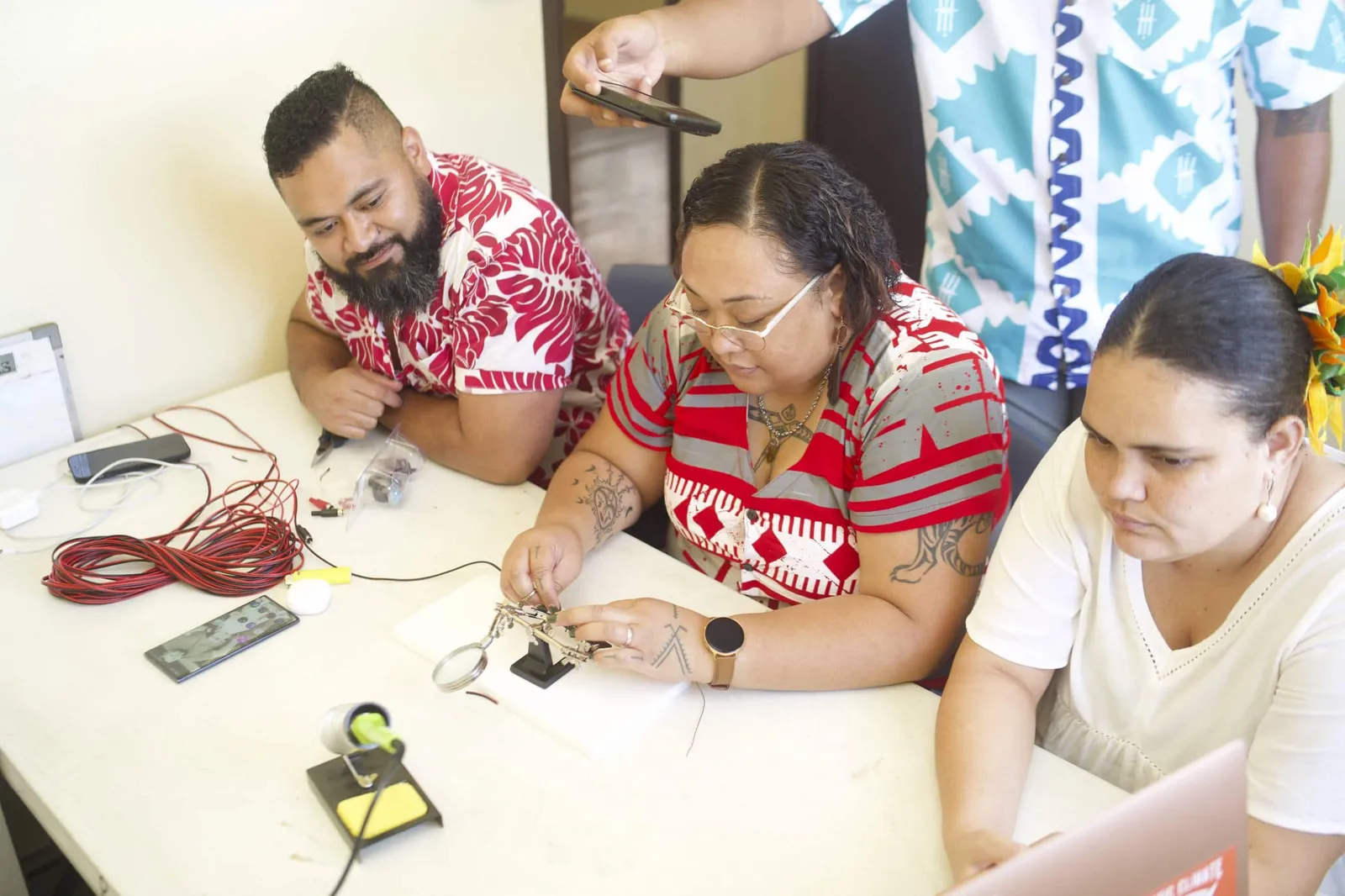
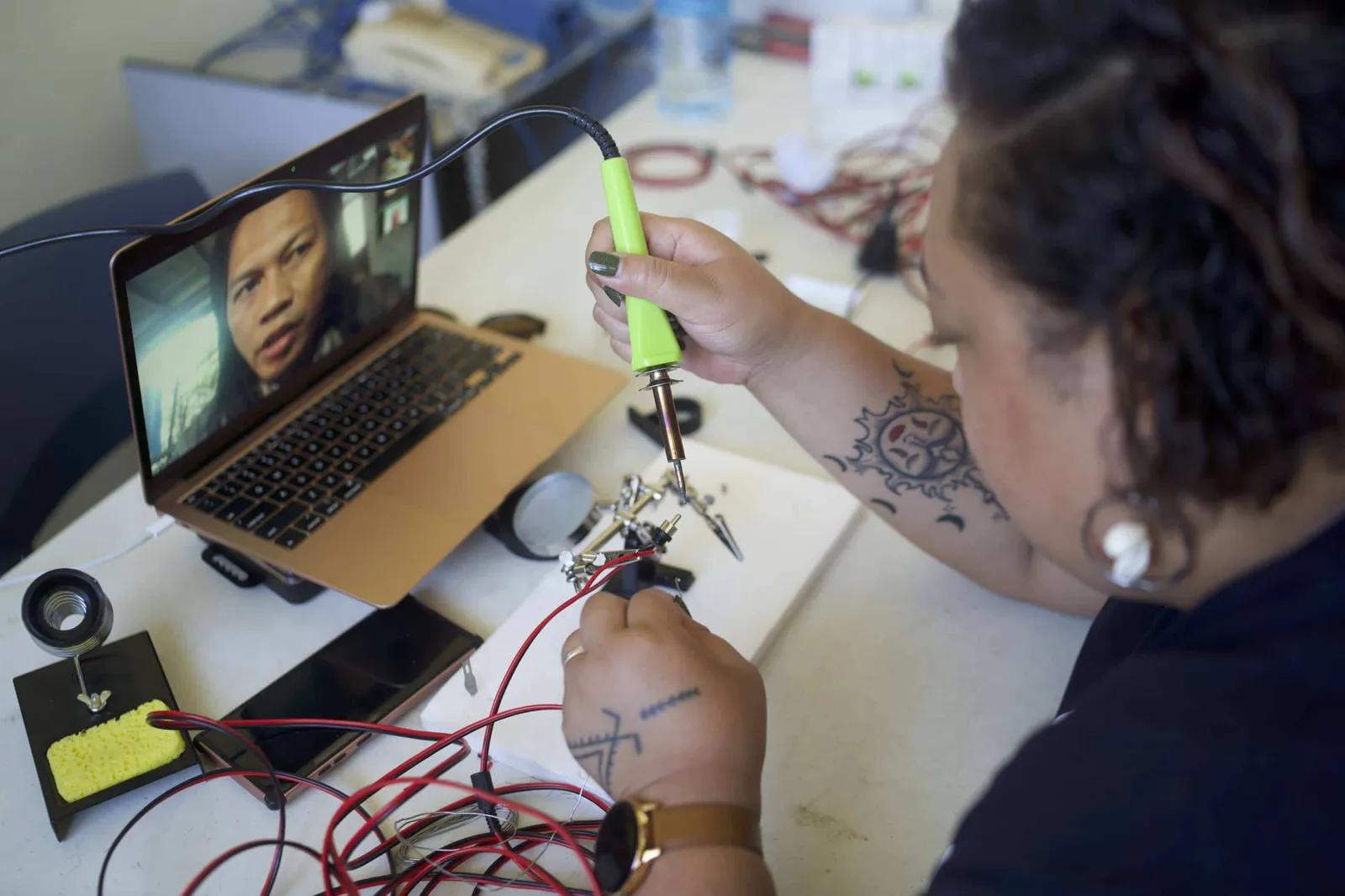
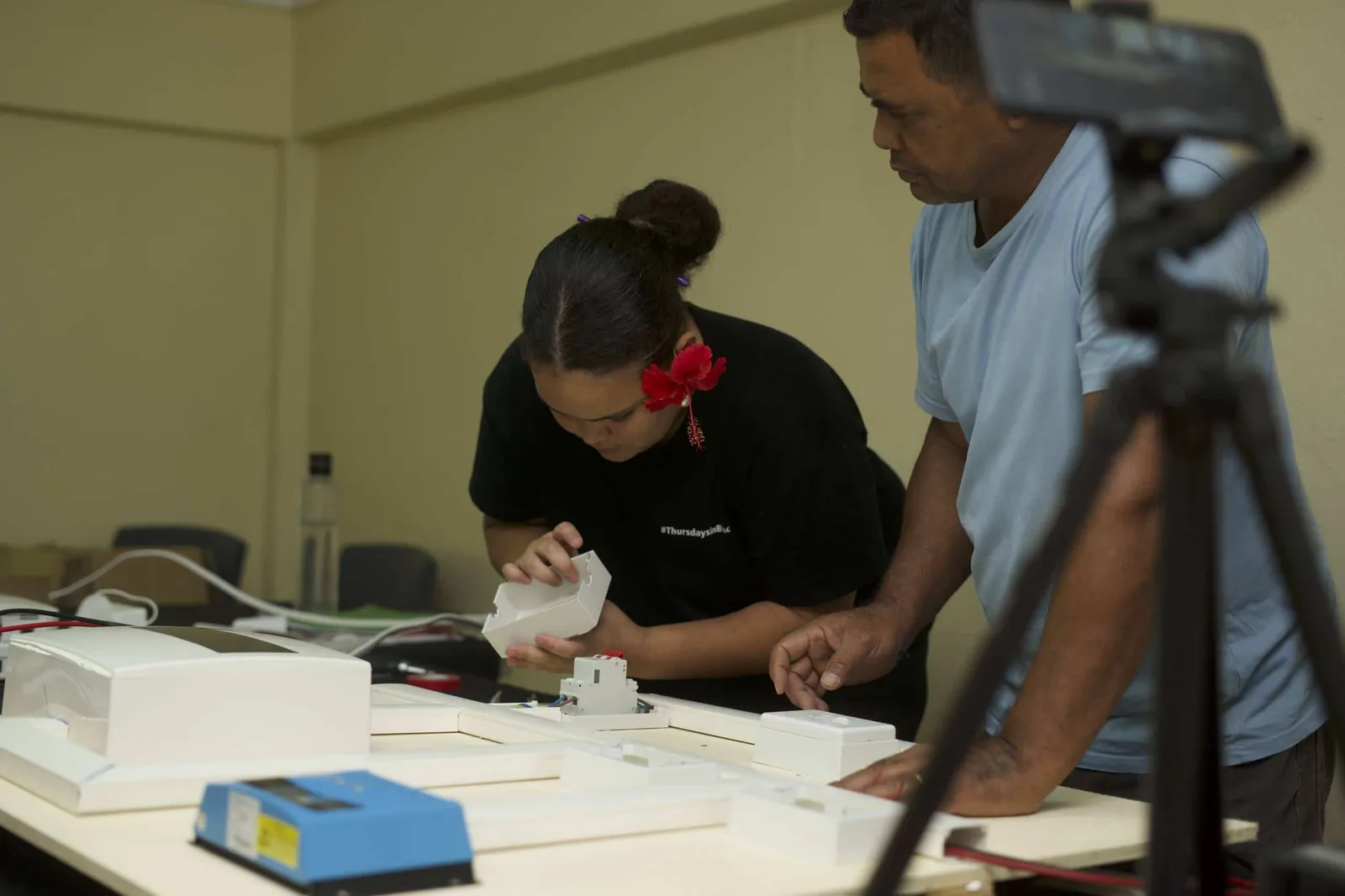
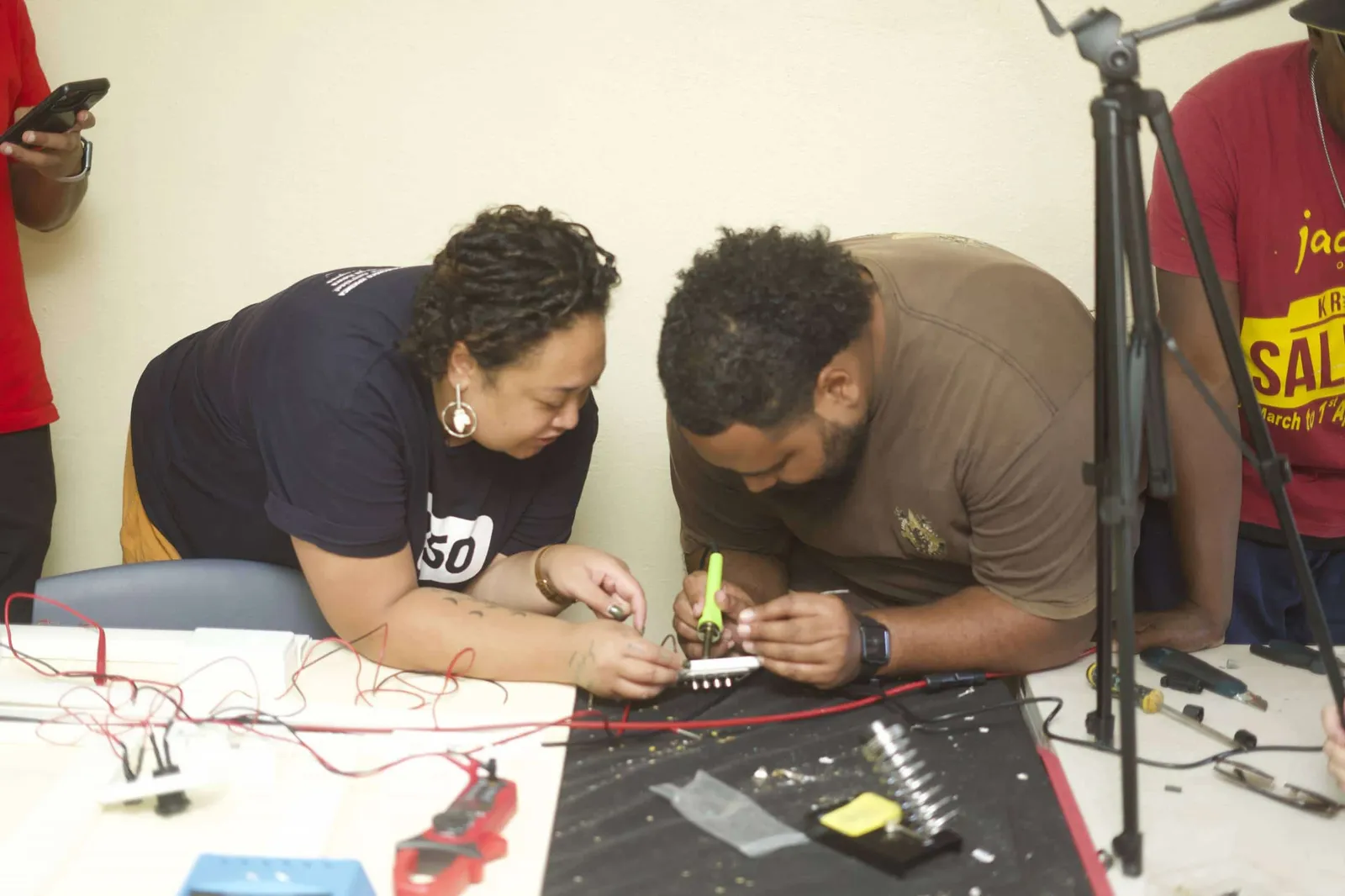
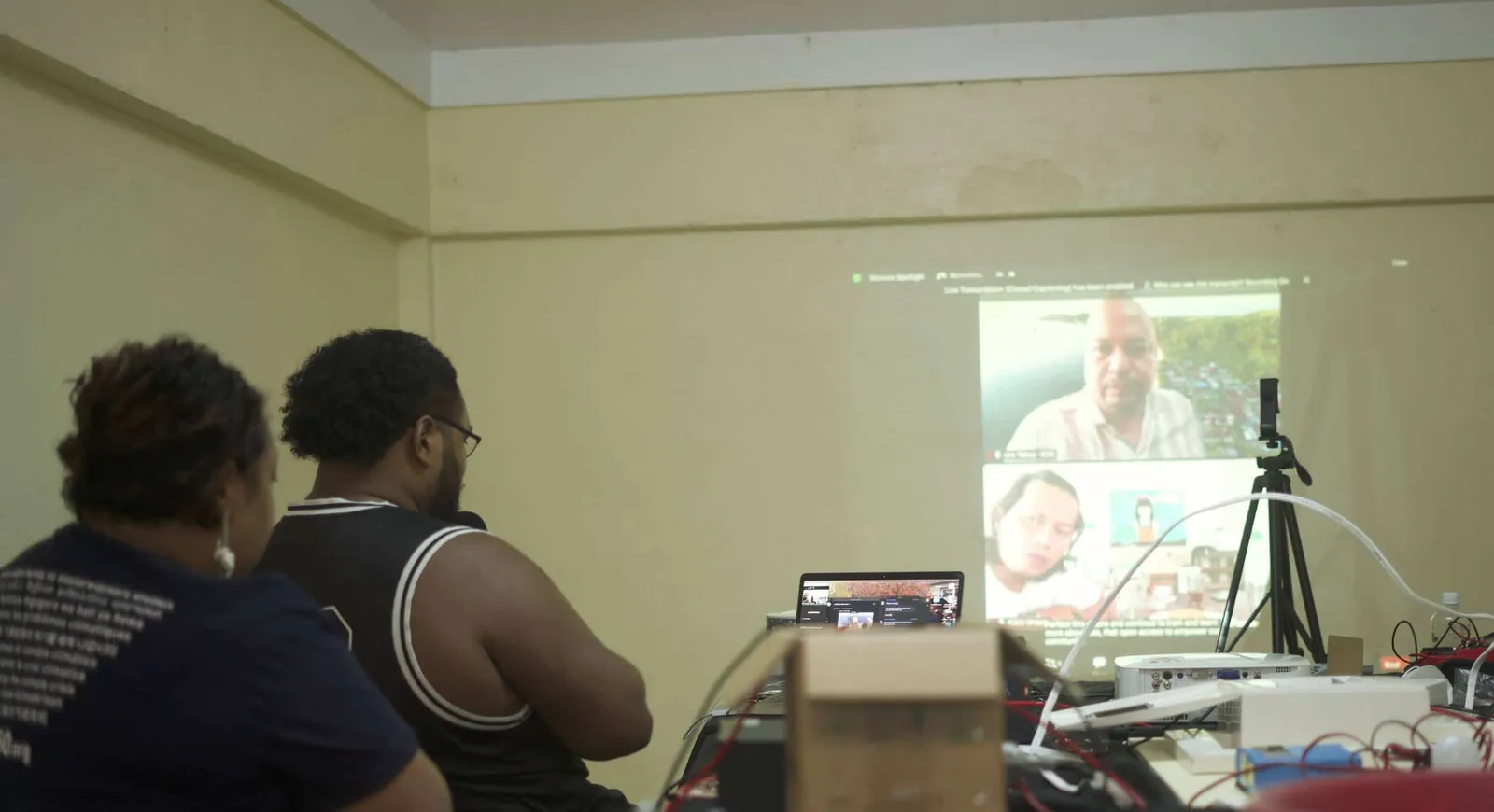
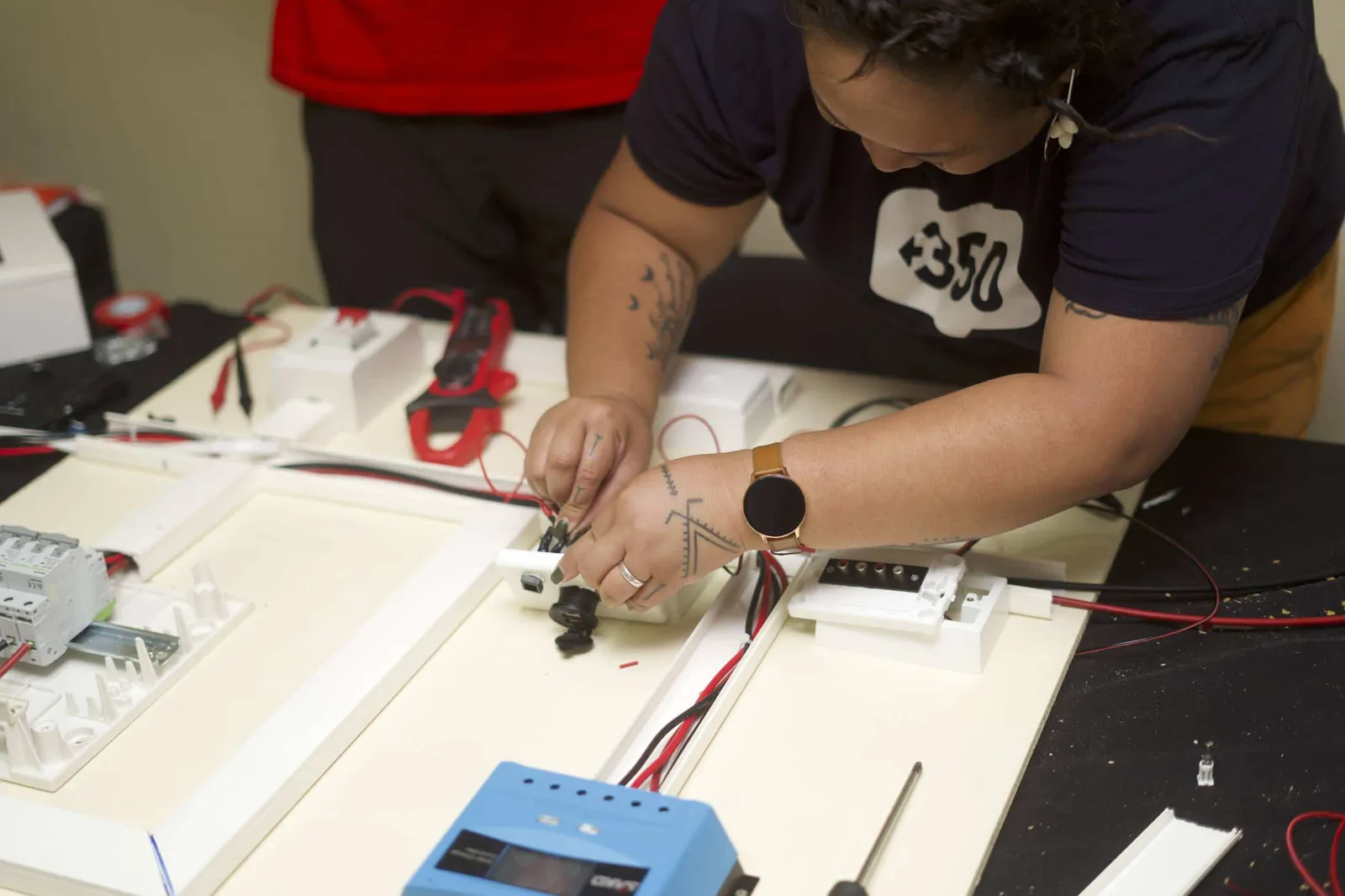
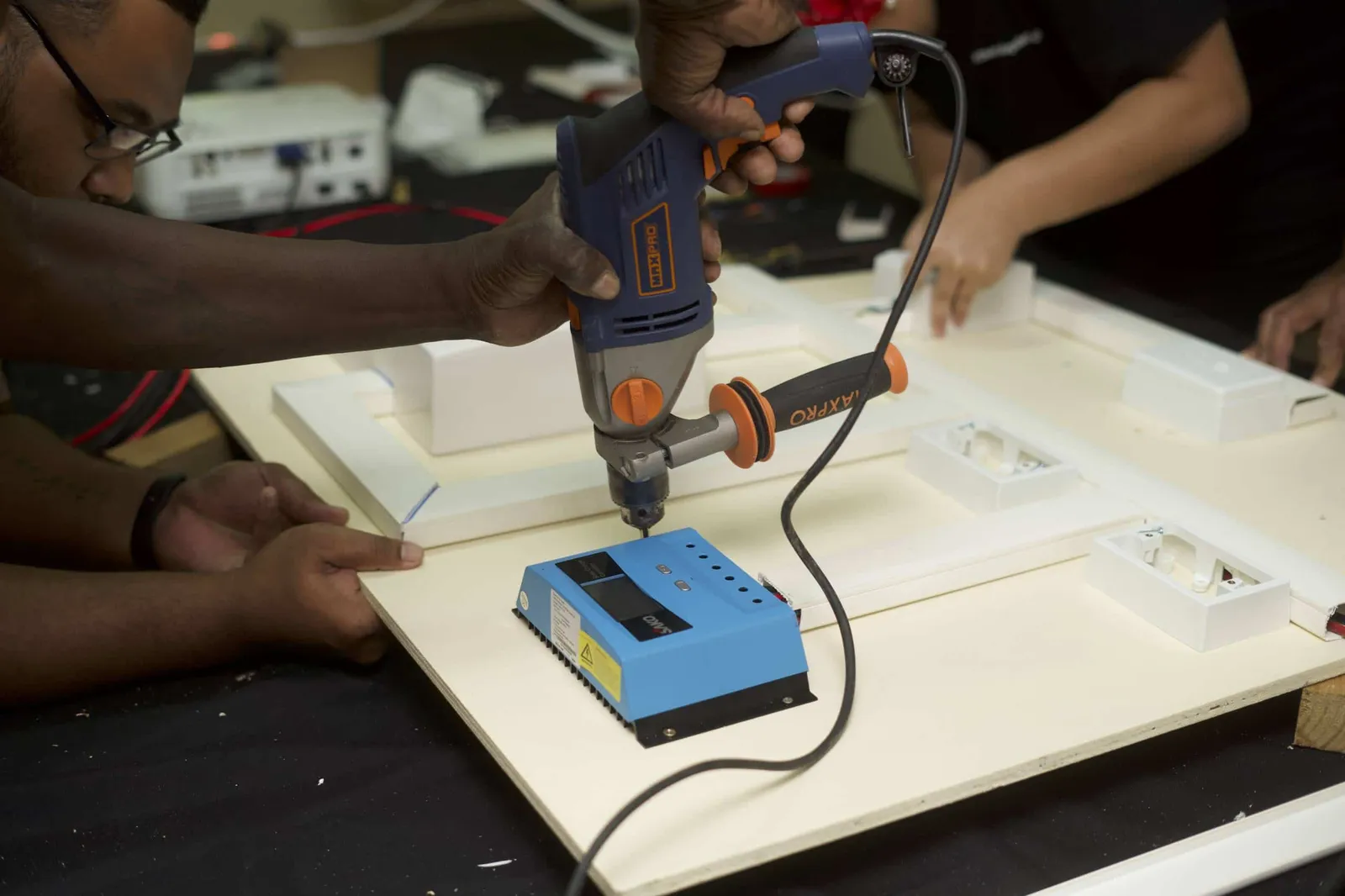
In February, nine participants from the 350 Pacific and Pacific Conference of Churches (PCC) completed a hybrid training in Suva, Fiji, on the assembly and maintenance of basic PV solar power systems, led online by the Institute of Climate and Sustainable Cities (ICSC).
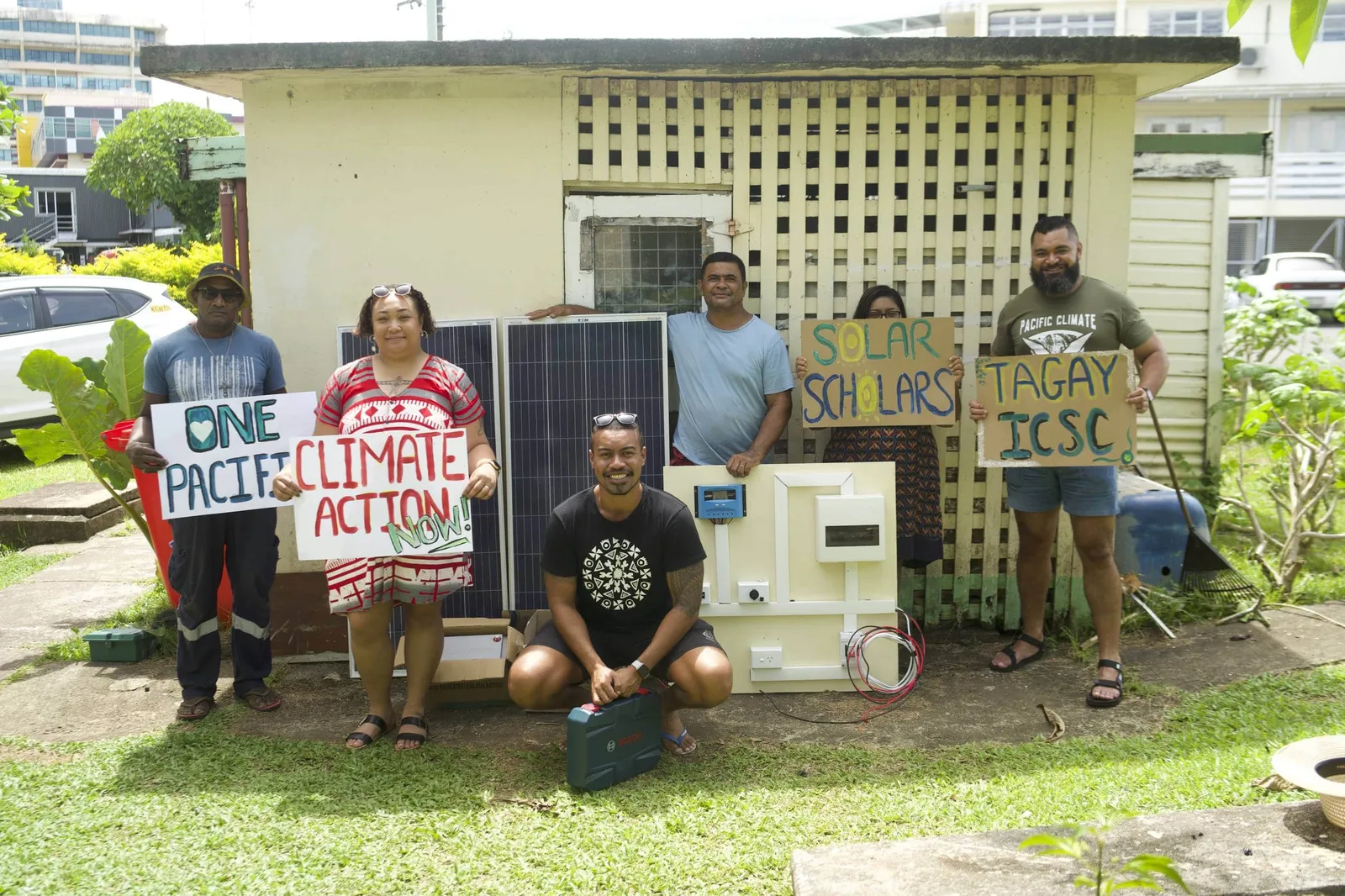
During the 3-day Solar Scholars Training in Suva, Fiji held from February 22-24, we learnt the basics of electricity solar energy and how to assemble basic solar power systems that can be used in community activities or disaster situations. ICSC’s RE-Charge Pilipinas team guided the assembly of a 300-watt solar photovoltaic (PV) community charging system online from their office in Tacloban City, Leyte.
The solar power system built-in these sessions was donated to the Pacific Conference of Churches who will use it as a community charging hub.
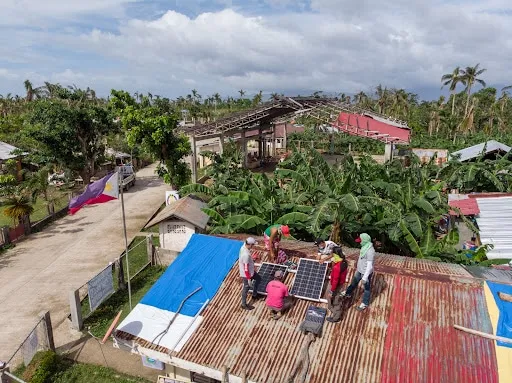
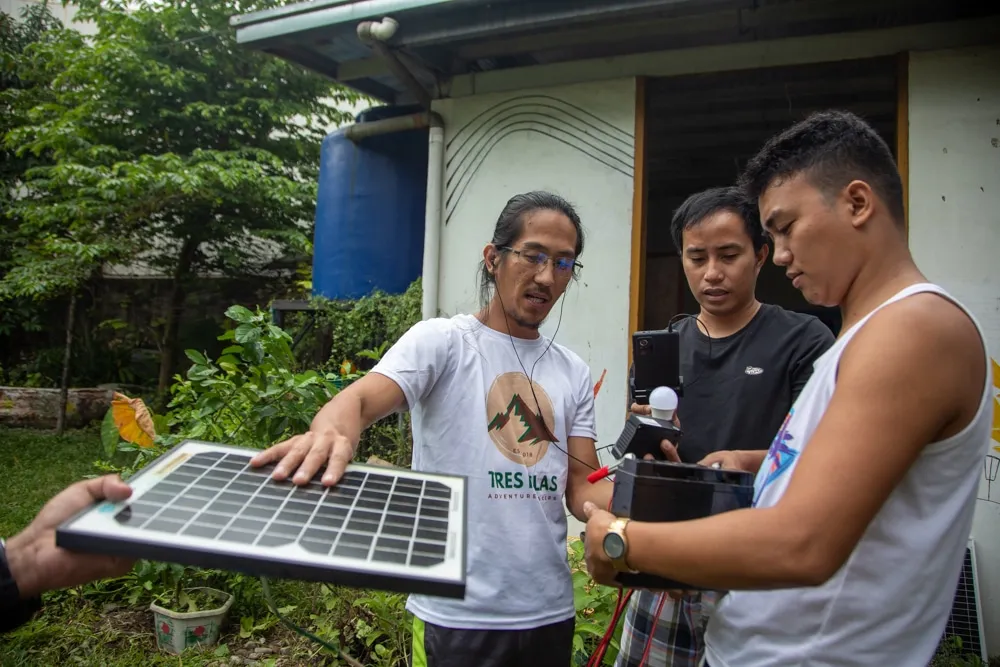
The Solar Scholars program was created by ICSC and launched in the Philippines as a response to the harsh lessons Typhoon Haiyan taught the Philippines and the world in 2013, and energy access being grossly overlooked during disasters. After the virtual training with the Pacific Climate Warriors, the ICSC Solars Scholars in the Philippines donated their PV solar charing system to the residents of Barangay San Agustin on Limasawa Island, Southern Leyte. This, just two months after Typhoon Rai (Odette) devastated the island.
This collaboration with partners, ICSC, to up-skill members in our Pacific community was planned over two years ago, after increasingly frequent tropical cyclones left many communities without power and communications means after each disaster. With the onset of the global pandemic and increasing socioeconomic burden of the escalating climate crisis, the journey to our first practical training was a long one. This year, both the Pacific Climate Warriors and the ICSC Solar Scholars were finally able to come together for three-days of knowledge-sharing. This was an urgent act of community resilience in anticipation of the UN Intergovernmental Panel on Climate Change (IPCC) report on Climate Impacts released on 28th February. The report indicated that the climate crisis will cause unprecedented damages unless governments take urgent measures to lower emissions.
The severe climate impacts outlined by the IPCC report are a lived reality for the Pacific, this is not new to us. We continue to build solutions and resilience to these impacts through innovation, leadership at high-level climate negotiations, and centuries of Indigenous knowledge. The PV solar power system is just the beginning of a series of collaborative efforts to share knowledge on climate resilience projects. This is to ensure the safety of our communities and a sustainable future for the most vulnerable communities, not just for the Pacific, but across the world.
The IPCC’s findings, signed off by 195 governments should be an indicator for those most responsible for the climate crisis to redirect the flow of money out of fossil fuels and into just and community-led solutions. The most marginalised and vulnerable people are already being hit hardest by a range of devastating climate impacts from wildfires to flooding.
The report highlights what communities in countries like Fiji and the Philippines already know – that climate impacts are increasingly frequent and devastating, and we have a decreasing window of time to prevent the worst of all possible futures. Initiatives like the Solar Scholars training are an example of frontline communities taking solutions to this crisis into their own hands.
For us in the Pacific, this is just the beginning of our solutions work. Our vision is to show the world that climate leadership is moving away from fossil fuels, embracing community-led renewable energy and ensuring the dignity of our people are fair and just. We wanted to start by training up our communities to enable them to build and maintain basic solar PV systems and then move on to assemble a RE-Charge TekPek, a portable solar module made for off-grid power allocation, aimed but not limited to disaster response. The ultimate goal is to have this training pave the way for wider conversations on community-led renewable energy solutions.
Related blogs
News, stories, and insights from the global climate movement.
African Symposium on Climate Reparations
Africa is on the frontlines of a climate crisis it did not create. True climate action requires more than promises - it demands accountability, equity, and repair.
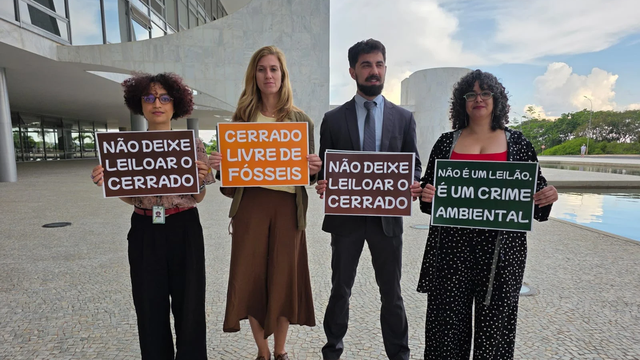
The Cerrado Is Not for Sale
Explore the upcoming gas auction in Brazil and its implications for Indigenous lands and the environment in Maranhão.
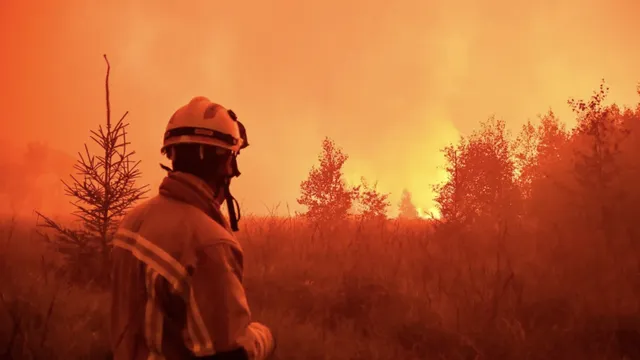
Keeping Safe from Fires and Liars
Explore the connection between climate crises and disinformation as experts discuss current challenges and their impacts.
