

As we watch the devastating impacts of Hurricane Melissa making landfall in Jamaica, United Nations Secretary-General António Guterres warned in his only interview before next month’s COP30 climate summit that humanity has failed to limit global heating to 1.5°C,
Acknowledging that overshooting the Paris Agreement goal is now “inevitable,” Guterres urged world leaders to “change course immediately” by urgently cutting emissions to avoid catastrophic tipping points in the Amazon, the Arctic, and the oceans. The warning comes just weeks after scientists confirmed that the world has already passed its first climate tipping point with coral reefs in irreversible decline.
Anne Jellema, Executive Director at 350.org says:
“We’ve breached 1.5°C, but we have not breached hope. This is not a time to retreat. It’s time to act faster, fairer, and together. Now it’s time for leaders to act like it.
The next steps are political, the most polluting countries need to step up and stop putting profits over people and the planet. We’re tired of excuses and delays. United Nations climate negotiations play a pivotal role in ensuring we continue to push for a safe and livable future for all, and these spaces must be protected.”
The announcement coincides with the release of the NDC synthesis report. The report examines 64 updated Nationally Determined Contributions (NDCs) submitted between January 2024 and September 2025. According to the findings, current pledges would collectively reduce greenhouse gas emissions by only 17% below 2019 levels by 2035, a fraction of the roughly 60% global reduction required to limit warming to 1.5°C.
Energy supply remains the top mitigation focus and is included in 98% of NDCs: 44% of NDCs include a commitment to triple renewable energy by 2030; 13% quantify coal phase down targets for 2030 and 16% do so for 2035, 73% mention just transition measures for fossil-dependent communities
Andreas Sieber, Associate Director of Policy and Campaigns at 350.org says:
“Over 90% of new power capacity built last year was renewable. Renewable energy is winning in economic forms of new electricity generation in much of the world. In the first half of 2025 alone, renewables met all of the global increase in electricity demand and even drove a decline in coal and gas use.
This is proof that the clean energy transition isn’t a distant goal; it’s happening right now. Global renewable capacity is on track to double by 2030, showing that progress is not only possible, it’s unstoppable. But that progress remains fragile. Every new coal mine or gas terminal threatens to erase these gains. Governments must stop propping up fossil fuels and invest instead in a just, people-powered transition that brings clean, affordable energy to everyone.”
ENDS
Related press releases
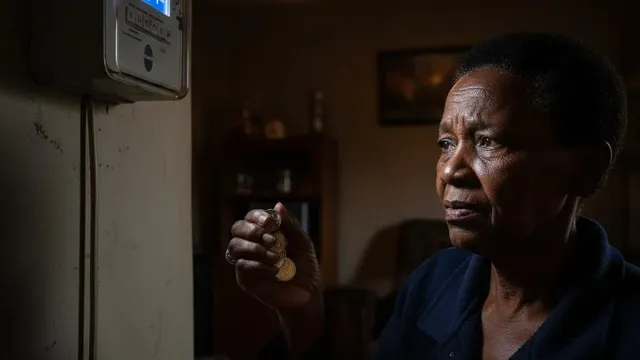
NERSA urged to reject Eskom tariff increases and expand Free Basic Electricity to 350 kWh

New report: Australia-Türkiye coal trade worth 75 million tonnes of CO₂ puts spotlight on COP31 co-presidencies’ fossil fuel ties
