
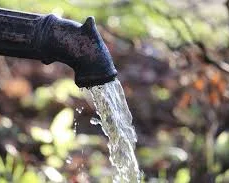
The climate crisis doesn’t always arrive as a sudden headline-grabbing disaster. Sometimes, it creeps up quietly: in shrinking rivers, failing wells, and communities being forced to “use less” of what they barely have. But make no mistake: what looks like scarcity is actually theft. Theft of a stable climate. Theft of reliable rainfall. Theft of the water systems that have sustained life for millennia.
A new report from the UN University Institute for Water, Environment and Health (UNU-INWEH) “Global Water Bankruptcy: Living Beyond Our Hydrological Means in the Post-Crisis Era” warns that the world has entered an era of “global water bankruptcy.” It means we are using and damaging freshwater systems faster than nature can replenish them and in many places, the damage is irreversible.
This is what the climate crisis looks like when it hits the systems that sustain life. And it’s being driven by the same forces destroying our climate: fossil fuel extraction, industrial agriculture, and an economic system that treats nature as an infinite resource to exploit for profit.
From “Crisis” to “Bankruptcy”. What’s the difference?
For decades, policymakers and researchers have described global water challenges as a “water crisis” or “water scarcity.” But scholars have long warned that this crisis framing fails to capture the reality of long-term, structural decline. The word “crisis” sounds temporary. Bankruptcy means something more permanent and more concerning. It describes a system that’s been used up so badly that it can no longer simply bounce back.
The UNU report documents a scale of loss that makes this distinction unavoidable:
- Roughly 70% of the world’s major aquifers (underground layers of rock and soil that store water) are in long-term decline.
- Rivers that once flowed to the sea now run dry for months each year.
- Over half of the world’s large lakes have lost water since the early 1990s.
- The world has lost an estimated 410 million hectares of natural wetlands over the past five decades, nearly the size of the entire European Union. These were ecosystems that once stored water, buffered droughts, and regulated local climates.
Perhaps most alarming, the world has lost more than 30% of its glacier mass since 1970. These “frozen water towers” once released meltwater during dry seasons, sustaining billions of people. Their disappearance is the liquidation of nature’s water savings account — with no mechanism for repayment.
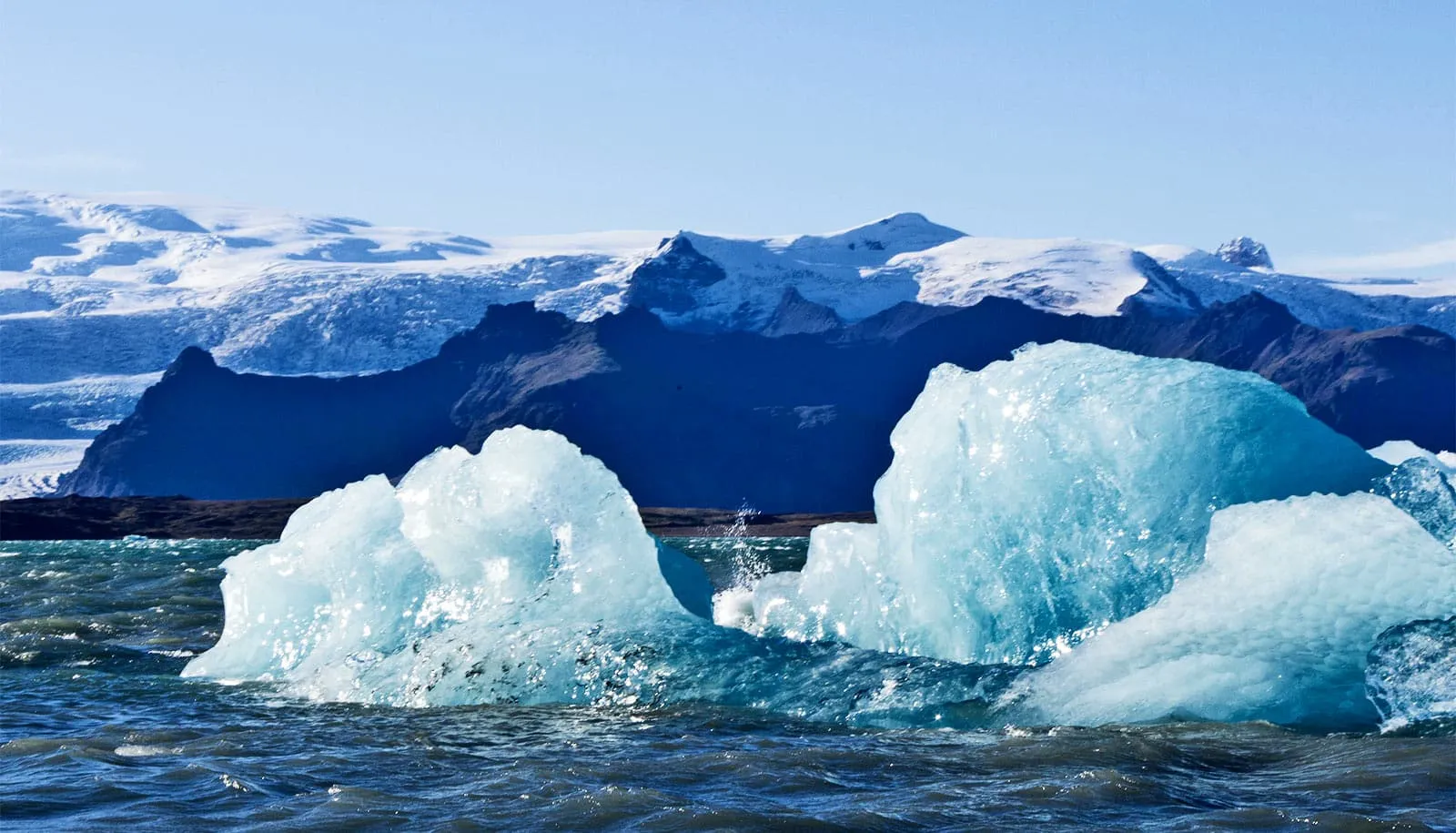
Bankruptcy essentially means you can’t restore what’s been permanently lost. Compacted (squeezed out) aquifers can never store water again. Extinct species don’t return. Glaciers that took millennia to form won’t regrow in our lifetimes.
Fossil Fuels > The Climate Crisis > Water Collapse
Water bankruptcy is being locked in by climate breakdown, which in turn is driven overwhelmingly by the burning of fossil fuels i.e. coal, oil, and gas. Here’s how climate change is destroying our water systems:
- Rising temperatures intensify the water bankruptcy spiral: Every fraction of a degree of global warming increases evaporation from soils, rivers, and reservoirs. Hotter air sucks moisture from the land, turning what would have been manageable dry spells into devastating droughts. The report documents how drought is increasingly “anthropogenic”, meaning it’s not just about lack of rainfall, but about human-caused warming, land degradation, and over-extraction combining to create permanent water deficits.
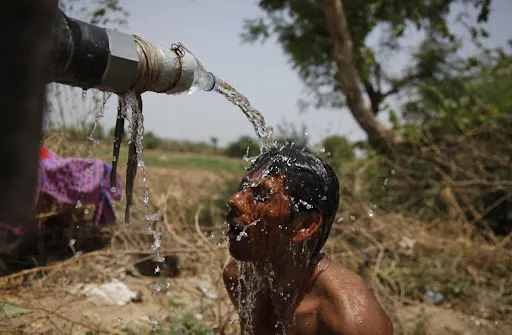
- Extreme rainfall creates the cruel paradox – floods without recharge: At the same time, climate change is intensifying rainfall. Storms arrive in violent bursts that flood cities and wash water away before it can infiltrate soils. More than half of global agricultural land is now moderately or severely degraded, meaning it cannot absorb and store water. Communities experience the cruel paradox of flooding and water shortage in the same year or sometimes in the same month.
- Melting glaciers: short-term surge, long-term catastrophe: Glacier melt illustrates the danger of mistaking short-term increases for security. As glaciers melt faster, rivers may briefly swell. But once glaciers shrink past critical thresholds, dry-season flows collapse permanently. For the 1.5 to 2 billion people who depend on glacier-fed river systems such as the Indus, Ganges-Brahmaputra, and Andean rivers, this means water supplies that sustained entire civilizations are disappearing.
- Industrial agriculture and extractive industries devour and pollute water: Around 70% of global freshwater withdrawals go to agriculture, much of it for water-intensive monocultures in regions that cannot sustain them. Meanwhile, mining, fossil fuel operations, and industrial pollution render vast volumes of remaining water unusable. Water may still exist on paper, but functionally it is gone, too contaminated for drinking, farming, or healthy ecosystems.
The Human Cost: Who’s Paying?
The scale of water bankruptcy is quite extensive and ever- growing:
- Nearly 4 billion people experience severe water scarcity at least one month per year
- 2.2 billion people still lack safely managed drinking water
- 3.5 billion lack safely managed sanitation
- Over 1.8 billion people were living under drought conditions in 2022-2023
- Drought-related damages cost over $307 billion per year worldwide — more than the annual GDP of three-quarters of UN member states.
But statistics only tell part of the story. Water bankruptcy shows up in daily realities no one should have to face. Farmers watch wells fail after generations of reliability and go into debt drilling deeper into aquifers that will soon collapse. Girls walk farther for water instead of attending school. Informal settlement residents pay more for less reliable water from tanker trucks while wealthy neighbourhoods maintain green lawns. Entire communities are forced to move as water sources disappear. Rising food prices as irrigation fails and harvests decline, pushing the poorest households into deeper poverty and hunger.
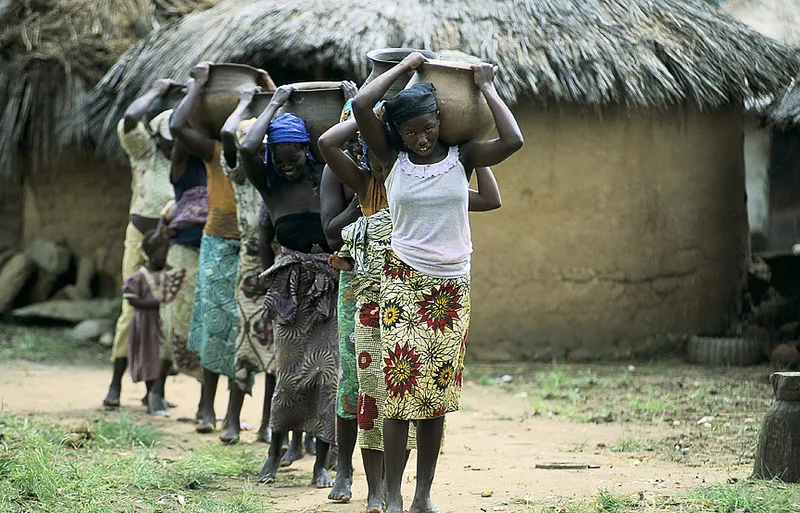
And here’s the brutal irony: the communities facing water bankruptcy today are often those who’ve contributed least to the climate crisis but are protecting the water systems everyone depends on like Indigenous water guardians stewarding watersheds, small-scale farmers practicing sustainable agriculture and communities resisting extractive industries and defending rivers from pollution.
Their knowledge and their resistance are being ignored while their water is being stolen by the same systems driving climate chaos.
The Fossil Fuel Era Has to End Now
Every year governments delay ending coal, oil, and gas, ordinary people pay the price, not in abstract climate targets, but in higher food prices, worsening health, lost livelihoods, and growing insecurity. Water bankruptcy is another consequence that makes those costs impossible to ignore.
The solution is not complicated. End fossil fuel expansion. Phase out coal, oil, and gas. Invest in clean energy and resilient, public, community-led water systems. Set binding limits on industrial water extraction. Align climate policy with the reality that there is no livable future without functioning water systems.
What happens next depends on whether leaders continue protecting polluters or finally choose people, justice, and a livable planet.
Sources
Related blogs
News, stories, and insights from the global climate movement.
The Cerrado Is Not for Sale
Explore the upcoming gas auction in Brazil and its implications for Indigenous lands and the environment in Maranhão.
Keeping Safe from Fires and Liars
Explore the connection between climate crises and disinformation as experts discuss current challenges and their impacts.
UNGA: A week that laid bare the world’s fault lines, climate crisis all over it
From war to the accelerating climate crisis, this year’s UN General Assembly felt less like a tour through the fault lines shaping the world.
